 Nerve Blocks App
 Anesthesia Assistant App
 Ultrasound Pain App
 Pain Medicine Assistant App
 POCUS App
 IV Access App
 MSK Knee App
 Nerve Block Manual
 Regional Anesthesia Updates
 Anesthesiology Manual
 Anesthesiology Review
 Anesthesia Updates 2025
 Anesthesia Updates 2026
 Pediatric Anesthesia Updates
 Airway Management Updates
 US Interventional Pain Manual
 Pain Medicine Updates
 Mastering Difficult IV Access
 PACU Nursing Manual
 RA Veterinary Manual
 Books
Books About
About

QUADRA™ Integrated Throughout the Program
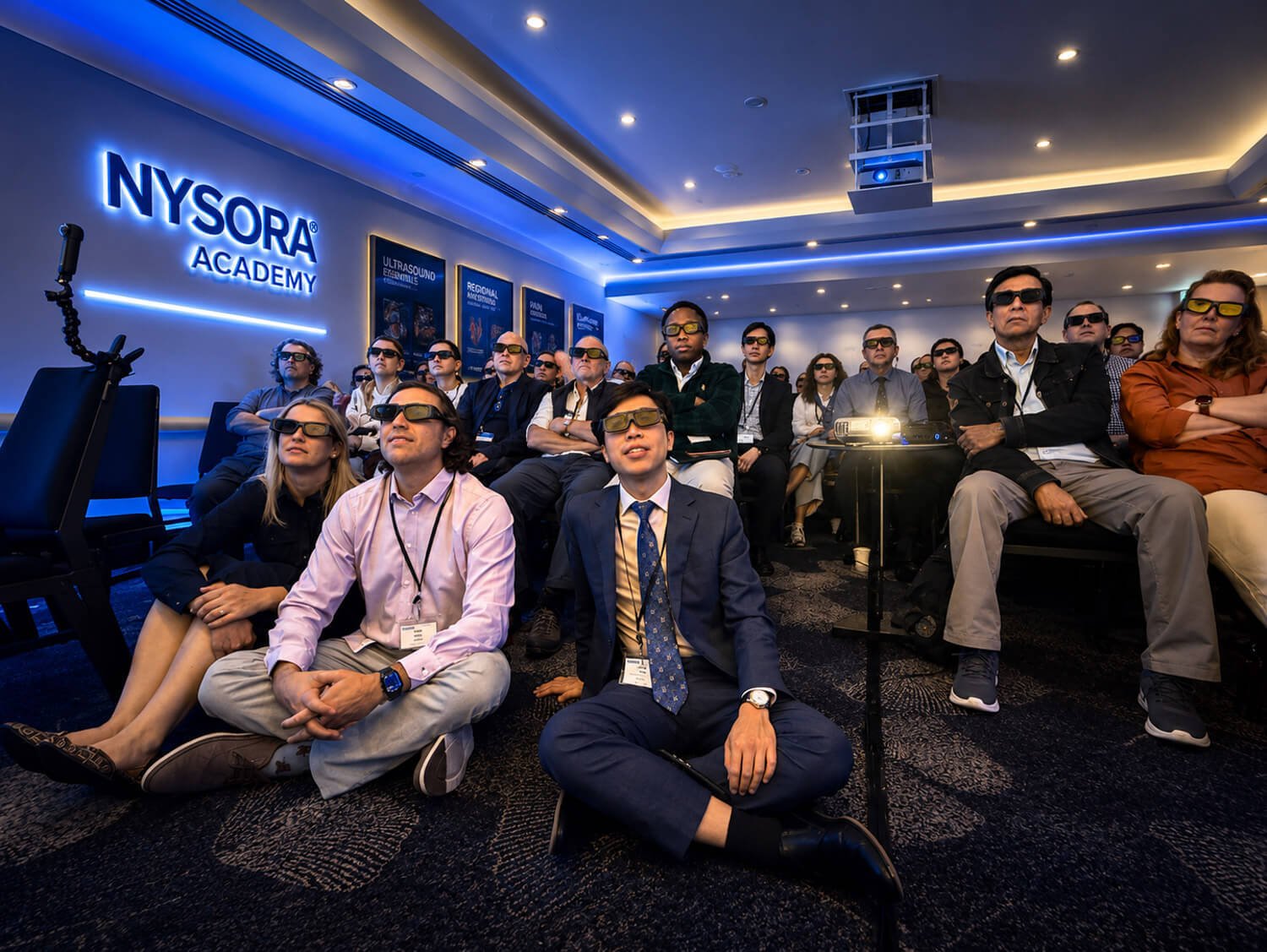
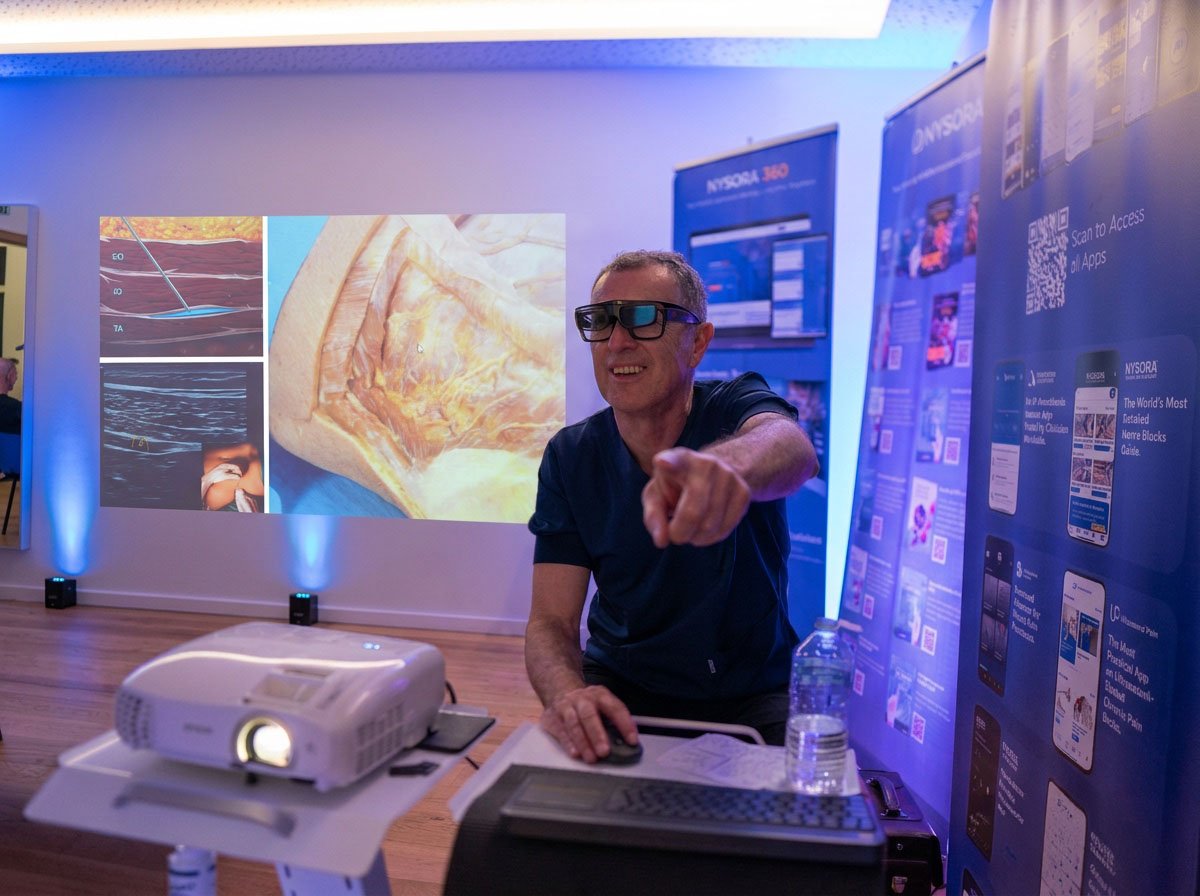
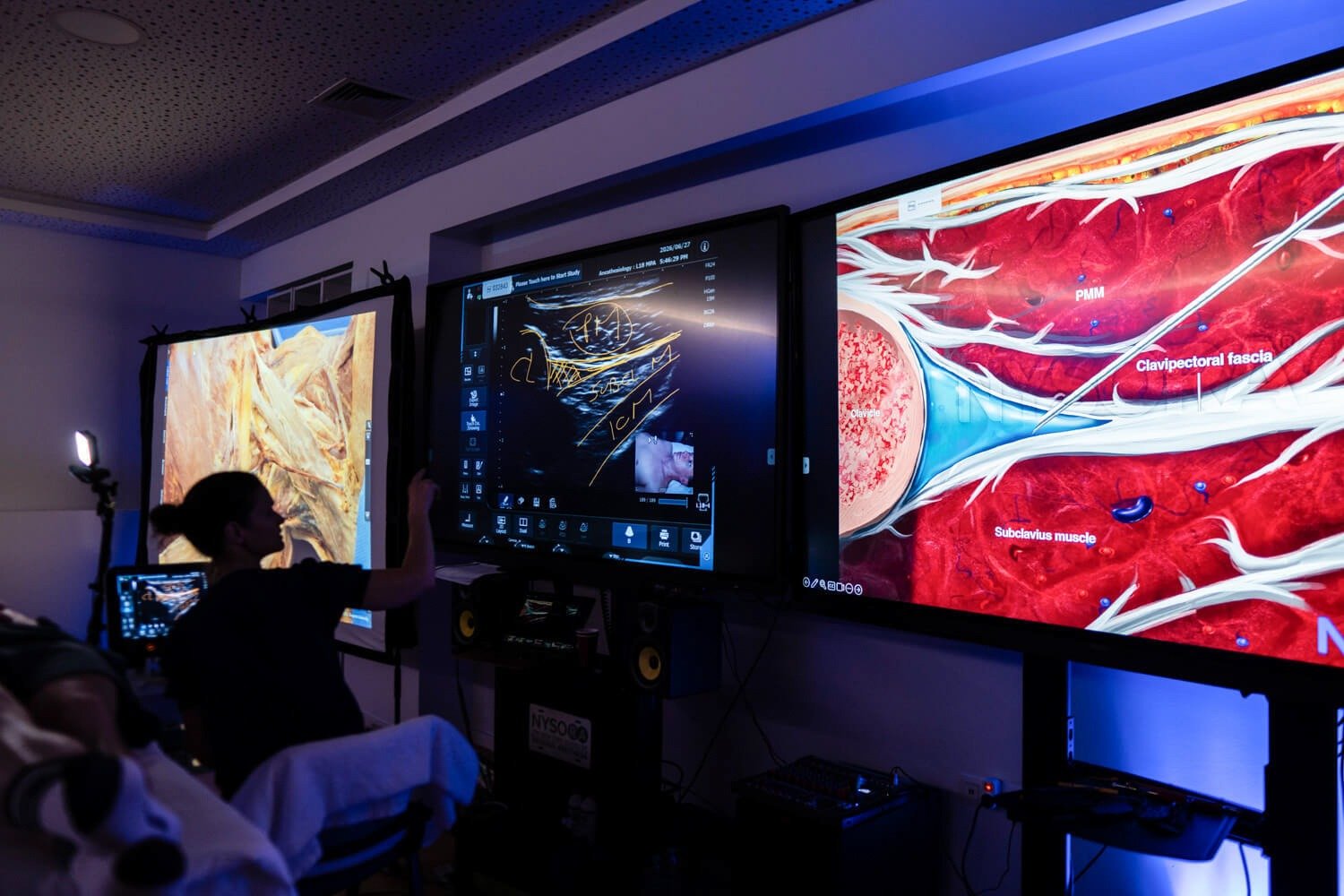
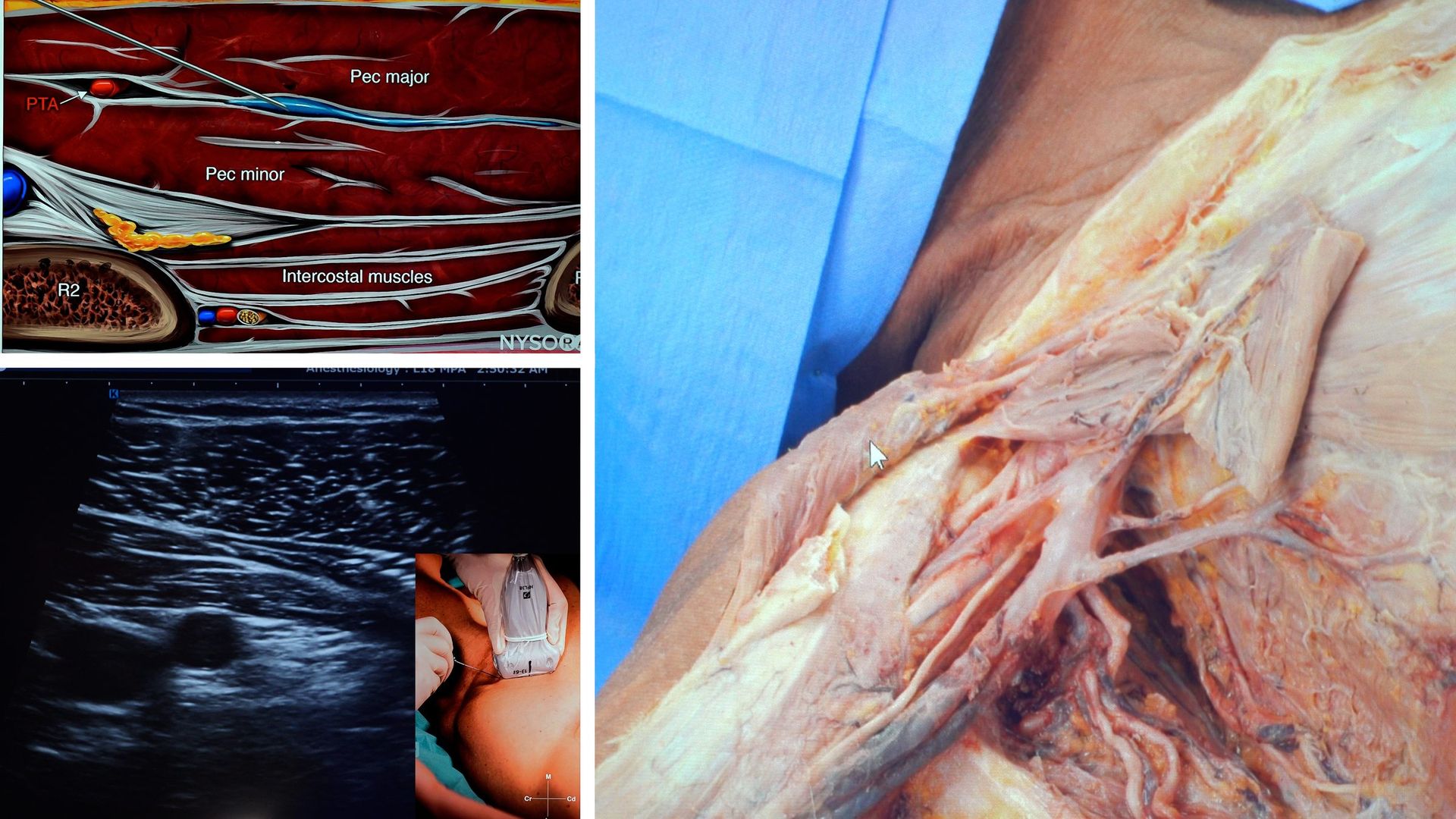
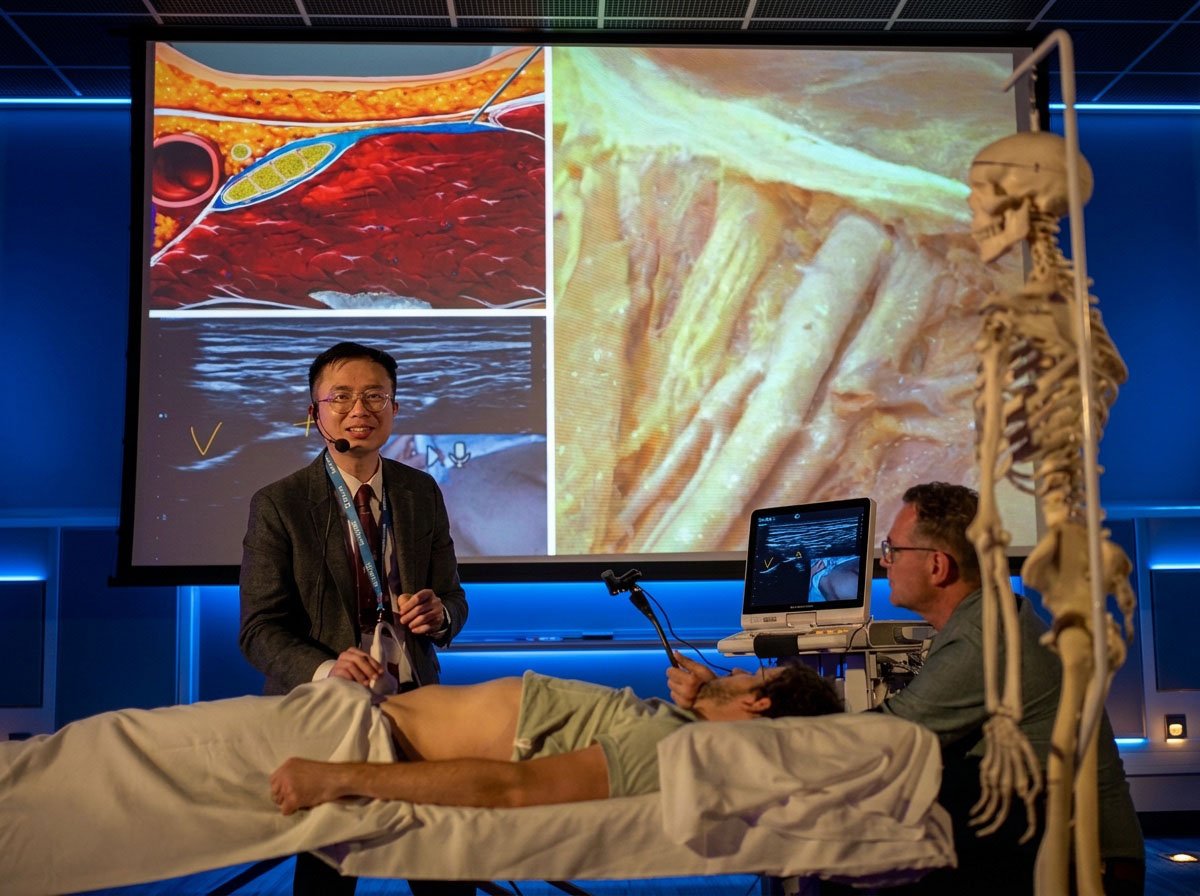
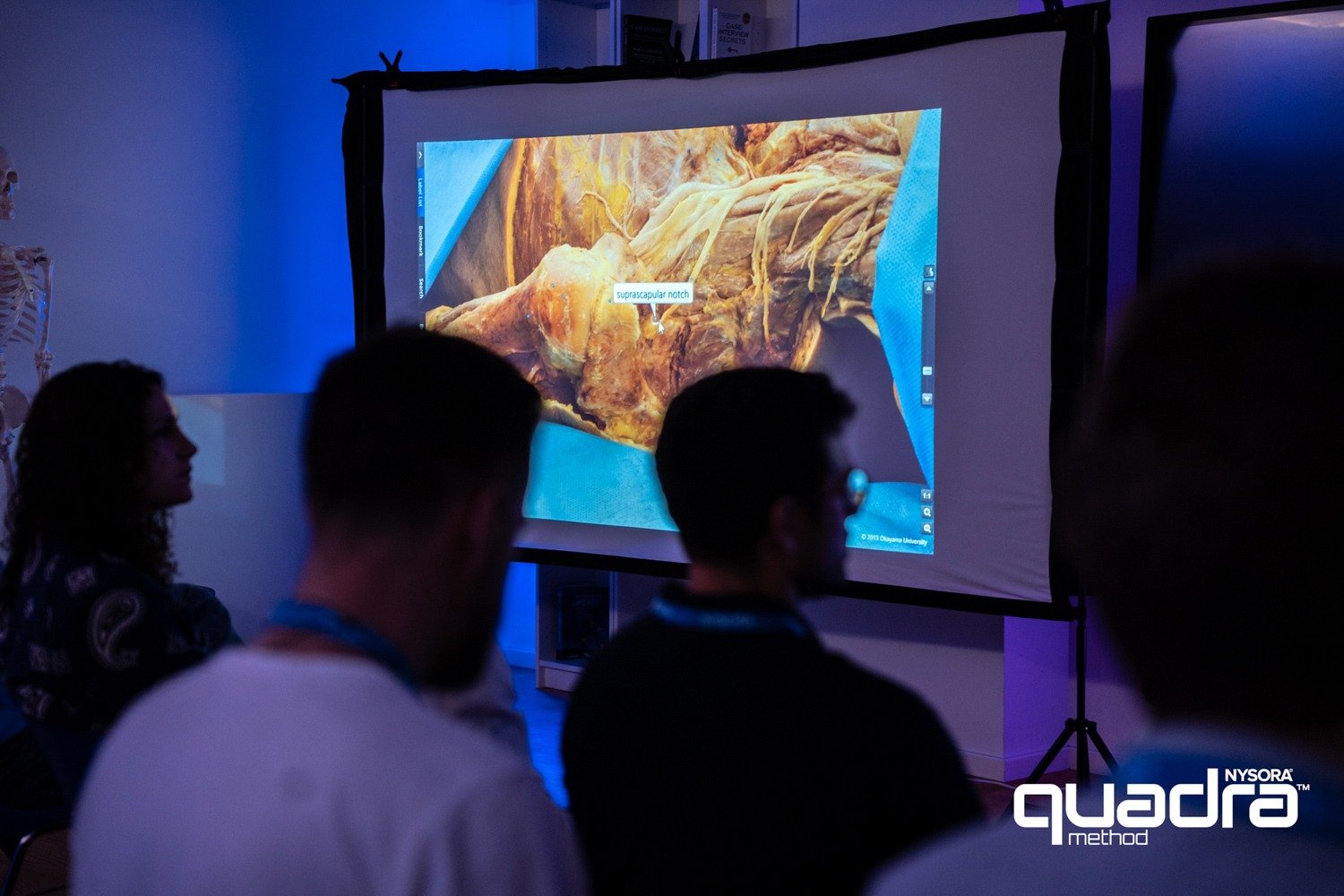
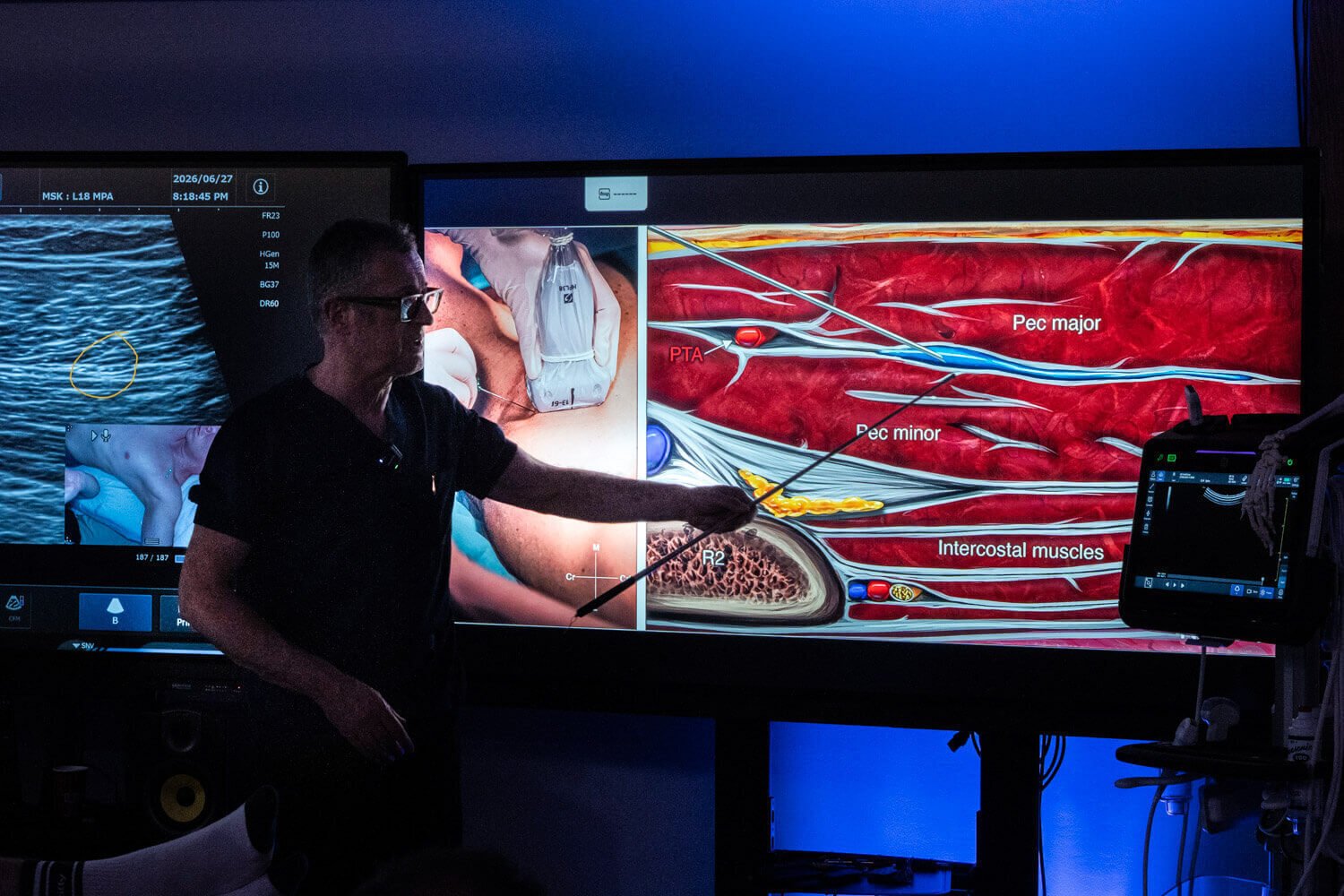
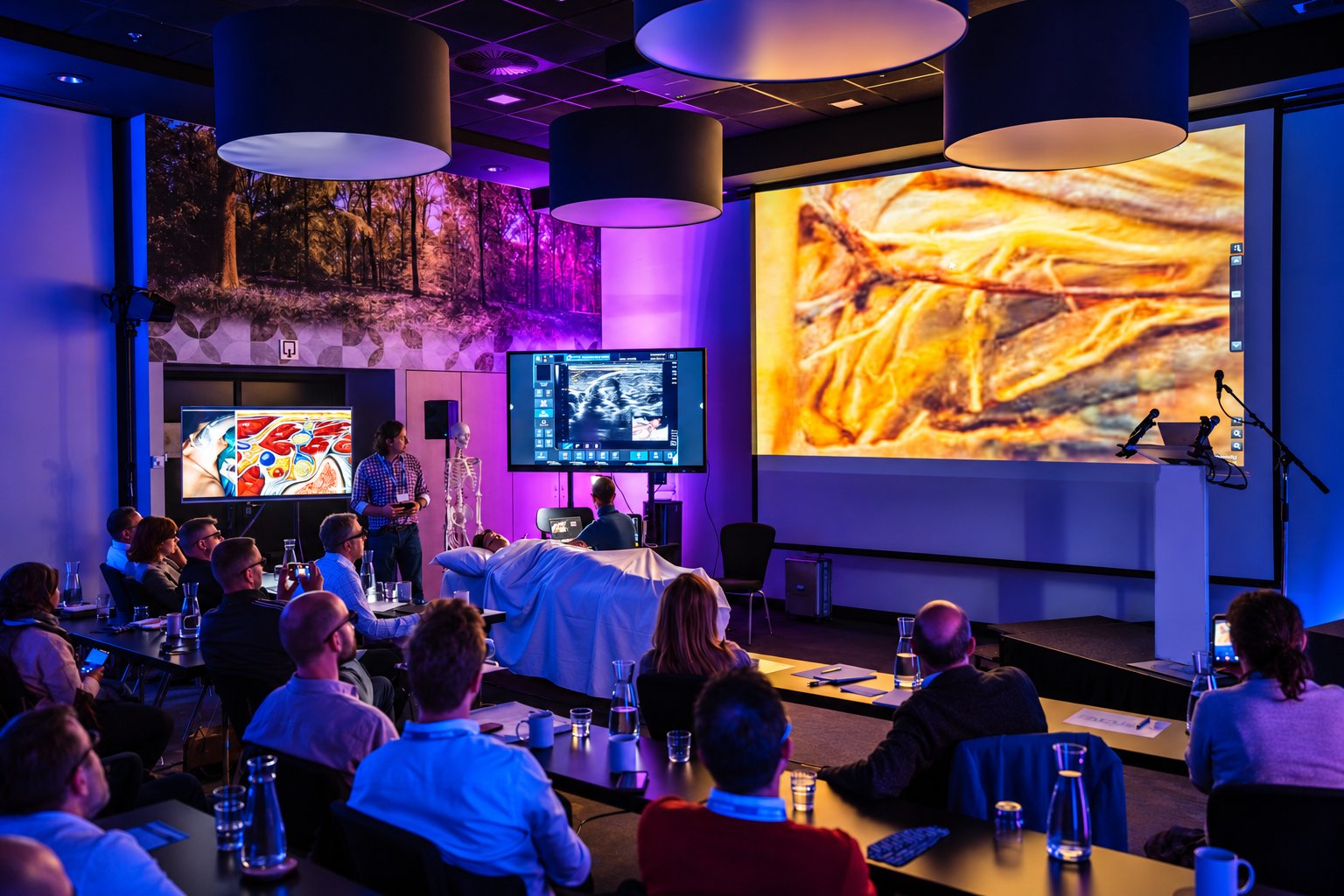
See anatomy, real-time ultrasound, probe movement, and local-anesthetic spread presented together during live demonstrations.

 VetRA App

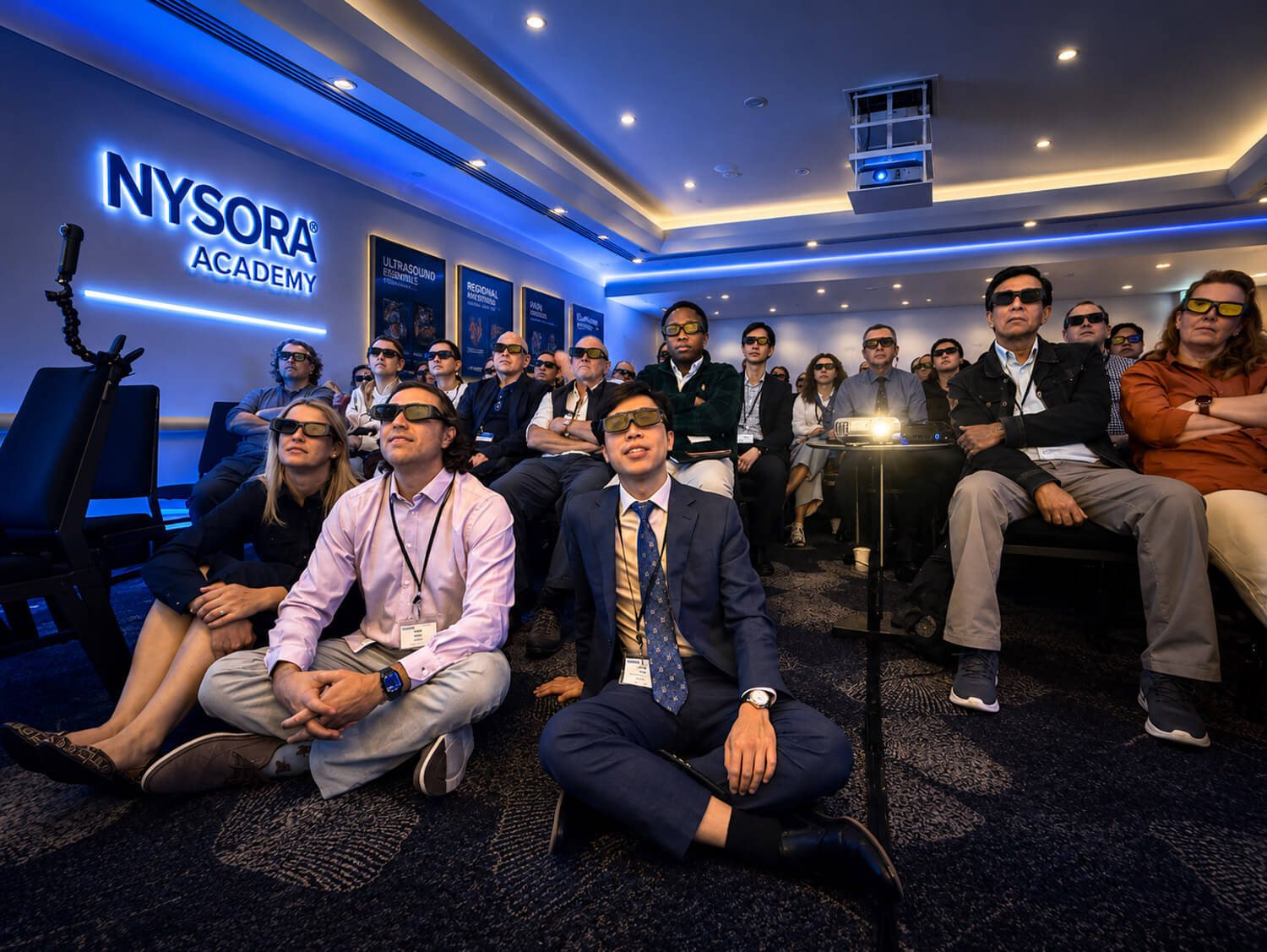
Two days focused on regional anesthesia, ultrasound anatomy, block selection, procedural planning, and perioperative analgesia – a practical regional anesthesia training program built around real clinical decisions.
Review high-yield upper-extremity, truncal, hip, knee, foot, and ankle techniques, see QUADRA™ live demonstrations, and work through practical decisions on which block to choose, when, and why.
 May 15-16, 2027
 Sydney, Australia
The program connects current anesthesia evidence with procedural decisions, ultrasound interpretation, perioperative management, and live clinical demonstration.
See anatomy, real-time ultrasound, probe movement, and local-anesthetic spread presented together during live demonstrations.
Compare approaches for the same surgical region and understand when one block may be preferable to another.
Move from shoulder and brachial plexus techniques to hip, knee, foot, and ankle pathways across two focused days.
Review PECS, serratus anterior plane, TAP, and quadratus lumborum approaches and how they fit different surgical indications.
Connect joint anatomy with surgical analgesia and chronic pain pathways, including radiofrequency and cryoneurolysis.
Case discussions and clinical algorithms focus on block selection, common mistakes, troubleshooting, safety, and procedural efficiency.
The program focuses on the clinical questions that arise before, during, and after a regional anesthesia procedure.
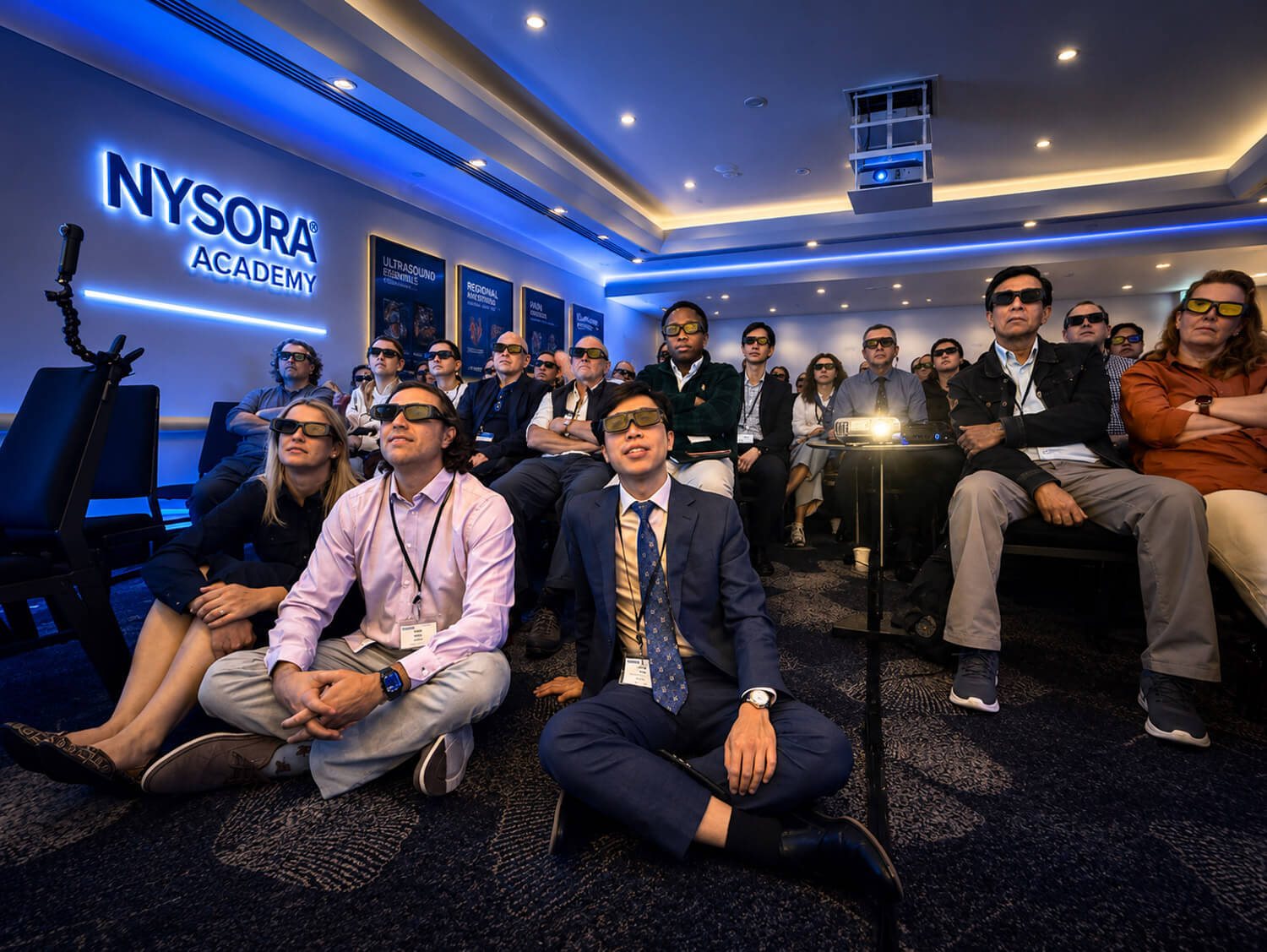
Registration includes access to the complete two-day scientific and practical program.
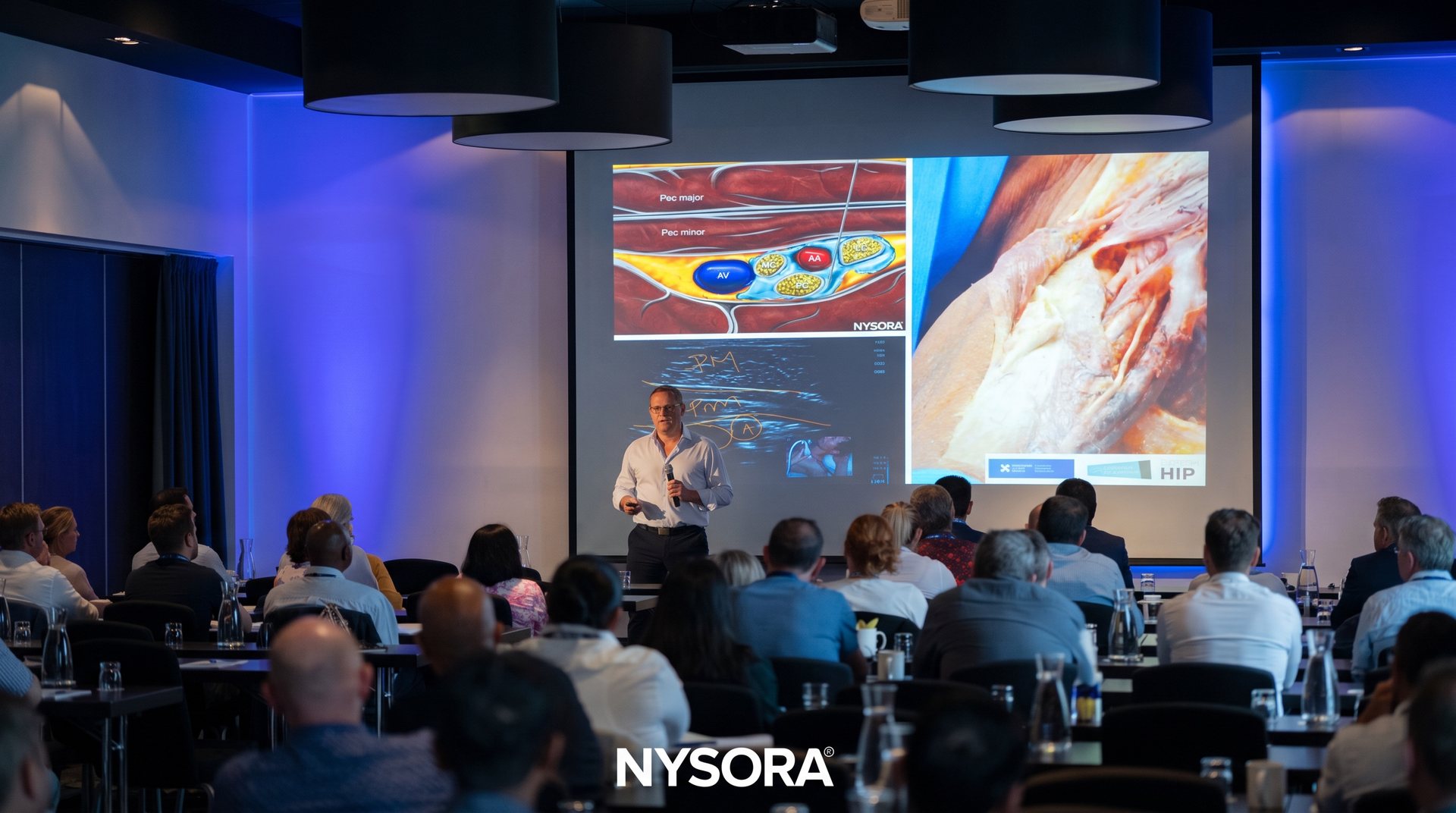
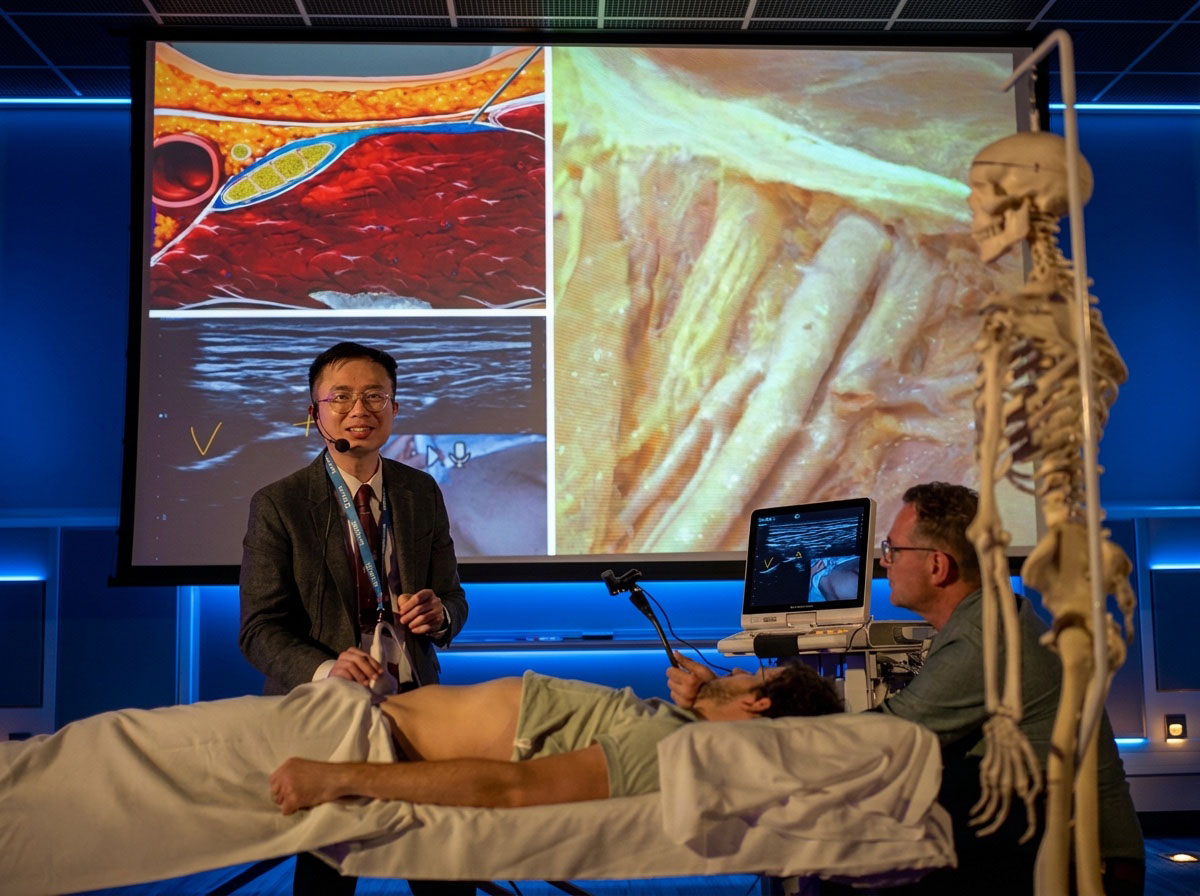
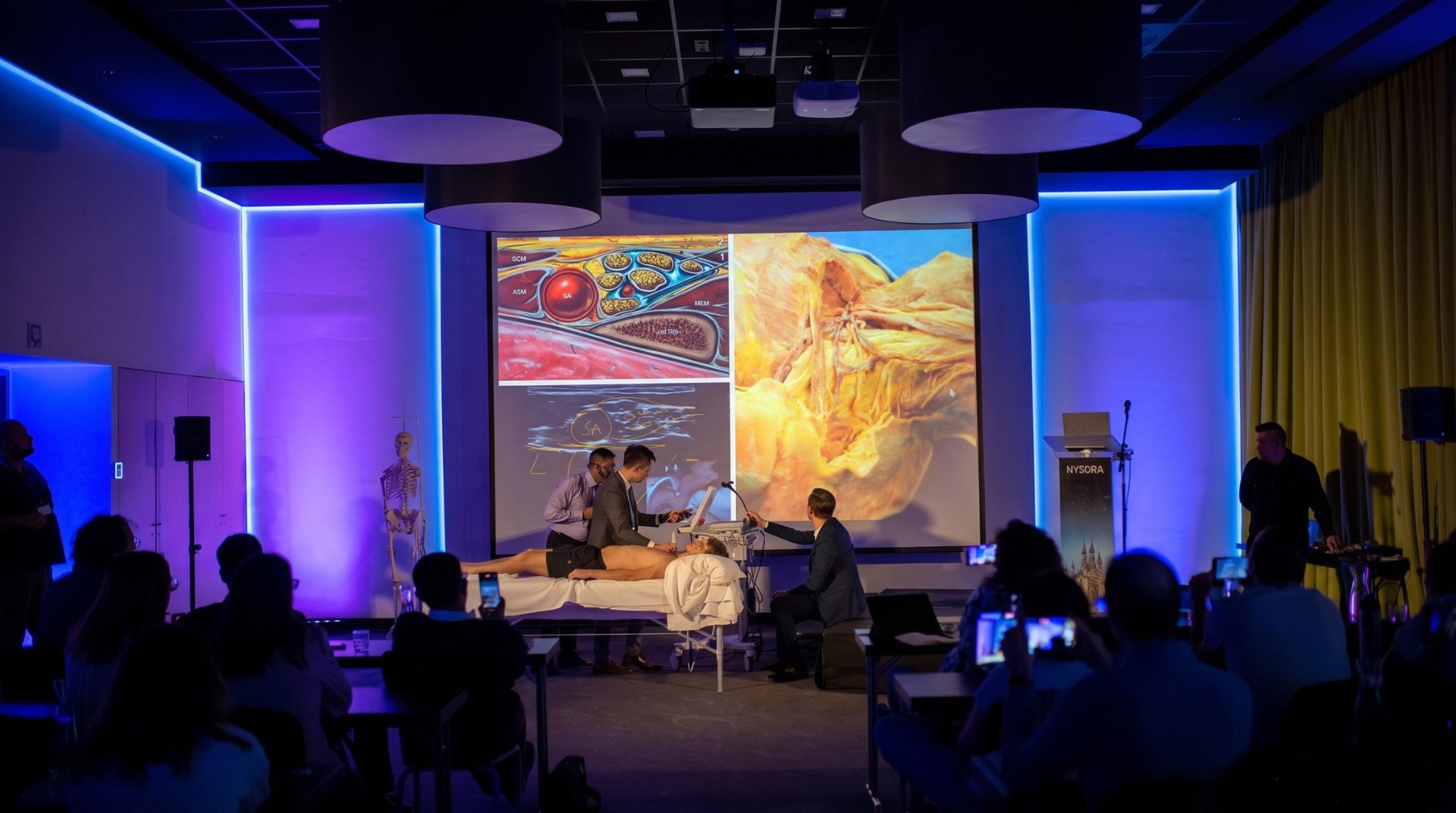
QUADRA™ allows attendees to see how anatomy, ultrasound imaging, probe movement, and procedural planning relate during the same demonstration.
Early Bird rate

Morning Session
09:30 - 12:45
Afternoon Session
12:45 - 17:00
Morning Session
09:00 - 13:00
Early Bird rate
Expertise

Admir Hadzic
MD, PhD.
Director – NYSORA, Anesthesiologist, Professor of Anesthesiology, Department of Anesthesiology, ZOL, Genk, Belgium

Hawn Trinh
MBBS GradCertClinEd FANZCA
Member of the Acute Pain Service at Prince of Wales Hospital in Sydney, Australia
Conjoint Lecturer at The University of New South Wales (UNSW)

Sheraton Grand Sydney Hyde Park
We have secured a special accommodation rate at the Sheraton Grand Sydney Hyde Park exclusively for delegates attending this conference. The discounted room rate is AUD 330 per room, per night (including taxes) and is based on up to two people sharing.
This special rate is available for stays of up to three nights from Friday, 14 May. Subject to availability, the same rate may also be extended for up to two nights before and two nights after the conference, allowing you to make the most of your time in Sydney.
If you require a longer stay, please contact us at [email protected] and we will be happy to assist with your accommodation arrangements. Book your group rate for NYSORA Event May 2027

Early bird discounted rate US$995, standard rate within 2 month of course US$1195. Registration fee includes conference attendance, conference materials, and refreshment breaks. Please note that accommodation is not included in the registration price and can be booked below.
US$995
Price Early Bird rate
An application has been made to the UEMS EACCME® for CME accreditation of this event.
What is a CME activity? A Continuing Medical Education(CME) activity serves to maintain, develop, or increase the knowledge, skills, and professional performance and relationships that a physician uses to provide services for patients, the public, or the profession.
Why do physicians need continuing medical education (CME) credit? Physicians use CME credit to demonstrate that they have participated in educational activities and obtained CME credit to document meeting the requirements of state medical boards, medical specialty societies, specialty boards, hospital medical staffs, the Joint Commission, insurance groups, and others.
Who accredits the Course? Accreditation by the EACCME means that the CME/CPD activity provided is of high scientific value, is free of commercial bias and promotes active adult learning. This is of paramount importance to doctors who need to report to their National Accreditation Authority on their CME/CPD activity over a certain period of time, and this even more now that many national systems are (becoming) mandatory and not voluntary. By attending an EACCME accredited event, they will be able to obtain European CME credits (ECMEC) which are recognised not only in a majority of European countries (with which the EACCME has signed agreements), but also in the USA and Canada. By handing in their EACCME certificate to their National Accreditation Authority, their credits will automatically be recognised and converted into national credits.
What documentation does a physician receive for participating in a certified CME activity provided by an accredited CME provider? A CME certificate will be issued and can be used to prove attendance.
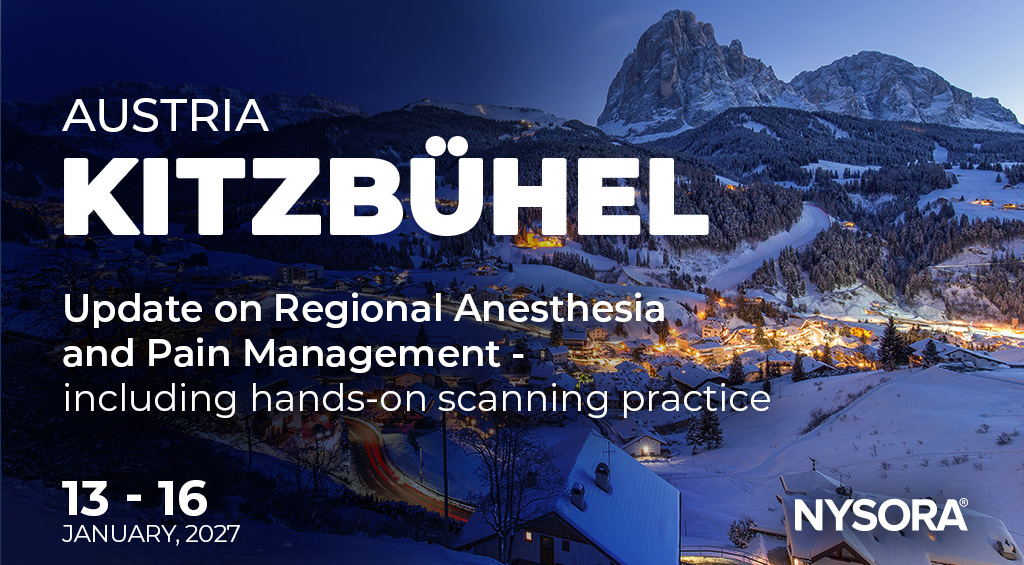
Update on Regional Anesthesia and Pain Management
 Kitzbühel, Austria
  Jan 13
Anesthesia Review Conference
Val D’Isere, France
Feb 08 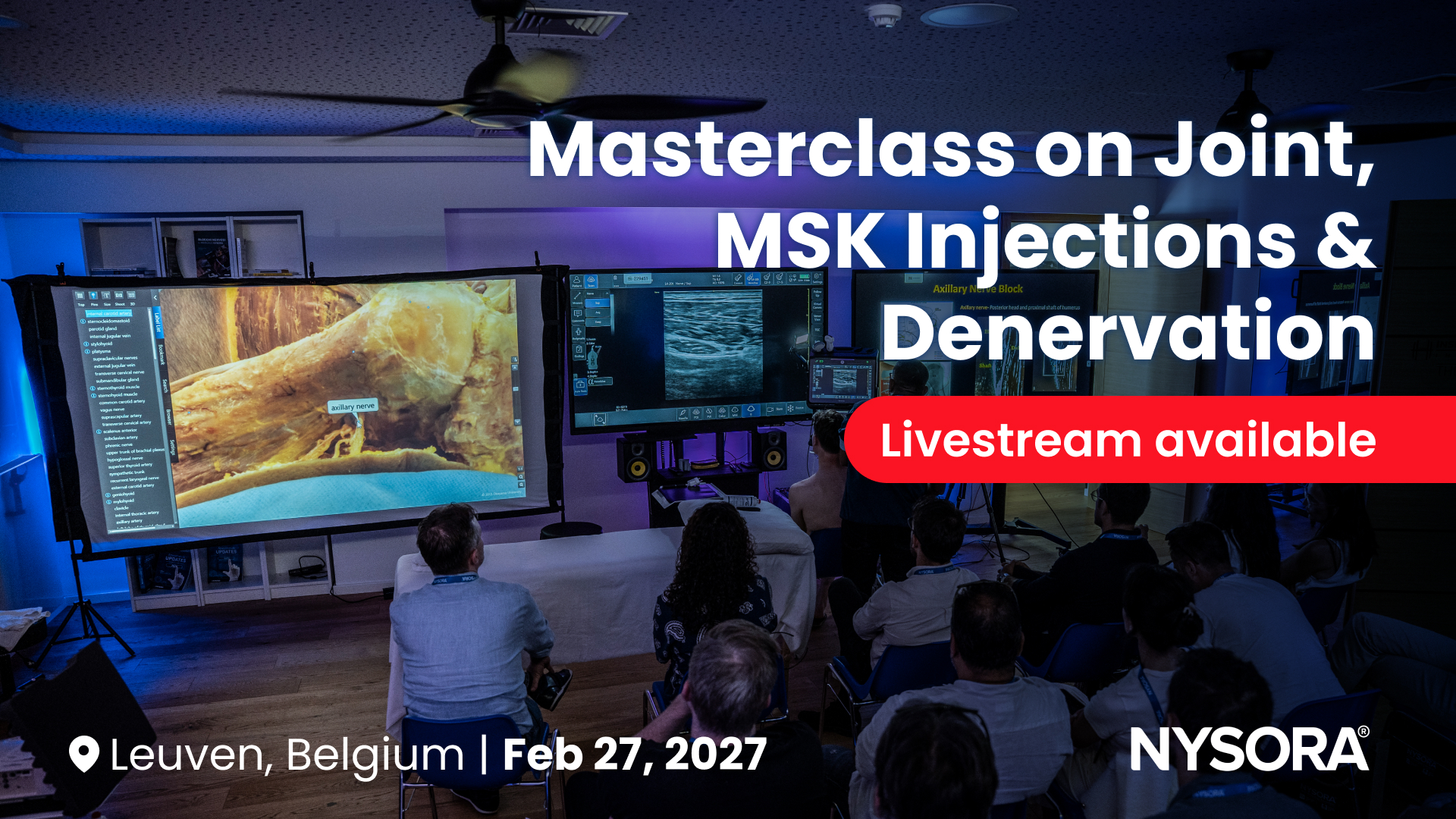
Masterclass: Ultrasound-Guided Joint Interventions & Denervation
Leuven, Belgium
Feb 27 
Regional Anesthesia Conference
Singapore, Singapore
May 08 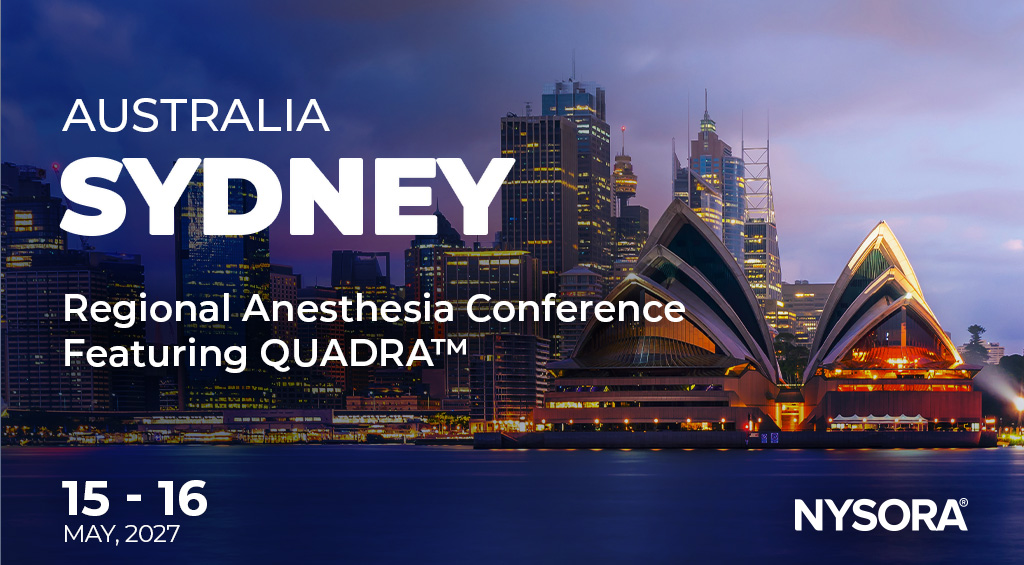
Regional Anesthesia Conference
Sydney, Australia
May 15 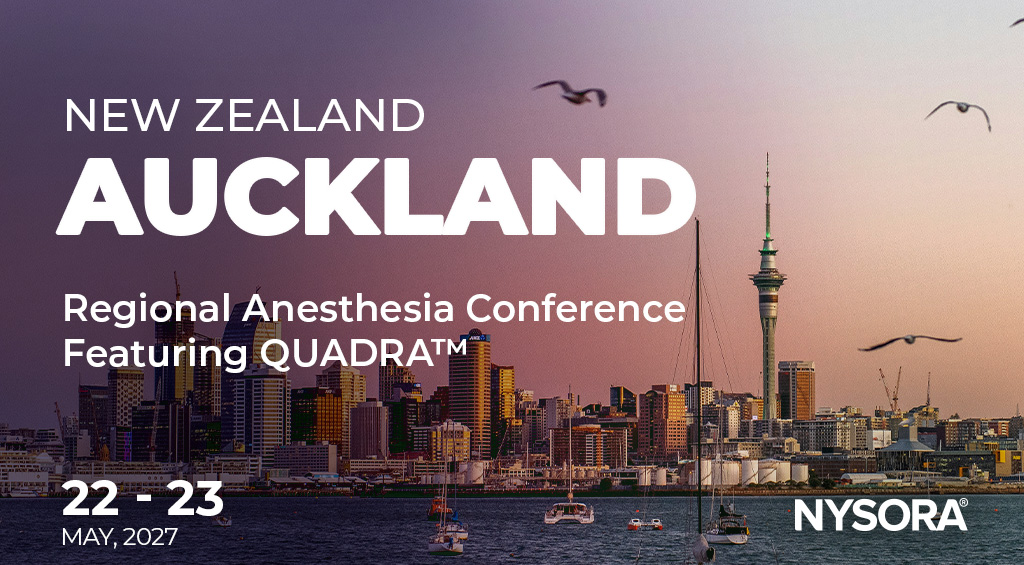
Regional Anesthesia Conference
Auckland, New Zealand
May 22 
Regional Anesthesia Summit 2027
Leuven, Belgium
Jun 12 "One of the most practical conferences I've attended. The speakers focused on real clinical challenges and shared techniques that can immediately improve patient outcomes."
"Excellent faculty, outstanding organisation, and highly relevant content. Every lecture offered practical insights that I could take straight back to my operating theatre."
"The interactive format encouraged discussion throughout the meeting. Learning directly from world-leading experts made this an exceptionally worthwhile educational experience."
“There was a strong focus on why you choose a particular block, not just how to perform it. Those discussions around block selection and alternatives were probably the most valuable part of the conference for me.”
“The speakers were very open about how they approach difficult cases. It made the sessions much more relevant than simply reviewing standard techniques.”
“I appreciated seeing anatomy, ultrasound, and clinical decision-making taught together. That is much closer to how we actually think during a case.”
“The practical demonstrations helped clarify several techniques I had read about but had not yet incorporated into my practice.”
“I came away with a better framework for choosing between blocks rather than automatically reaching for the technique I use most often.”
This conference is suitable for anesthesiology professionals including consultants, trainees, CRNAs, anesthesia nurses, and perioperative team members, as well as educators and researchers focused on improving anesthesia knowledge and patient outcomes.
The early bird discount is US$995. Registration must be made prior to March 15th, 2027.
Please check your spam or junk folder first. If the confirmation still hasn’t arrived, reach out to us at [email protected] and our team will be happy to help.
All cancellations have to be either made using the view or modify link on the bottom of your confirmation email, or in writing to [email protected]. Cancellation terms:
All registered participants will receive an email with access details for their complimentary 3-month app subscription.
The group access email is sent approximately one month before the event and includes everything you need to log in and start exploring the course materials.
If you do not receive this email or experience any login issues, please contact us for assistance.
If we ever need to cancel a course, we will let you know as early as possible. You will be able to choose between a full refund of your registration fee or a transfer to another NYSORA program. In addition we would offer an extension of your complimentary subscription. Please note that we cannot reimburse travel or accommodation costs, so we strongly recommend considering travel insurance to protect any non-refundable expenses.
Every now and then, we may need to update the schedule or faculty lineup. Any adjustments will always be reflected on the agenda page of our website. It’s a good idea to check in from time to time to stay up to date with the latest details.
Email us at [email protected] with the subject line “Assistance with [event name]” and include a few details about what you need. One of our team will get back to you as quickly as possible.
As in past events, a professional photographer/videographer may take photos and/or videos of participants at the event programs.
 Download PDF Agenda