
- Learn
-
Apps
View all apps
Veterinary
 VetRA App

- Books
- Events
- News
- Partners
- About
- For Clinicians
 VetRA App

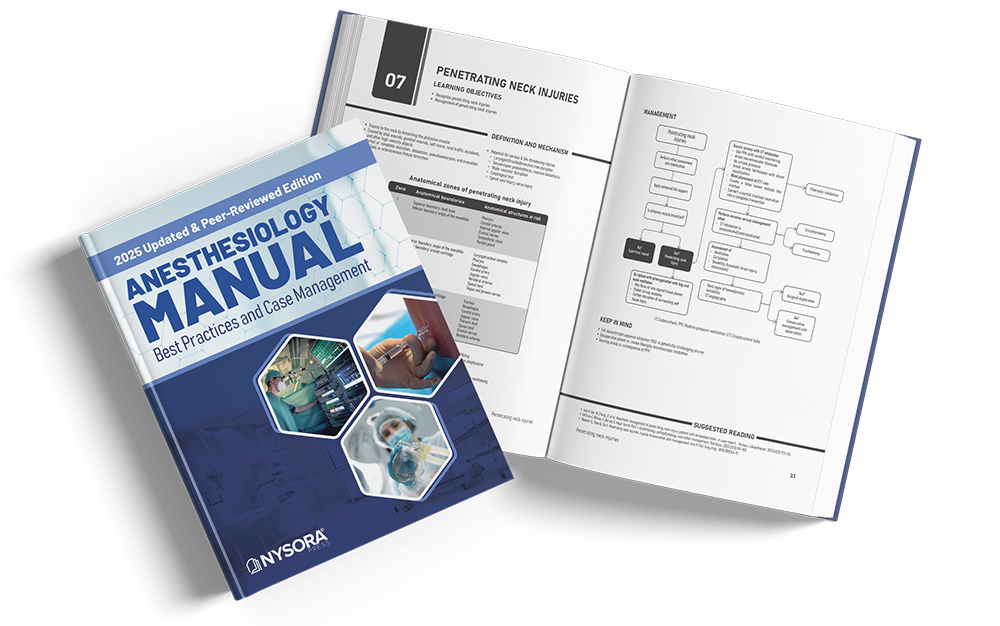
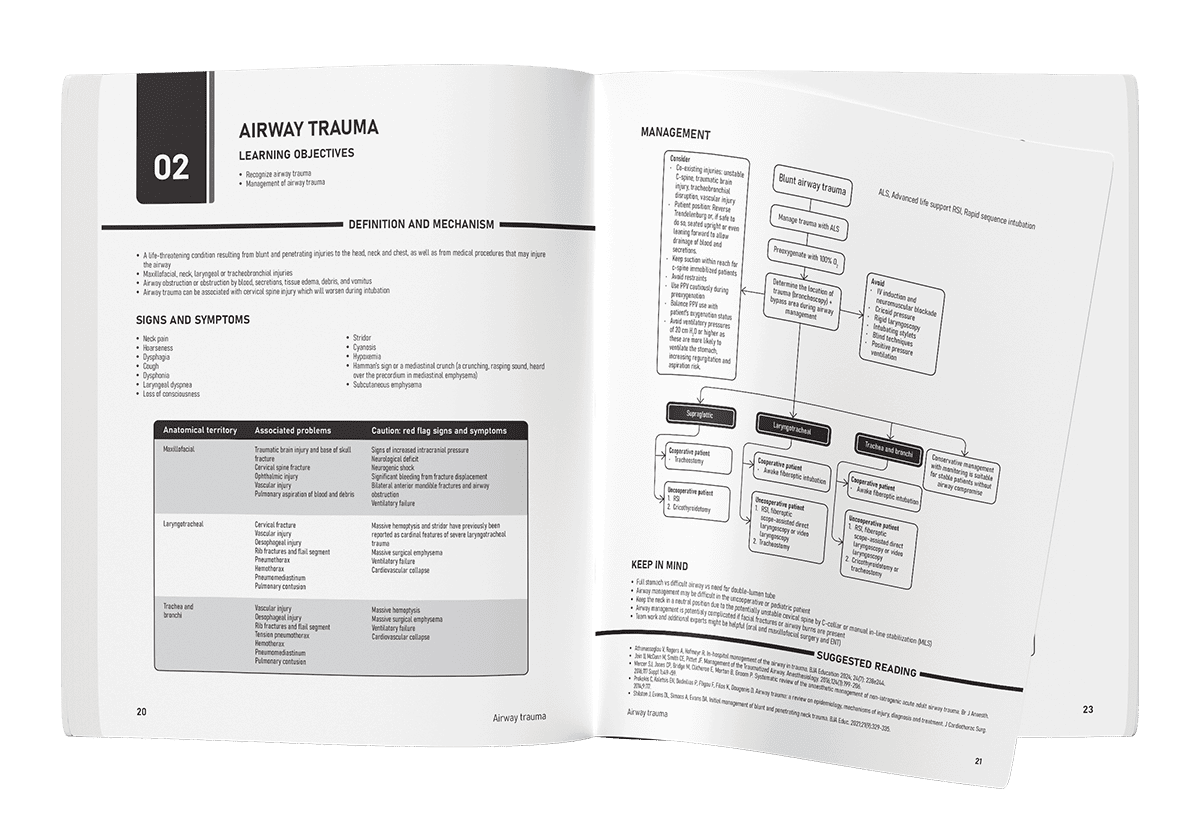
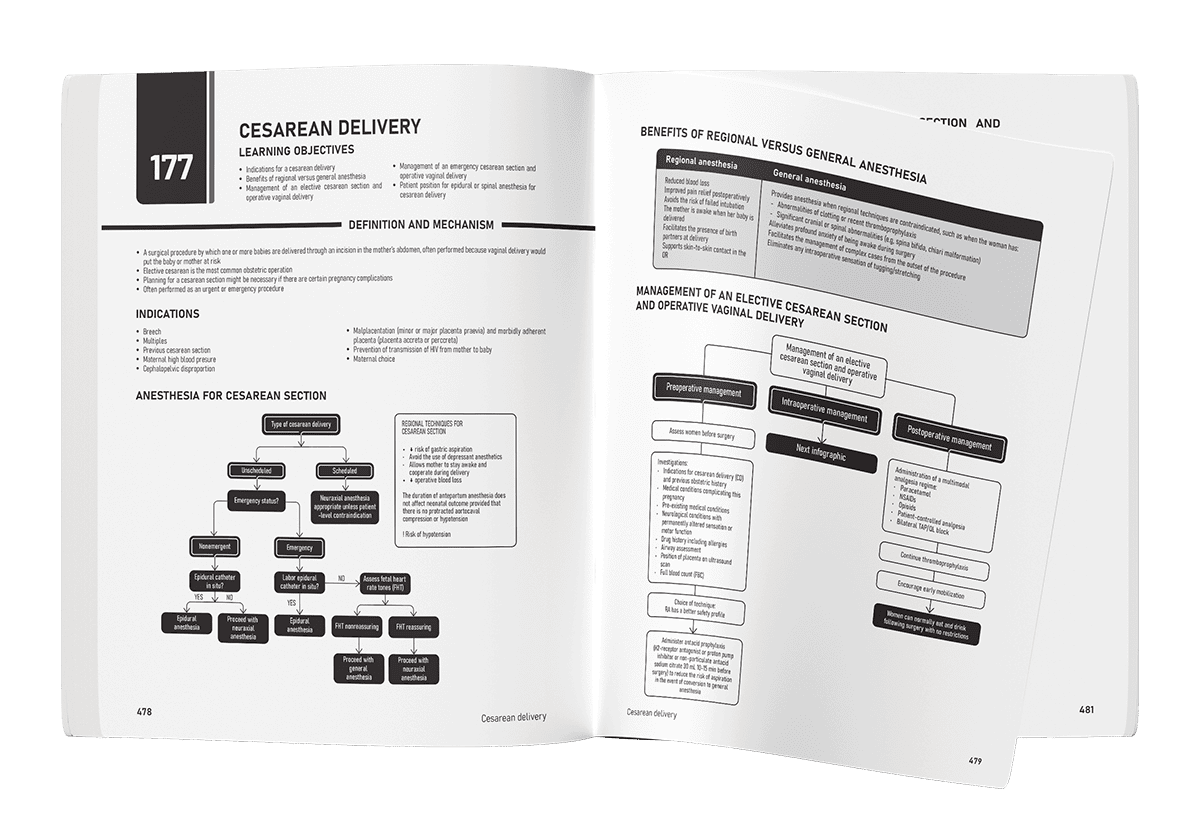
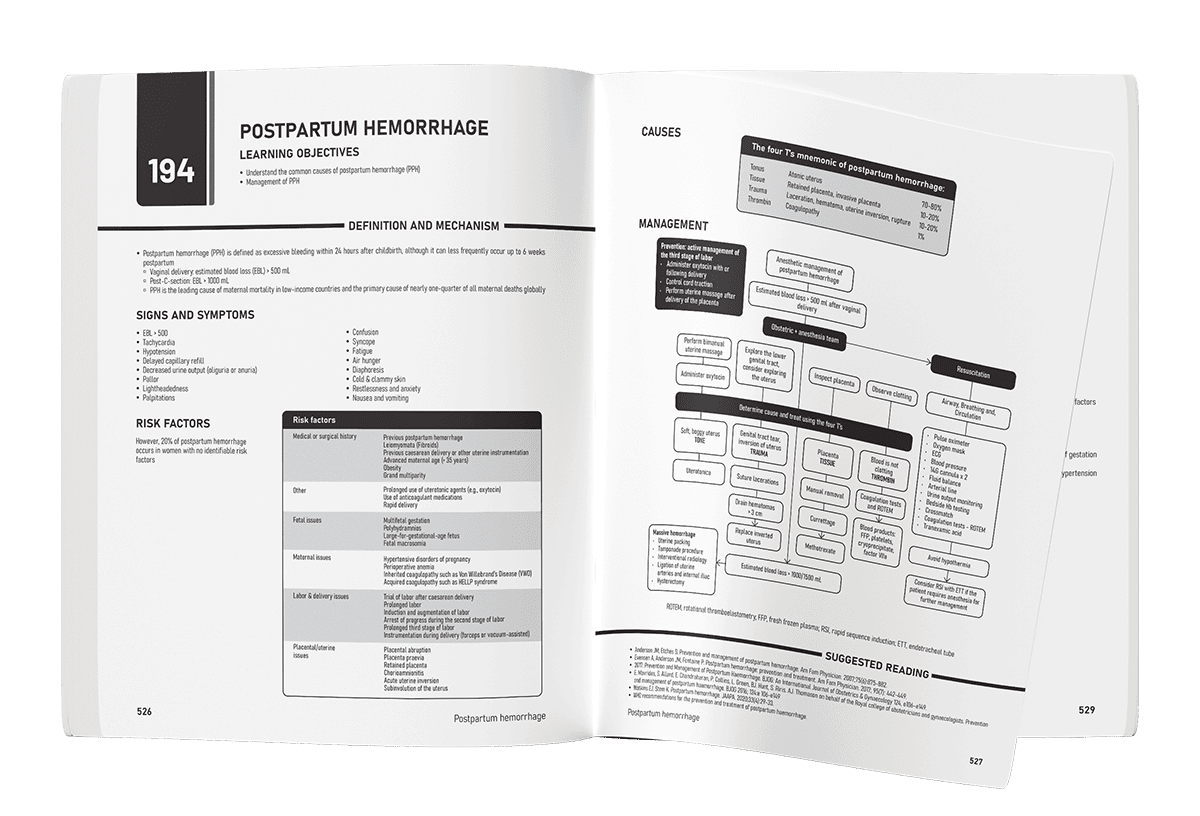
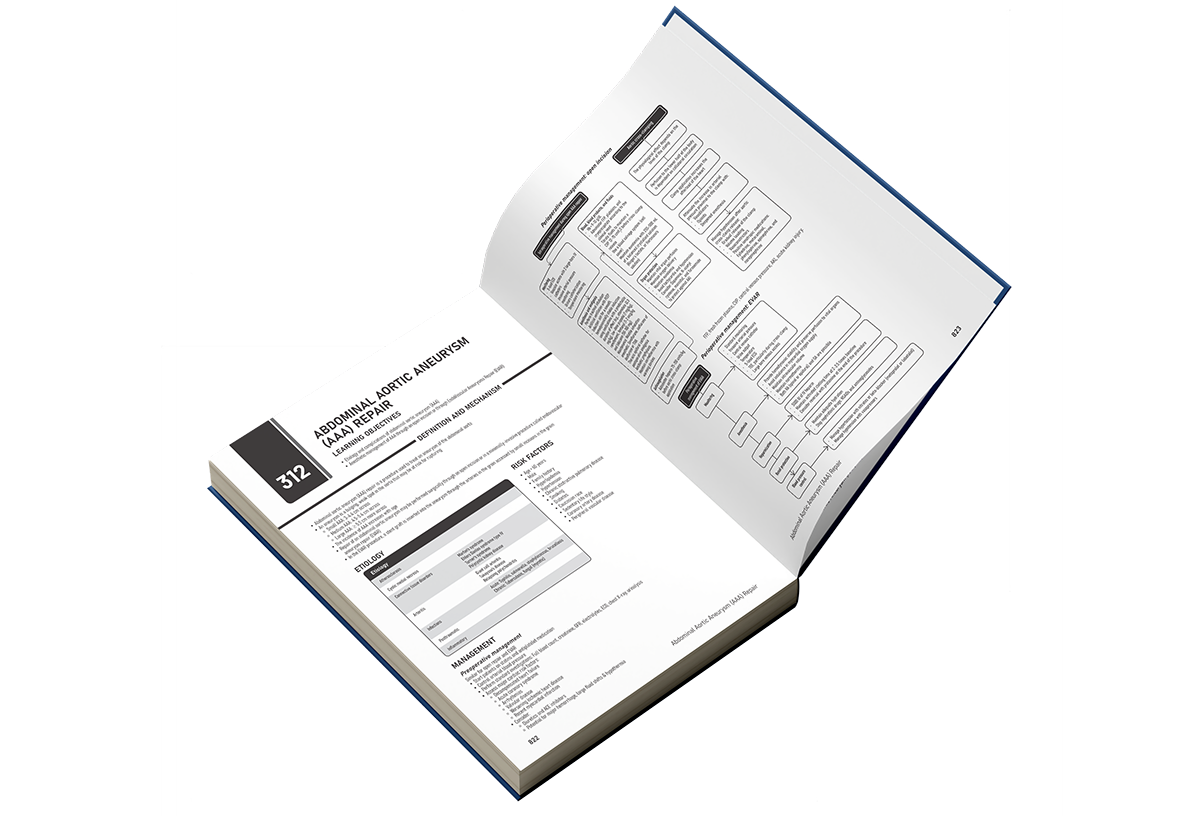
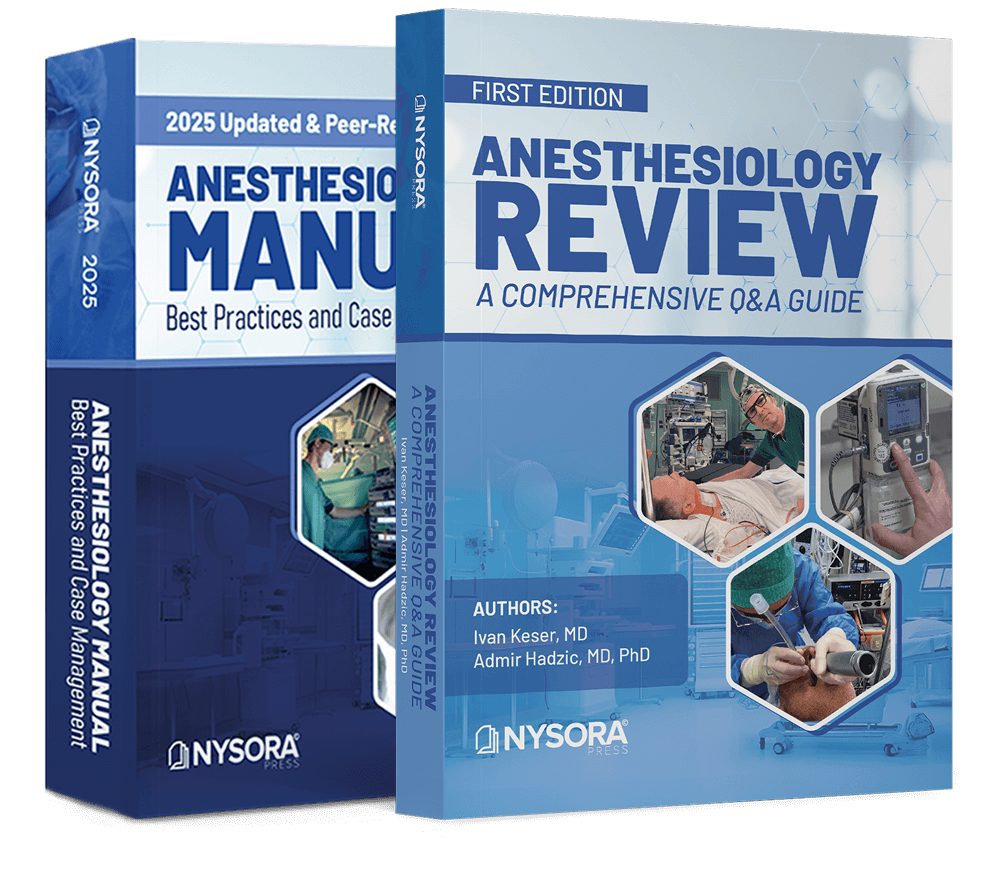
This manual is the most up-to-date resource on best clinical practices and practical case management in anesthesiology. It is an essential guide for students, residents, and experienced practitioners to confidently manage complex clinical scenarios.




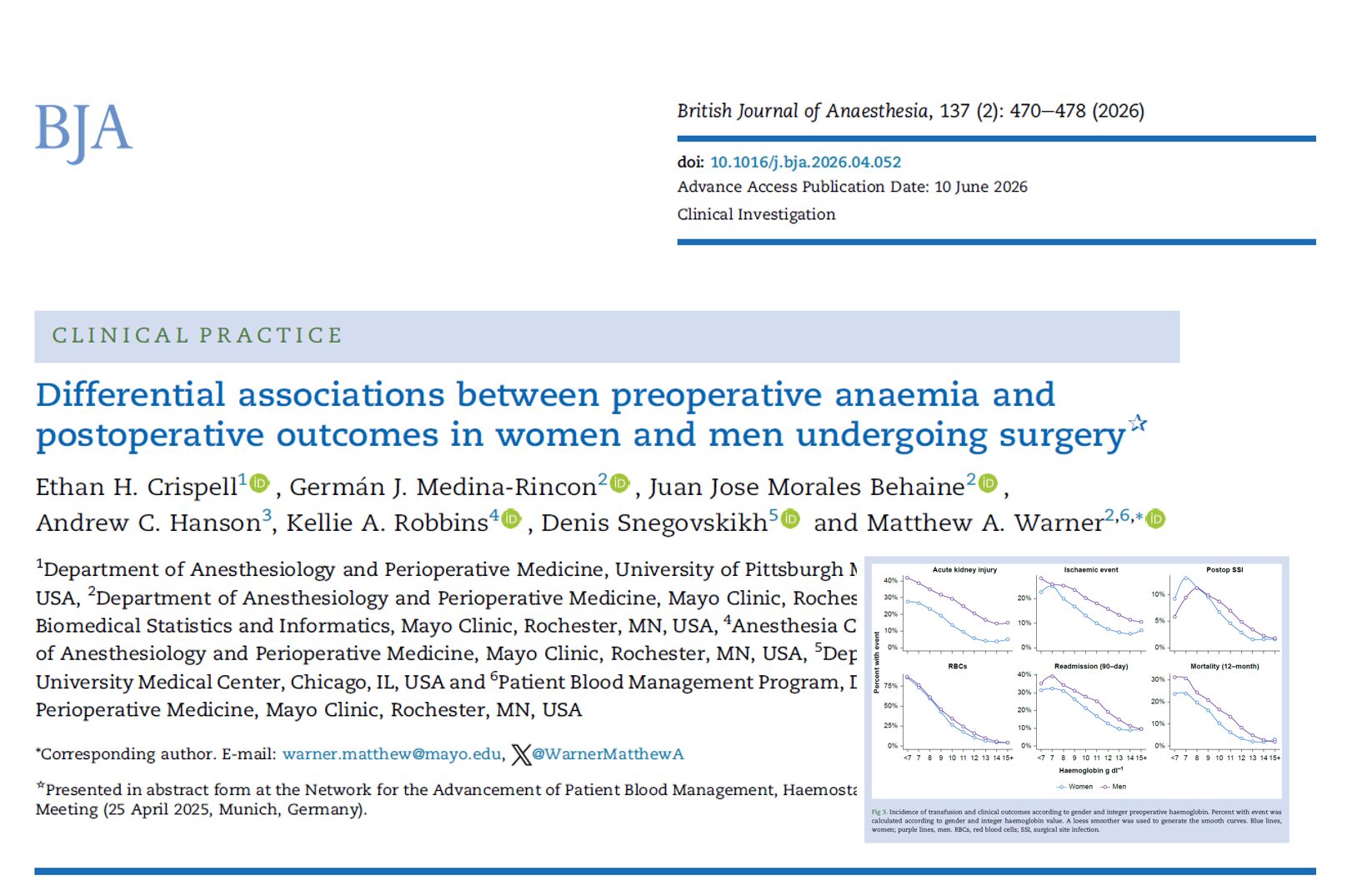
A large observational study published in the British Journal of Anaesthesia suggests that the relationship between preoperative anemia and several important postoperative complications differs between women and men. Analysing more than 228,000 surgical procedures, Crispell and colleagues found that worsening preoperative anemia was associated with poorer postoperative outcomes in both groups. However, the associations with acute kidney injury (AKI), ischemic events and surgical site infection (SSI) were substantially stronger in women. The findings add to the growing evidence supporting systematic detection and management of anemia before major surgery. They also raise an important question for perioperative clinicians: should women and men really be assessed using different hemoglobin thresholds when preparing for surgery? More than 228,000 surgical procedures analysed The retrospective observational cohort study included adults undergoing surgery at a large US academic medical centre between August 2012 and July 2022. Patients were eligible if their procedure required postoperative hospital admission and a hemoglobin measurement was available within 90 days before surgery. In total, the analysis included 228,341 procedures, of which 112,850 (49.4%) were in women and 115,491 (50.6%) in men. Preoperative anemia was common: 31.1% of the overall cohort had preoperative anemia 30.8% of women were anemic 31.4% of men were anemic 13.2% of patients developed postoperative AKI The investigators initially defined anemia according to sex-specific hemoglobin thresholds: < 12 g dl⁻¹ for women and < 13 g dl⁻¹ for men. Anemia severity was categorised as: No anemia: ≥ 12 g dl⁻¹ in women or ≥ 13 g dl⁻¹ in men Mild anemia: ≥ 11 g dl⁻¹ but below the respective sex-specific threshold Moderate anemia: 8–10.9 g dl⁻¹ Severe anemia: <8 g dl⁻¹ The primary outcome was postoperative AKI. Other outcomes included ischemic events, SSI, perioperative red blood cell (RBC) transfusion, postoperative length of stay, 90-day hospital readmission and 12-month […]
A large preplanned analysis of the PADDI trial provides reassuring evidence for anesthesiologists and surgeons managing patients with diabetes. Although a single 8 mg intraoperative dose of dexamethasone increased perioperative blood glucose levels, the study found no increase in surgical-site infections, additional insulin requirements, hypoglycemia, or hospital length of stay. Dexamethasone remains a cornerstone of perioperative care Dexamethasone is widely administered during surgery to prevent postoperative nausea and vomiting (PONV). Its effectiveness as an antiemetic has made it a routine component of anesthetic practice worldwide. However, because dexamethasone is a glucocorticoid, clinicians have long questioned whether its hyperglycemic effects could increase postoperative complications, particularly among patients with diabetes mellitus. The newly published preplanned analysis of the international Perioperative Administration of Dexamethasone and Infection (PADDI) trial addresses this important clinical concern using data from more than 1,100 surgical patients with diabetes. The findings suggest that while dexamethasone causes a measurable but temporary increase in blood glucose concentrations, this does not translate into worse clinical outcomes during the first postoperative month in appropriately selected patients. Study overview Researchers performed a preplanned analysis of diabetic participants enrolled in the PADDI randomized controlled trial. Study characteristics 1,130 patients with diabetes mellitus were included. Patients underwent elective or expedited non-cardiac, non-obstetric surgery. Participants received either: A single intravenous 8 mg dose of dexamethasone, or Placebo. Patients with poorly controlled diabetes (HbA1c > 9%) were excluded. Most participants (97%) had type 2 diabetes. Mean age was 65 years. Median diabetes duration was approximately eight years. The primary outcome was the maximum blood glucose concentration recorded during the first 24 hours after anesthesia induction. Researchers also evaluated: Surgical-site infections Insulin requirements Hypoglycemic events Hospital length of stay Blood glucose trends throughout the perioperative period Blood glucose increased after dexamethasone The principal finding confirmed that dexamethasone significantly increased […]


The Anesthesiology Manual is offers over 300 topics to guide clinicians through perioperative anesthetic management of diverse patients.
 Nerve Blocks App
 Anesthesia Assistant App
 Ultrasound Pain App
 Pain Medicine Assistant App
 POCUS App
 IV Access App
 MSK Knee App
 Nerve Block Manual
 Regional Anesthesia Updates
 Anesthesiology Manual
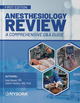 Anesthesiology Review
 Anesthesia Updates 2025
 Anesthesia Updates 2026
 Pediatric Anesthesia Updates
 Airway Management Updates
 US Interventional Pain Manual
 Pain Medicine Updates
 Mastering Difficult IV Access
 PACU Nursing Manual
 RA Veterinary Manual
 Books
Books About
About