
- Learn
-
Apps
View all apps
Veterinary
 VetRA App

- Books
- Events
- News
- Partners
- About
- For Clinicians
 VetRA App

Rapid bedside diagnosis app for the heart, lungs, abdomen, vascular access, and more. Master your emergency diagnostics skills on the go!


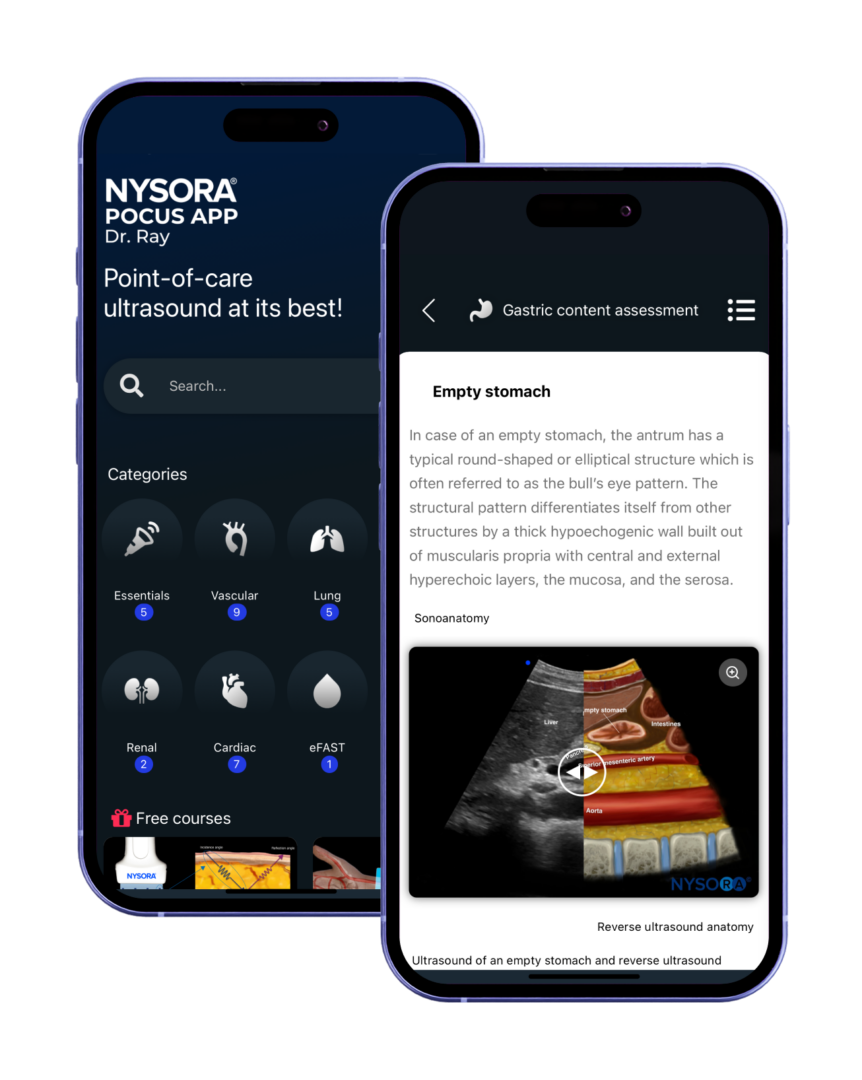
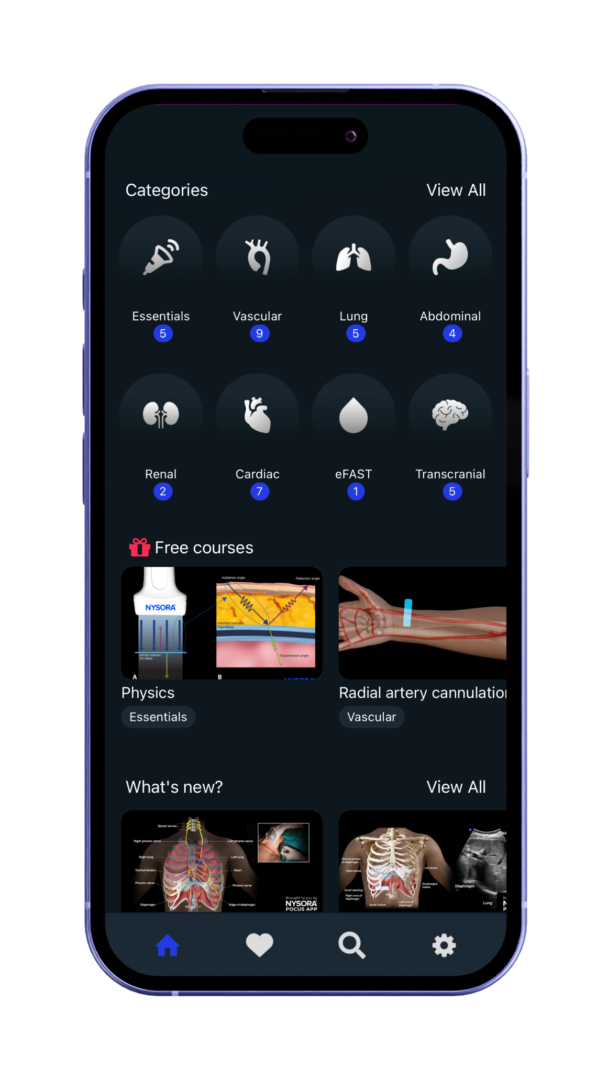
Vascular, lung, abdominal, and more.
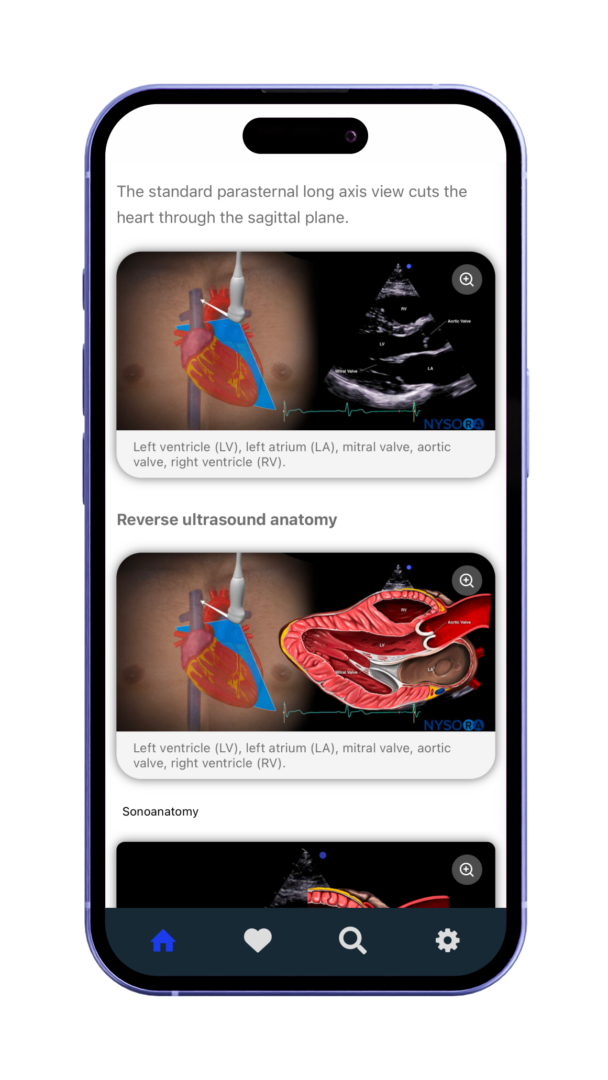
Reverse Ultrasound Anatomy illustrations make sonoanatomy easier to understand and apply.
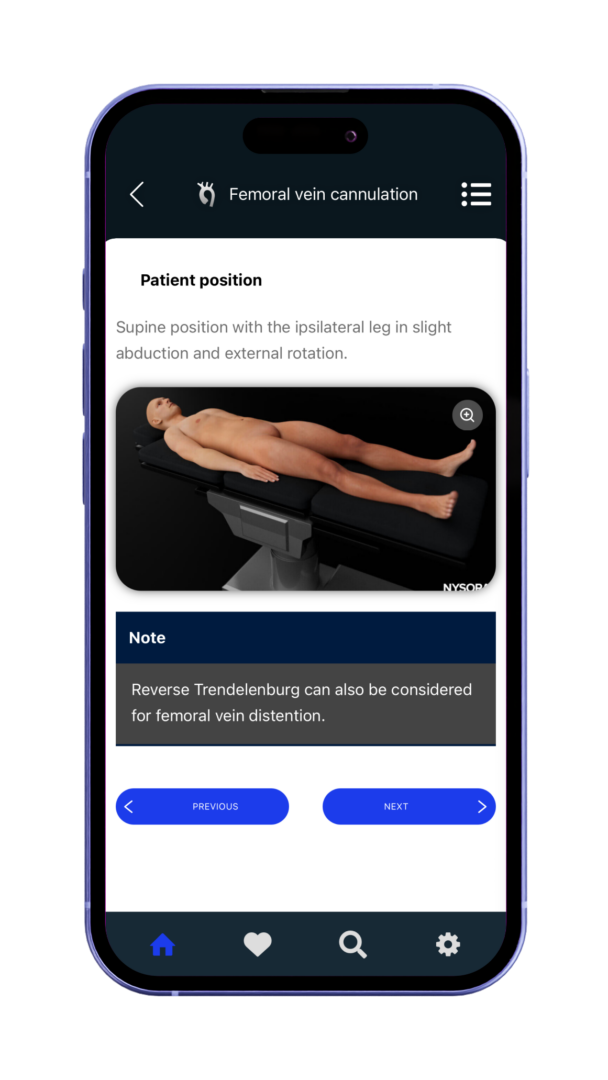
Optimized for fast, easy access on mobile and tablet devices in clinical practice.
Vascular, lung, abdominal, and more.
Reverse Ultrasound Anatomy illustrations make sonoanatomy easier to understand and apply.
Optimized for fast, easy access on mobile and tablet devices in clinical practice.
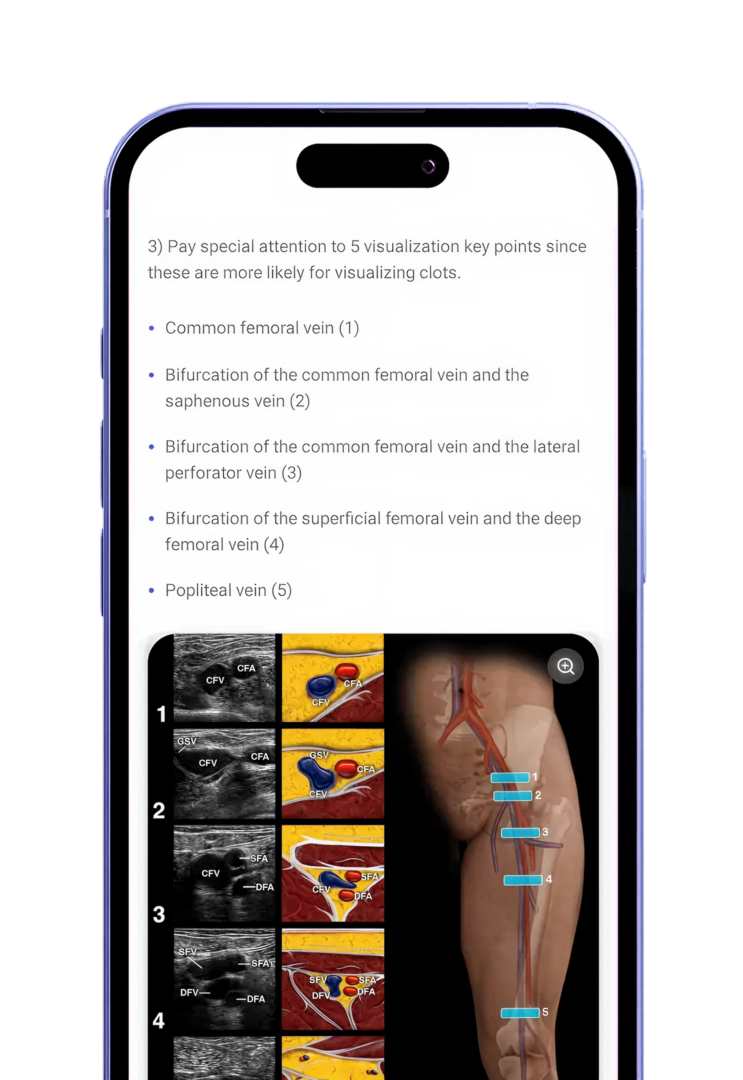
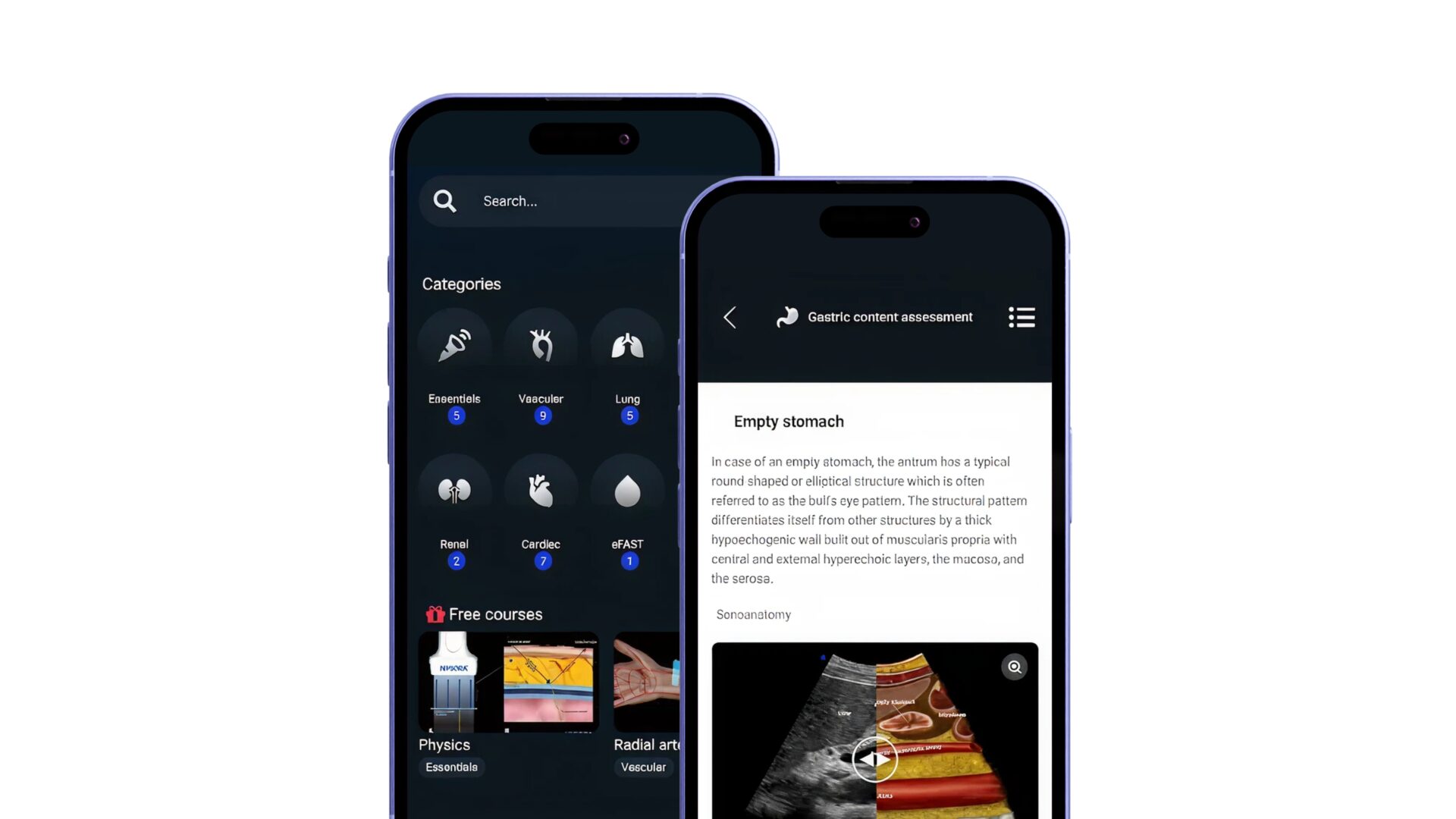
The best mobile guide for point-of-care-ultrasound. Trusted by physicians worldwide.


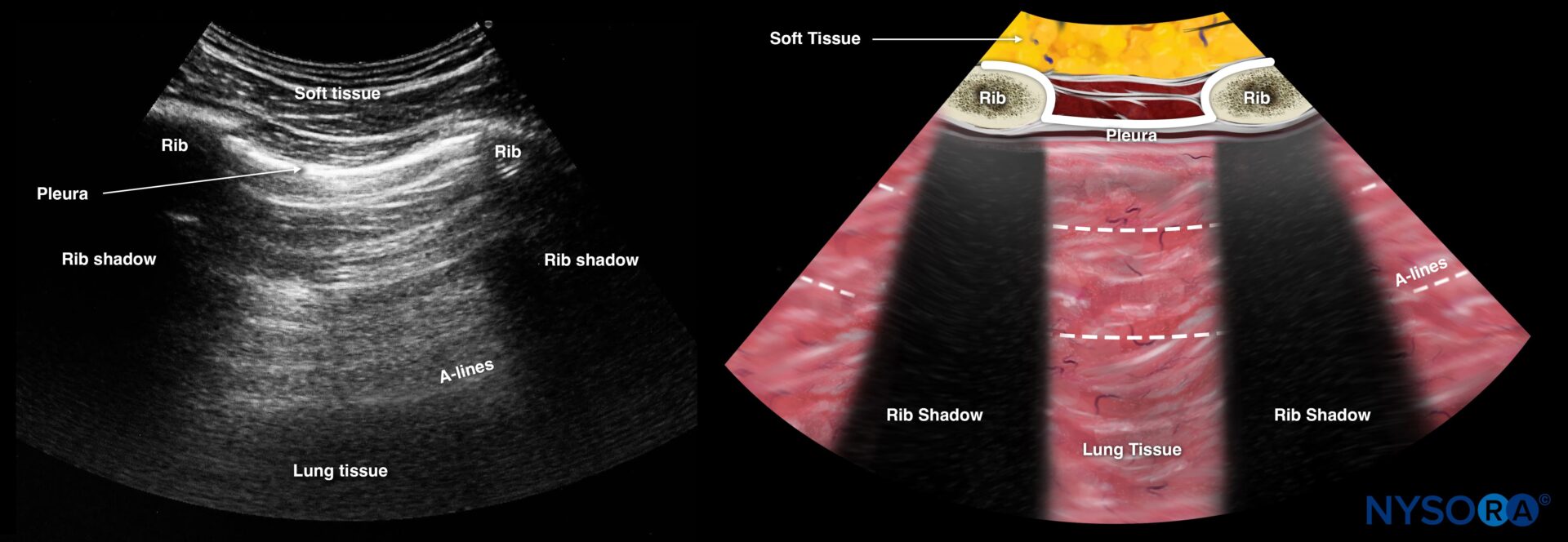
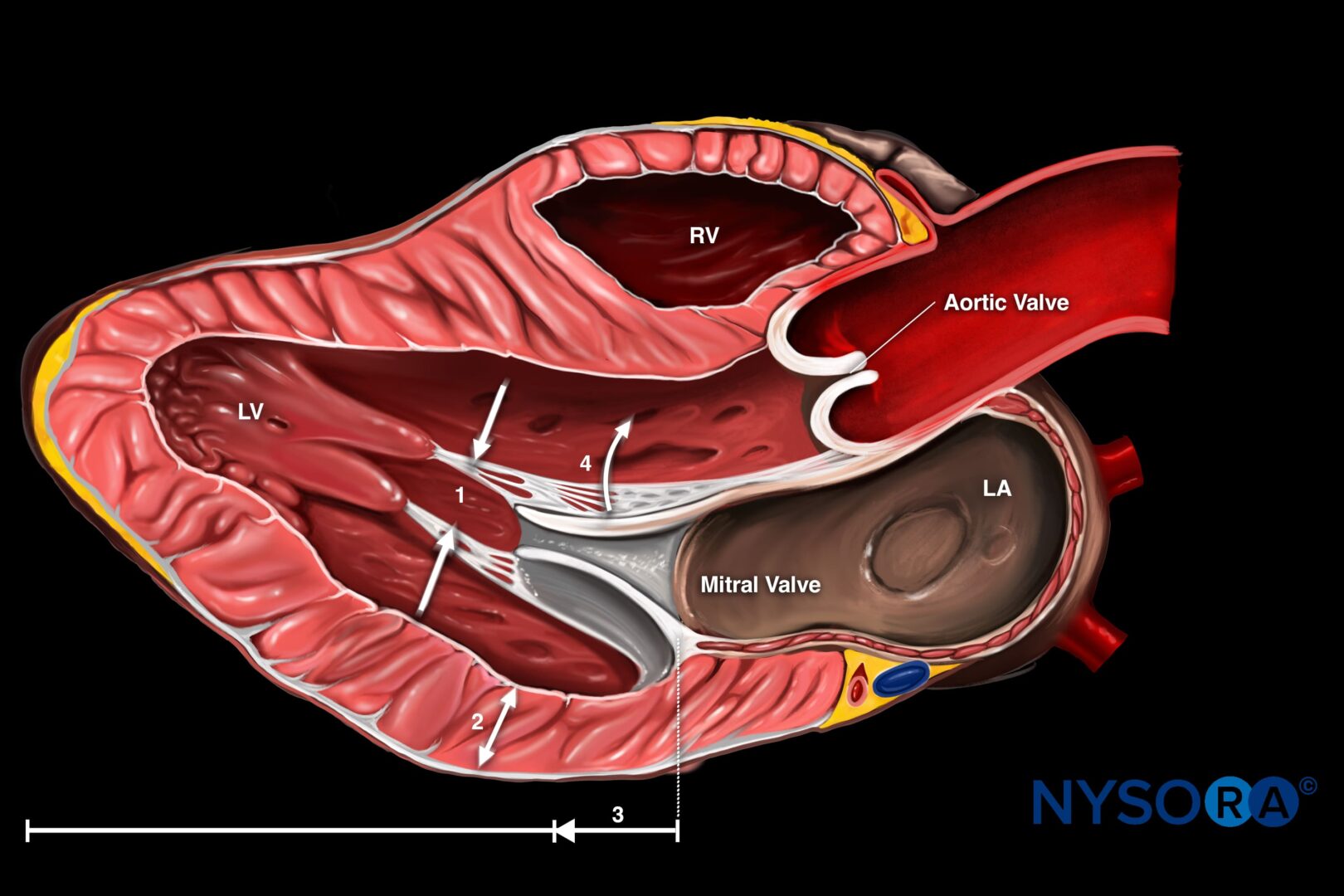
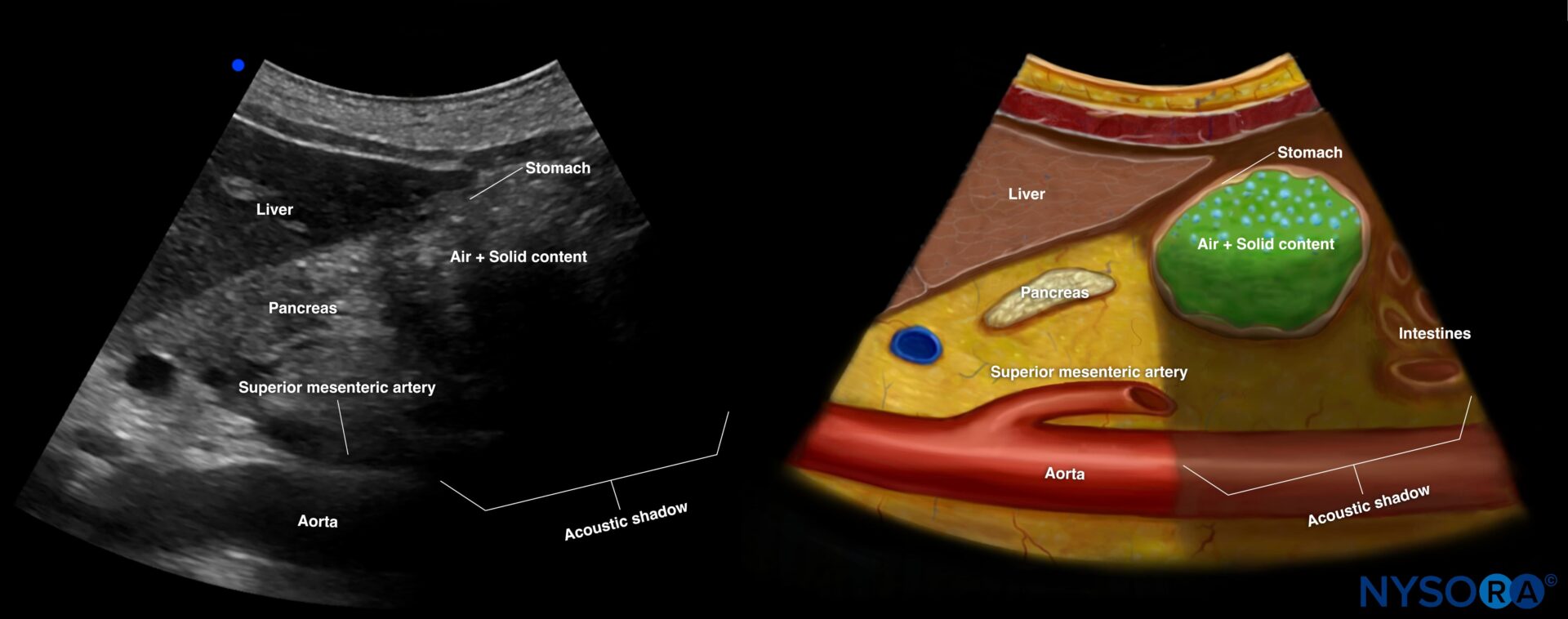
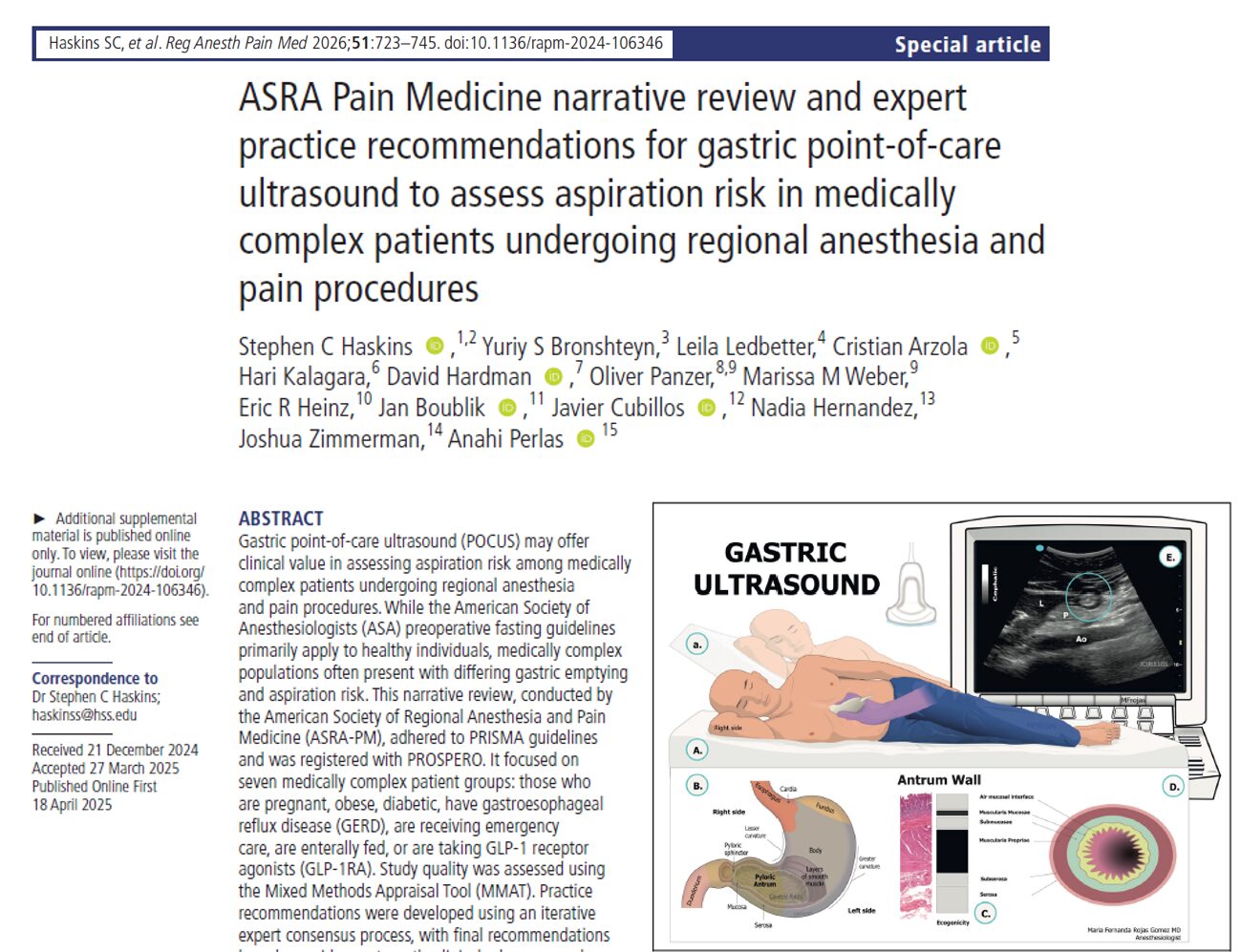
New expert practice recommendations from the American Society of Regional Anesthesia and Pain Medicine (ASRA-PM) provide clinicians with a more structured approach to using gastric point-of-care ultrasound (POCUS) in medically complex patients whose aspiration risk may be difficult to determine from fasting history alone. Published in Regional Anesthesia & Pain Medicine, the recommendations examine gastric POCUS in patients with pregnancy, obesity, diabetes, gastroesophageal reflux disease (GERD), emergency presentations, enteral tube feeding, and use of glucagon-like peptide-1 receptor agonists (GLP-1RAs). Why gastric contents matter before anesthesia Pulmonary aspiration of gastric contents is an important concern during anesthesia and procedural sedation. Standard preoperative fasting recommendations are designed to reduce this risk. However, the authors point out that traditional fasting guidance has primarily been developed for otherwise healthy patients undergoing elective procedures. The problem is that conditions including pregnancy, diabetes, obesity, and medication use can potentially alter gastric emptying. A patient may therefore have followed fasting instructions but still have residual gastric content (RGC). Gastric POCUS provides clinicians with a bedside method of assessing the gastric antrum and estimating whether the stomach is empty or contains clear fluid, thick fluid, or solid material. The new recommendations focus specifically on whether this information is useful for clinical decision-making in medically complex populations. How gastric POCUS works Gastric ultrasound generally involves imaging the gastric antrum, frequently with the patient in the right lateral decubitus position. The guideline describes both qualitative and quantitative approaches. Qualitative assessment identifies whether the stomach appears empty or contains fluid or solids. Quantitative assessment uses the cross-sectional area (CSA) of the gastric antrum to estimate gastric volume using mathematical models. The Perlas qualitative grading system categorizes gastric findings according to ultrasound appearance: Grade 0: the antrum appears empty in both supine and right lateral decubitus positions. Grade 1: the antrum appears […]
Pulmonary aspiration of gastric contents remains one of the most serious complications in anesthetic practice. Despite advances in fasting guidelines, airway management, and perioperative safety protocols, aspiration continues to contribute substantially to anesthesia-related morbidity and mortality. Preoperative gastric ultrasonography has emerged as an important point-of-care tool for evaluating residual gastric contents and estimating aspiration risk. However, uncertainty remains regarding which ultrasound measurement plane provides the most accurate assessment of gastric volume. A newly published prospective observational study by Liu et al. in Anesthesiology evaluated differences between gastric ultrasound measurements obtained at the abdominal aorta and inferior vena cava (IVC) planes. The findings suggest that neither plane is consistently superior, but selecting the higher-measured gastric volume may yield the most accurate estimate of actual gastric volume and aspiration risk. What is gastric ultrasonography? Gastric ultrasonography is a bedside imaging technique used to estimate gastric content volume and assess the risk of pulmonary aspiration before anesthesia. The examination typically focuses on the gastric antrum while the patient is positioned in the right lateral decubitus position. Clinicians commonly use two anatomical approaches: Abdominal aorta plane Inferior vena cava (IVC) plane Both techniques utilize vascular landmarks to identify and measure the gastric antrum. Why this study matters Current gastric volume prediction models accept measurements from either the abdominal aorta or IVC planes. Previous studies have used: Abdominal aorta plane only IVC plane only Either plane interchangeably However, anatomical differences between these planes may influence gastric volume estimation and potentially affect aspiration risk assessment. The investigators sought to determine: Whether the two measurement planes provide different gastric volume estimates Which plane most accurately reflects the actual gastric volume Whether one approach improves the detection of high aspiration risk patients Study design The researchers conducted a prospective observational study at Guangzhou University of Chinese Medicine. The […]




The best mobile guide for point-of-care-ultrasound. Trusted by physicians worldwide.
The app includes:
The NYSORA POCUS App provides quick access to expertly-curated content, helping you:
The app covers:
The app can be used in multiple ways:
It’s a mobile-friendly reference tool offering:
 Nerve Blocks App
 Anesthesia Assistant App
 Ultrasound Pain App
 Pain Medicine Assistant App
 POCUS App
 IV Access App
 MSK Knee App
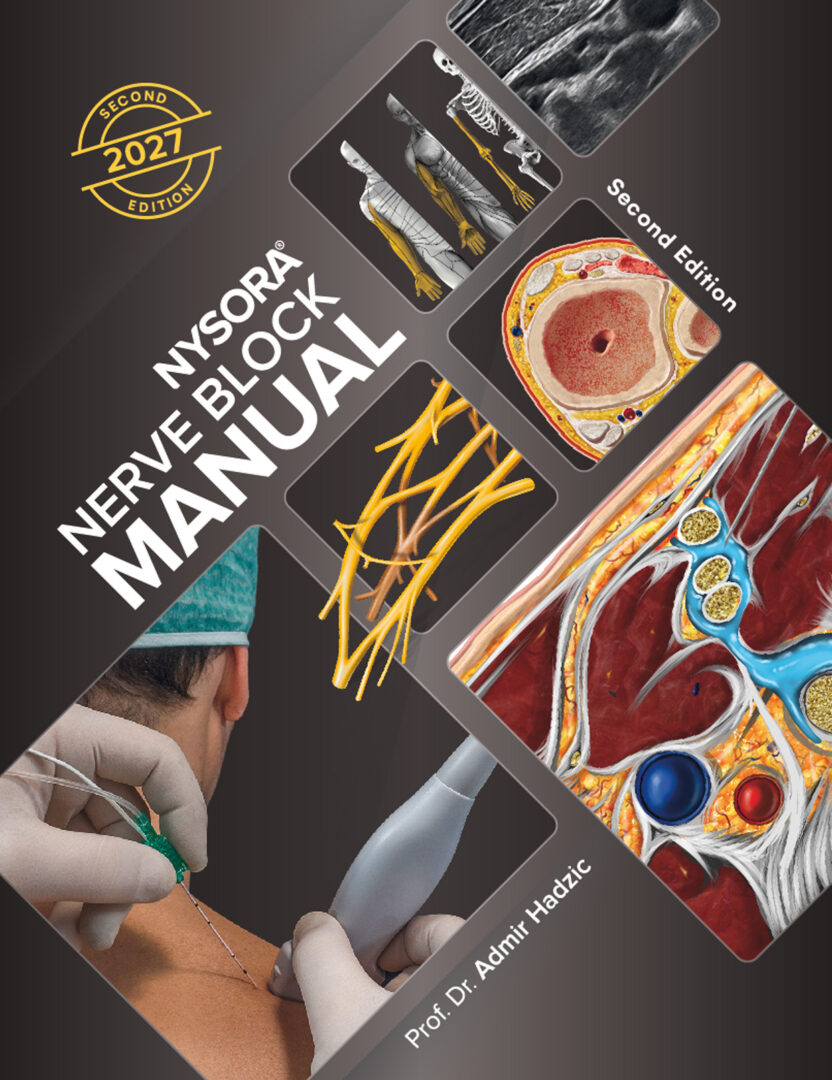 Nerve Block Manual 2027
 Nerve Block Manual
 Regional Anesthesia Updates
 Anesthesiology Manual
 Anesthesiology Review
 Anesthesia Updates 2025
 Anesthesia Updates 2026
 Pediatric Anesthesia Updates
 Airway Management Updates
 US Interventional Pain Manual
 Pain Medicine Updates
 Mastering Difficult IV Access
 PACU Nursing Manual
 RA Veterinary Manual
 Books
Books About
About