Point-of-care Workshops - NYSORA
Back To Events
Available in Leuven & New York
WORKSHOPS

Point-of-Care
Ultrasound Workshops

Hands-on POCUS training for clinicians who use ultrasound to make faster bedside decisions.

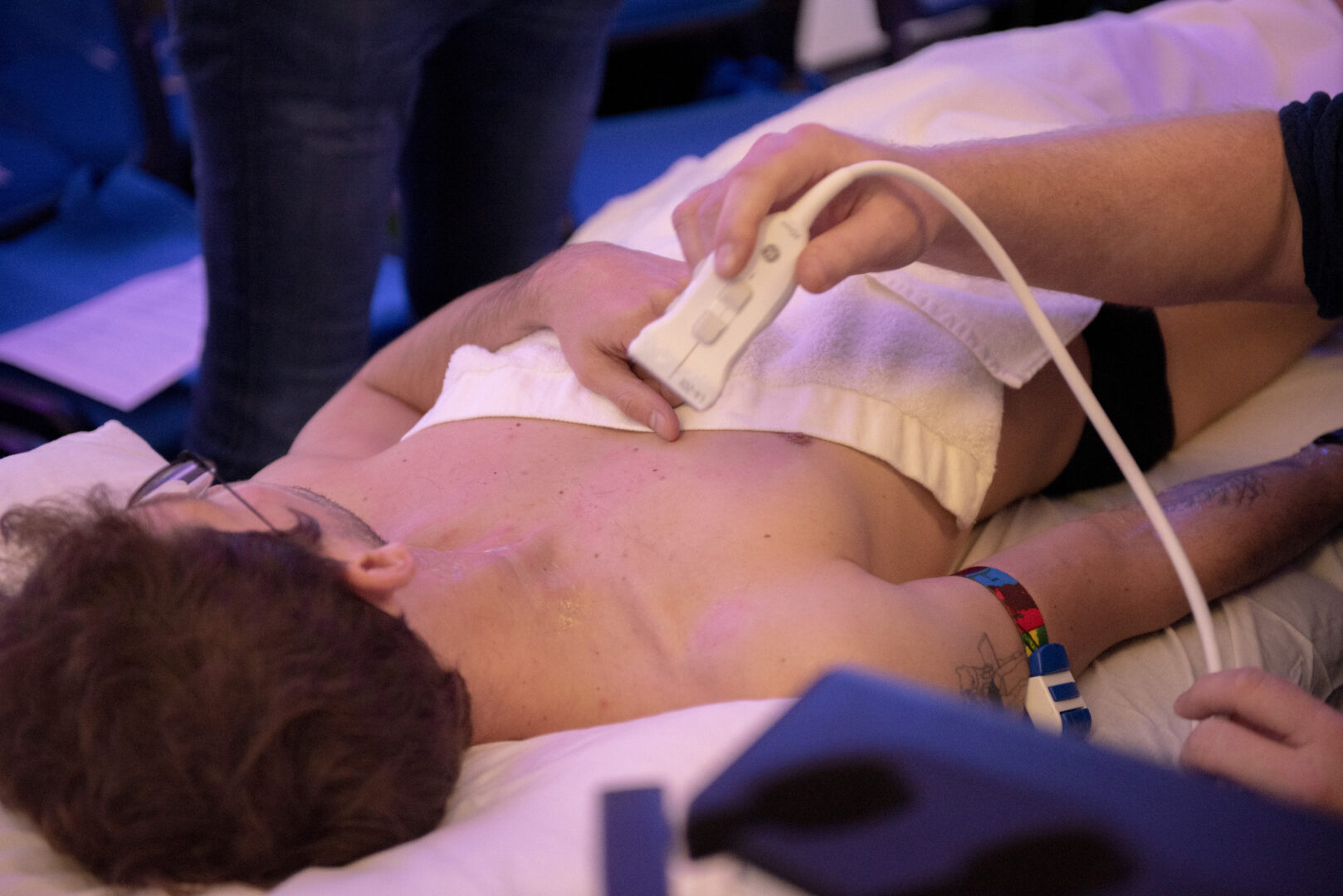
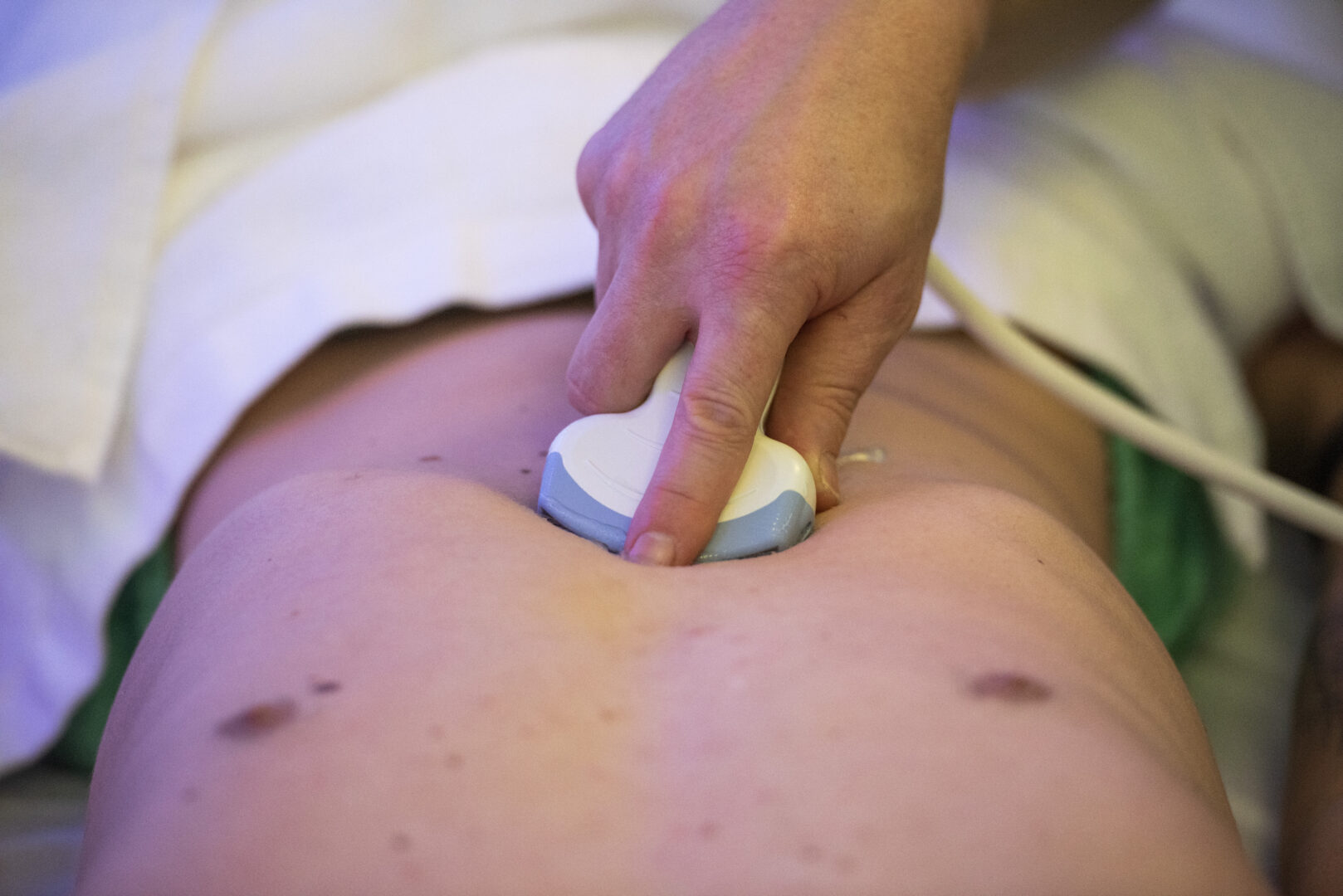
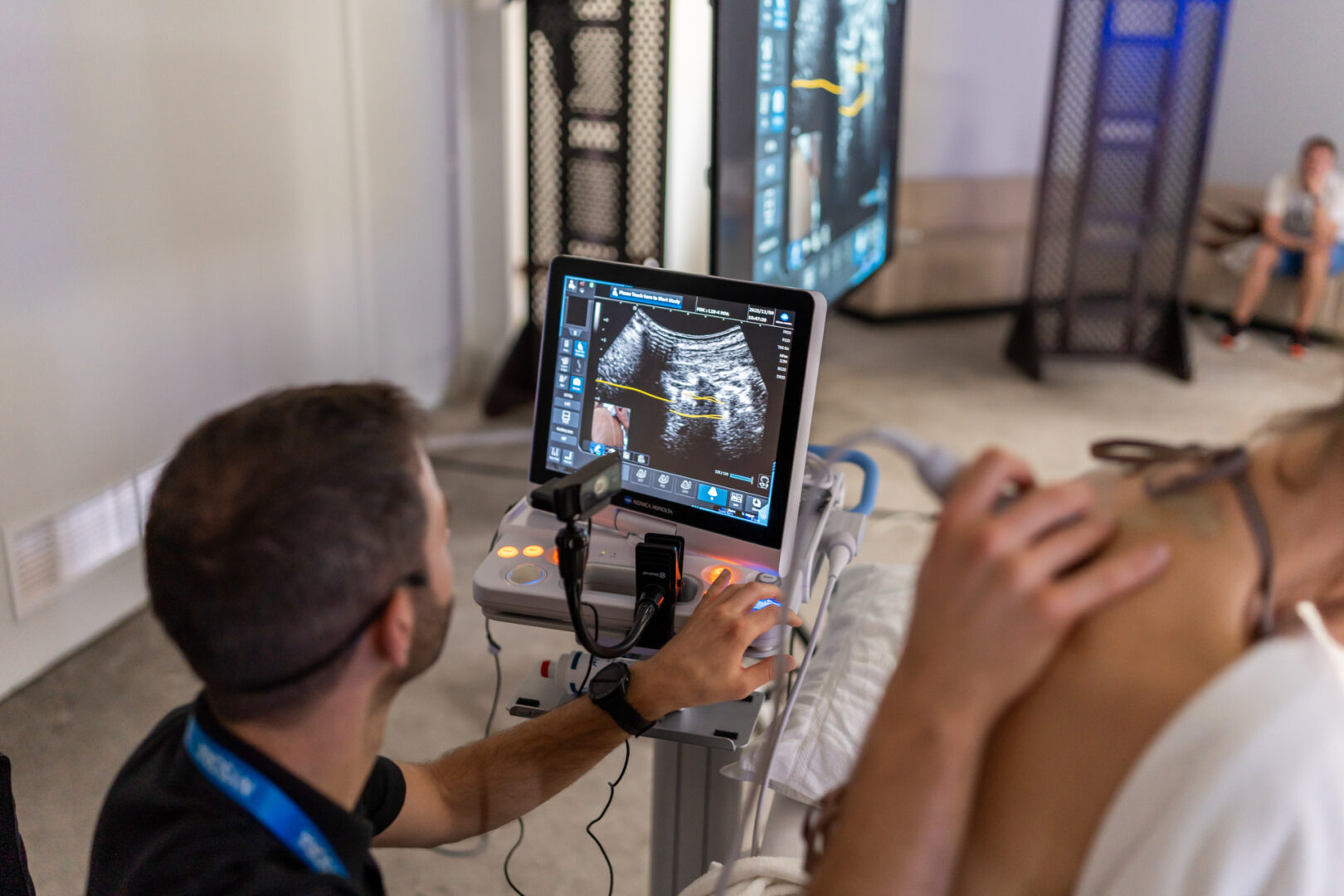
Practice gastric, lung, airway, trauma, vascular, and focused cardiac ultrasound through concise teaching, live demonstration, repeated scanning, and direct faculty feedback.

The Workshop Focus
A Structured Approach to Point-of-Care Ultrasound

NYSORA POCUS workshops are built around the clinical question behind the scan.

Define the Question

Start with the problem you are trying to answer at the bedside.
Obtain the View

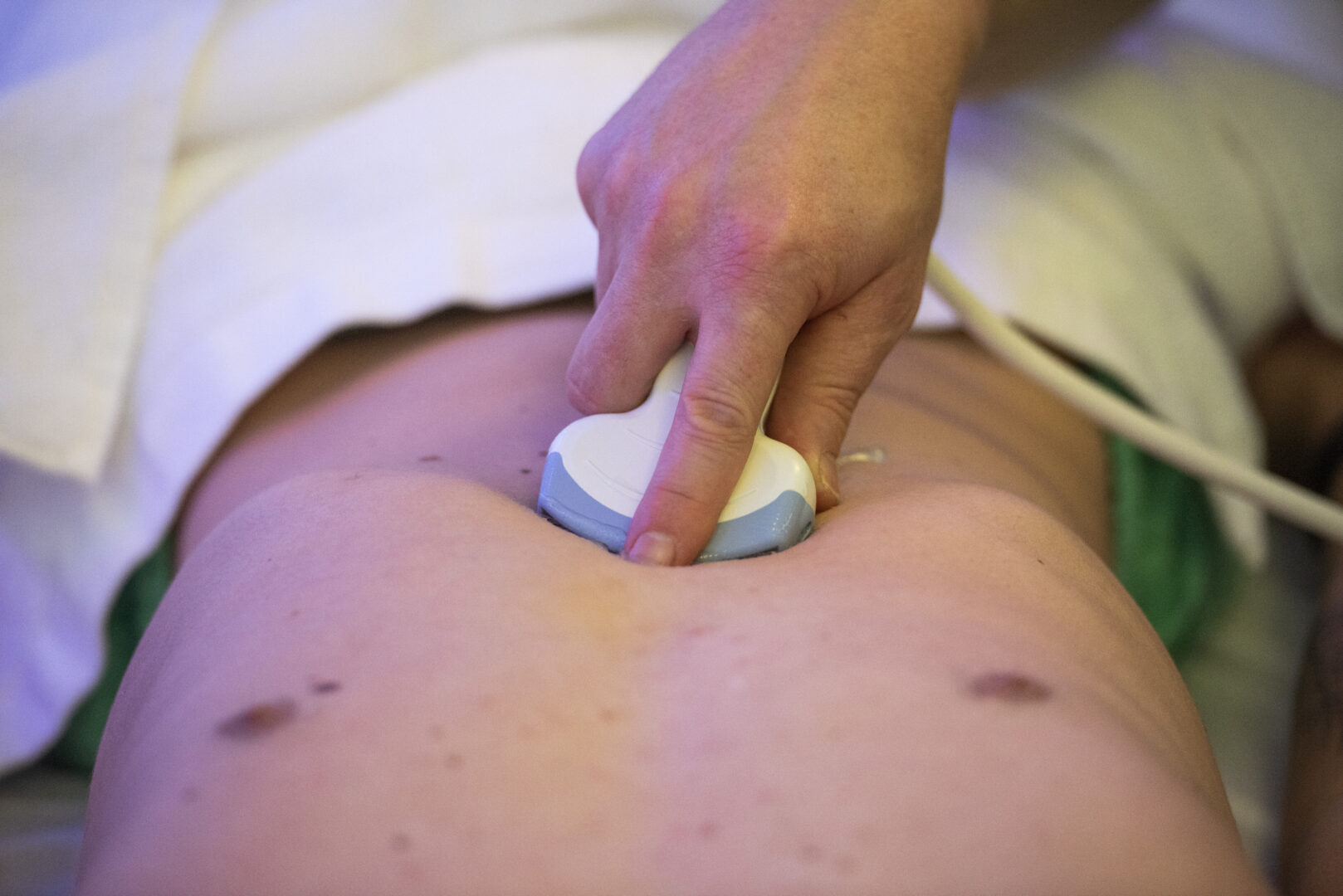
Position the patient and probe to acquire the required ultrasound image.
Identify the Finding

Recognize the relevant anatomy and ultrasound pattern.
Interpret in Context

Combine the scan with the patient’s examination, vital signs, history, and clinical condition.

What You Will Take
Back to Practice

A More Structured Approach to Bedside Ultrasound

After the workshop, participants should be better prepared to:
  • Perform core POCUS examinations using a repeatable scanning sequence
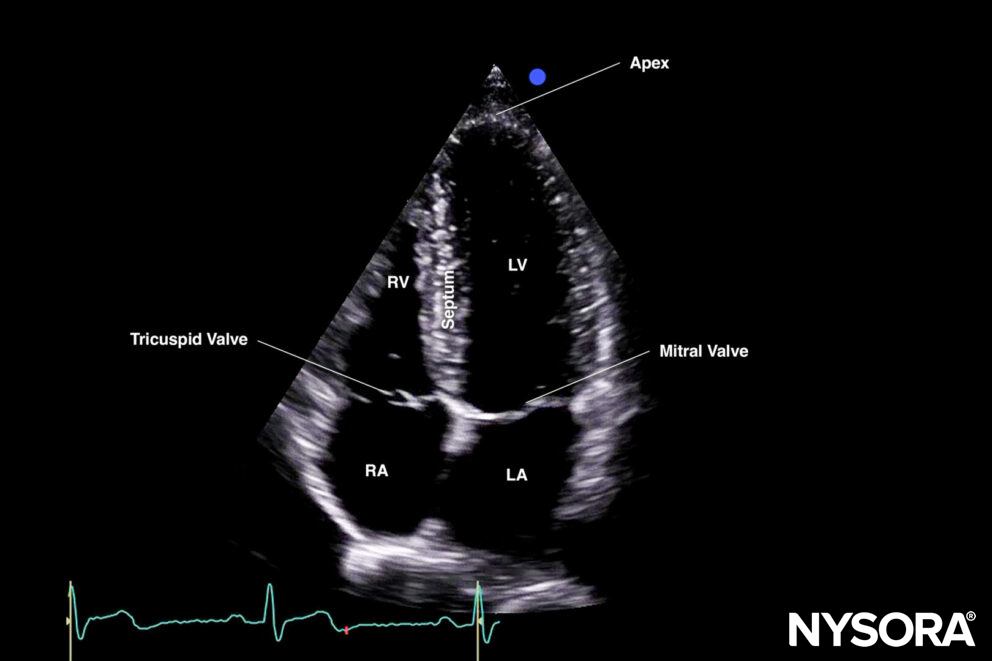
  • Obtain focused cardiac, lung, gastric, trauma, airway, and vascular views
  • Recognize common ultrasound findings
  • Improve image quality through probe and machine adjustments
  • Assess ventricular function using focused bedside techniques
  • Use IVC imaging as part of hemodynamic assessment
  • Apply FATE and FEEL concepts in appropriate clinical settings
  • Integrate ultrasound findings with the wider clinical picture
  • Recognize when a scan provides useful information and when further evaluation is needed
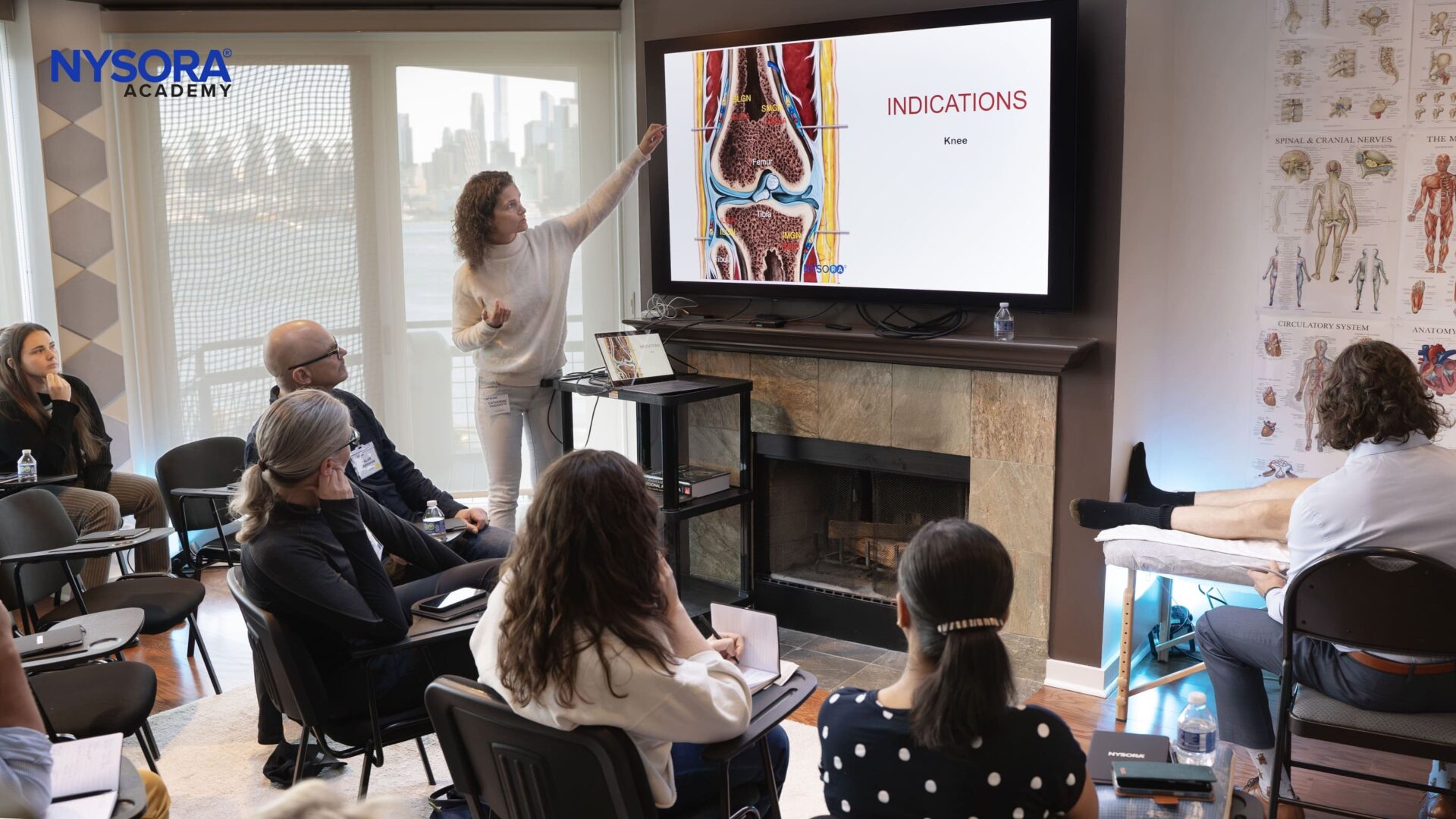
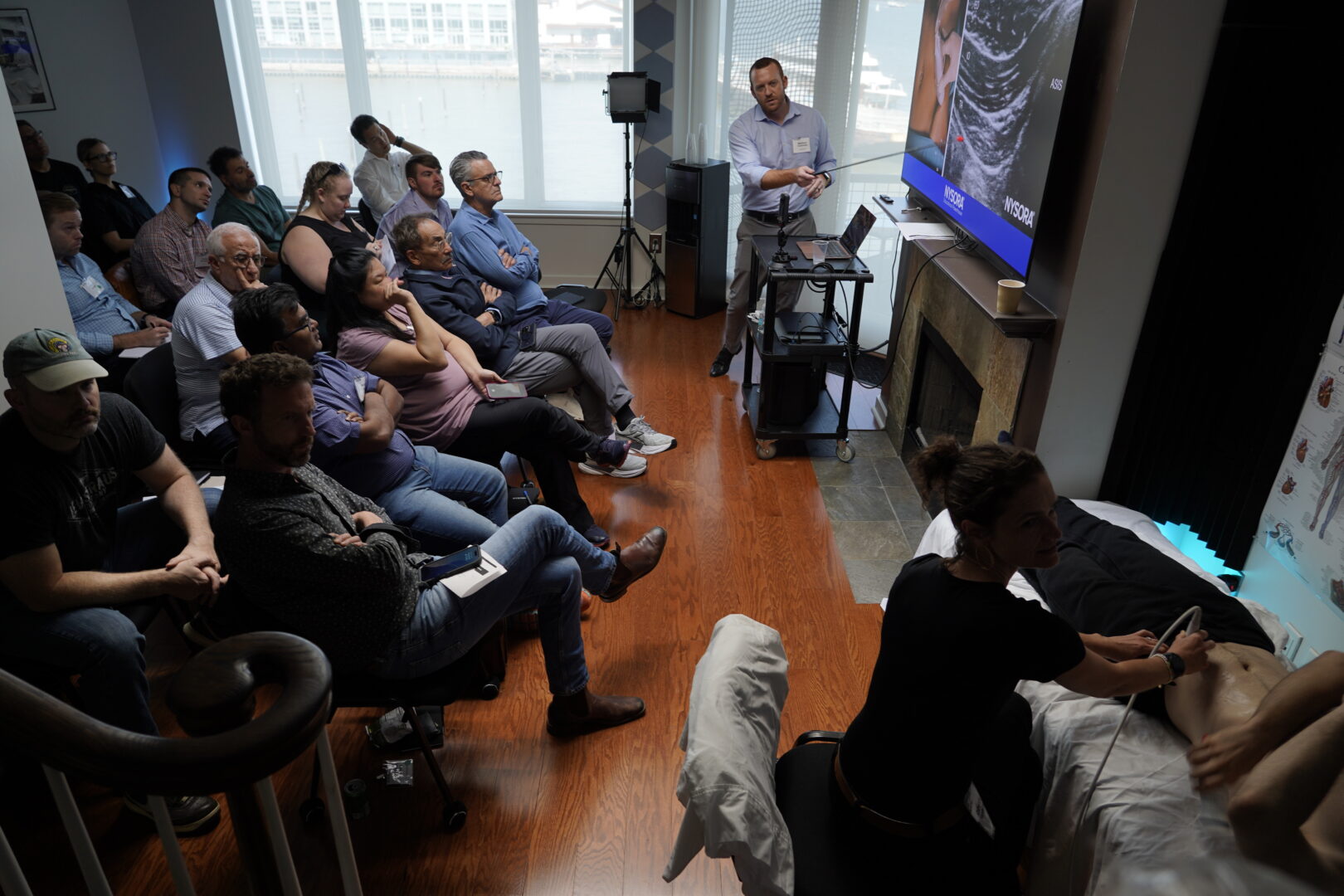
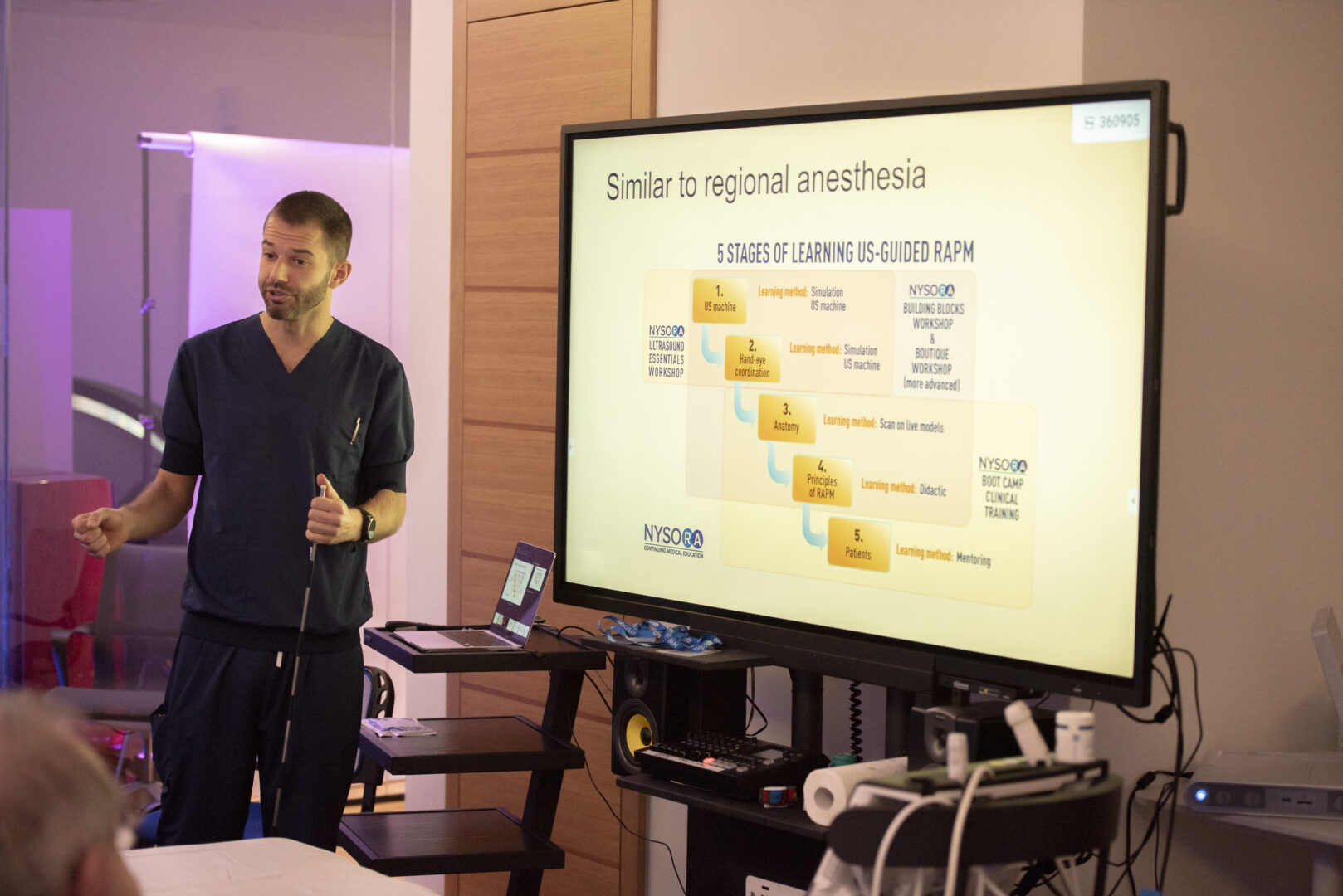
NYSORA conference session

Training That Goes Beyond the Workshop

The NYSORA Workshop Learning Journey

Prepare before the workshop, practice under faculty supervision, and continue reviewing the techniques afterward.

01

Before the Workshop
— Prepare

Access workshop-specific NYSORA resources before the course so you can review the core anatomy, scanning sequence, and clinical applications in advance.

Preparation may include:

  • NYSORA POCUS App
  • Gastric ultrasound review
  • Lung ultrasound protocols
  • FAST scanning sequence
  • Airway ultrasound anatomy
  • DVT compression ultrasound
  • Standard focused cardiac views
  • FATE and FEEL protocols

Outcome: Arrive familiar with the main POCUS views, relevant anatomy, and the clinical question behind each examination.

02

During the Workshop
— Scan

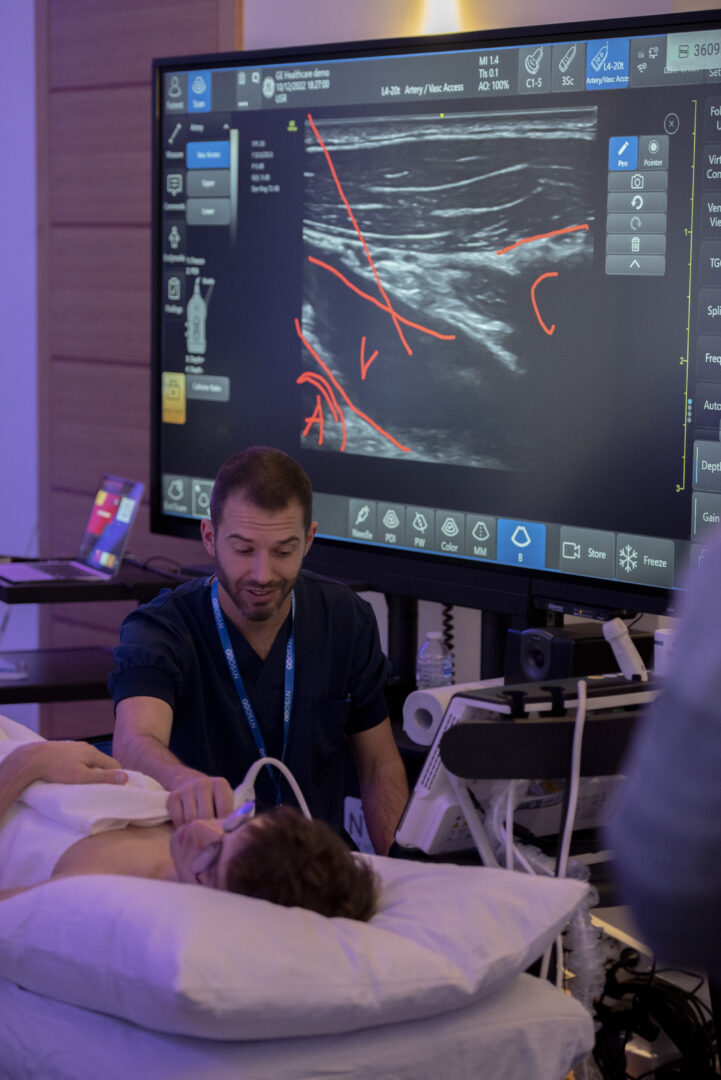
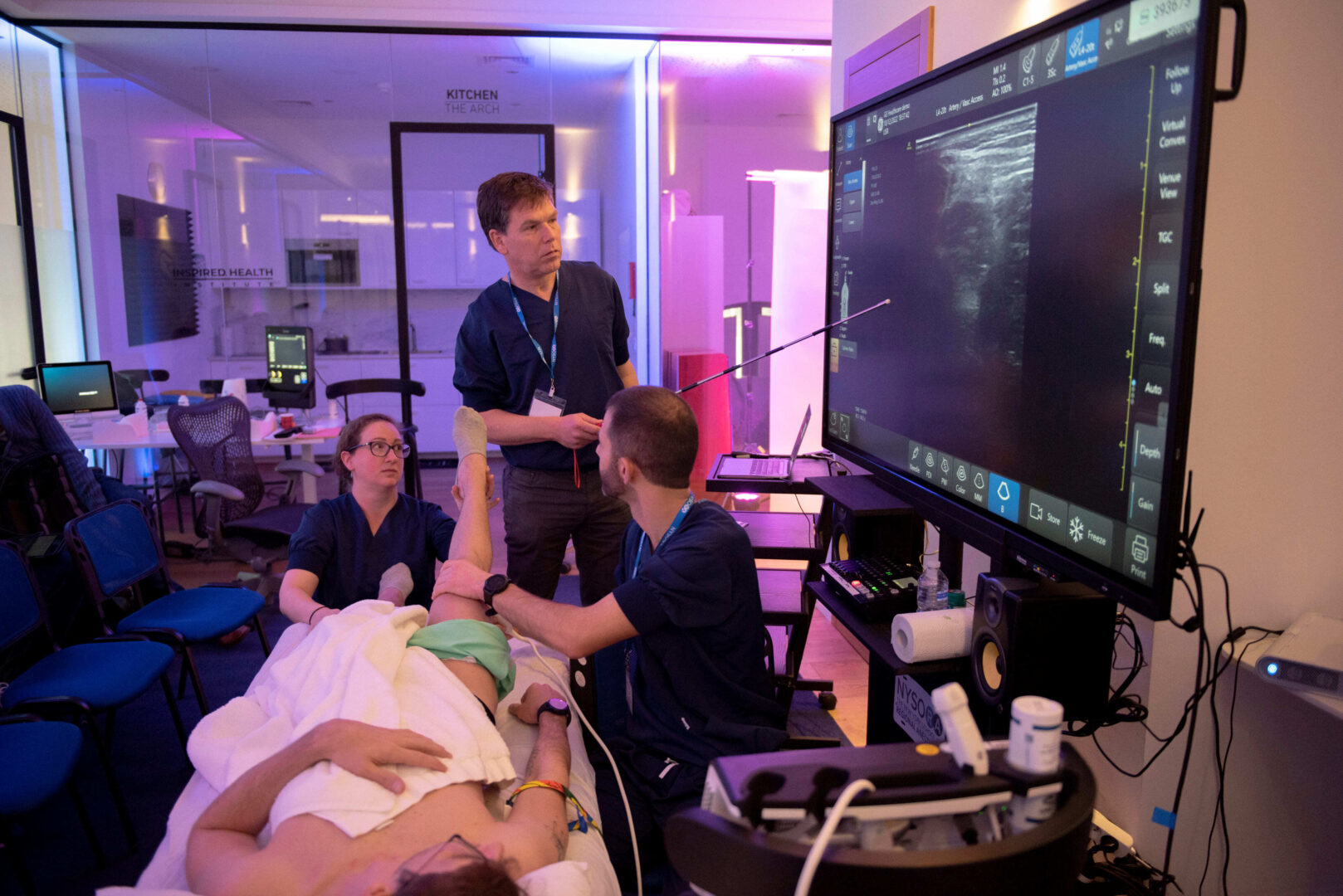
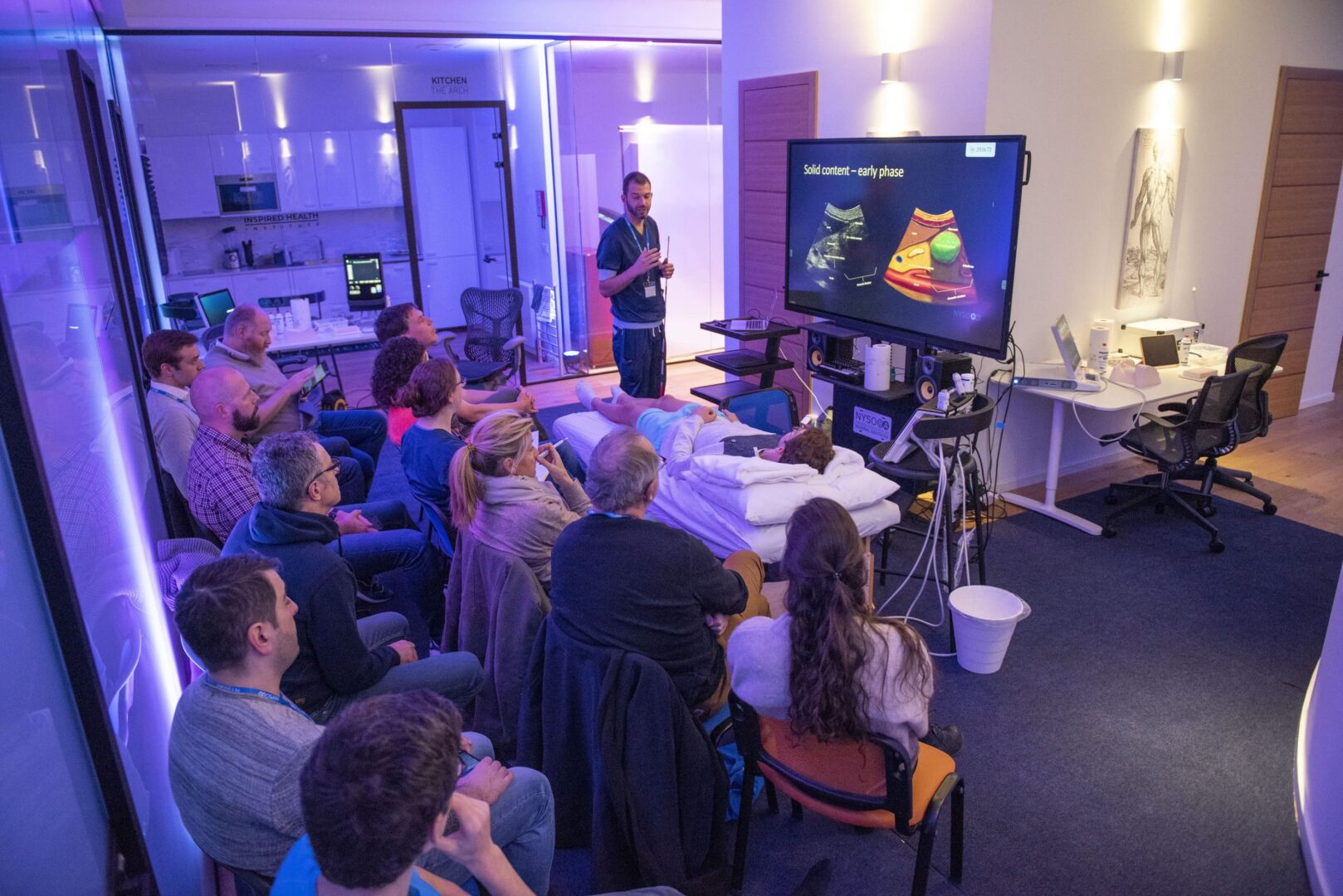
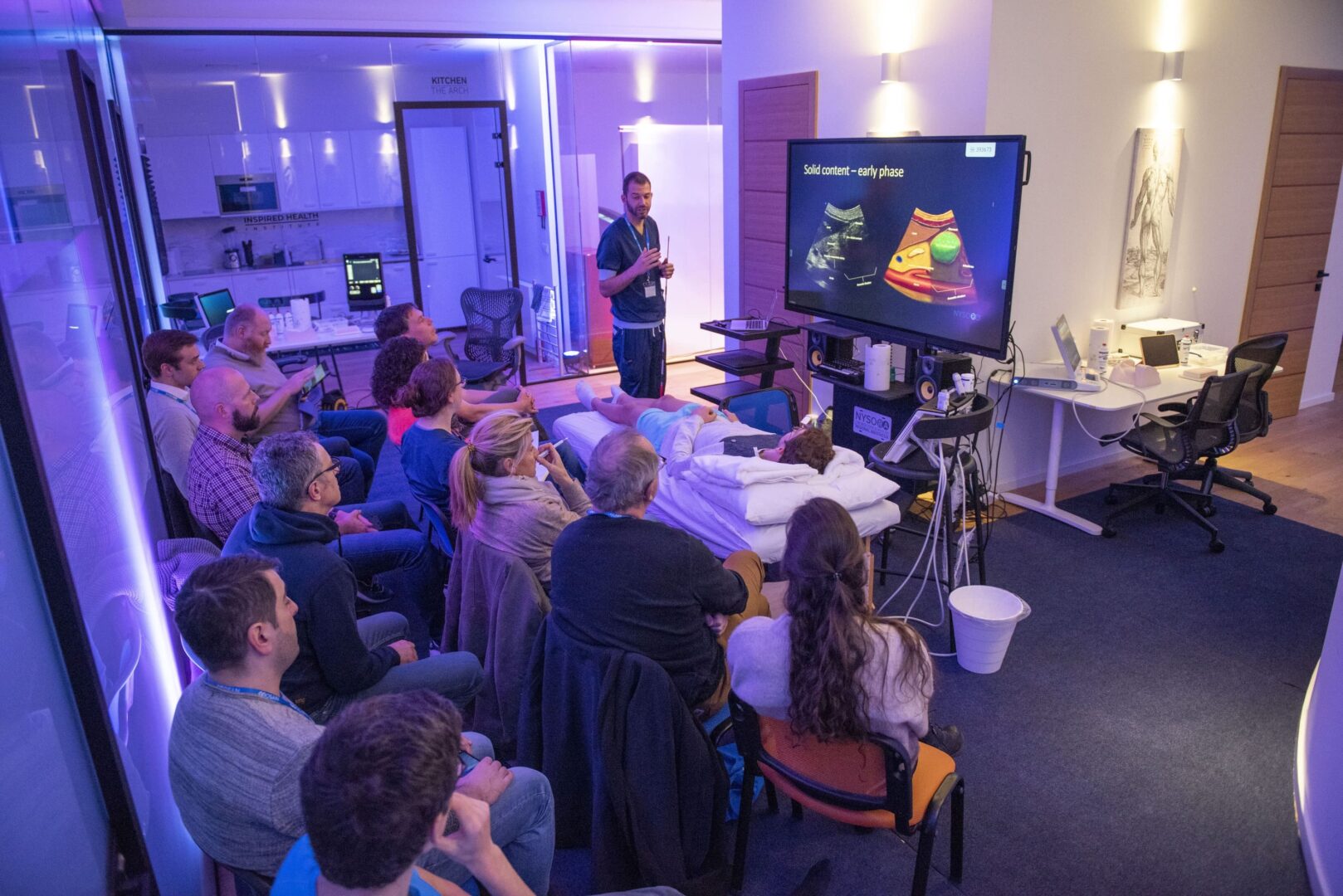
Spend the workshop moving between concise teaching, live demonstration, and repeated hands-on scanning.

Practice includes:

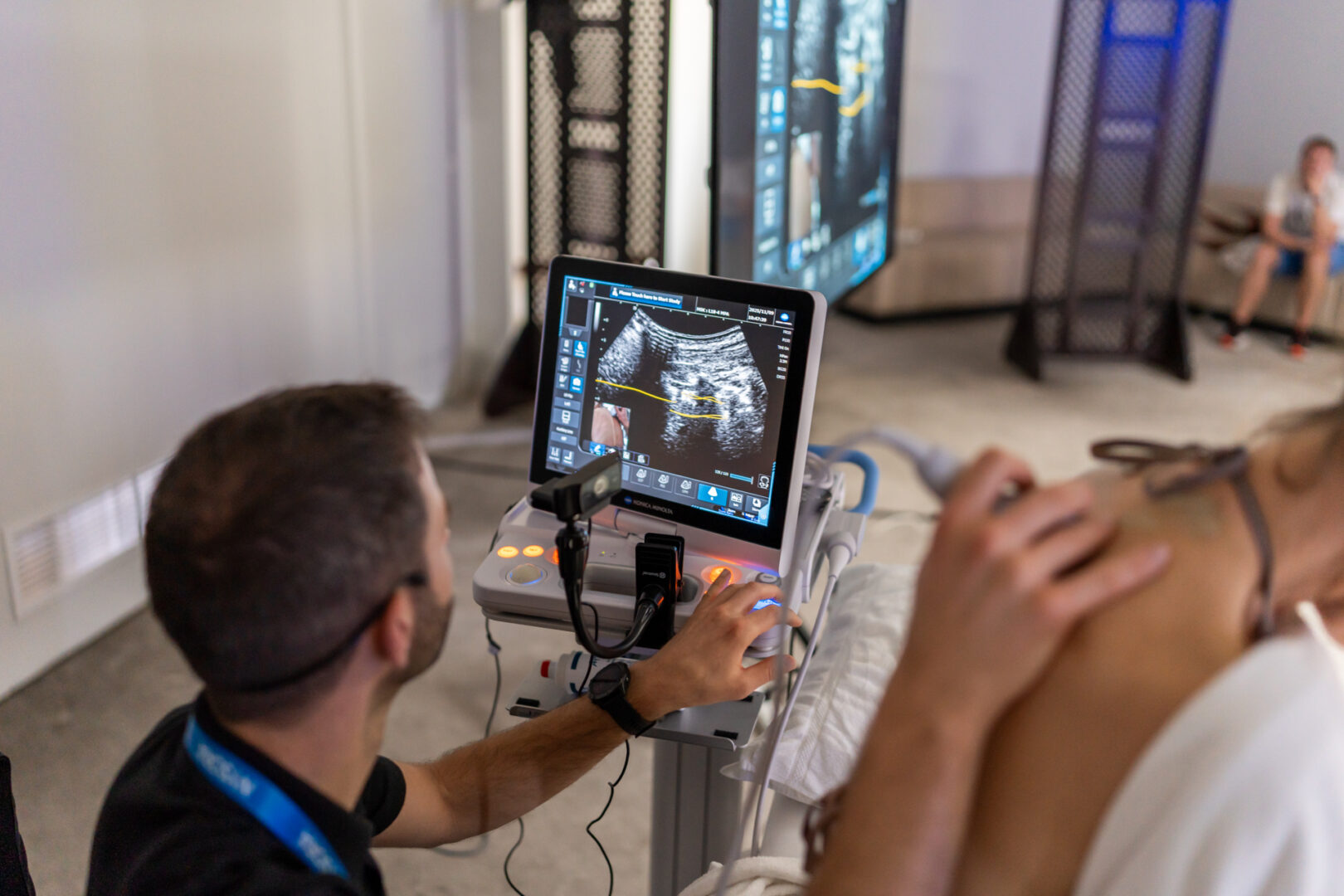
  • Live-model ultrasound scanning
  • Probe positioning and orientation
  • Image optimization
  • Recognition of normal sonoanatomy
  • Gastric ultrasound
  • FAST
  • Lung ultrasound & Airway ultrasound

Outcome: Leave with a structured scanning sequence you can reproduce at the bedside and a clearer understanding of how POCUS findings should influence clinical decisions.

03

After the Workshop
— Review

Continue reviewing the techniques covered during the workshop using the digital resources included with your registration.

Use the materials to:

  • Revisit difficult cardiac views
  • Review gastric, lung, FAST, and DVT protocols
  • Reinforce probe positioning and scanning sequences
  • Review faculty corrections from the workshop
  • Prepare before using a protocol in clinical practice
  • Continue structured POCUS learning

Outcome: Keep the scanning framework accessible after the workshop so the techniques can be reviewed and reinforced in clinical practice.

Visit NYSORA360 →

Expertise

Our Faculty

Kris Abbas

Kris Abbas
MD

Assistant Professor
McMaster University
Department of Anesthesia
St. Joseph’s Healthcare
50 Charlton St. E.
Hamilton, ON. L8N 4A6
Canada
Imré Van Herreweghe

Imré Van Herreweghe
MD

Anesthesiologist at Hospital Oost-Limburg
Genk, Belgium
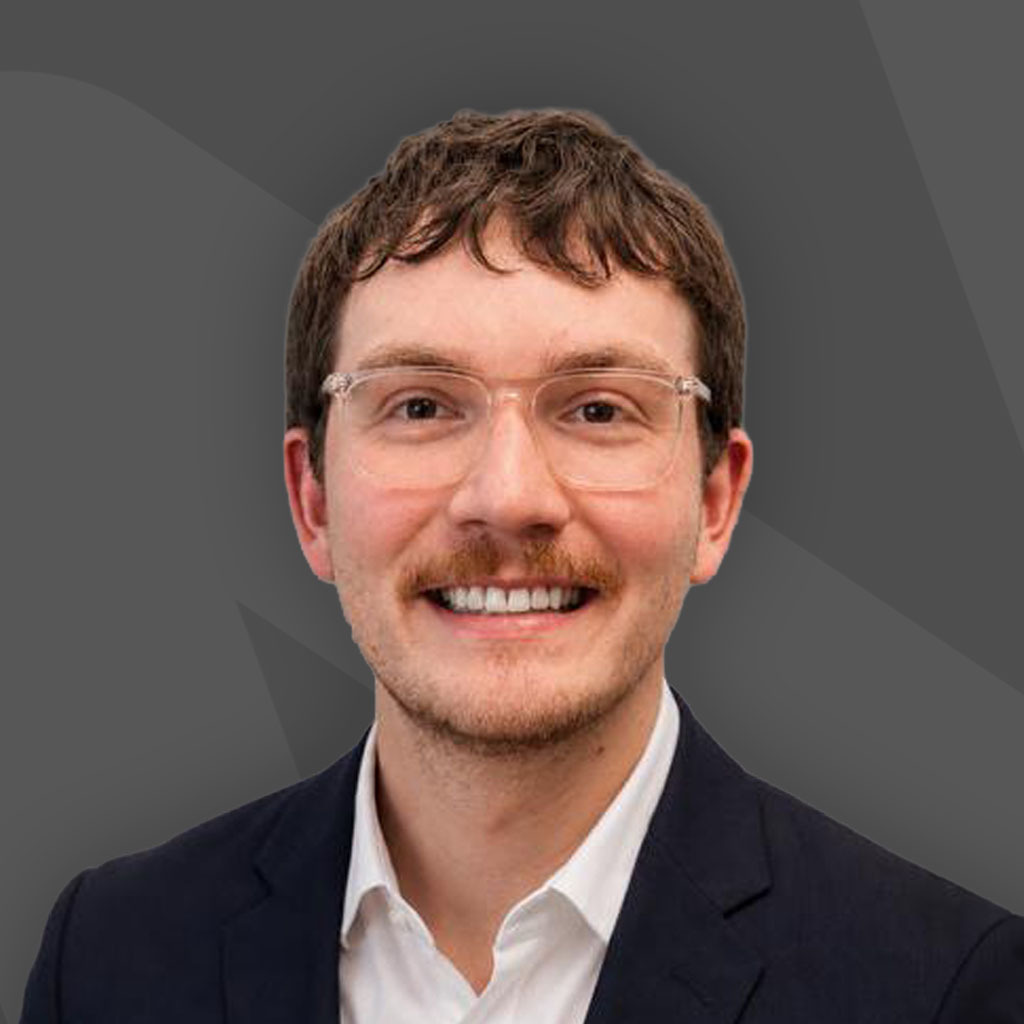
Cameron Nishi

Cameron Nishi
MD, FRCPC

Staff Anesthesiologist
Director of Obstetrical Anesthesia
Assistant Professor, Department of Anesthesia, McMaster University
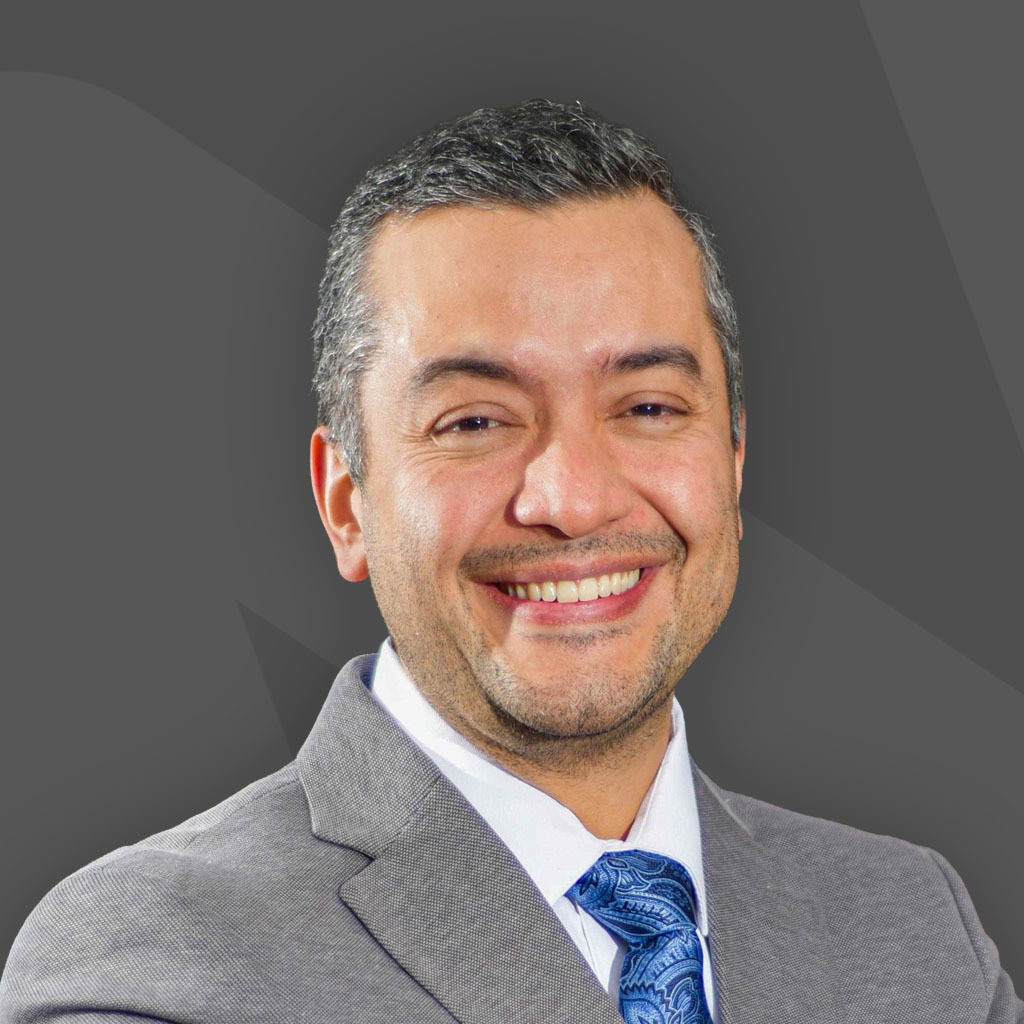
Andrés Merchán

Andrés Merchán
MD

Hamilton Health Sciences, McMaster University, and the University of Toronto

Joshua Peachey

Joshua Peachey
MD

Associate Professor of Anesthesia, McMaster University
Fellowship-trained in Cardiac Anesthesiology and Perioperative Transesophageal Echocardiography
Hari K. Kalagara

Hari K. Kalagara
MBBS, MD

Anesthesiologist at Mayo Clinic

Jacksonville, United States
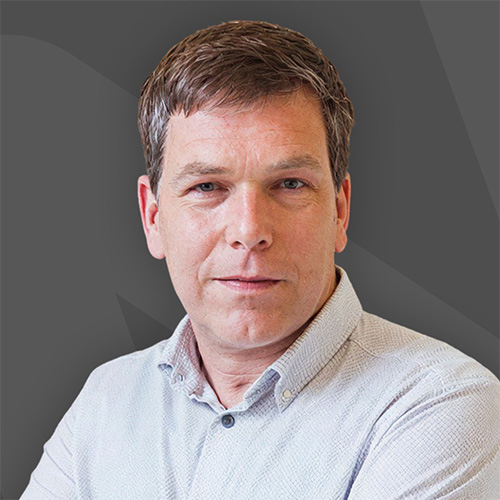
Marc Vanhoof

Marc Vanhoof
MD

Anesthesiologist at AZ Turnhout
Turnhout, Belgium

Upcoming Workshops

Browse upcoming workshops across all locations to find the session that fits your schedule.

Date

Event

Location

Duration

Price

2026

Dec

05-06

New York, USA, Dec 05-06

New York, USA

2 Days

Early bird

$2,095

Course Highlights
  • Extensive Hands-On Ultrasound Training
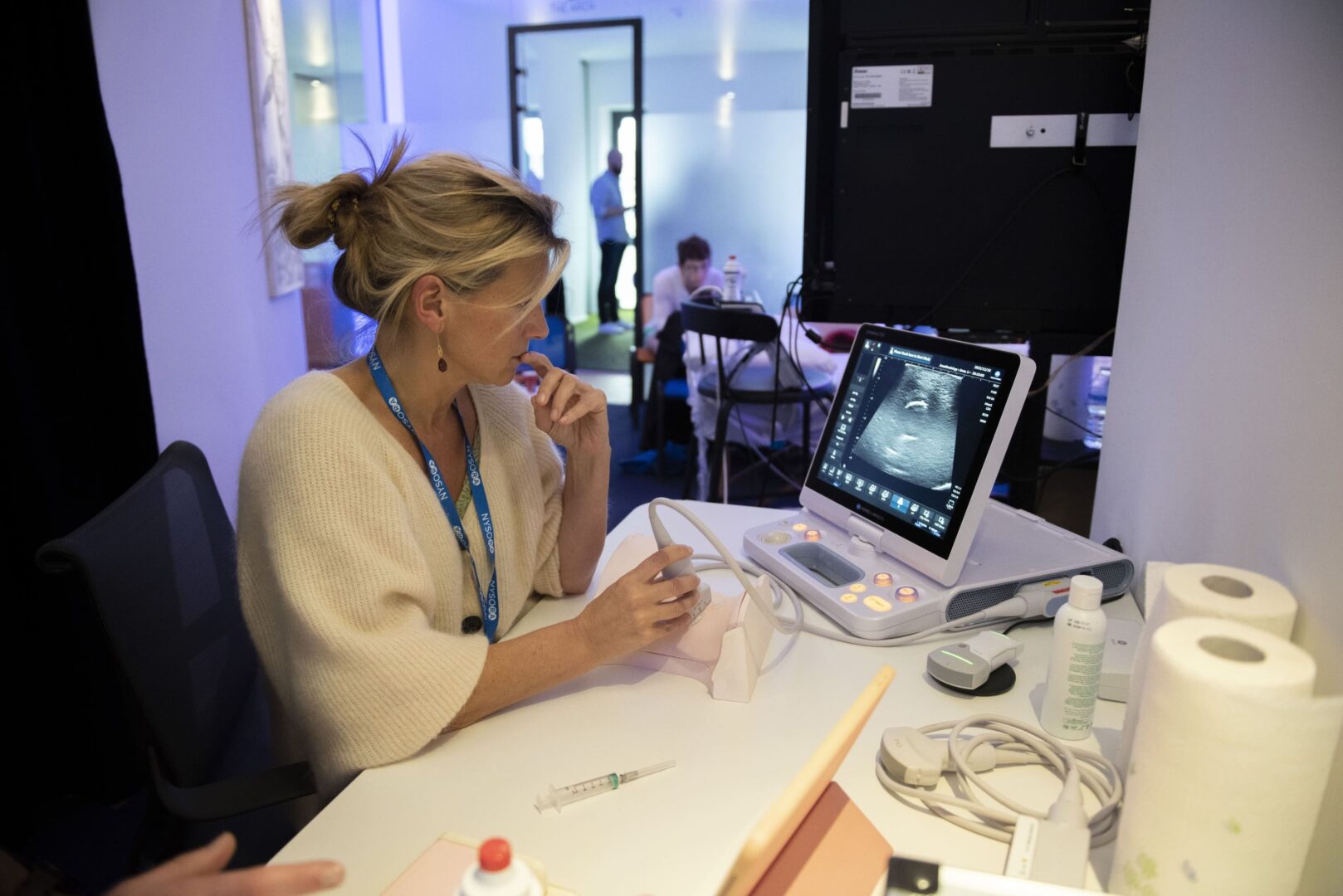
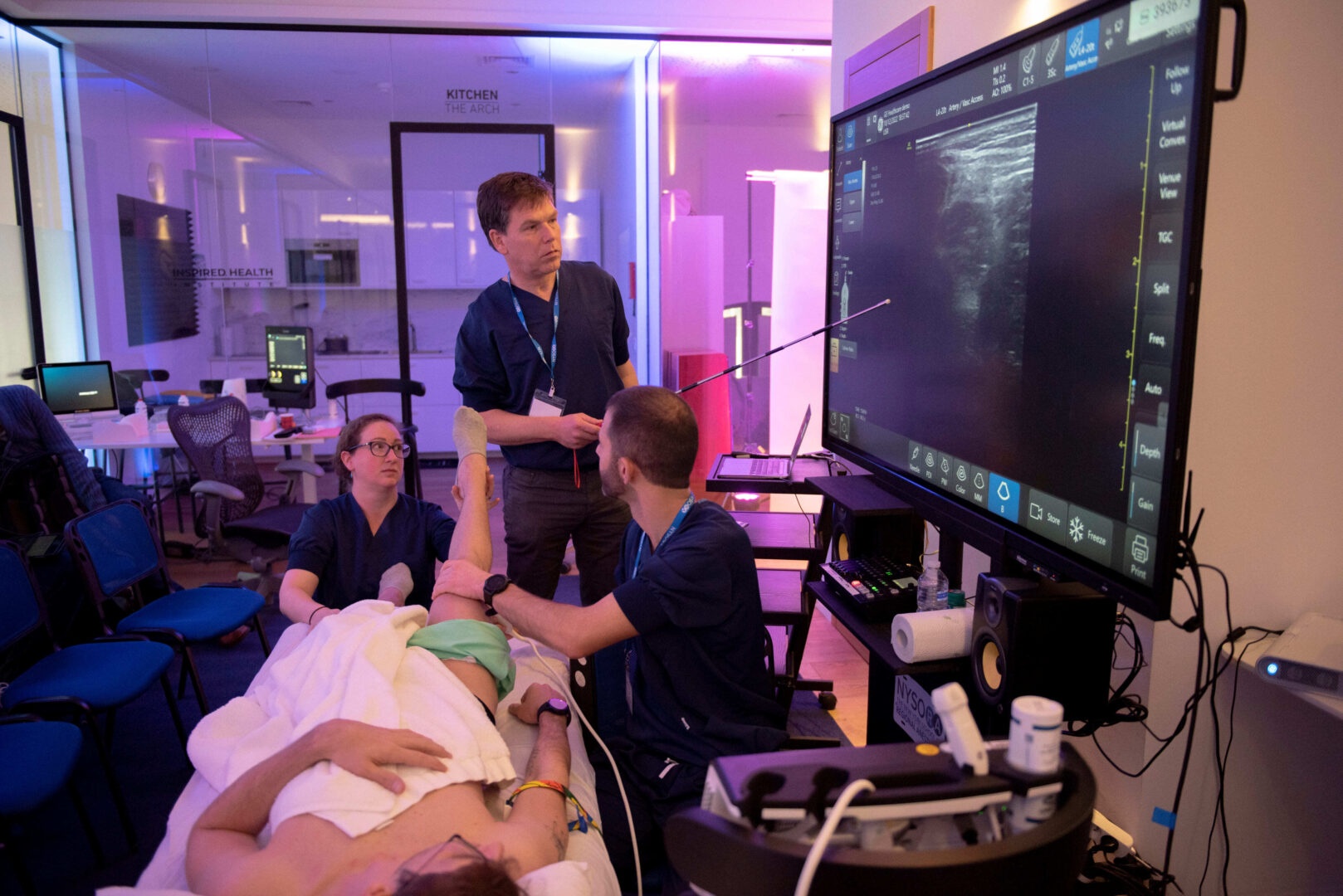
    The workshop is built around practical skill development, with the majority of the program dedicated to hands-on scanning sessions. Participants practice core POCUS examinations on live models in small groups with expert faculty guidance, ensuring immediate feedback and skill refinement.
  • Core POCUS Applications for Daily Clinical Practice
    Gain practical experience with the most clinically relevant ultrasound exams, including gastric ultrasound, FAST exam, lung ultrasound, airway assessment, DVT evaluation, and focused cardiac imaging.
  • Focused Cardiac Ultrasound and Hemodynamic Assessment
    Develop the ability to obtain and interpret standard cardiac views using the FATE protocol, assess volume status with IVC imaging, and evaluate ventricular function using EF estimation, TAPSE, and MAPSE.
  • Learn–See–Practice Teaching Format
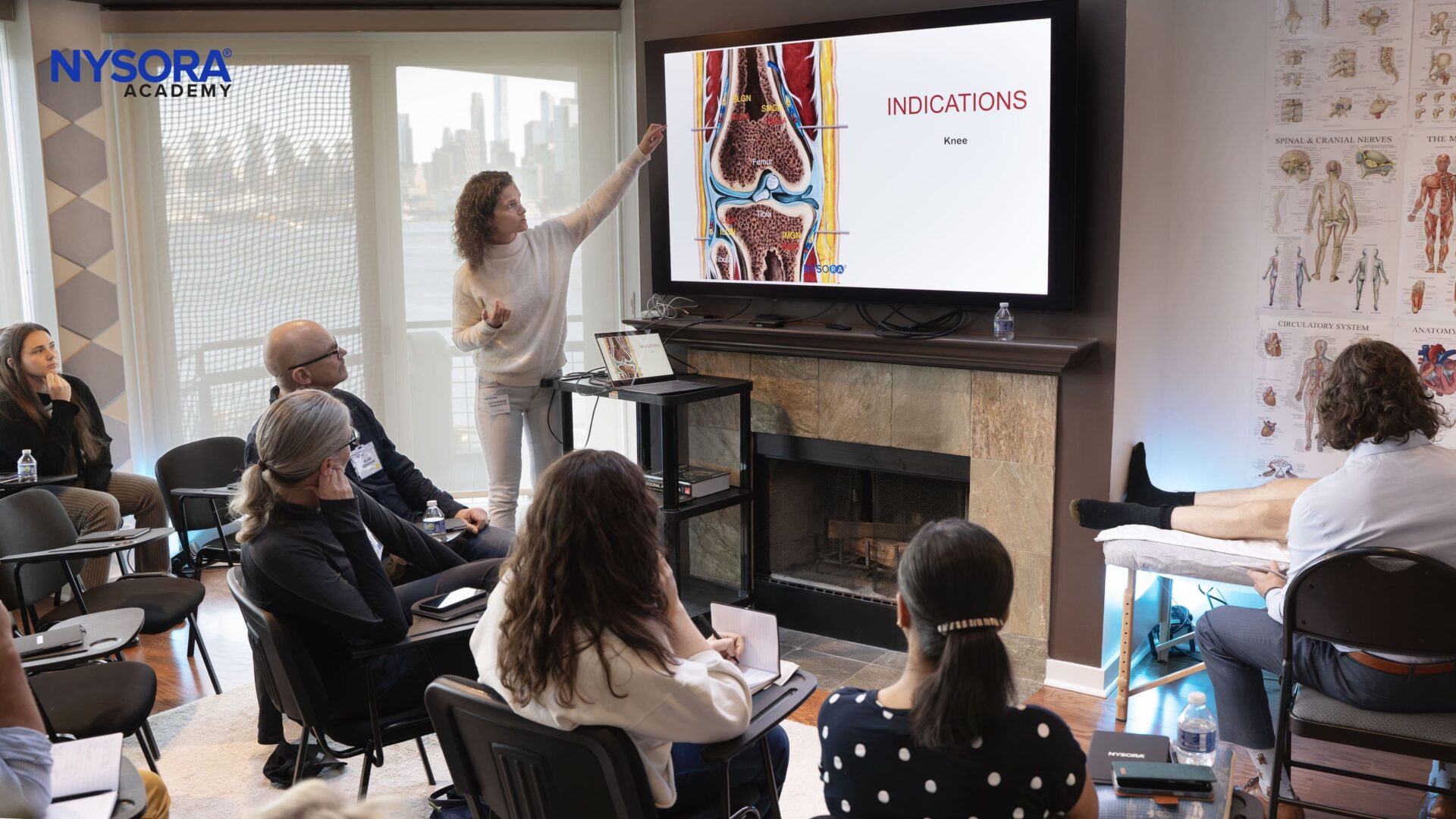
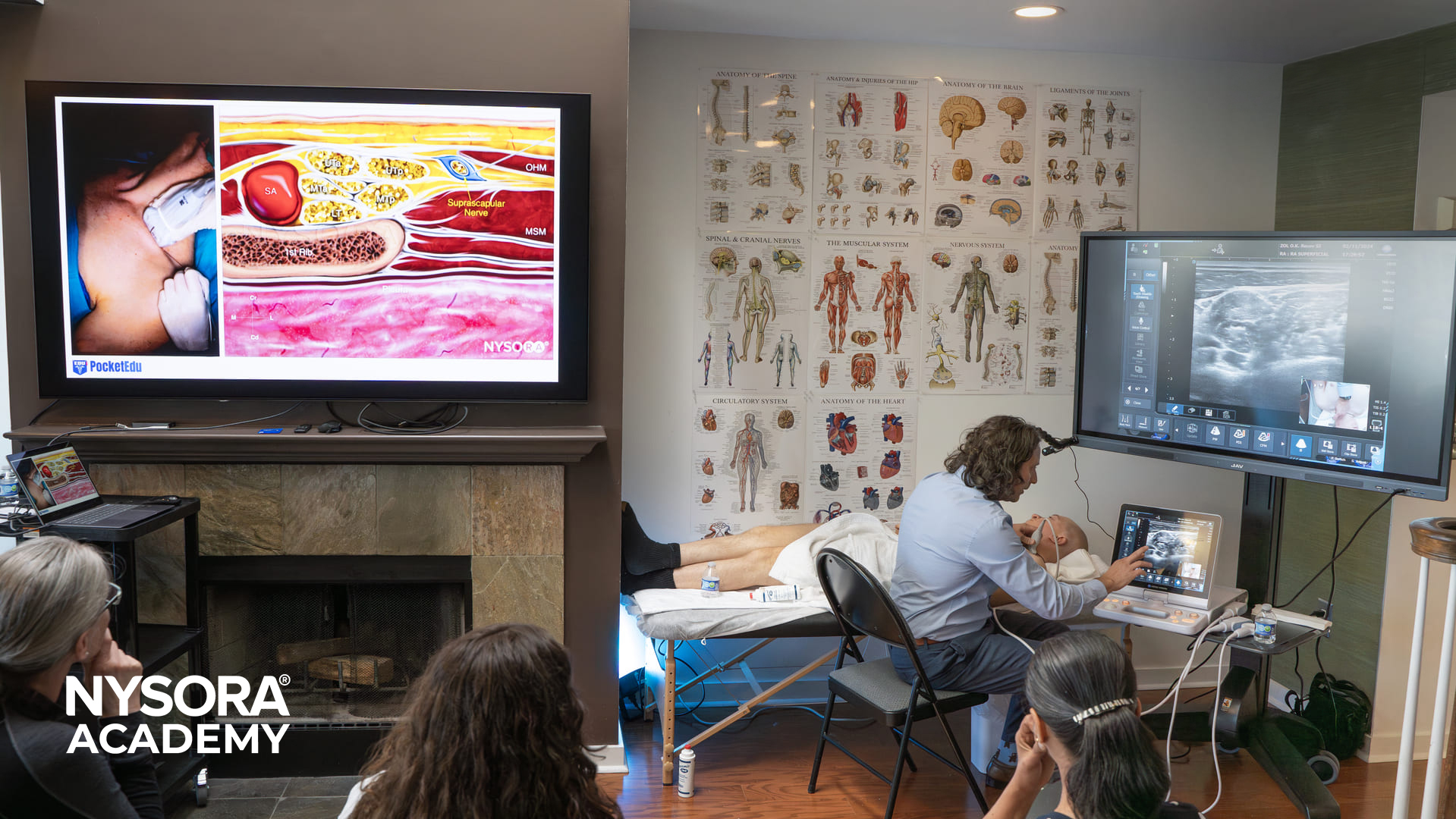
    Each topic begins with a concise lecture, followed by live demonstration and immediate hands-on scanning, reinforcing knowledge and accelerating skill acquisition.
  • Interactive Case Discussions and Clinical Integration
    Case-based sessions and interactive Q&A help participants integrate ultrasound findings into real-world clinical decision-making, improving diagnostic accuracy and bedside confidence.
Schedule
Day 1
  • Registration and Breakfast
  • Welcome and Introduction
  • Gastric Ultrasound
  • Demonstration & Hands-on Scanning
  • FAST
  • Demonstration & Hands-on Scanning
  • Coffee Break
  • Introduction to Airway
  • Demonstration & Hands-on Scanning
  • Lung Exam
  • Demonstration & Hands-on Scanning
  • Lunch Break
  • DVT
  • Demonstration & Hands-on Scanning
  • Standard Cardiac Views (FATE) and IVC Imaging
  • Demonstration & Hands-on Scanning
  • Coffee Break
  • FEEL Protocol
  • Demonstration & Hands-on Scanning
  • FATE Clinical Cases
Day 2
  • Registration and Breakfast
  • Review of Previous Day: Gastric, Airway, FAST, Lung & DVT
  • Interactive Q&A
  • Hands-on Scanning: Gastric, FAST, Lung & DVT
  • Coffee Break
  • Global Ventricular Function, EF, TAPSE & MAPSE
  • Demonstration & Hands-on Scanning
  • Interactive Q&A on Cardiac FATE
  • Upcoming POCUS Topics (VExUS)
Venue

The Arch - NYSORA Academy

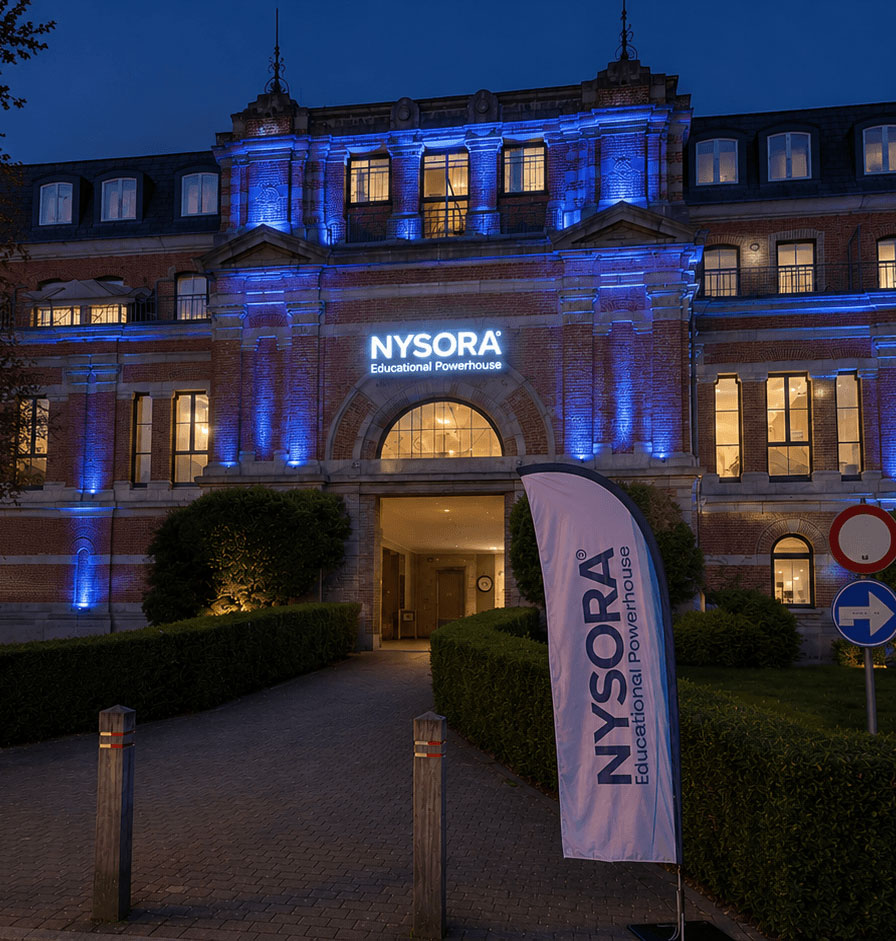
The Arch - NYSORA Academy is located in a historic building in Leuven, close to the Arenberg Campus of KU Leuven University. Our venue address is Slachthuislaan 1, Bus 102, 3000 Leuven. Our venues are carefully selected for their prime location near major transport hubs, proximity to the city and attractions, inspiring views, and top-notch equipment, ensuring the best experience for all attendees.

Arriving by Air:

  • Brussels Airport (BRU) is approximately 20 minutes from the venue.

Public Transport:

  • The venue is easily accessible by bus and public transport, with a bus stop nearby.
  • Buses from Leuven Train Station take about 15 minutes.

Closest Hotel:

  • The Shepherd and the Ibis Leuven Centrum are the nearest hotels, both within walking distance of the venue. Check below to make a reservation.
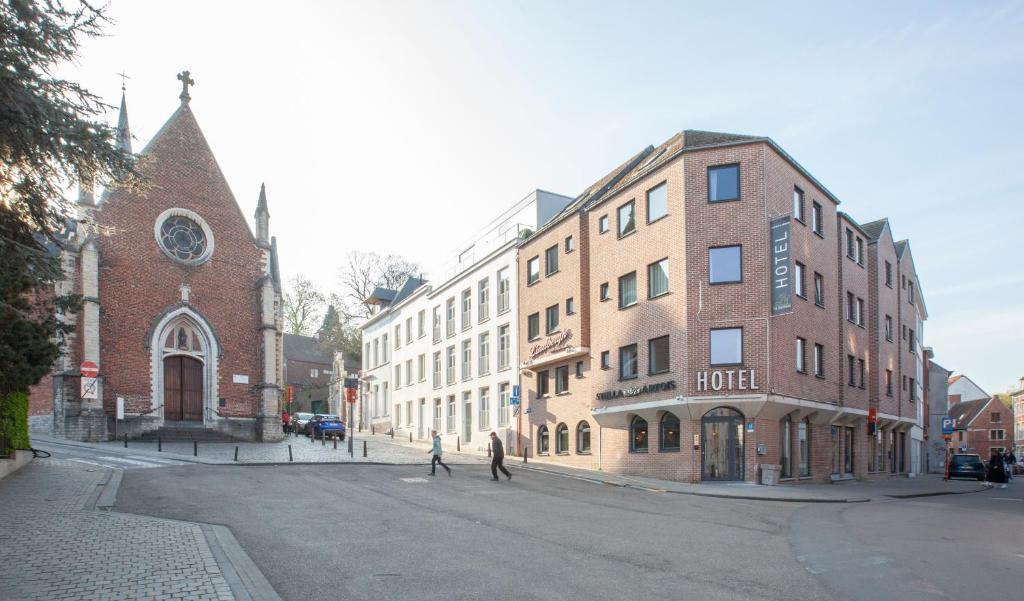
The Arch - NYSORA Academy

Closest Hotels

The Shepherd and the Ibis Leuven Centrum are the nearest hotels, both within walking distance of the venue. Check below to make a reservation.

The Shepherd
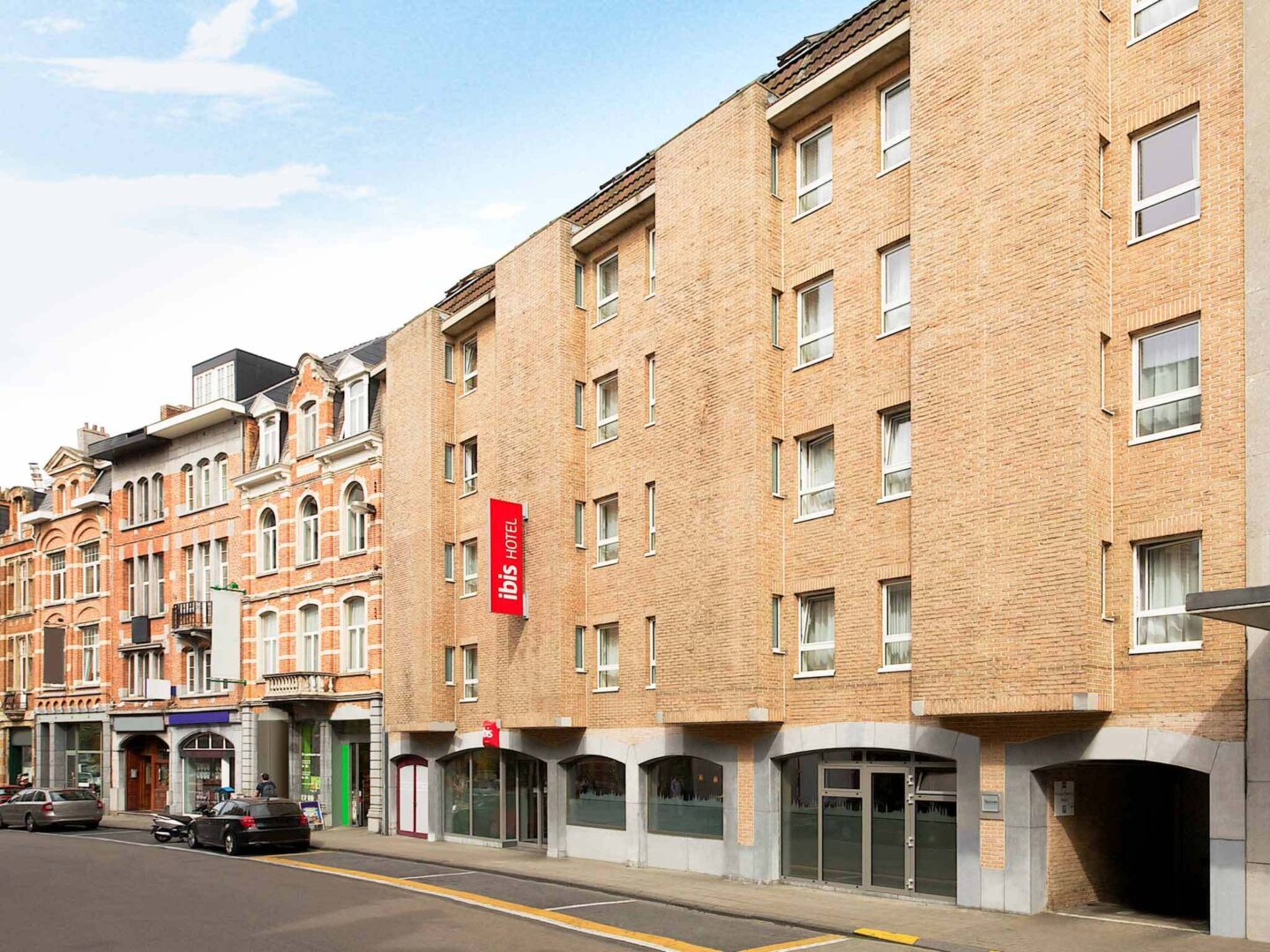
Ibis Leuven Centrum

Venue

NYSORA USA Academy

An inspired setting with stunning views across the Hudson to NYC. A truly enviable location in Weehawken, NJ. Please note that this venue is accessed via stairs.

Our venues are carefully selected for their prime location near major transport hubs, proximity to the city and attractions, inspiring views, and first-rate equipment, ensuring the best possible experience for all attendees.

Arriving by Air:
Newark Airport is located 13 miles from the Academy. CLICK HERE for more information.

Arriving by Car:
A parking garage is available within a 5-minute walk. CLICK HERE for more information.

Arriving by Ferry:
The Academy is located immediately next to the Lincoln Harbor Ferry Terminal, with ferries from Midtown Manhattan taking approximately 8 minutes. Please check the timetable HERE.

Bus:
Buses from NYC to Lincoln Harbor take approximately 15 minutes. CLICK HERE for more information.

Closest Hotel:
The Sheraton Lincoln Harbor Hotel is located just a 3-minute walk from the Academy. CLICK HERE to make a reservation.

Address:
2753 Broadway, New York, NY 10025, United States

NYSORA USA Academy

Testimonials

“The workshop changed the way I approach bedside ultrasound. The combination of concise teaching and extensive scanning practice was especially useful.”

David Hutchinson

“Every scan started with a clinical question, which made it much easier to understand where POCUS actually fits in patient management.”

Robert Wall

“The cardiac sessions were very practical. Repeating the views with faculty feedback made a major difference.”

Maxime Elens

“The amount of hands-on scanning was the strongest part of the course. We had time to correct the image and try again.”

Arthur Vincent

Every NYSORA event I've attended has delivered practical knowledge that immediately translated into my clinical practice. The combination of world-class faculty and an engaging learning environment keeps me coming back.

Graham Coupland, Queensland
Health, Australia

The atmosphere encourages discussion, questions, and genuine interaction. I left with new techniques, fresh ideas, and professional connections that will benefit my career.

Thomas Kristiansen

See More Information

What is a CME activity? A Continuing Medical Education(CME) activity serves to maintain, develop, or increase the knowledge, skills, and professional performance and relationships that a physician uses to provide services for patients, the public, or the profession.

Why do physicians need continuing medical education (CME) credit? Physicians use CME credit to demonstrate that they have participated in educational activities and obtained CME credit to document meeting the requirements of state medical boards, medical specialty societies, specialty boards, hospital medical staffs, the Joint Commission, insurance groups, and others.

How are CME credits tracked for physicians? There is no centralized tracking of AMA PRA credits. Each accredited CME provider is required to keep records of AMA PRA Category 1 Credits™ claimed by physicians who participate in their activities for six years from the date of completion of the activity. Because credits may be obtained from a variety of accredited CME providers, physicians should maintain a record of their CME credits from all sources.

What documentation does a physician receive for participating in a certified CME activity provided by an accredited CME provider? Accredited CME providers are required to make available documentation of credits claimed by physicians at their request, but there is no requirement for a specific type of documentation to be used. Many accredited CME providers will issue a credit certificate at the completion and evaluation of an activity.

Nurse Practitioners credit? The American Nurses Credentialing Center (ANCC) accept CME from organizations accredited by the ACCME.
  • Interpret various sonographic artifacts and outline a plan for troubleshooting these using various transducer maneuvers and ultrasound machine setting adjustments;
  • Demonstrate the correct sonographic technique for identification of the brachial plexus and individual nerves of the lower extremity, and associated vascular and musculoskeletal structures;
  • Demonstrate the correct sonographic technique for performance of truncal blocks including transversus abdominis plane block, rectus sheath block, and paravertebral and neuraxial block;
  • Develop a framework for the establishment of a regional anesthesia service using strategies to increase surgical, anesthetic and hospital buy-in;
  • Discuss the rational choice of local anesthetics and adjuvants for various peripheral nerve blocks.

Frequently Asked Questions

Common questions about our workshop programs.

NYSORA Workshops are small-group, hands-on training programs focused on ultrasound-guided techniques in regional anesthesia, pain procedures, and POCUS. Workshops are structured training courses that combine brief teaching with extensive hands-on practice using ultrasound machines, live models, and simulators.

NYSORA workshops are designed to be highly practical. While short lectures and demonstrations provide a clinical framework, most of the program is dedicated to hands-on scanning, supervised practice, and real-time feedback from faculty.

Depending on the course, workshops may cover:
  • Ultrasound-guided regional anesthesia and nerve blocks
  • Ultrasound-guided pain interventions (acute and chronic pain)
  • POCUS scanning and clinical interpretation
  • Needle visualization, sonoanatomy, and standardized step-by-step approaches
Each workshop page lists the exact procedures and learning objectives.

Workshops are led by experienced clinicians and educators with deep expertise in regional anesthesia, pain medicine, and ultrasound-guided techniques. Faculty composition varies by course and is listed on each workshop page.

No formal prerequisites are required for most workshops. Courses are designed to support a range of skill levels—from trainees building fundamentals to experienced clinicians refining ultrasound-guided techniques.

Any course-specific requirements are listed on the event page.

Inclusions vary by event, but typically include:
  • Access to the full educational program
  • Use of ultrasound equipment, models, and training materials (for workshops)
  • Course resources and supporting materials
  • Lunch and breaks (when specified)
  • Access to digital learning tools such as the NYSORA Nerve Blocks App and Anesthesia Assistant App
Exact inclusions are listed on the individual event page. Travel and accommodation are generally not included. Where available, event pages provide guidance on nearby hotels and transportation for convenience.

In most cases, you do not need to bring any special equipment—ultrasound machines and training materials are provided. It’s recommended to bring:
  • Comfortable attire
  • A notebook
  • An optional tablet or laptop for accessing digital resources

Cancellations must be submitted in writing to [email protected]. The general policy is:
  • More than 30 days before the event: 50% refund
  • Within 30 days of the event: No refund
Rescheduling may be possible depending on availability but is not guaranteed. Always review the specific event page for the most accurate policy.