 Nerve Blocks App
 Anesthesia Assistant App
 Ultrasound Pain App
 Pain Medicine Assistant App
 POCUS App
 IV Access App
 MSK Knee App
 VetRA App
 Nerve Block Manual
 Regional Anesthesia Updates
 Anesthesiology Manual
 Anesthesiology Review
 Anesthesia Updates 2025
 Anesthesia Updates 2026
 Pediatric Anesthesia Updates
 Airway Management Updates
 US Interventional Pain Manual
 Pain Medicine Updates
 Mastering Difficult IV Access
 PACU Nursing Manual
 RA Veterinary Manual
 Books
Books About
About
Learning objectives
- Recognize Disseminated Intravascular Coagulation (DIC)
- Management of DIC
Definition and mechanisms
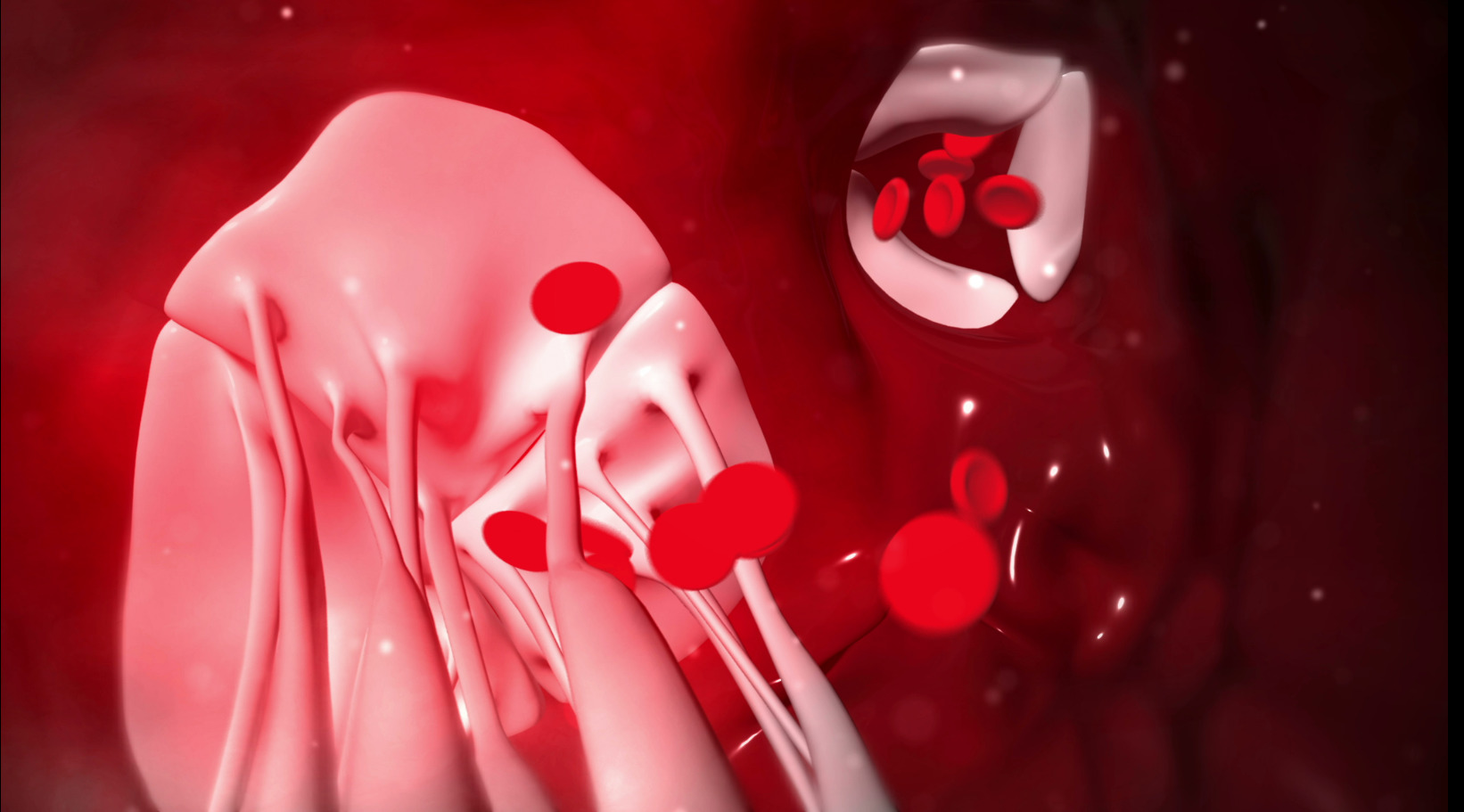
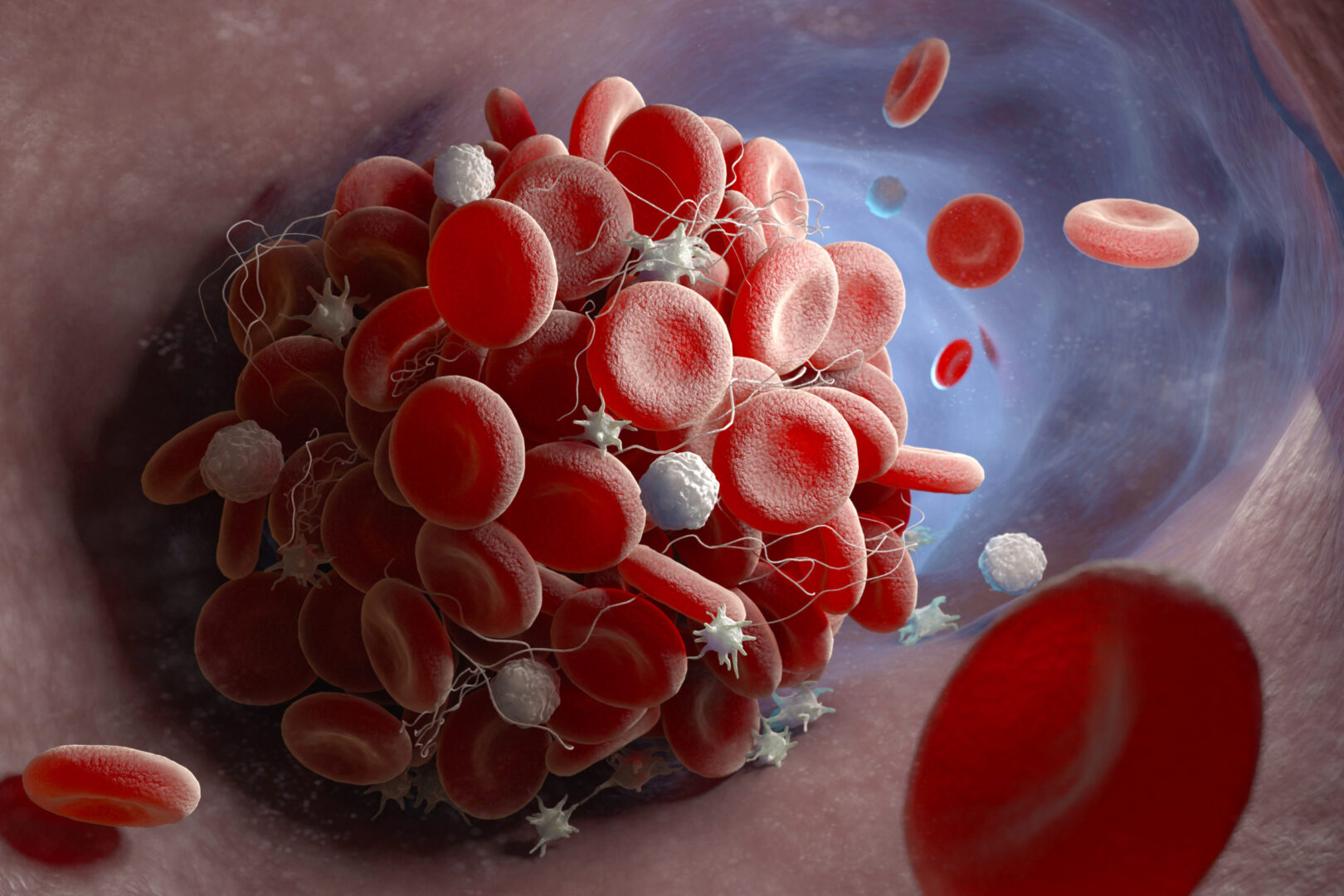
- Disseminated Intravascular Coagulation is a life-threatening disease characterized by systemic activation of blood coagulation
- Resulting in the generation and deposition of fibrin
- Leading to microvascular thrombi in various organs and contributing to multiple organ dysfunction syndrome (MODS)
- Consumption of clotting factors and platelets in DIC can result in life-threatening hemorrhage
- Hence, a patient with DIC can present with a simultaneously occurring thrombotic and bleeding problem, obviously complicating the proper treatment
- DIC affects about 10% of very ill patients with sepsis, cancer, or pancreatitis or patients recovering from traumatic injuries such as burns or serious complications from pregnancy and delivery
Signs and symptoms
- Bleeding at wound sites or from the nose, gums, or mouth
- Blood in the stool or urine
- Bruising
- Chest pain
- Pain, redness, warmth, and swelling of the leg
- Confusion, memory loss, or change of behavior
- Difficulty breathing
- Fever
Causes
| Sepsis | |
| Major damage to organs or tissues | Cirrhosis Pancreatitis Severe injury Burns Major surgery |
| Severe immune reactions | Failed blood transfusion Organ transplant rejection Toxin: snake venom |
| Serious pregnancy-related problems | Separation of the placenta from the uterus before delivery Amniotic fluid in the bloodstream Serious bleeding during or after delivery |
| Cancer | |
| Covid-19 |
Complications
- Acute respiratory distress syndrome (ARDS)
- Bleeding in the gastrointestinal tract
- Heart attack
- Shock
- Stroke
- Venous thromboembolism
Diagnosis
| International Society of Thrombosis and Hemostatis criteria | |
|---|---|
| Clinical condition predisposing to DIC | Essential |
| The presence of clinical symptoms | Not used |
| Platelet count (in x 109/L) | 50-100: 1 point -50: 2 points |
| Fibrin-related marker | Moderate increase: 2 points Marked increase: 3 points |
| Fibrinogen | <1: 1 point |
| Prohtrombin time | > 6: 2 points |
| DIC diagnosis | ≥ 5 points |
Management
Suggested reading
- Thachil J. Disseminated Intravascular Coagulation: A Practical Approach. Anesthesiology. 2016;125(1):230-236.
- Ridley, S., Taylor, B., Gunning, K., 2007. Medical management of bleeding in critically ill patients. Continuing Education in Anaesthesia Critical Care & Pain 7, 116–121.
Clinical updates
Scarlatescu E et al. (Anesthesiology, 2024) provide an updated framework describing DIC as a dynamic imbalance between coagulation activation and fibrinolysis, varying by clinical context (sepsis, trauma, obstetrics). The review highlights that sepsis-associated DIC is typically characterized by suppressed fibrinolysis and microvascular thrombosis (with SIC and ISTH scores aiding early detection), whereas trauma-related DIC often presents with early hyperfibrinolysis requiring targeted hemostatic resuscitation (e.g., tranexamic acid, viscoelastic-guided transfusion).
- Read more about this study HERE.
Deshpande et al. (Anesthesiology, 2025) highlight that malignancy-associated coagulopathy represents a major driver of disseminated intravascular coagulation (DIC), occurring in up to 10% of solid tumors and 20% of hematologic cancers. Tumor-mediated tissue factor overexpression, procoagulant microparticles, and neutrophil extracellular traps promote systemic coagulation activation, resulting in a spectrum ranging from subclinical hypercoagulability to overt DIC with both thrombosis and bleeding.
- Read more about this study HERE.