- Learn
-
Apps
View all apps
Veterinary
 VetRA App

- Books
- Events
- News
- Partners
- About
- For Clinicians
 VetRA App

 Back To Events
 WORKSHOPS
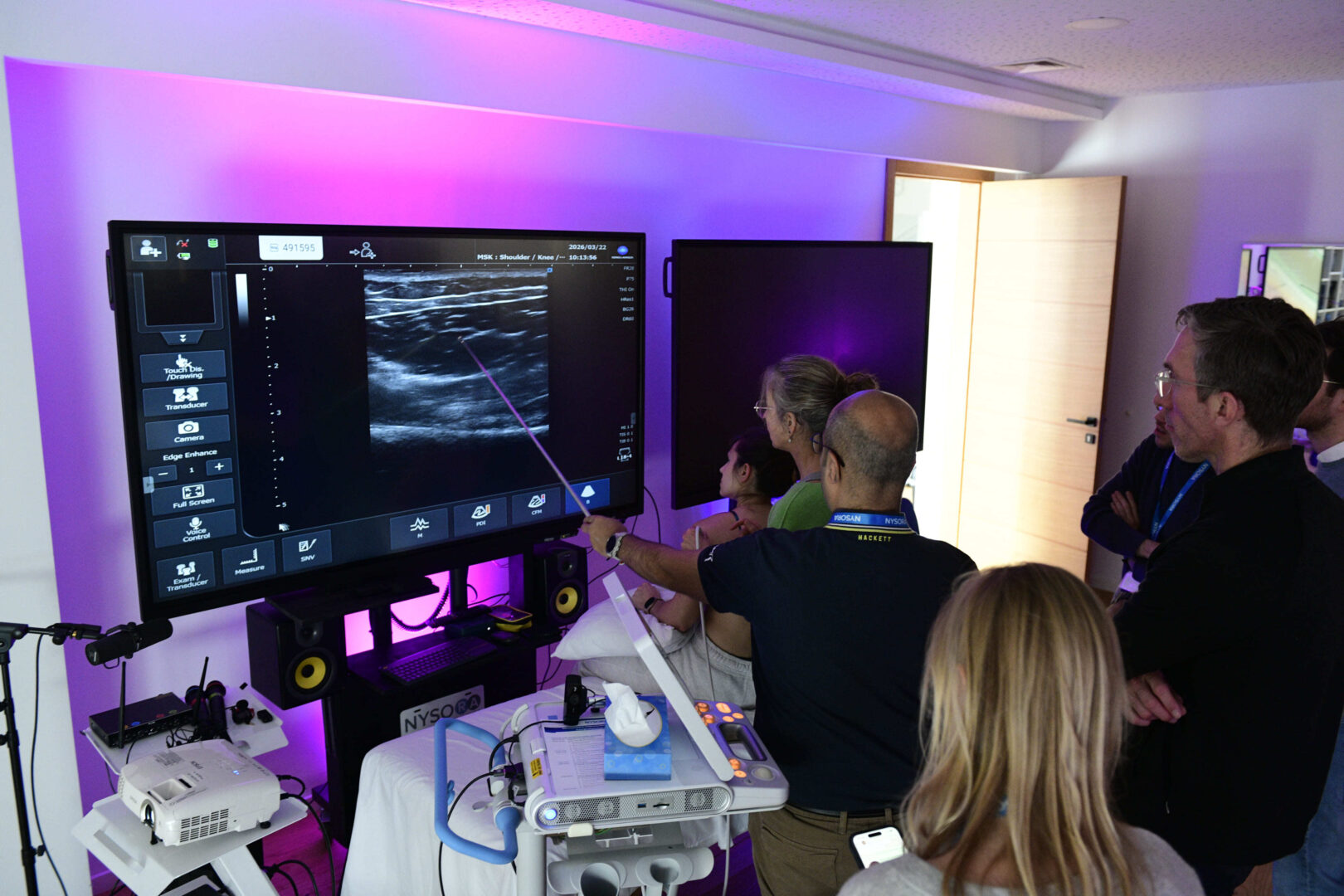
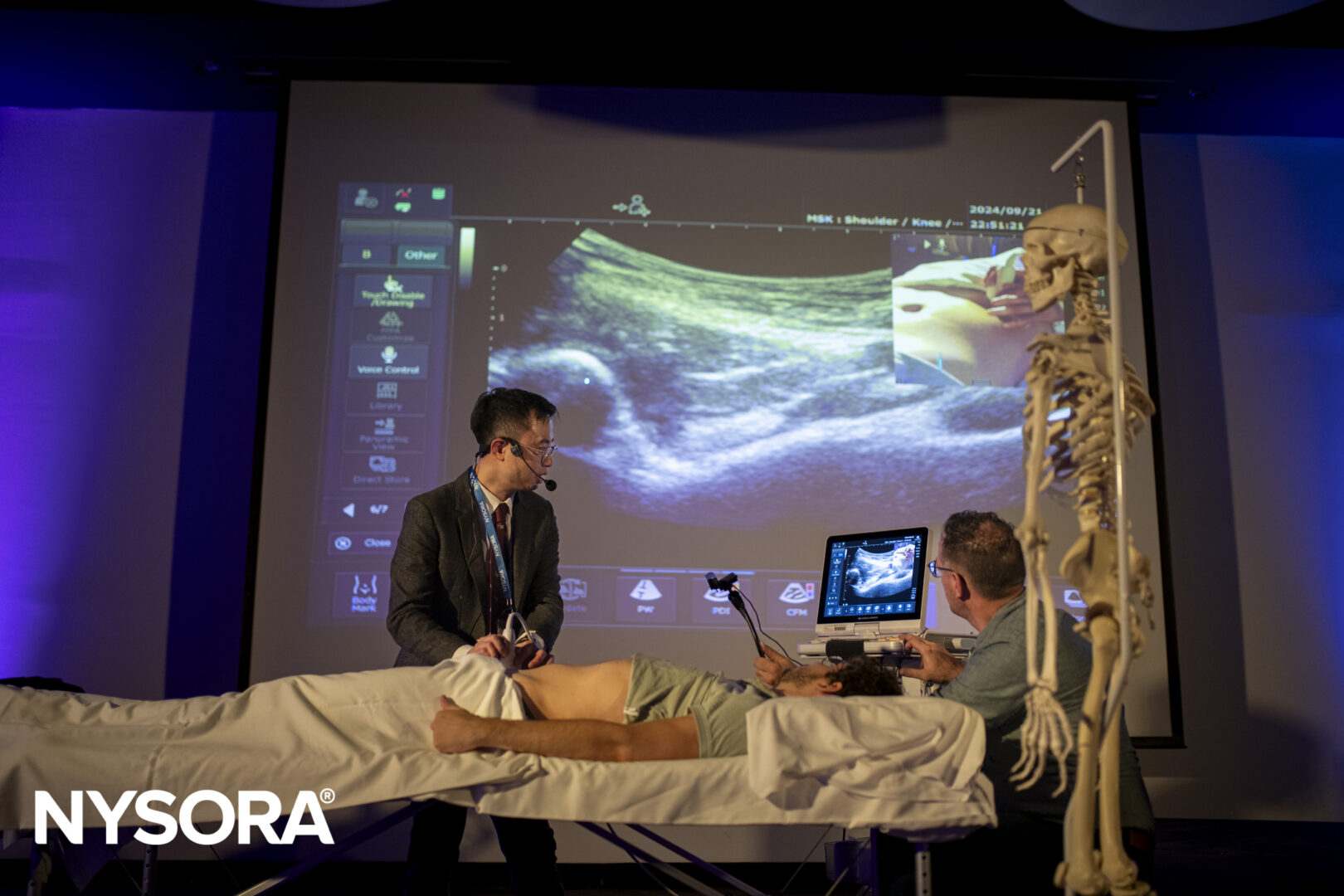
Hands-on ultrasound training for physicians performing interventional pain procedures.
Learn a structured approach to sonoanatomy, target identification, probe positioning, procedural planning, and clinical application across the spine, peripheral nerves, joints, and major musculoskeletal regions.
The Workshop Focus
Start with the pain condition, relevant anatomy, and intended procedural target.
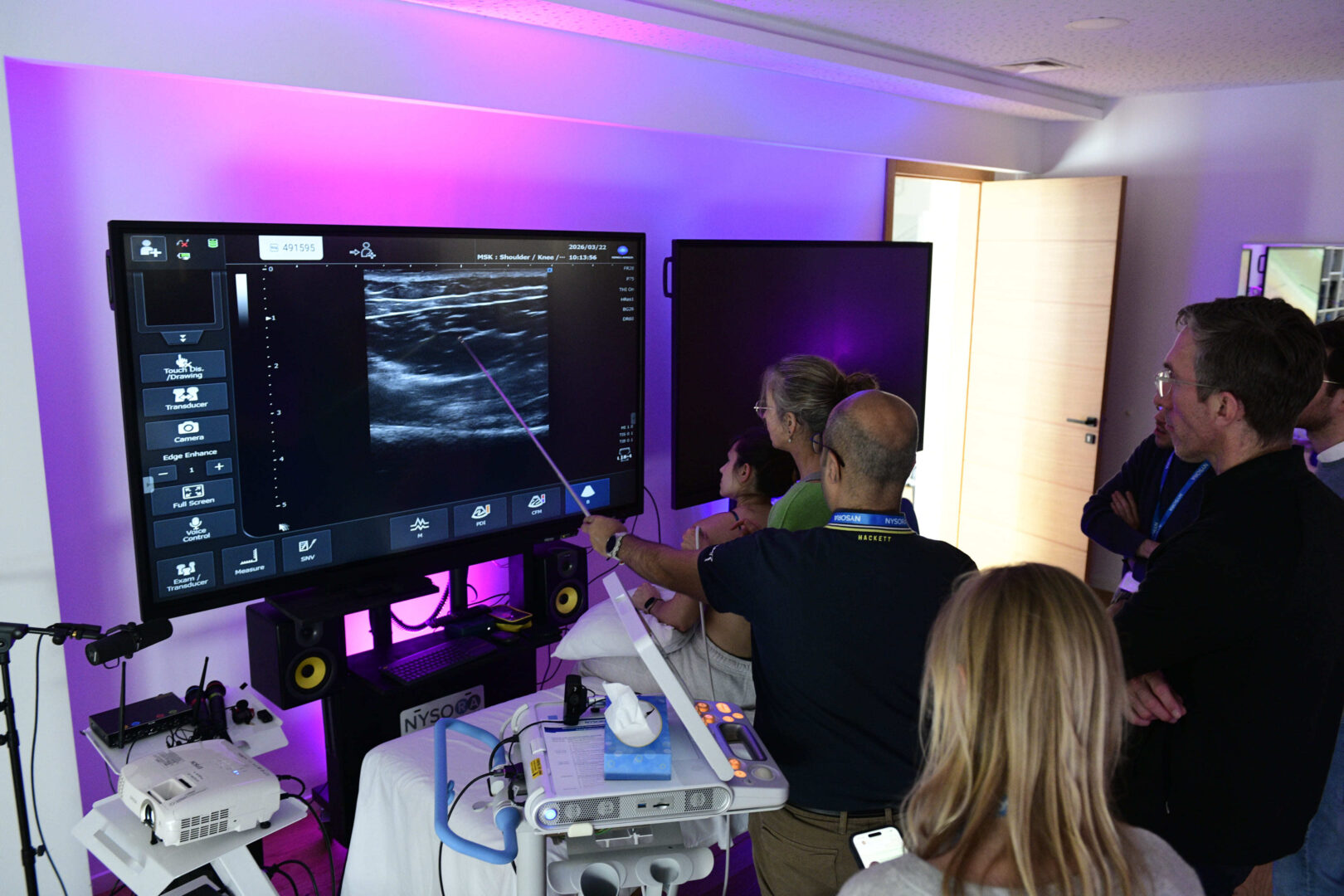
Identify nerves, joints, muscles, tendons, fascia, vessels, and spinal landmarks on ultrasound.
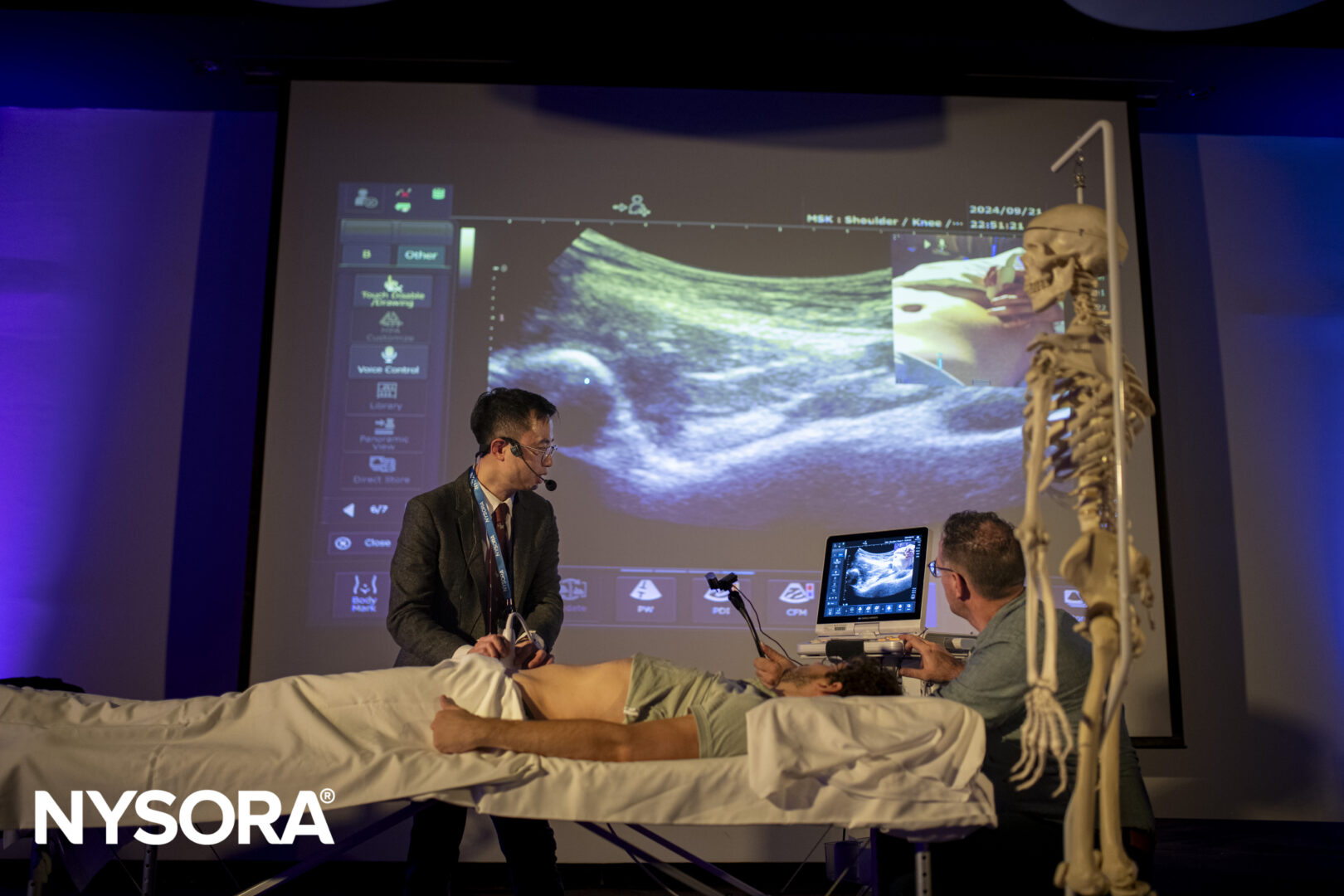
Use probe position, movement, pressure, and ultrasound settings to obtain the view required for the procedure.
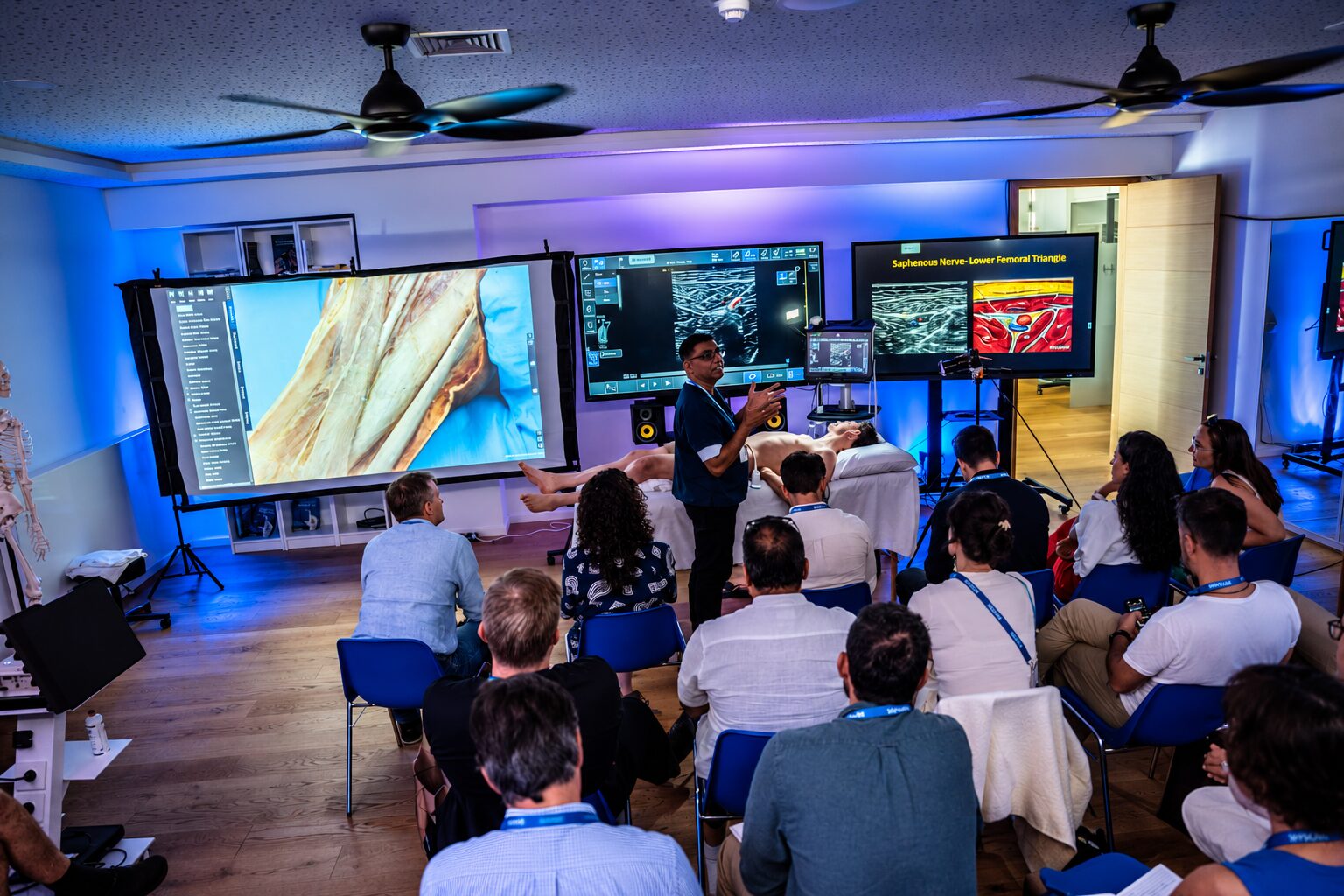
Define the target, trajectory, surrounding structures, and procedural approach before intervention.
A More Structured Approach to Pain Ultrasound
After the workshop, participants should be better prepared to:
Selected NYSORA pain workshops include dedicated preparation for the CIPS examination.
Training may include:
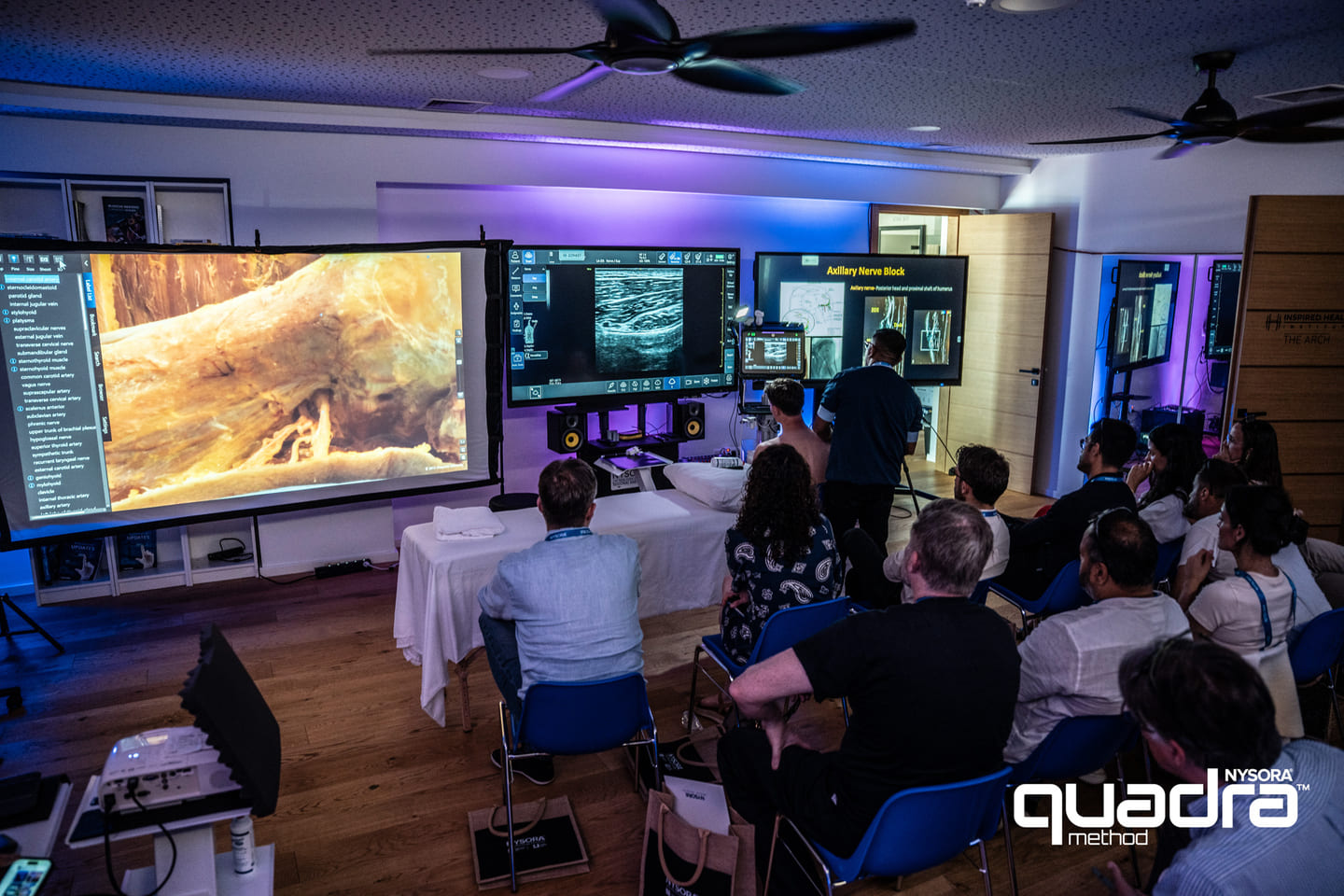
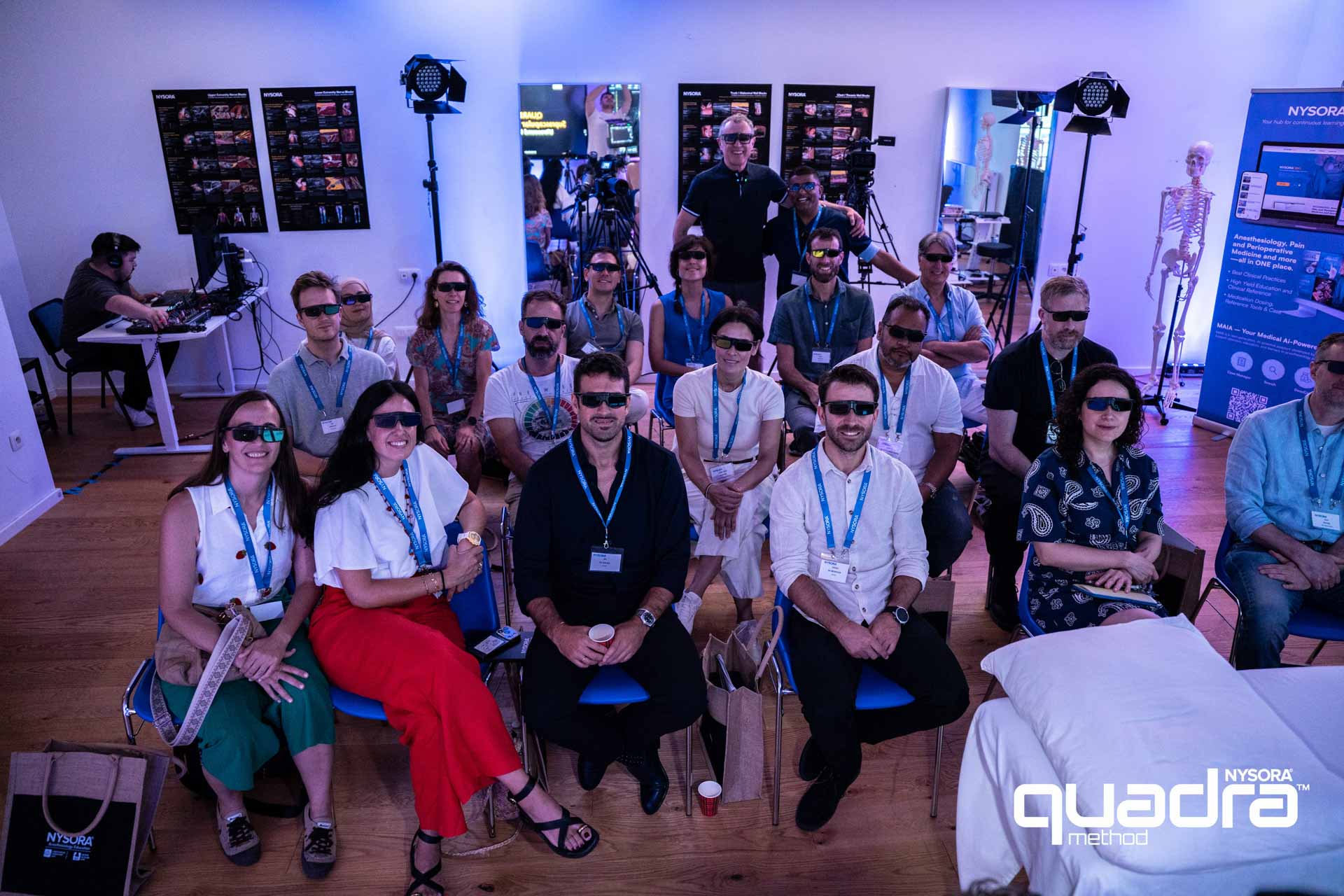
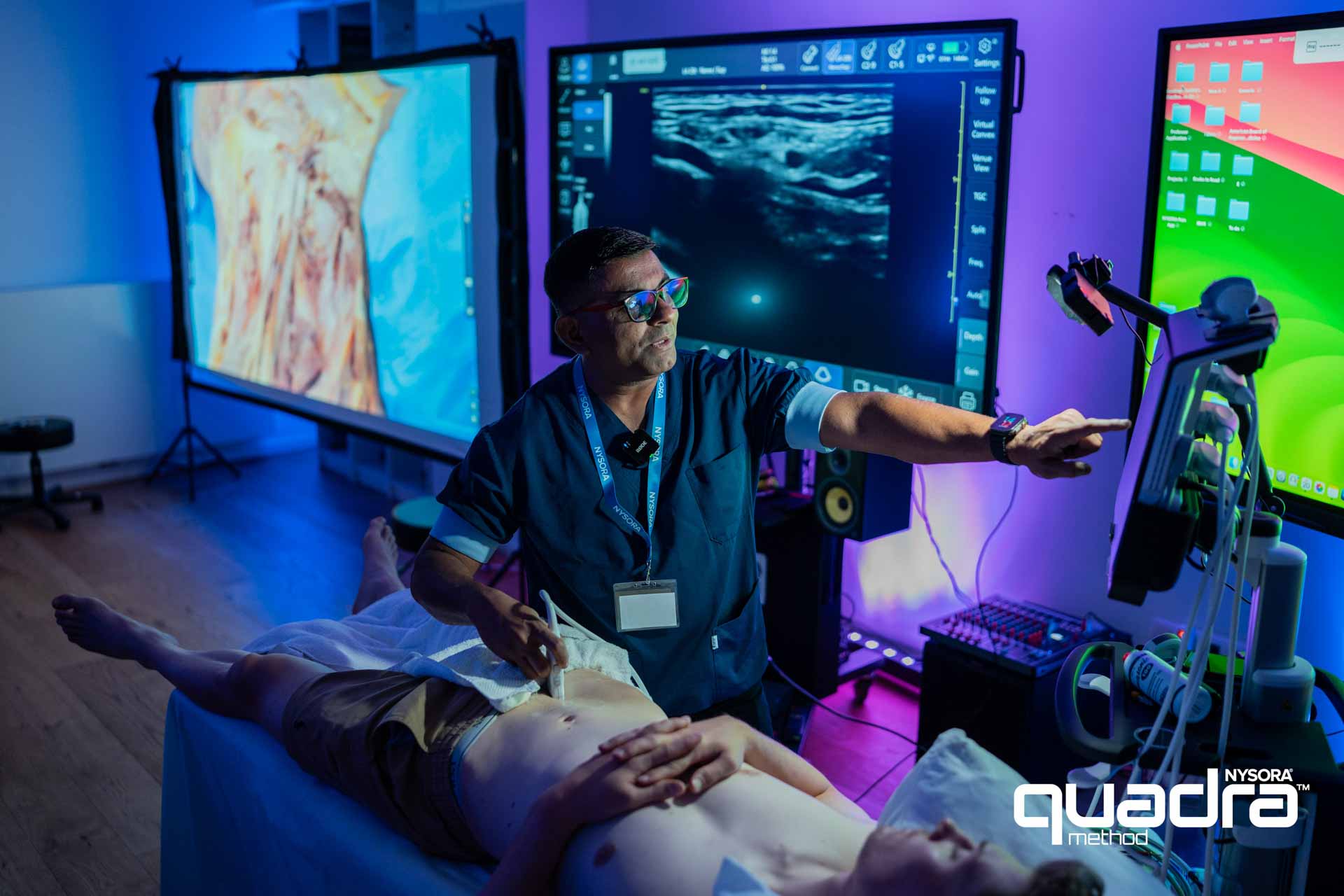
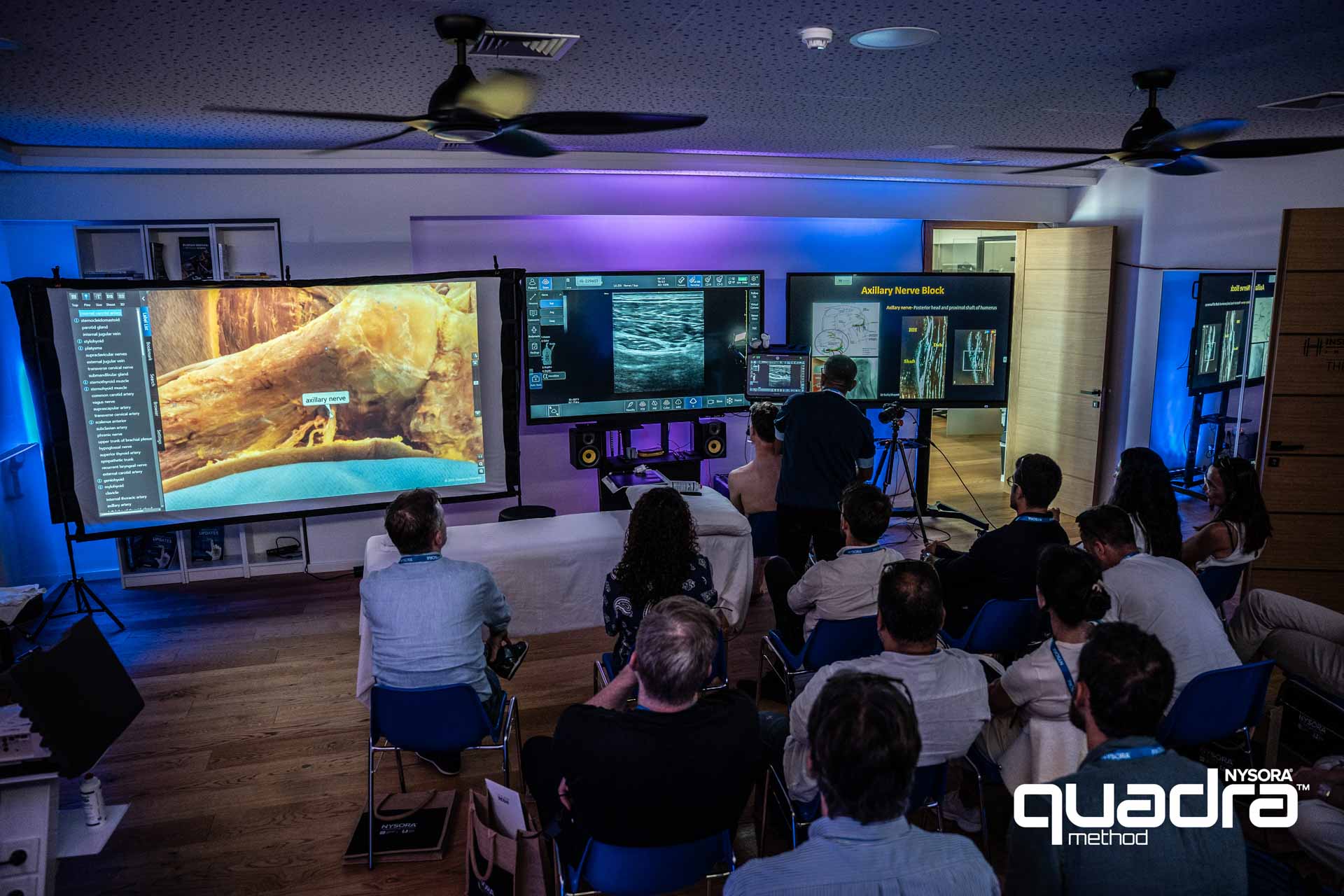
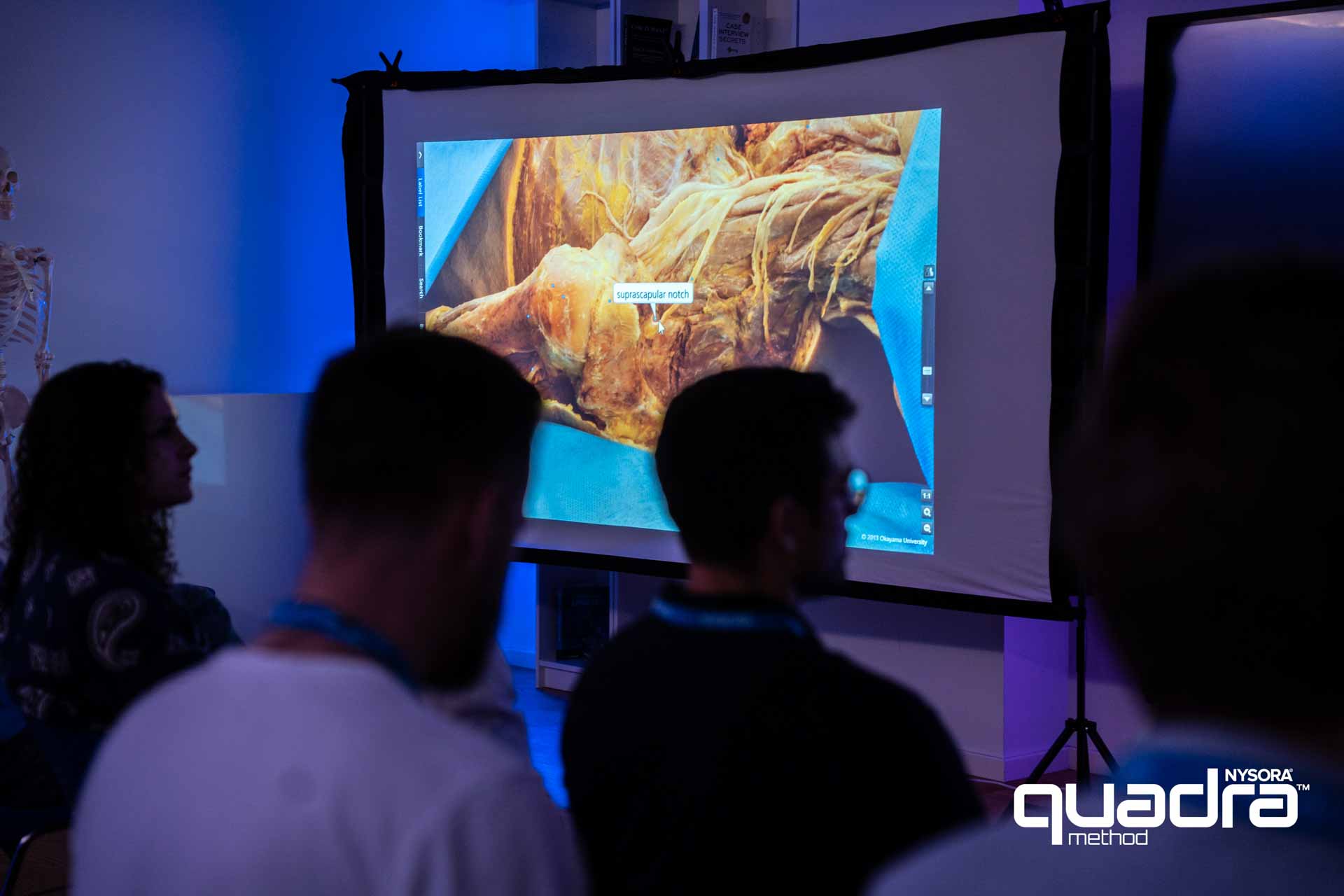
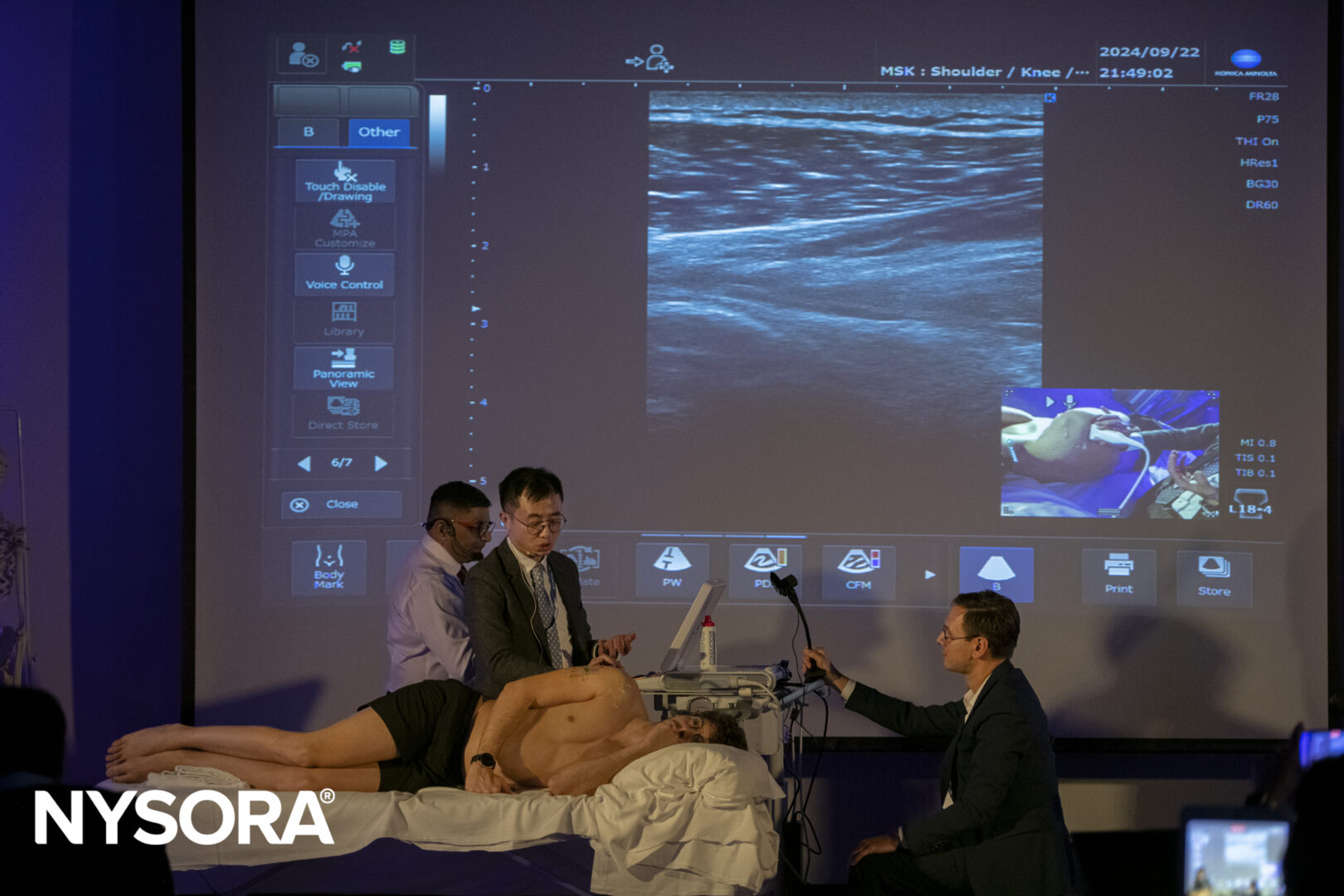
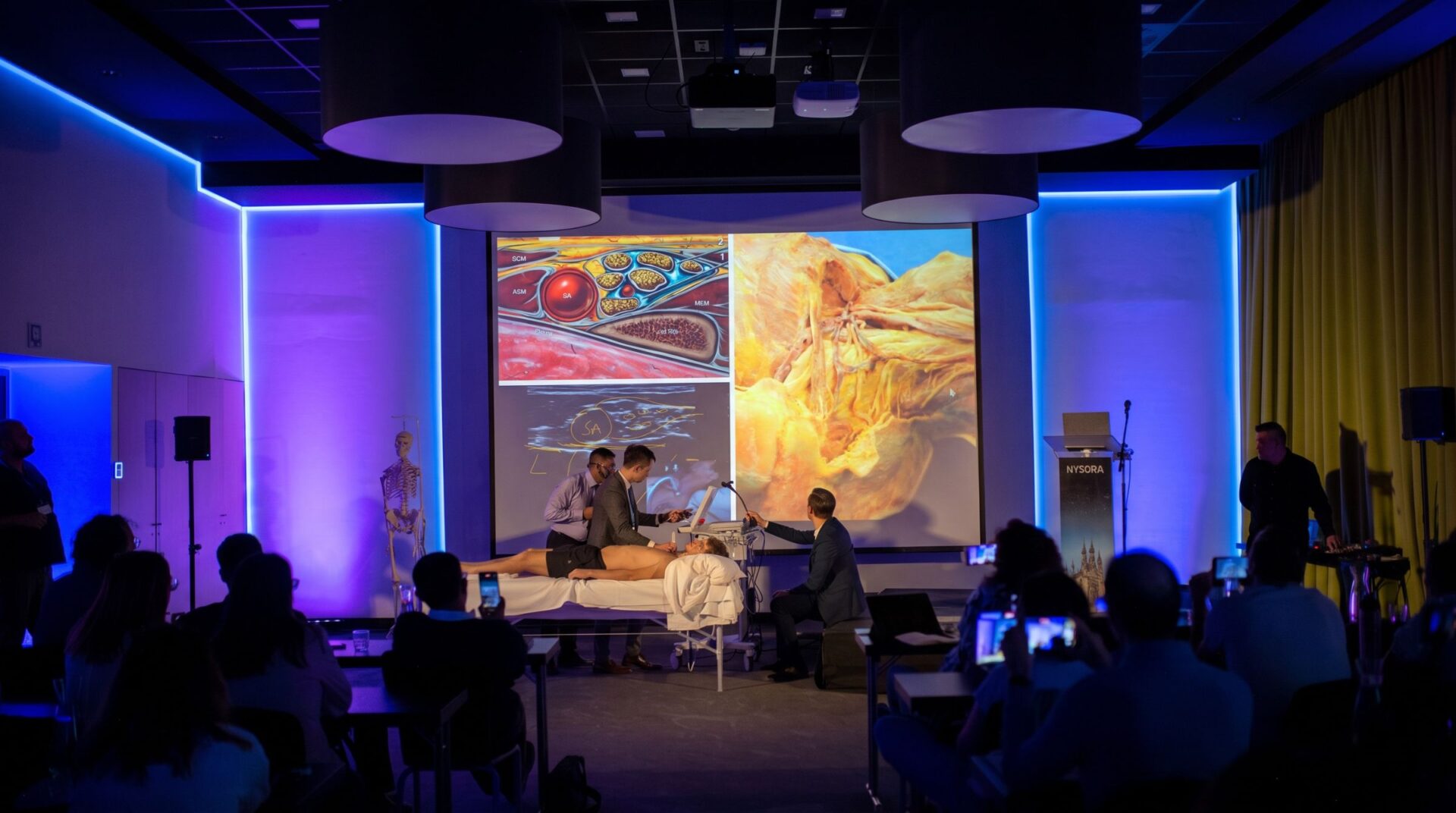
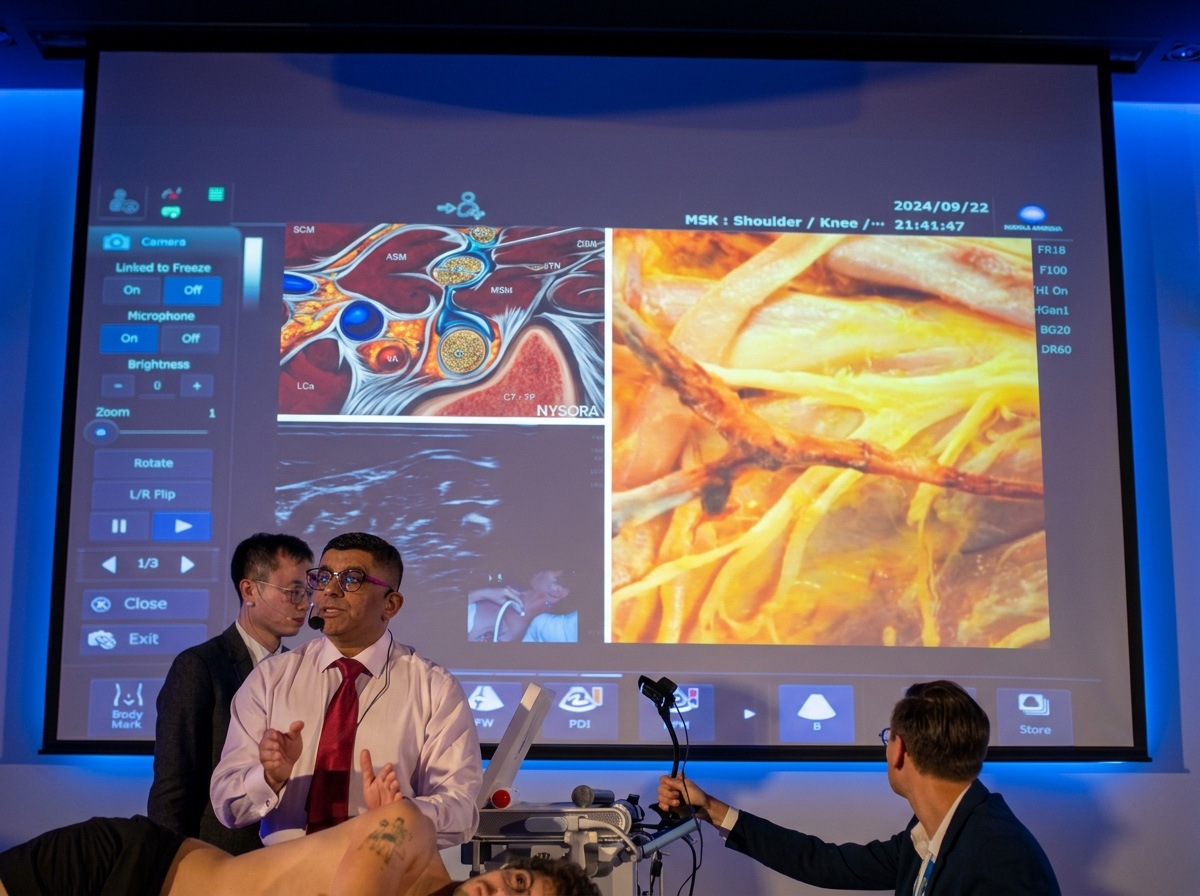
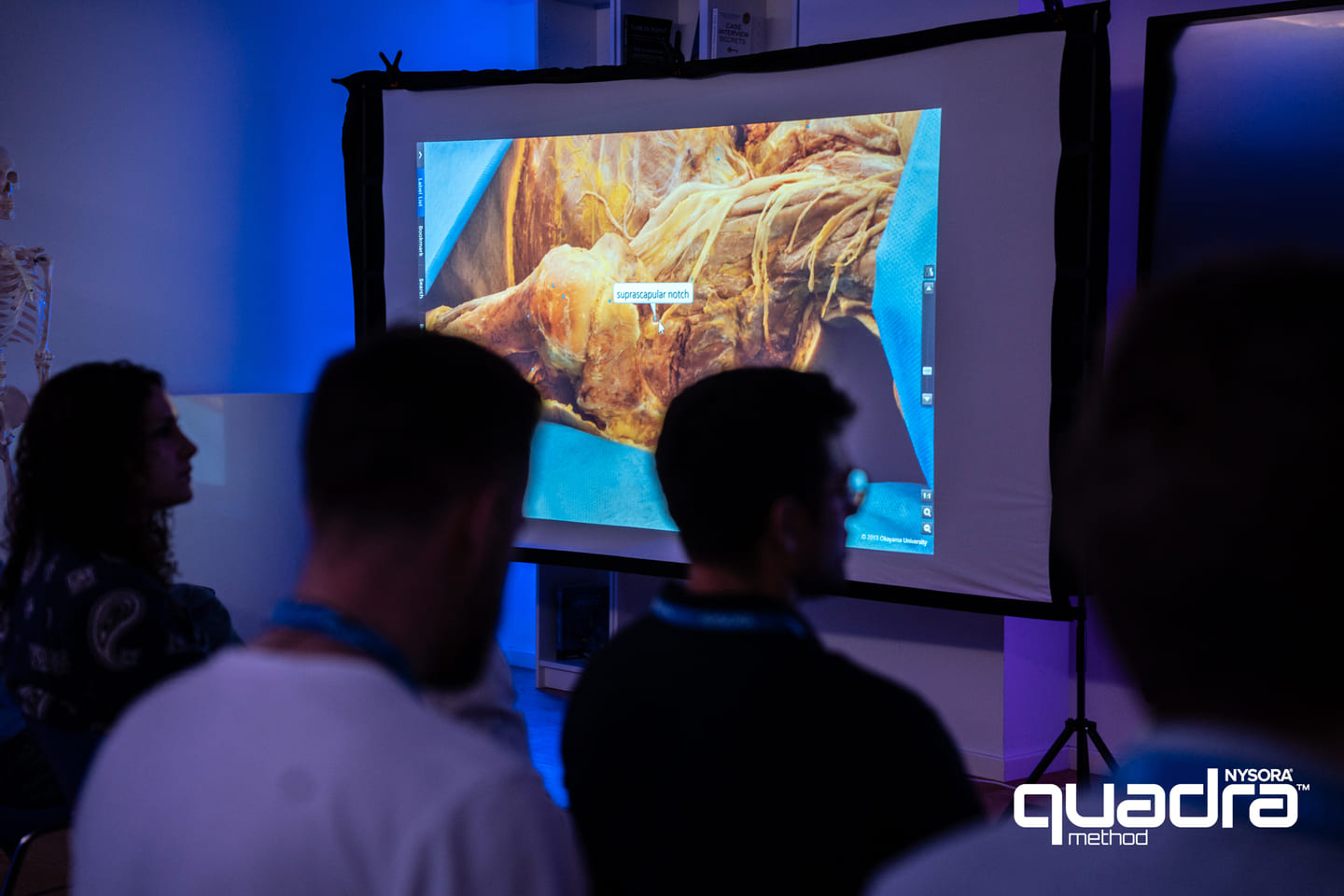
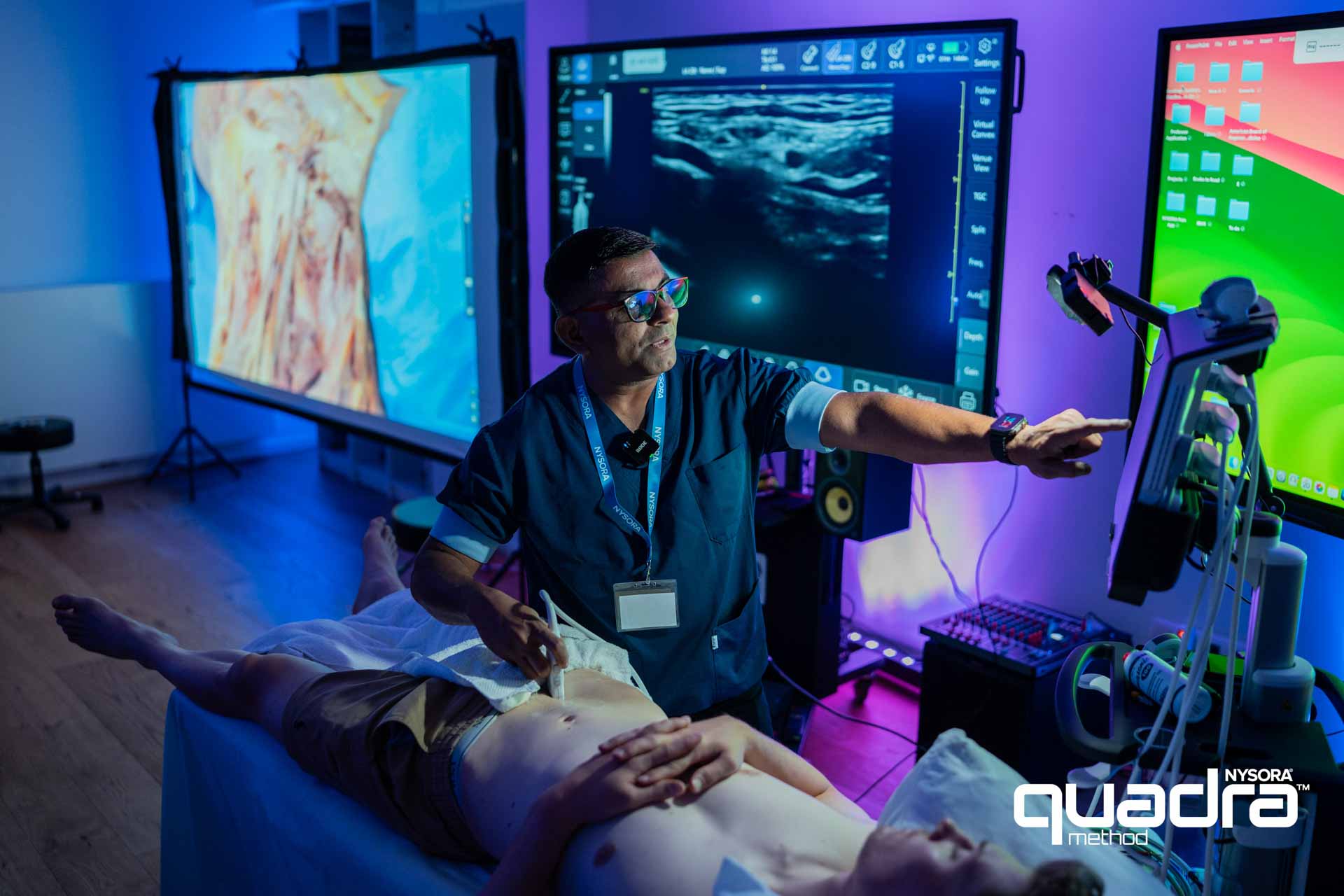
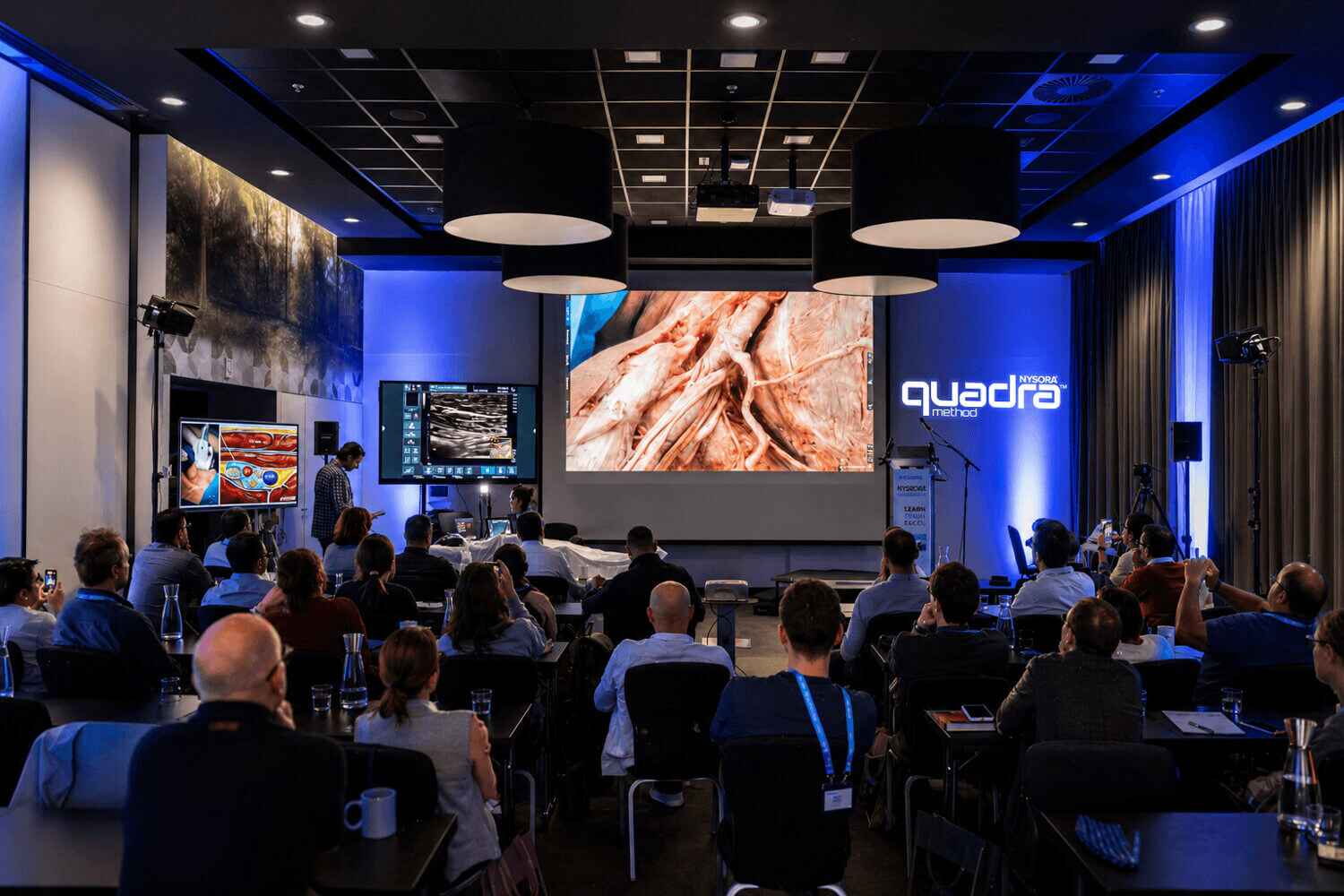
QUADRA™ is NYSORA’s integrated method for teaching regional anesthesia through multiple synchronized views in selected workshops.
QUADRA™ can bring together:
Expertise

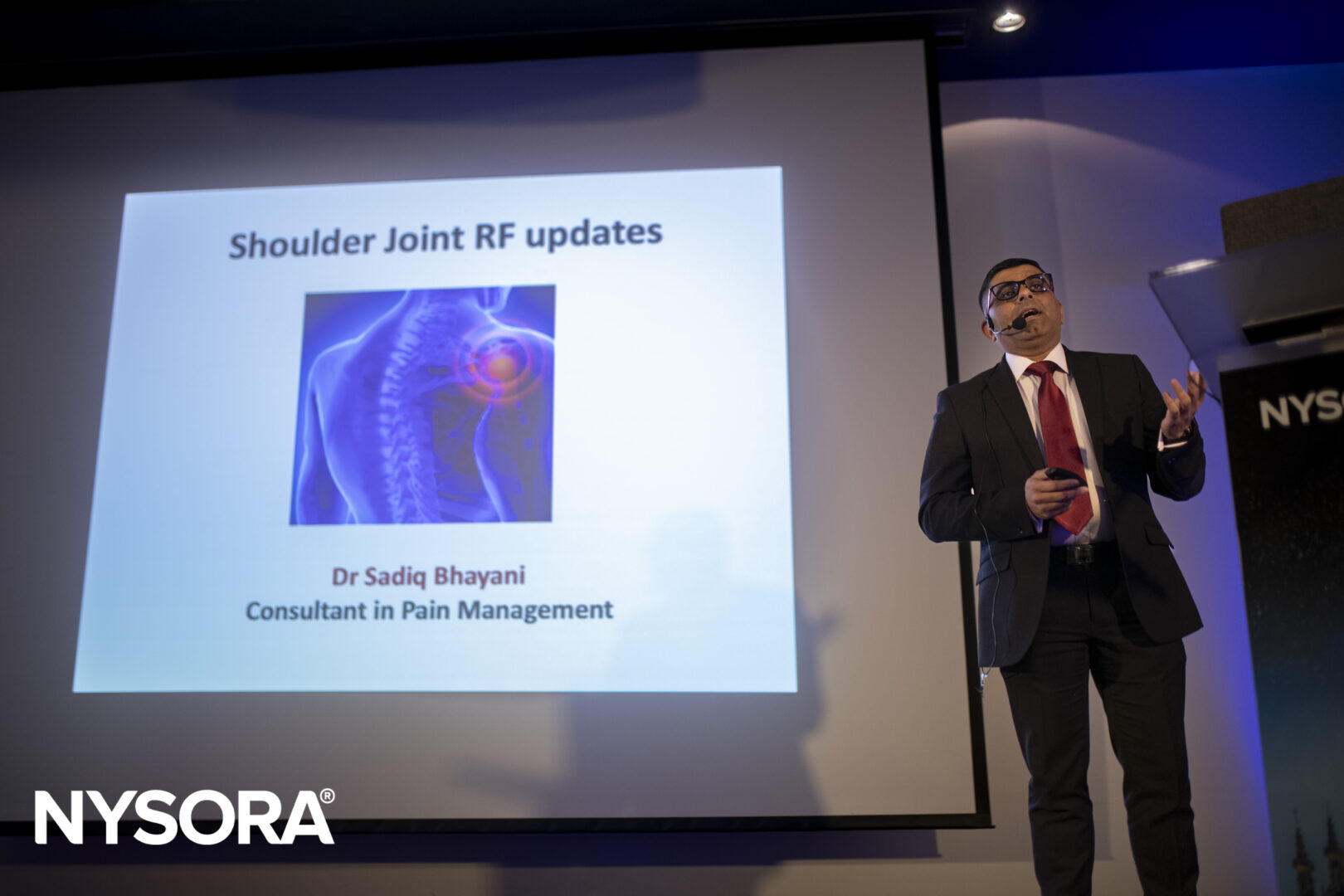
Sadiq Bhayani
FRCA, MD, MBBS
Staff Physician, Pain Medicine at Cleveland Clinic Abu Dhabi, UAE
Date
Event
Location
Duration
Price
Dec
12-13
 Leuven, Belgium, Dec 12-13
 Leuven, Belgium
2 Days
Early bird
€1,800
 Course Highlights
 Schedule
Dec
11-12
Leuven, Belgium, Dec 11-12 Leuven, Belgium
2 Days
Early bird
€1,800
Course Highlights
Schedule
The Arch - NYSORA Academy is located in a historic building in Leuven, close to the Arenberg Campus of KU Leuven University. Our venue address is Slachthuislaan 1, Bus 102, 3000 Leuven. Our venues are carefully selected for their prime location near major transport hubs, proximity to the city and attractions, inspiring views, and top-notch equipment, ensuring the best experience for all attendees.
Arriving by Air:
Public Transport:
Closest Hotel:
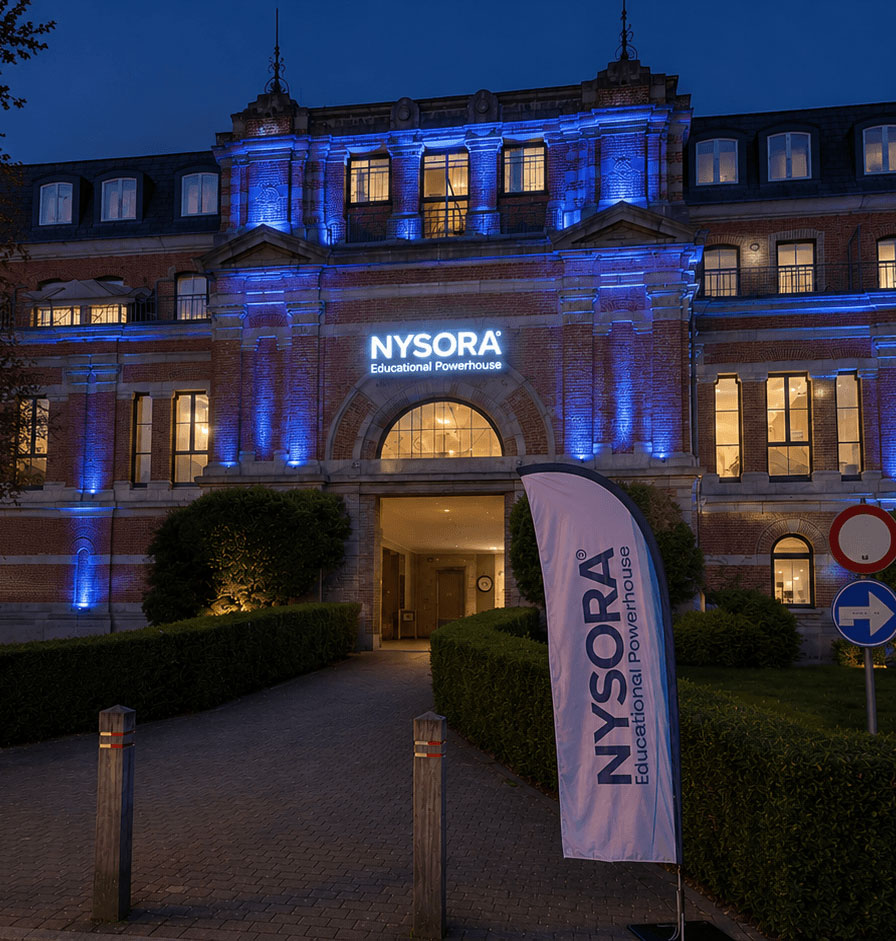
The Shepherd and the Ibis Leuven Centrum are the nearest hotels, both within walking distance of the venue. Check below to make a reservation.

The Shepherd

Ibis Leuven Centrum
William Curtis, MD
Marina Banović, MD
Tauheed Shaikh, Consultant and Clinical Lead for Pain Services
Nadeem Usmani, MD
Graham Coupland, Queensland
Health, Australia
Thomas Kristiansen
What is a CME activity? A Continuing Medical Education(CME) activity serves to maintain, develop, or increase the knowledge, skills, and professional performance and relationships that a physician uses to provide services for patients, the public, or the profession.
Why do physicians need continuing medical education (CME) credit? Physicians use CME credit to demonstrate that they have participated in educational activities and obtained CME credit to document meeting the requirements of state medical boards, medical specialty societies, specialty boards, hospital medical staffs, the Joint Commission, insurance groups, and others.
Who accredits the Course? Accreditation by the EACCME means that the CME/CPD activity provided is of high scientific value, is free of commercial bias and promotes active adult learning. This is of paramount importance to doctors who need to report to their National Accreditation Authority on their CME/CPD activity over a certain period of time, and this even more now that many national systems are (becoming) mandatory and not voluntary. By attending an EACCME accredited event, they will be able to obtain European CME credits (ECMEC) which are recognised not only in a majority of European countries (with which the EACCME has signed agreements), but also in the USA and Canada. By handing in their EACCME certificate to their National Accreditation Authority, their credits will automatically be recognised and converted into national credits.
What documentation does a physician receive for participating in a certified CME activity provided by an accredited CME provider? A CME certificate will be issued and can be used to prove attendance.
 Nerve Blocks App
 Anesthesia Assistant App
 Ultrasound Pain App
 Pain Medicine Assistant App
 POCUS App
 IV Access App
 MSK Knee App
 Nerve Block Manual
 Regional Anesthesia Updates
 Anesthesiology Manual
 Anesthesiology Review
 Anesthesia Updates 2025
 Anesthesia Updates 2026
 Pediatric Anesthesia Updates
 Airway Management Updates
 US Interventional Pain Manual
 Pain Medicine Updates
 Mastering Difficult IV Access
 PACU Nursing Manual
 RA Veterinary Manual
 Books
Books About
About