 Nerve Blocks App
 Anesthesia Assistant App
 Ultrasound Pain App
 Pain Medicine Assistant App
 POCUS App
 IV Access App
 MSK Knee App
 VetRA App
 Nerve Block Manual
 Regional Anesthesia Updates
 Anesthesiology Manual
 Anesthesiology Review
 Anesthesia Updates 2025
 Anesthesia Updates 2026
 Pediatric Anesthesia Updates
 Airway Management Updates
 US Interventional Pain Manual
 Pain Medicine Updates
 Mastering Difficult IV Access
 PACU Nursing Manual
 RA Veterinary Manual
 Books
Books About
About
 Back to News

 2 min read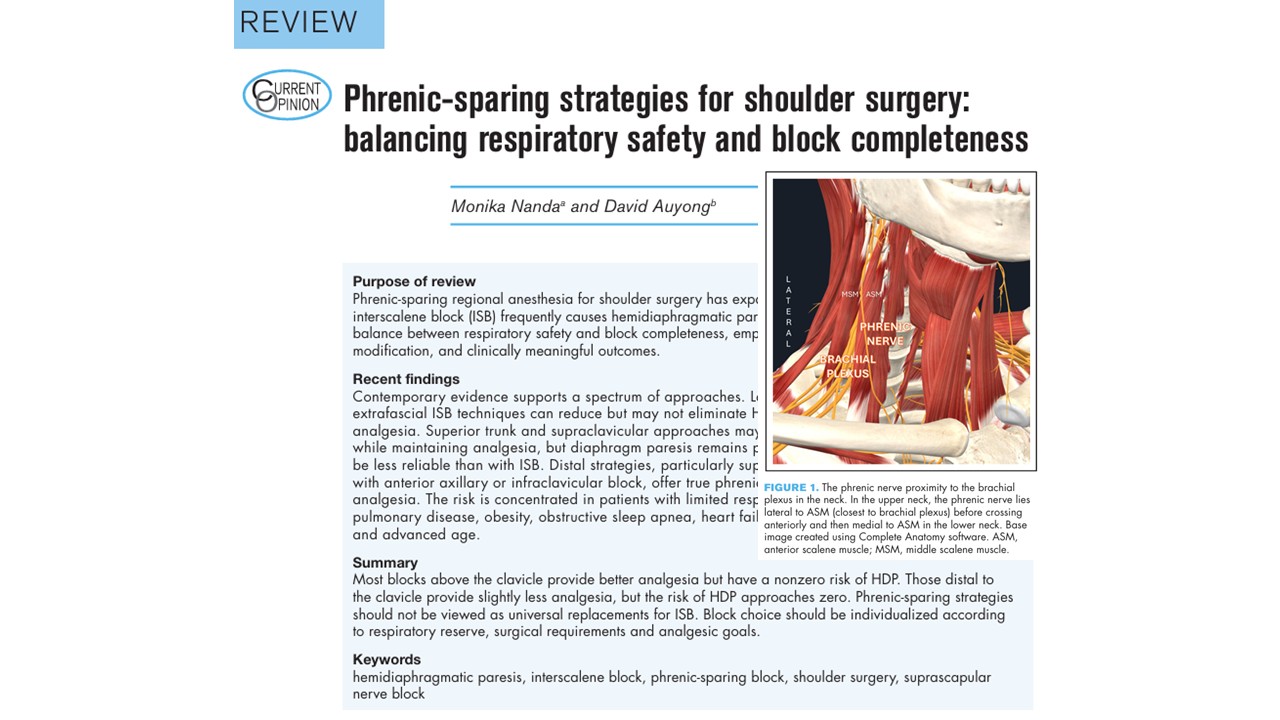
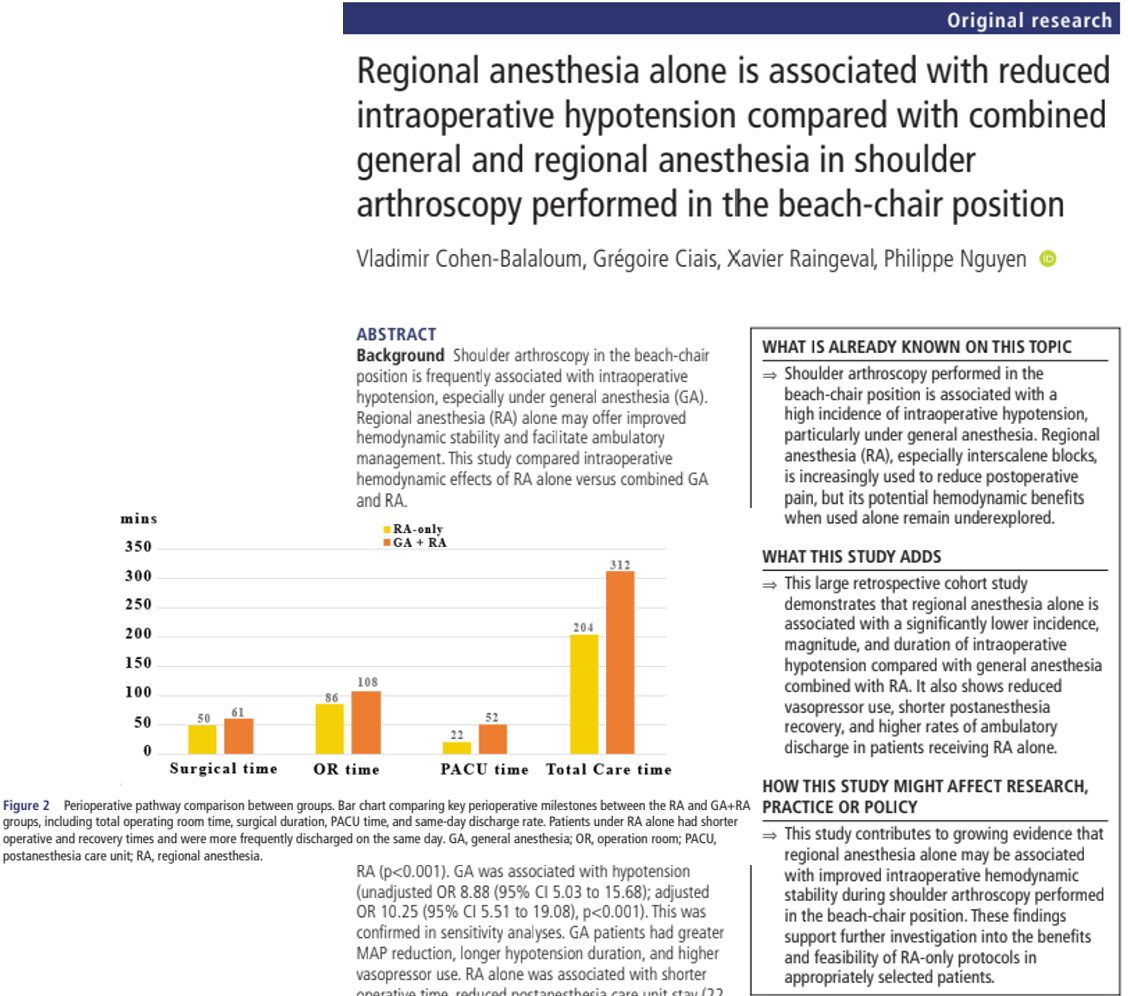

The shoulder block is a selective block of the nerves innervating the shoulder: suprascapular and axillary nerves. It is an alternative analgesic technique to the interscalene or supraclavicular brachial plexus blocks that avoid the motor block of the arm and hand and the phrenic nerve (hemidiaphragmatic paresis). In this issue of the newsletter, we feature a pictorial guide to Axillary Nerve Block, from the NYSORA’s Regional Anesthesia Module.
Test drive the Module for 1-week, and unleash a powerhouse of information that will enhance your practice, or improve the residents’ education in real-time. NYSORA’s Regional Anesthesia Module is the all-encompassing guide to all of Regional Anesthesia. It is used by thousands of practitioners and students of anesthesia. A new way of using regional anesthesia is just one click away.
Clinical Update
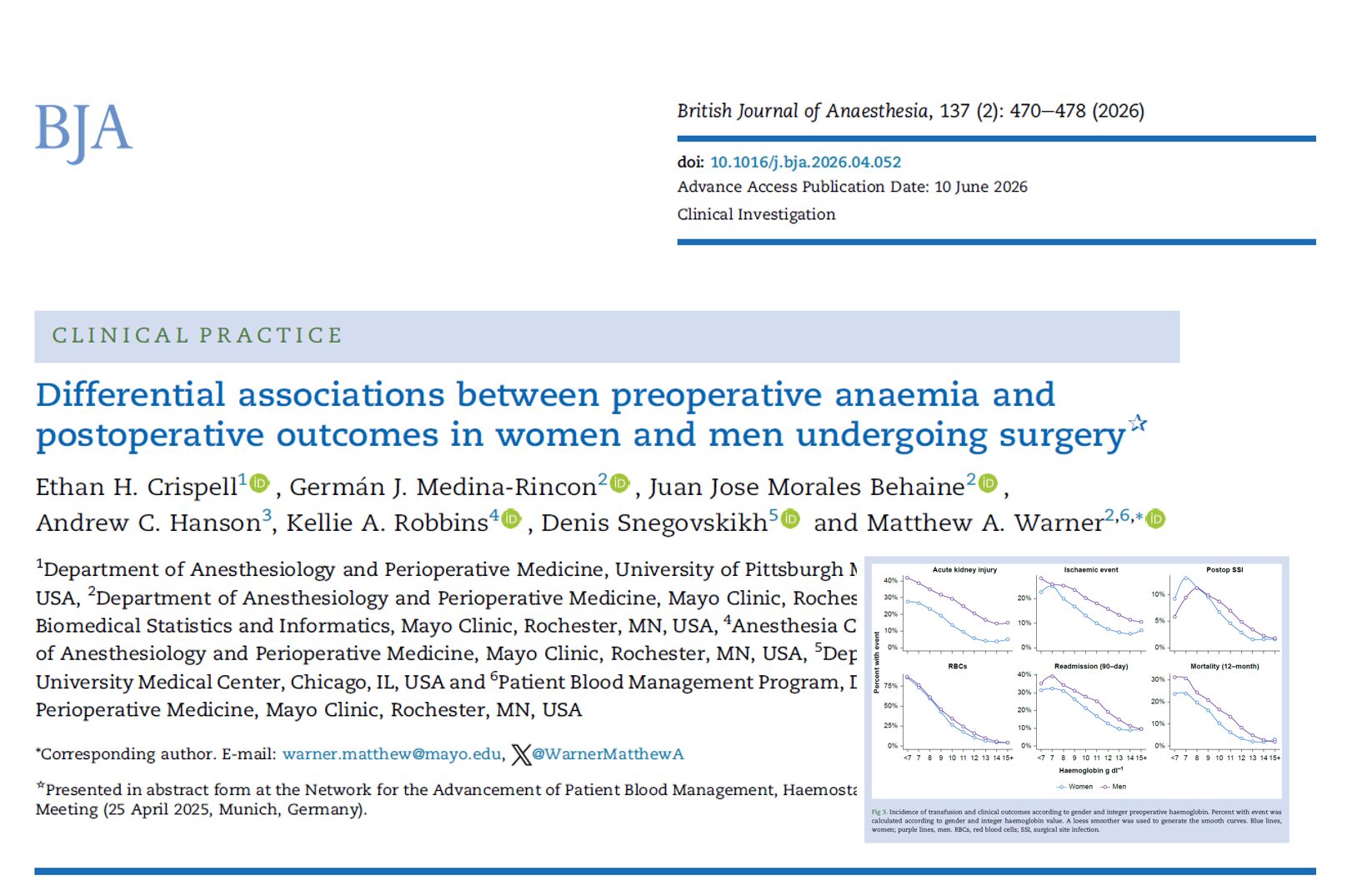
Nanda and Auyong (Current Opinion in Anesthesiology, 2026) report that phrenic-sparing strategies for shoulder surgery involve a trade-off between respiratory safety and block completeness: reducing interscalene block volume/concentration or using superior trunk and supraclavicular approaches lowers but does not eliminate hemidiaphragmatic paresis (HDP). Distal combinations, particularly suprascapular nerve block with anterior axillary or infraclavicular block, can reduce HDP to near zero while maintaining useful shoulder analgesia, making them particularly relevant for patients with limited respiratory reserve; ISB remains the most reliable option when complete analgesia or surgical anesthesia is the priority.
- Read more about this HERE.