 Nerve Blocks App
 Anesthesia Assistant App
 Ultrasound Pain App
 Pain Medicine Assistant App
 POCUS App
 IV Access App
 MSK Knee App
 VetRA App
 Nerve Block Manual
 Regional Anesthesia Updates
 Anesthesiology Manual
 Anesthesiology Review
 Anesthesia Updates 2025
 Anesthesia Updates 2026
 Pediatric Anesthesia Updates
 Airway Management Updates
 US Interventional Pain Manual
 Pain Medicine Updates
 Mastering Difficult IV Access
 PACU Nursing Manual
 RA Veterinary Manual
 Books
Books About
About

Learning objectives
- Describe systemic lupus erythematosus
- Understand the potential complications associated with systemic lupus erythematosus
- Anesthetic management of a patient with systemic lupus erythematosus
Definition and mechanisms
- Systemic lupus erythematosus (SLE) is a chronic autoimmune connective tissue disorder with a heterogeneous presentation and systemic involvement in which tissues and multiple organs are damaged by pathogenic autoantibodies and immune complexes
- There are often periods of illness (flares) and periods of remission during which there are few symptoms
Signs and symptoms
- Fatigue
- Fever
- Joint pain, stiffness, and swelling
- Butterfly-shaped rash on the face that covers the cheeks and bridge of the nose or rashes elsewhere on the body
- Skin lesions that appear or worsen with sun exposure
- Fingers and toes that turn white or blue when exposed to cold or during stressful periods
- Shortness of breath
- Chest pain
- Dry eyes
- Photosensitivity
- Headaches, confusion, and memory loss
- Hair loss
- Mouth ulcers
- Swollen lymph nodes
Risk factors
- Gender: Female > male
- Age: 15-45 years
- Race: More common in African Americans, Hispanics, and Asian Americans
Causes
SLE is probably caused by a genetic susceptibility coupled with an environmental trigger, resulting in a defect in the immune system
- Genetics: Mutations in HLA-DR2/HLA-DR3 genes, complement genes, cytokine genes, etc.
- Environmental: UV-light (UV-A, UV-B), viruses (e.g., EBV, CMV, retroviruses), drugs (e.g., minocycline, hydralazine, procainamide), hormones (e.g., estrogen, prolactin), heavy metals
Complications
- Dermatologic: Malar rash, chronic discoid lesions
- Brain and central nervous system: Headaches, dizziness, behavior changes, vision problems, strokes or seizures
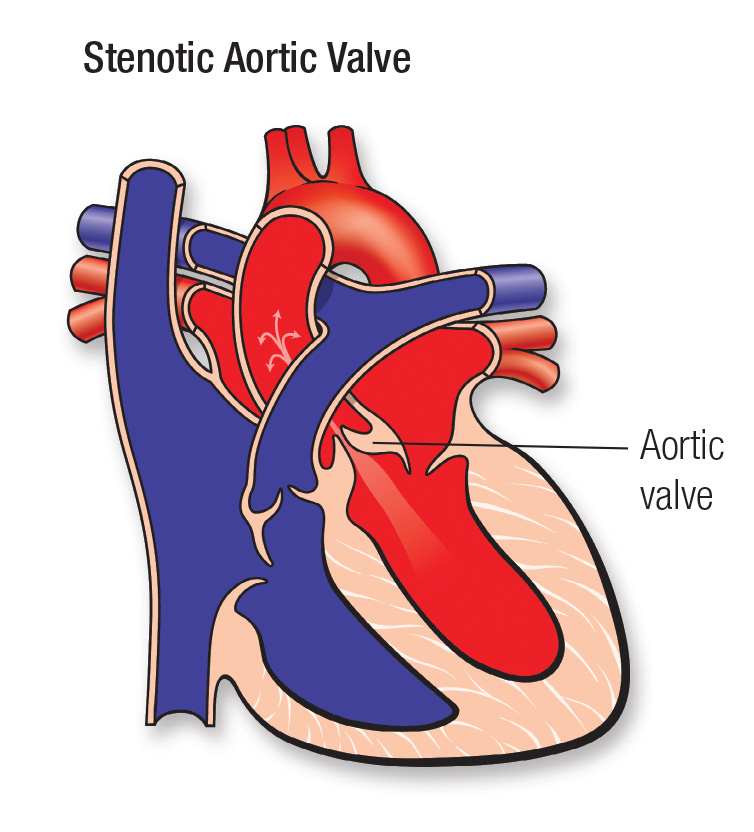
- Cardiovascular: Symptomatic pericarditis, pericardial tamponade, myocarditis, Libman-Sacks endocarditis, valvular dysfunction, Raynaud’s phenomenon
- Pulmonary: Pleuritis, pneumonitis, diffuse alveolar hemorrhage, pulmonary arterial hypertension
- Renal: Lupus nephritis, end-stage renal disease
- Hematology: Anemia of chronic disease, autoimmune hemolytic anemia, autoimmune thrombocytopenia
- Gastrointestinal: Oral ulcers, Sjogren’s syndrome, dysphagia, acute abdominal pain, abnormal liver function tests, autoimmune hepatitis
- Musculoskeletal: Arthritis, osteoporosis, fractures, asymptomatic atlantoaxial subluxation
- Infection: SLE and treatment can weaken the immune system
- Pregnancy complications: Increased risk of miscarriage, high blood pressure during pregnancy, and preterm birth
Pathophysiology

Treatment
| Drug | Indication | Anesthetic implications |
|---|---|---|
| Aspirin/NSAIDs (ibuprofen, naproxen sodium) | Antiphospholipid syndrome SLE arthritis | Peptic ulceration Platelet inhibition Renal impairment Fluid retention/electrolyte disturbance Hepatic dysfunction Bronchospasm |
| Antimalarial drugs (hydroxychloroquine) | Cutaneous SLE Pleuritis/pericarditis Arthritis Reduced renal flares | Retinotoxicity Neuromyotoxicity Cardiotoxicity |
| Corticosteroids (prednisone, methylprednisone, topical preparation) | Cutaneous SLE Nephritis Pleuritis/pericarditis Diffuse alveolar hemorrhage Neuropsychiatric SLE Mesenteric vasculitis SLE pancreatitis | Hyperglycemia Hypercholesterolemia Hypertension Osteoporosis |
| Immunosuppressants | ||
| Cyclophosphamide | Nephritis Neuropsychiatric SLE | Myelosuppression Pseudocholinesterase inhibition Cardiotoxicity Leucopenia Hemorrhagic cystitis |
| Azathioprine | Arthritis | Myelosuppression Hepatotoxicity |
| Methotrexate | Arthritis Cutaneous SLE | Myelosuppression Hepatic fibrosis/cirrhosis Pulmonary infiltrates/fibrosis |
| Mycophenolate mofetil | Nephritis Hemolytic anemia, thrombocytopenia | GI upset Pancytopenia |
Management
Preoperative management
- History: Review disease activity index, accrued organ damage, and drug history
- Examination: Thorough examination of cardiovascular, respiratory, and neurological systems, including testing for atlantoaxial subluxation symptoms and signs
- Full blood count: Test for anemia, thrombocytopenia, and leucopenia; consider further testing for hemolysis if anemia is present
- Serum electrolytes, creatinine, urea: Any abnormality requires further investigation for lupus nephritis
- Liver function tests: Abnormalities should prompt review for autoimmune or drug hepatotoxicity
- Coagulation studies: Elevated aPTT requires investigation for the presence of lupus anticoagulant
- Anti-dsDNA, complement levels: May reflect lupus activity after comparison with previous baseline measurements
- Urinalysis: Proteinuria, red cells, white cells, and cellular casts may indicate clinically silent disease and prompt further investigation
- ECG: Silent ischemia, myocarditis, pericarditis, and conduction abnormalities may be identified
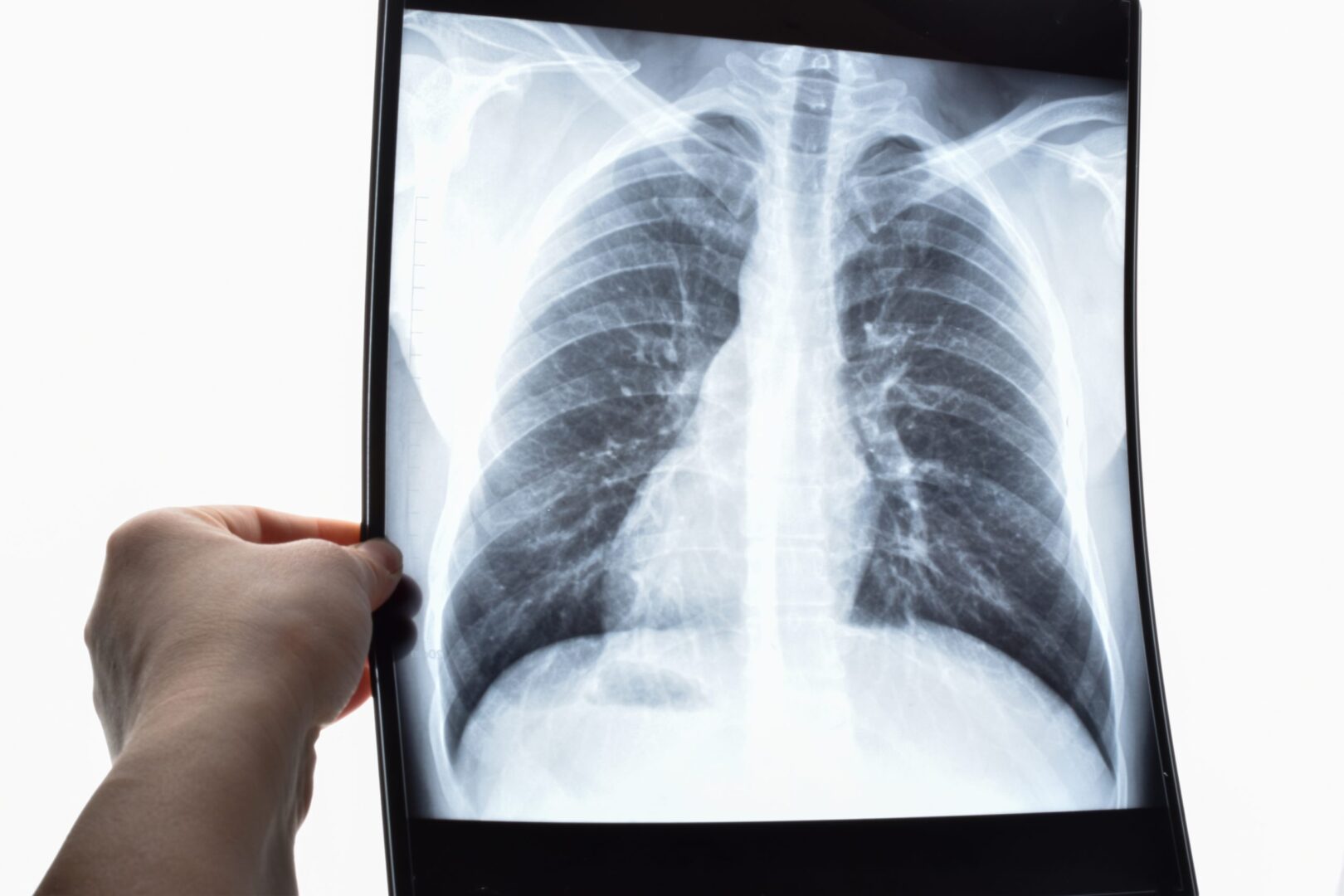
- Chest radiograph: Pleural effusion, interstitial pneumonitis, pericardial effusion, or subglottic stenosis may be seen
Intraoperative management
- 5-lead ECG: Accelerated coronary artery disease, conduction abnormalities
- Intra-arterial blood pressure monitoring: Case-dependent, consider in the presence of myocarditis, conduction abnormalities, valvular abnormalities, or autonomic dysfunction
- Laryngeal mask airway if appropriate: Minimize airway manipulation due to the risk of inflammation and post-extubation airway edema
- Difficult airway precautions with immediate access to smaller-size endotracheal tubes: Vocal cord paralysis, subglottic stenosis, or laryngeal edema may make intubation difficult
- Standard antibiotic prophylaxis: Innate susceptibility to infection and immunosuppressive therapy predispose to infection risk
- Caution with muscle relaxants: Azathioprine and cyclophosphamide may interact with muscle relaxants
- Renal protective strategies: Maintain urine output, avoid hypoperfusion and hypotensive states, and use nephrotoxic drugs cautiously due to the possibility of subclinical lupus nephritis
- Careful patient positioning: Predisposition to peripheral neuropathies and osteoporosis
- Antithrombotic prophylaxis: Institute mechanical and pharmacological measures early, especially in the presence of antiphospholipid antibodies
- Eye protection and artificial tears/lubrication: Sjogren’s syndrome may predispose to corneal abrasions despite adequate eye taping
- Temperature monitoring: Hypothermic state may induce vasospasm in patients with Raynaud’s phenomenon
- Pain management: Consider side effects of systemic analgesics; regional techniques may be helpful if neuropathies, myelitis, and coagulopathies are excluded
- Corticosteroid cover: Adrenal suppression may have resulted from long-term corticosteroid therapy with the need for a “stress dose” perioperatively
Postoperative management
- Pain management: Minimize systemic side effects
Keep in mind
- A thorough preanesthetic evaluation is mandatory for safe anesthesia
- The anesthetic plan must be individualized based on the degree of involvement of various systems, current medications, and laboratory results
Suggested reading
- Erez BM. Systemic Lupus Erythematosus: A Review for Anesthesiologists. Anesthesia & Analgesia. 2010;111(3):665-676.