Anesthesiology Manual - NYSORA
NYSORA Books

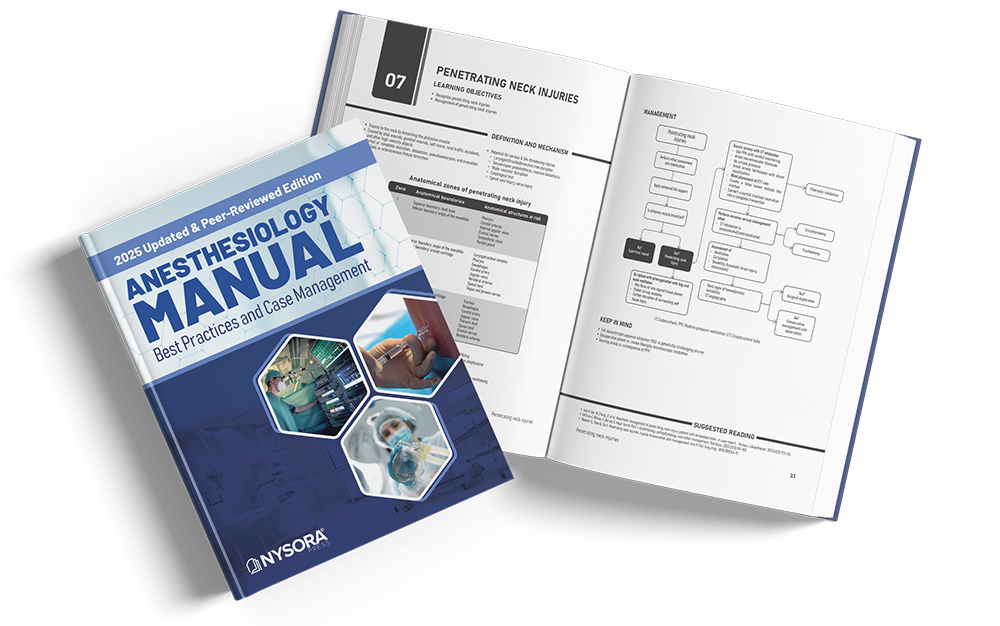
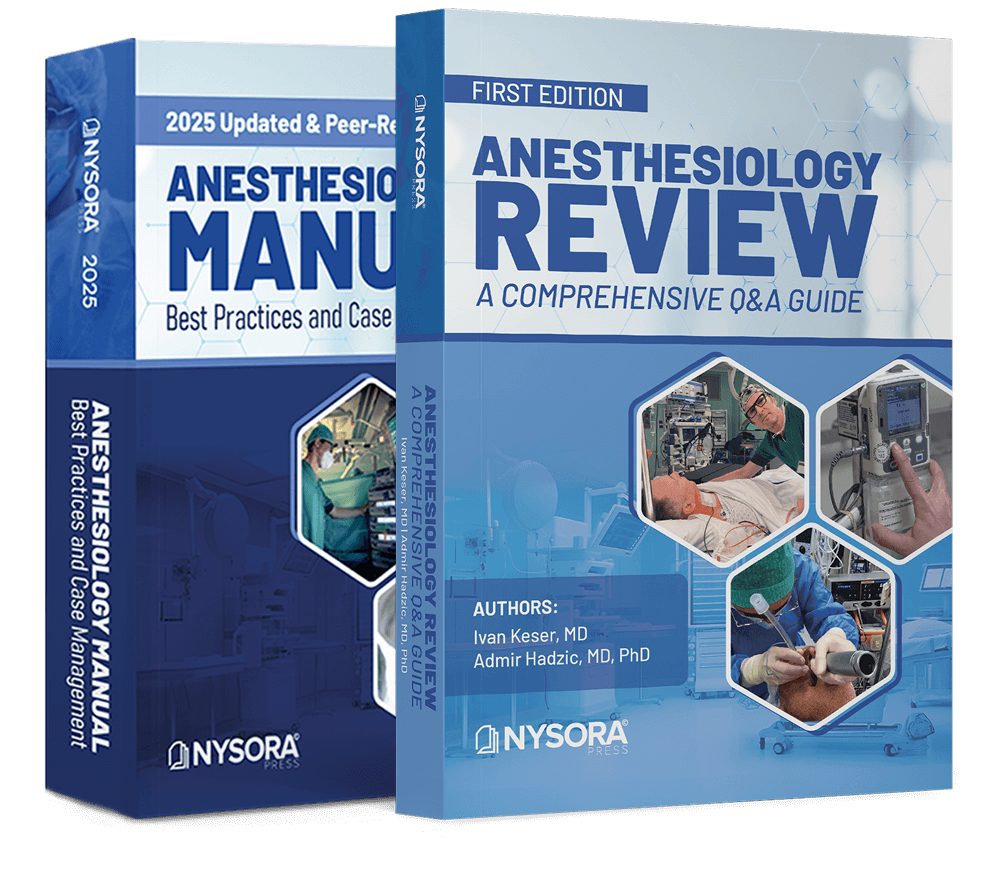
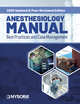
Anesthesiology Manual:
Best Practices and Case Management

This manual is the most up-to-date resource on best clinical practices and practical case management in anesthesiology. It is an essential guide for students, residents, and experienced practitioners to confidently manage complex clinical scenarios.


Overview

Each chapter provides practical insights and actionable protocols, ensuring this book becomes your indispensable reference for daily clinical use. The content is meticulously crafted to support both clinical practice and the continuous education of anesthesiology professionals.
01
Over 300 topics spanning all of the anesthesiology practice.
02
Combines detailed knowledge with step-by-step clinical guidance.
03
Tailored for oral and written board exam success.
01
Over 300 topics spanning all of the anesthesiology practice.
02
Combines detailed knowledge with step-by-step clinical guidance.
03
Tailored for oral and written board exam success.

Discover the Anesthesiology Manual

Everything you need to learn or teach about case management in anesthesiology

Key Features

This manual is a culmination of the collective expertise of the dedicated team at NYSORA, contributors in the field worldwide, and an educational board composed of key opinion leaders in anesthesiology, pain medicine, musculoskeletal (MSK) medicine, and point-of-care ultrasound (POCUS).
A Collection of more than 300 Topics 
Practical Insights
Step-by-Step Protocols
Up-to-date Information for Daily Use
Evidence-Based References
Expert-Curated Content

Comprehensive coverage

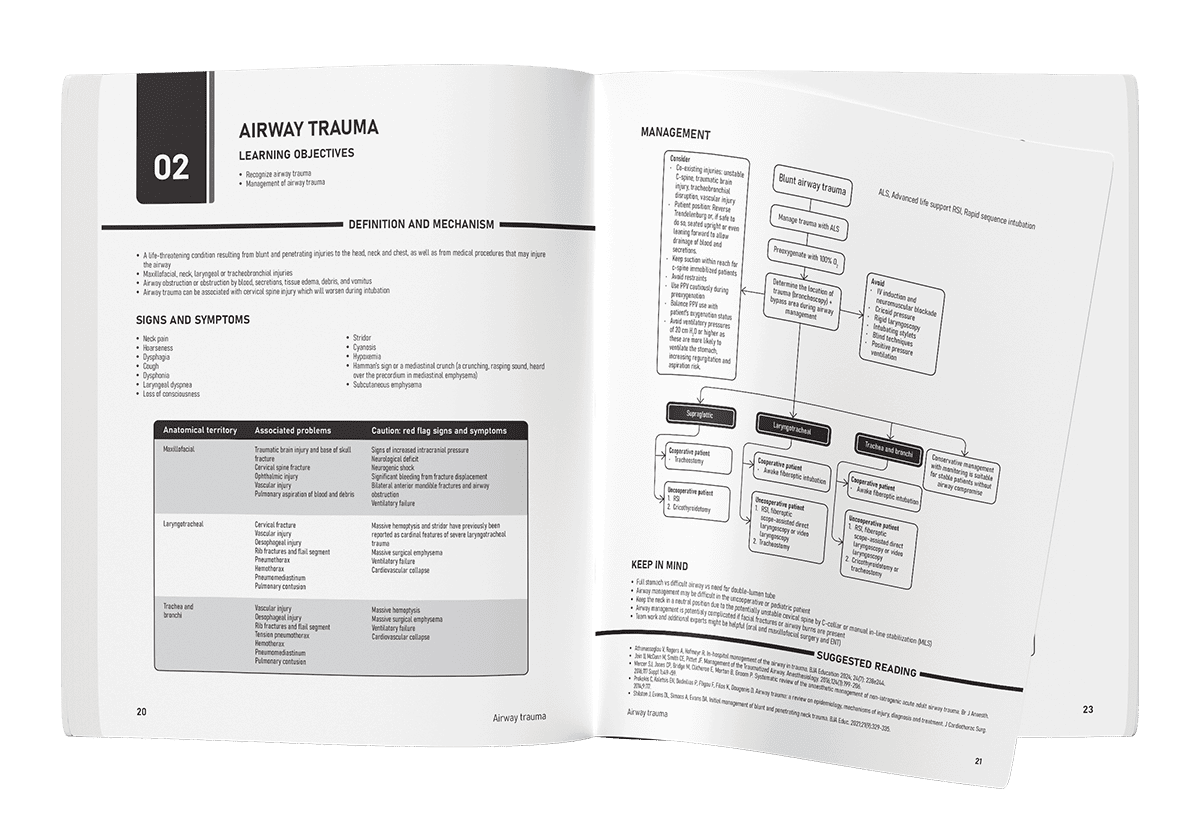
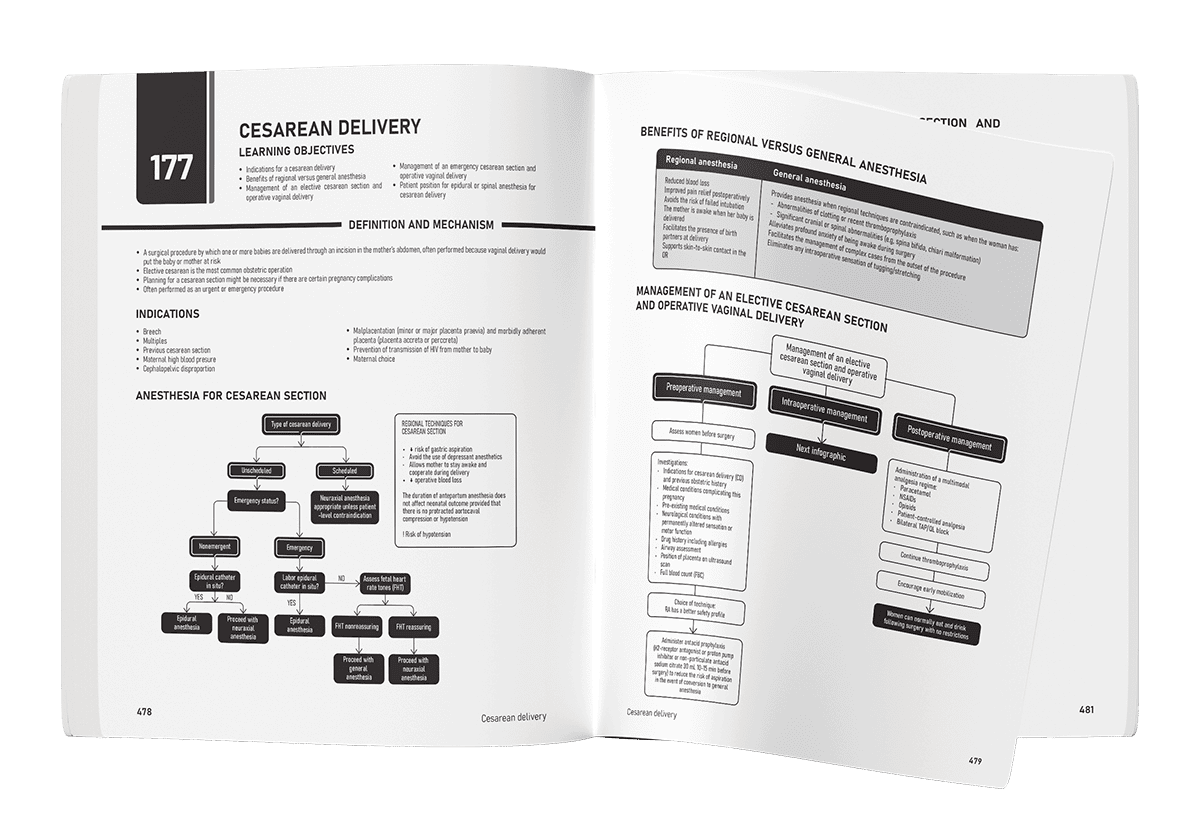
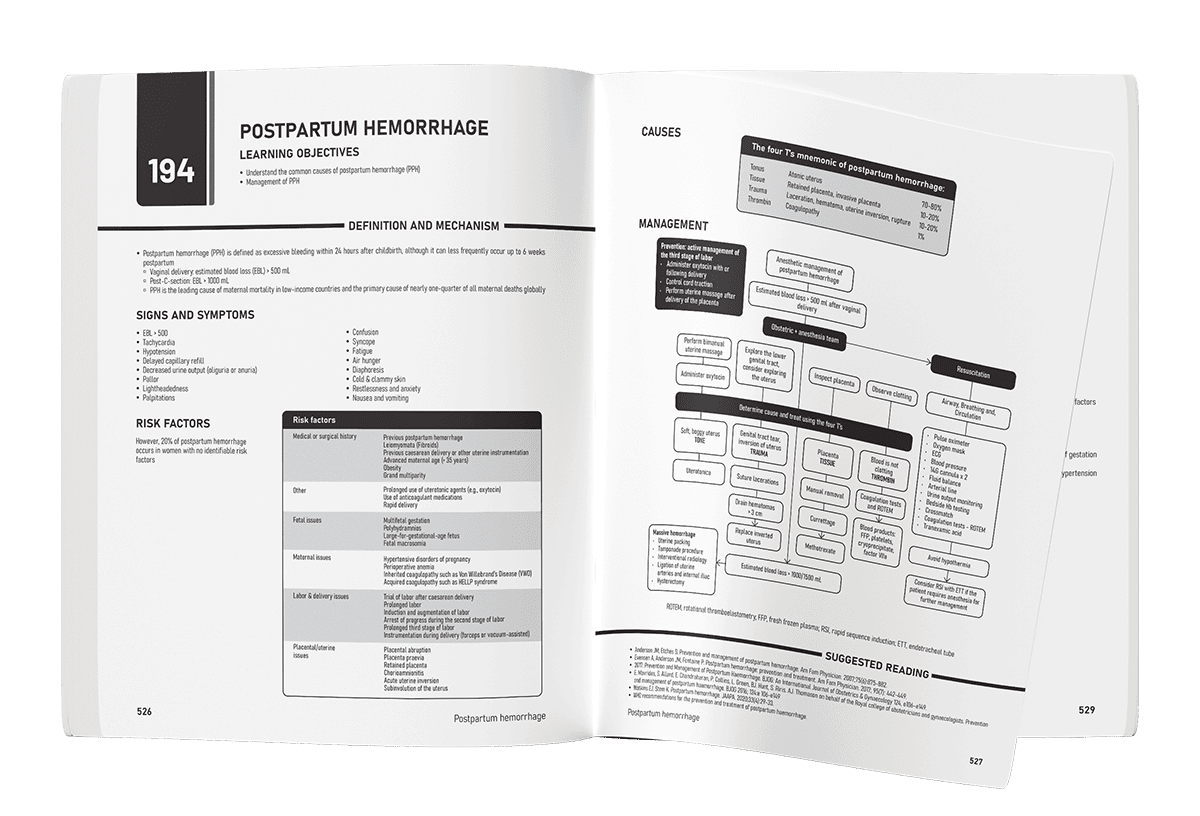
Explore over 300 expertly curated anesthesia topics, delivering up-to-date knowledge, practical insights, and clinical guidance, and designed to support decision-making in complex cases.

An in-depth yet practical manual

The manual is thoughtfully structured to deliver in-depth knowledge alongside practical, step-by-step clinical guidance.

Board examination preparation

Tailored forindividuals preparing for oral and written board exams.

Up-to-date information

Adherence to the latest published information to ensure that readers are equipped with the most current standards and practices in anesthesiology.

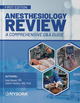
The Anesthesiology Review:
A Comprehensive Q&A Guide

Complements the Anesthesiology Manual as it features over 1,800 meticulously crafted questions covering all 300+ topics. These two books ensure that anesthesiologists are equipped with the knowledge and skills to excel in their practice and pass their board exams.

Newest Updates

Newest Updates

Positive fluid balance linked to higher risk of acute kidney injury after elective colorectal surgery

A new analysis published in the European Journal of Anaesthesiology has identified a significant association between higher positive perioperative fluid balance and the development of postoperative acute kidney injury (AKI) in patients undergoing elective colorectal surgery. The findings add to growing evidence that excessive fluid accumulation during the perioperative period may contribute to adverse postoperative outcomes and highlight the importance of individualized fluid management strategies. Acute kidney injury remains a major surgical complication Acute kidney injury is one of the most common postoperative complications and is associated with: Increased morbidity Longer hospital stays Higher healthcare costs Increased mortality risk Greater likelihood of long-term renal dysfunction Previous studies have shown that AKI occurs in approximately 13% of patients undergoing major abdominal surgery and is associated with substantially increased mortality. Despite this, optimal perioperative fluid management remains an area of ongoing debate. Study overview Researchers conducted a pre-planned secondary analysis of the multicentre POWER study, which evaluated outcomes in patients undergoing elective colorectal surgery across 80 hospitals in Spain. Study design Prospective observational cohort study 80 participating hospitals Recruitment period of two months 1,139 patients included Follow-up period of 30 days after surgery The primary objective was to examine whether perioperative fluid balance during the first 24 hours after surgery was associated with the risk of developing postoperative AKI. Key findings AKI occurred in 6.4% of patients Among the 1,139 patients included: 73 patients developed postoperative AKI Overall incidence was 6.4% Mild AKI occurred in 2.7% Moderate AKI occurred in 2.7% Severe AKI occurred in 1.0% Higher fluid balance increased risk Patients who developed AKI had a significantly greater positive fluid balance during the first 24 postoperative hours. Average 24-hour fluid balance: AKI patients: 1,780 mL Non-AKI patients: 1,038 mL The relationship persisted even after adjustment for important confounding factors. Fluid balance […]

Read more

Lidocaine spinal anesthesia may be safer than previously thought for outpatient joint replacement

For decades, transient neurologic symptoms (TNS) have been one of the primary concerns limiting the use of lidocaine for spinal anesthesia. Early studies reported rates as high as 20–40%, leading many anesthesiologists to abandon intrathecal lidocaine in favor of longer-acting alternatives such as bupivacaine. However, modern perioperative care has changed dramatically. Enhanced recovery protocols, multimodal analgesia, and outpatient joint replacement pathways have transformed postoperative patient management. A new study by Amaral and colleagues in RAPM suggests that the historical concerns surrounding lidocaine spinal anesthesia may warrant reconsideration. In a retrospective review of more than 1,000 patients undergoing total hip and knee arthroplasty, investigators found an extremely low incidence of TNS following spinal lidocaine administration. Only two patients developed probable TNS, yielding an incidence of 0.2%. Both cases were mild and resolved completely within days. The findings raise an important question: Has the risk profile of lidocaine spinal anesthesia changed in the era of modern multimodal analgesia? Why transient neurologic symptoms remain important Transient neurologic symptoms are characterized by new-onset pain involving the lower back, buttocks, or lower extremities following spinal anesthesia. The syndrome typically develops within the first 24 hours after surgery and may present as: Lower back pain Buttock discomfort Pain radiating into the thighs Cramping sensations Stretching-type pain Musculoskeletal soreness without neurologic deficits Importantly, TNS does not cause permanent nerve injury. Patients generally do not experience motor weakness, sensory loss, or lasting neurologic impairment. Nevertheless, the condition can be distressing and may negatively affect recovery, mobility, and overall patient satisfaction. Historically, TNS became strongly associated with spinal lidocaine. Numerous studies published during the 1990s reported widely varying incidence rates, ranging from approximately 4% to more than 40%, depending on patient population, surgical procedure, and study methodology. These reports substantially influenced anesthetic practice worldwide. Why lidocaine fell out of […]

Read more

Positive fluid balance linked to higher risk of acute kidney injury after elective colorectal surgery

A new analysis published in the European Journal of Anaesthesiology has identified a significant association between higher positive perioperative fluid balance and the development of postoperative acute kidney injury (AKI) in patients undergoing elective colorectal surgery. The findings add to growing evidence that excessive fluid accumulation during the perioperative period may contribute to adverse postoperative outcomes and highlight the importance of individualized fluid management strategies. Acute kidney injury remains a major surgical complication Acute kidney injury is one of the most common postoperative complications and is associated with: Increased morbidity Longer hospital stays Higher healthcare costs Increased mortality risk Greater likelihood of long-term renal dysfunction Previous studies have shown that AKI occurs in approximately 13% of patients undergoing major abdominal surgery and is associated with substantially increased mortality. Despite this, optimal perioperative fluid management remains an area of ongoing debate. Study overview Researchers conducted a pre-planned secondary analysis of the multicentre POWER study, which evaluated outcomes in patients undergoing elective colorectal surgery across 80 hospitals in Spain. Study design Prospective observational cohort study 80 participating hospitals Recruitment period of two months 1,139 patients included Follow-up period of 30 days after surgery The primary objective was to examine whether perioperative fluid balance during the first 24 hours after surgery was associated with the risk of developing postoperative AKI. Key findings AKI occurred in 6.4% of patients Among the 1,139 patients included: 73 patients developed postoperative AKI Overall incidence was 6.4% Mild AKI occurred in 2.7% Moderate AKI occurred in 2.7% Severe AKI occurred in 1.0% Higher fluid balance increased risk Patients who developed AKI had a significantly greater positive fluid balance during the first 24 postoperative hours. Average 24-hour fluid balance: AKI patients: 1,780 mL Non-AKI patients: 1,038 mL The relationship persisted even after adjustment for important confounding factors. Fluid balance […]

Read more

Lidocaine spinal anesthesia may be safer than previously thought for outpatient joint replacement

For decades, transient neurologic symptoms (TNS) have been one of the primary concerns limiting the use of lidocaine for spinal anesthesia. Early studies reported rates as high as 20–40%, leading many anesthesiologists to abandon intrathecal lidocaine in favor of longer-acting alternatives such as bupivacaine. However, modern perioperative care has changed dramatically. Enhanced recovery protocols, multimodal analgesia, and outpatient joint replacement pathways have transformed postoperative patient management. A new study by Amaral and colleagues in RAPM suggests that the historical concerns surrounding lidocaine spinal anesthesia may warrant reconsideration. In a retrospective review of more than 1,000 patients undergoing total hip and knee arthroplasty, investigators found an extremely low incidence of TNS following spinal lidocaine administration. Only two patients developed probable TNS, yielding an incidence of 0.2%. Both cases were mild and resolved completely within days. The findings raise an important question: Has the risk profile of lidocaine spinal anesthesia changed in the era of modern multimodal analgesia? Why transient neurologic symptoms remain important Transient neurologic symptoms are characterized by new-onset pain involving the lower back, buttocks, or lower extremities following spinal anesthesia. The syndrome typically develops within the first 24 hours after surgery and may present as: Lower back pain Buttock discomfort Pain radiating into the thighs Cramping sensations Stretching-type pain Musculoskeletal soreness without neurologic deficits Importantly, TNS does not cause permanent nerve injury. Patients generally do not experience motor weakness, sensory loss, or lasting neurologic impairment. Nevertheless, the condition can be distressing and may negatively affect recovery, mobility, and overall patient satisfaction. Historically, TNS became strongly associated with spinal lidocaine. Numerous studies published during the 1990s reported widely varying incidence rates, ranging from approximately 4% to more than 40%, depending on patient population, surgical procedure, and study methodology. These reports substantially influenced anesthetic practice worldwide. Why lidocaine fell out of […]

Read more

Anesthesiology Manual in Numbers

Pages 0
Illustrations 0
Topics 0 +
Reviewed by NYSORA's
International Educational Board

A Commitment to Excellence

At NYSORA, our mission is to advance anesthesiology through education. The "Anesthesiology Manual: Best Practices and Case Management" is more than just a book; it is a pivotal educational tool written and reviewed by NYSORA’s team of top experts, guaranteeing an unmatched level of precision and expertise.
Get Your Copy

Anesthesiology Manual:
Best Practices and Case Management

The Anesthesiology Manual is offers over 300 topics to guide clinicians through perioperative anesthetic management of diverse patients.