- Learn
-
Apps
View all apps
Veterinary
 VetRA App

- Books
- Events
- News
- Partners
- About
- For Clinicians
 VetRA App



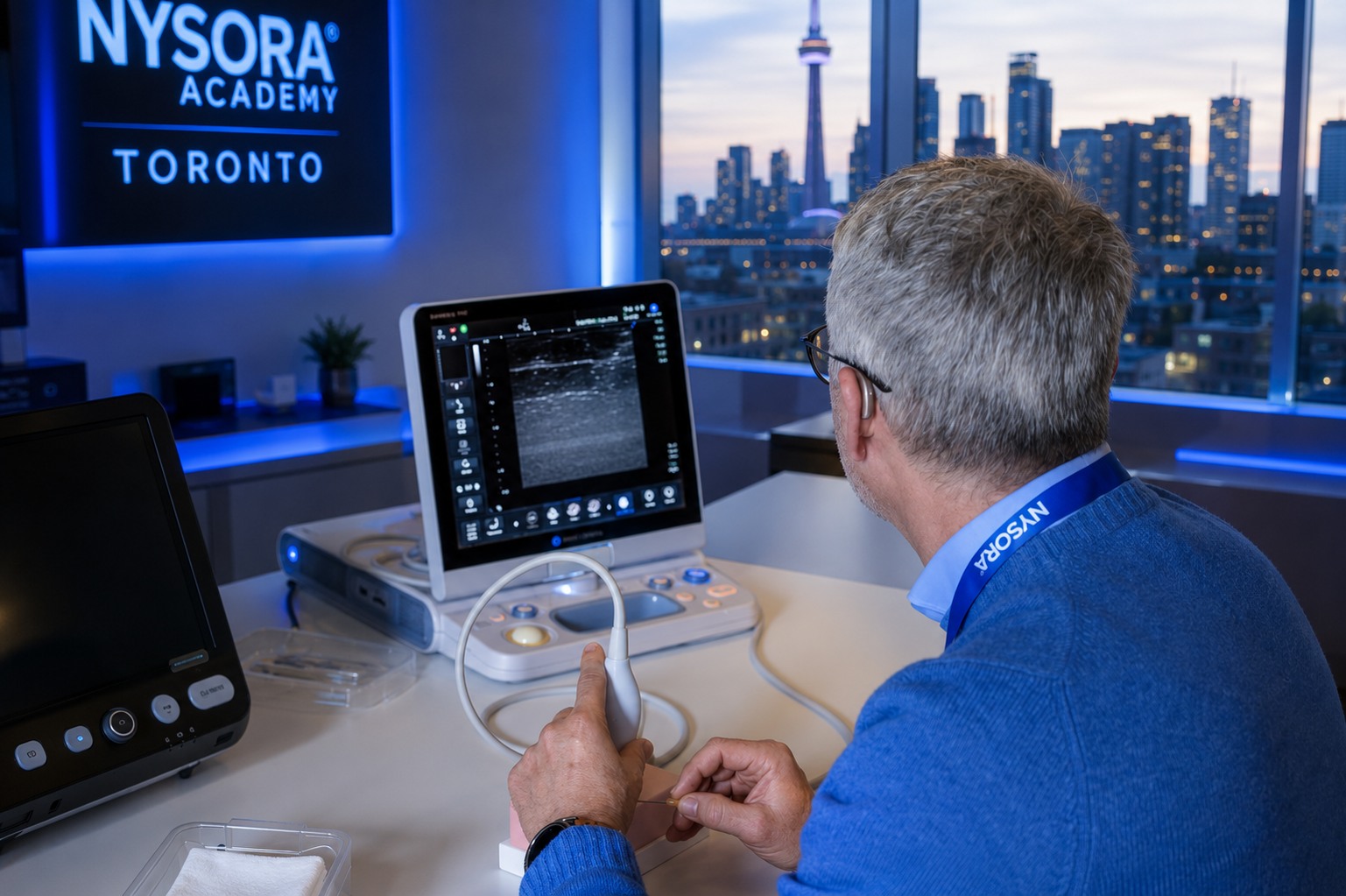
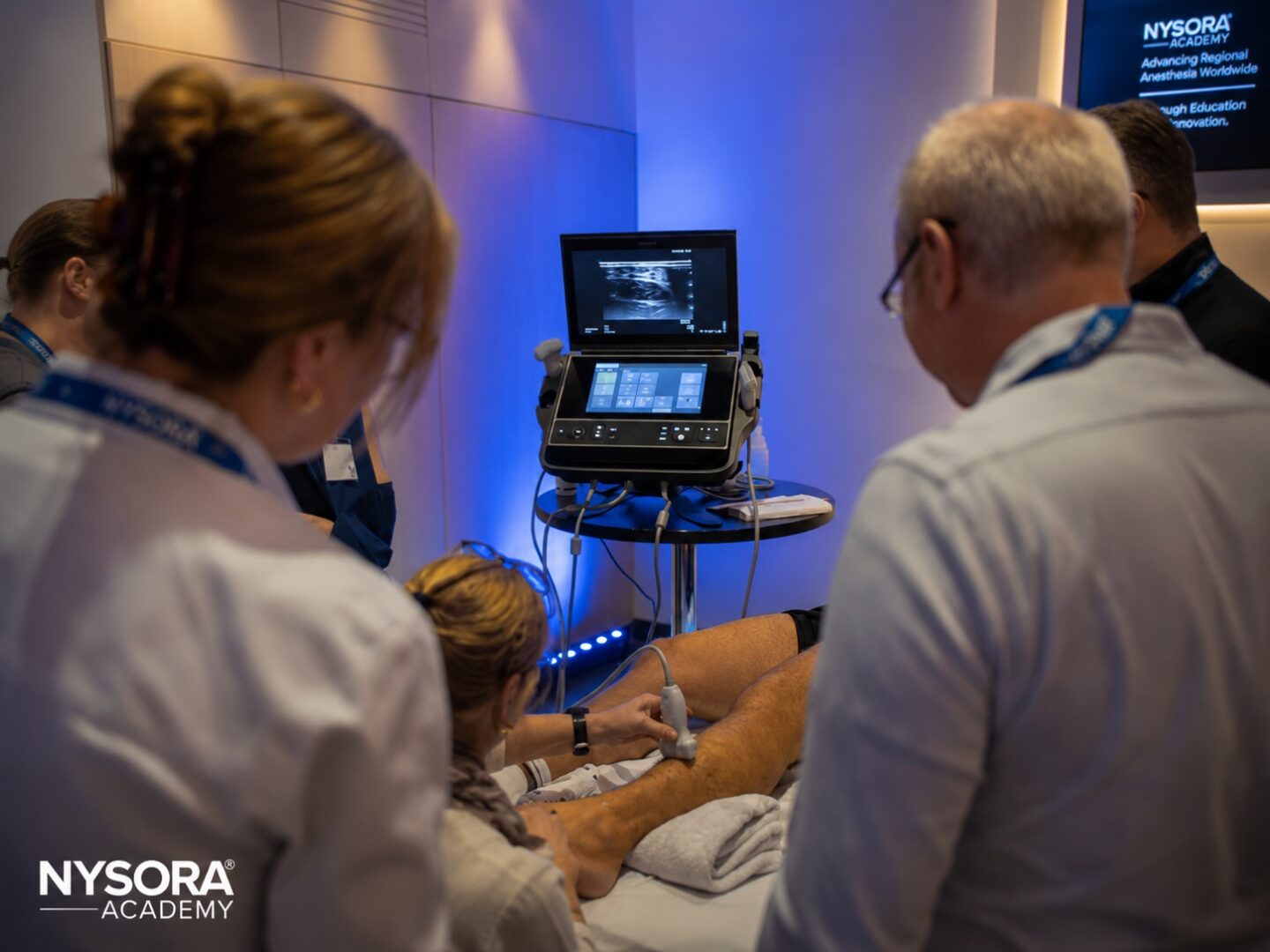
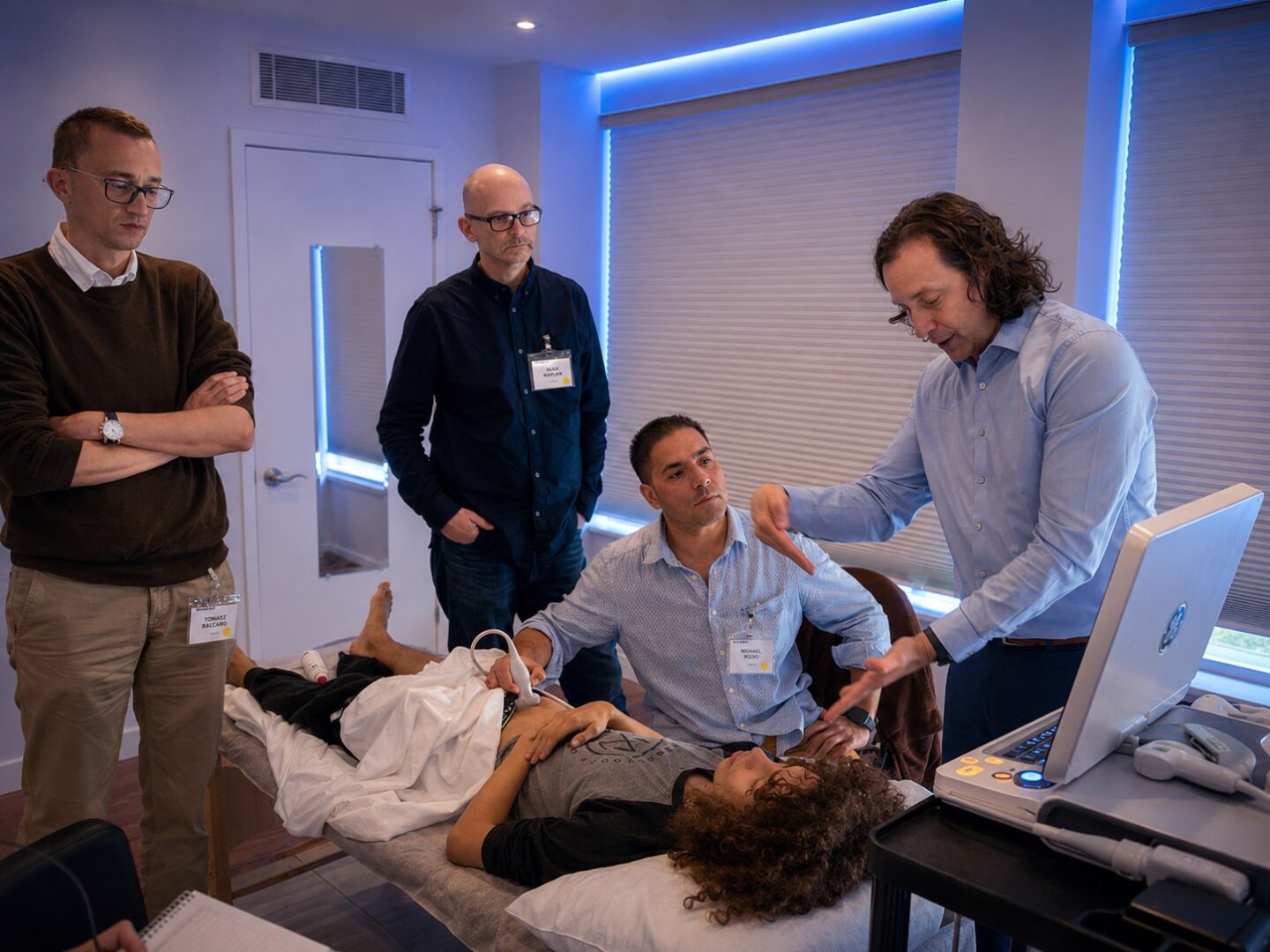
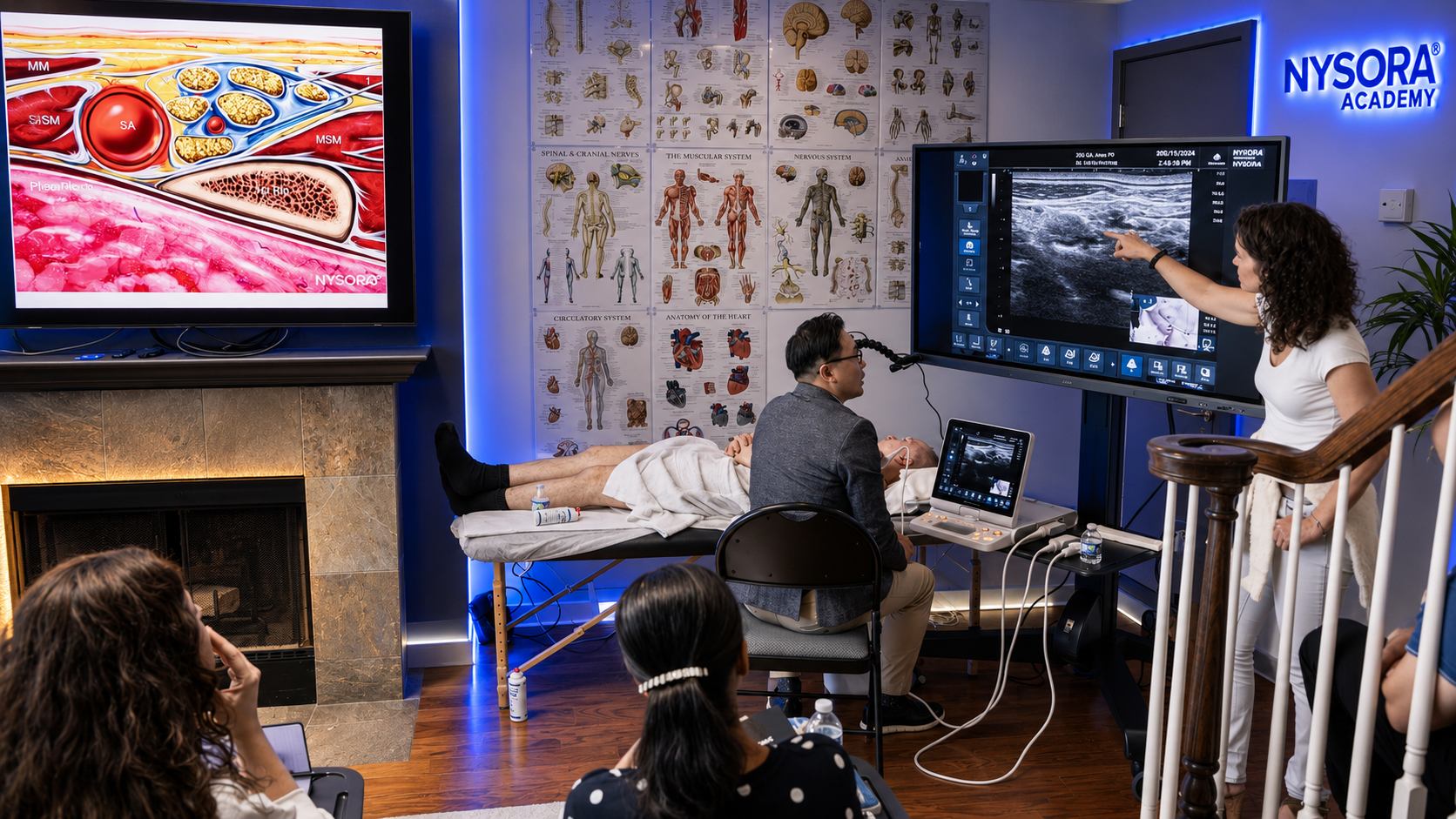
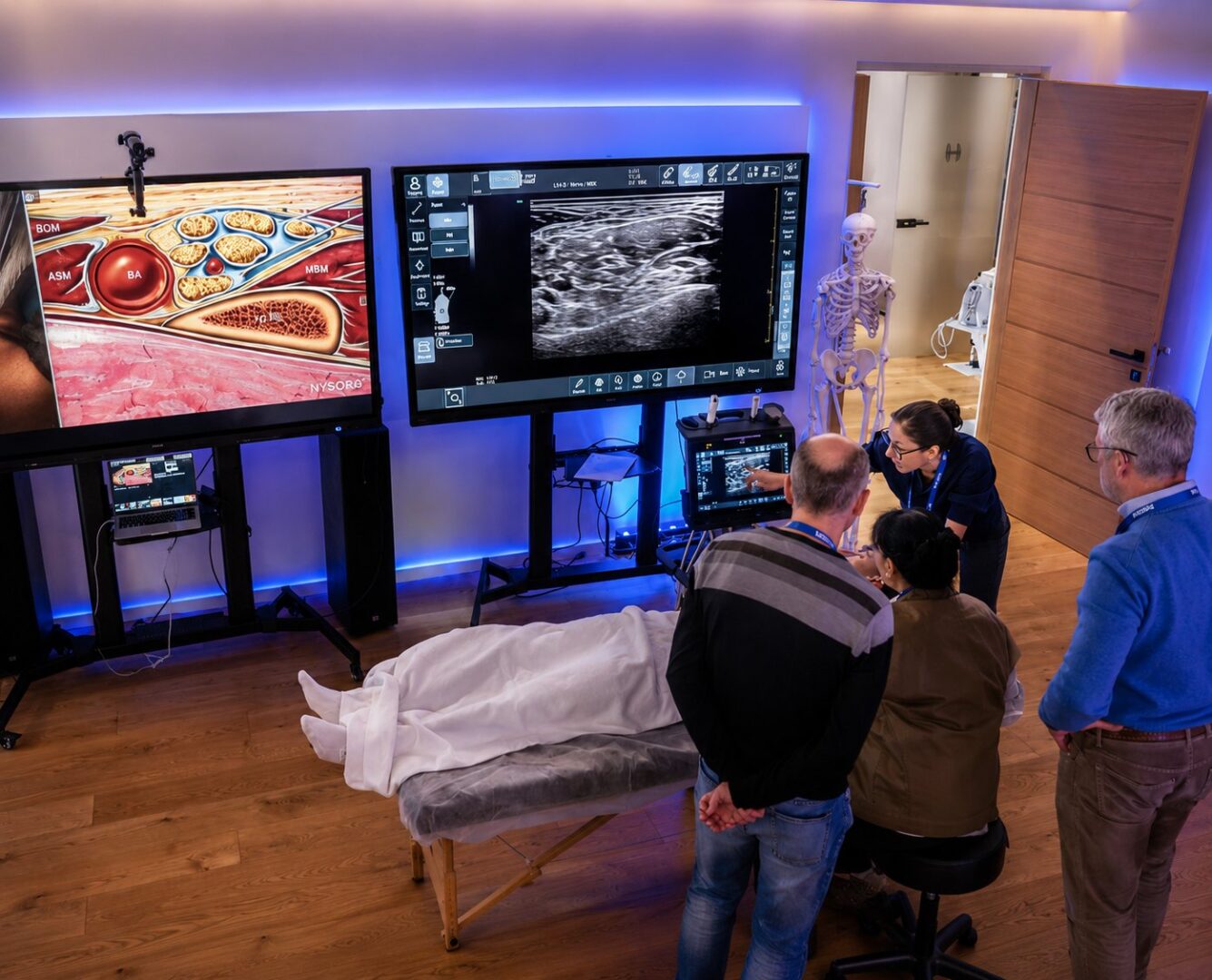
Two days of hands-on training in ultrasound anatomy, block selection, scanning technique, simulator practice, local anesthetic safety, and perioperative management.
Work through upper-extremity, truncal, neuraxial, hip, knee, foot, and ankle techniques with repeated scanning and direct faculty guidance.
Why Toronto Workshop
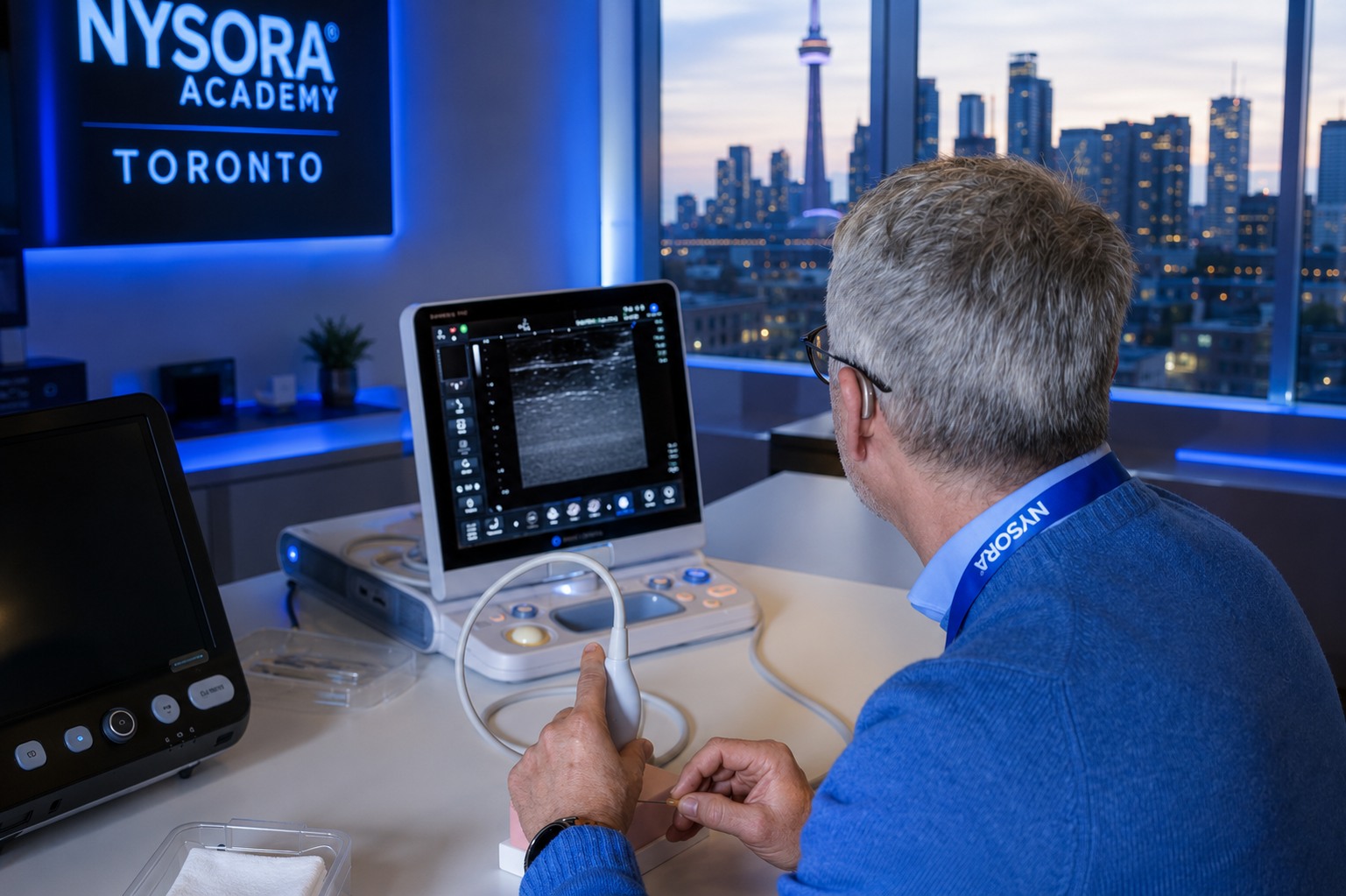
Compare Similar Blocks
Work through decisions such as Supraclavicular versus infraclavicular block, Femoral versus fascia iliaca versus PENG, Femoral triangle versus adductor canal, Different diaphragm-sparing strategies for shoulder surgery & more.
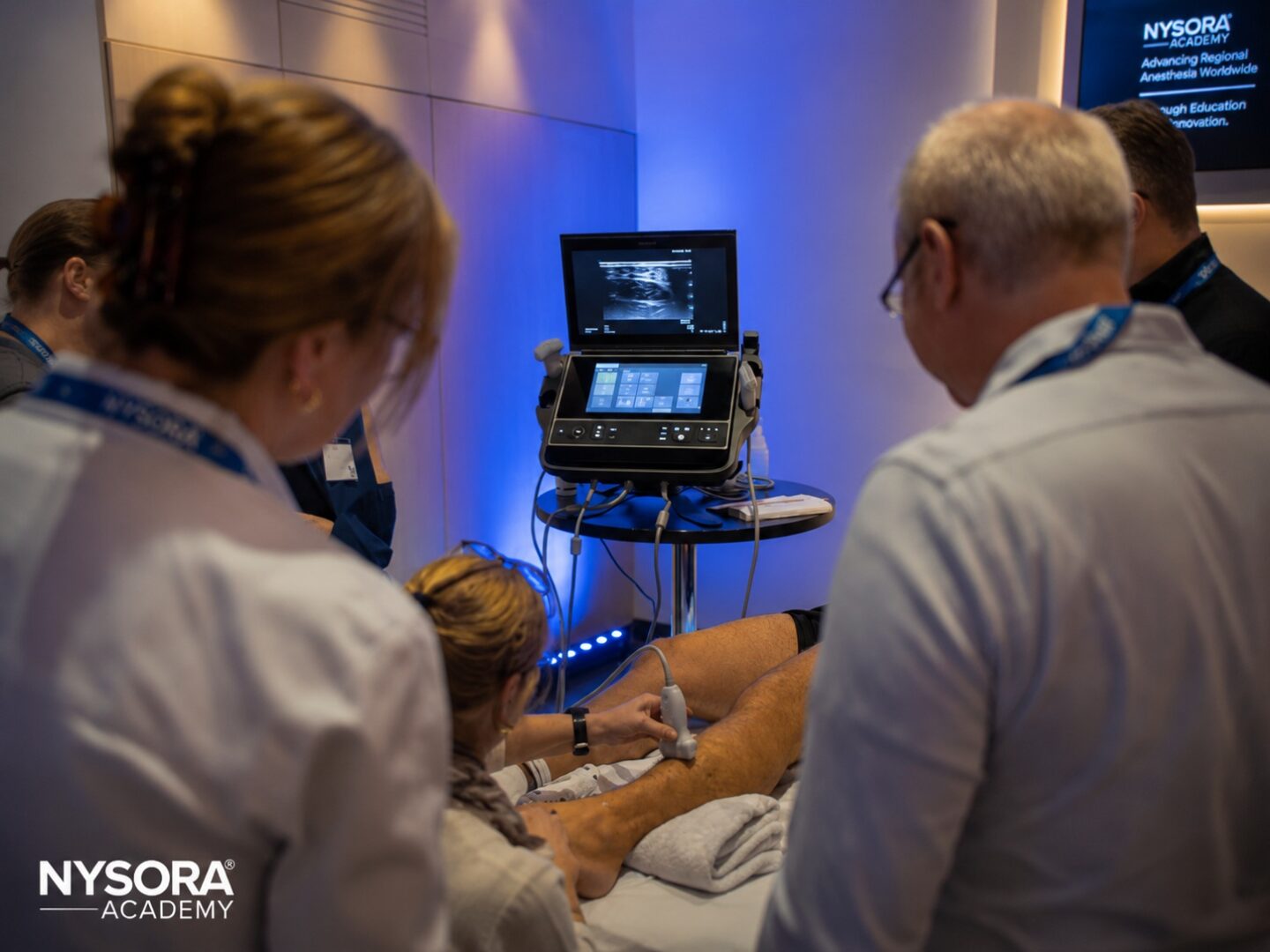
Patient Selection Is Part of the Technique
Sessions address OSA, COPD, outpatient shoulder surgery, perioperative management, and situations in which a nerve block should not be performed.
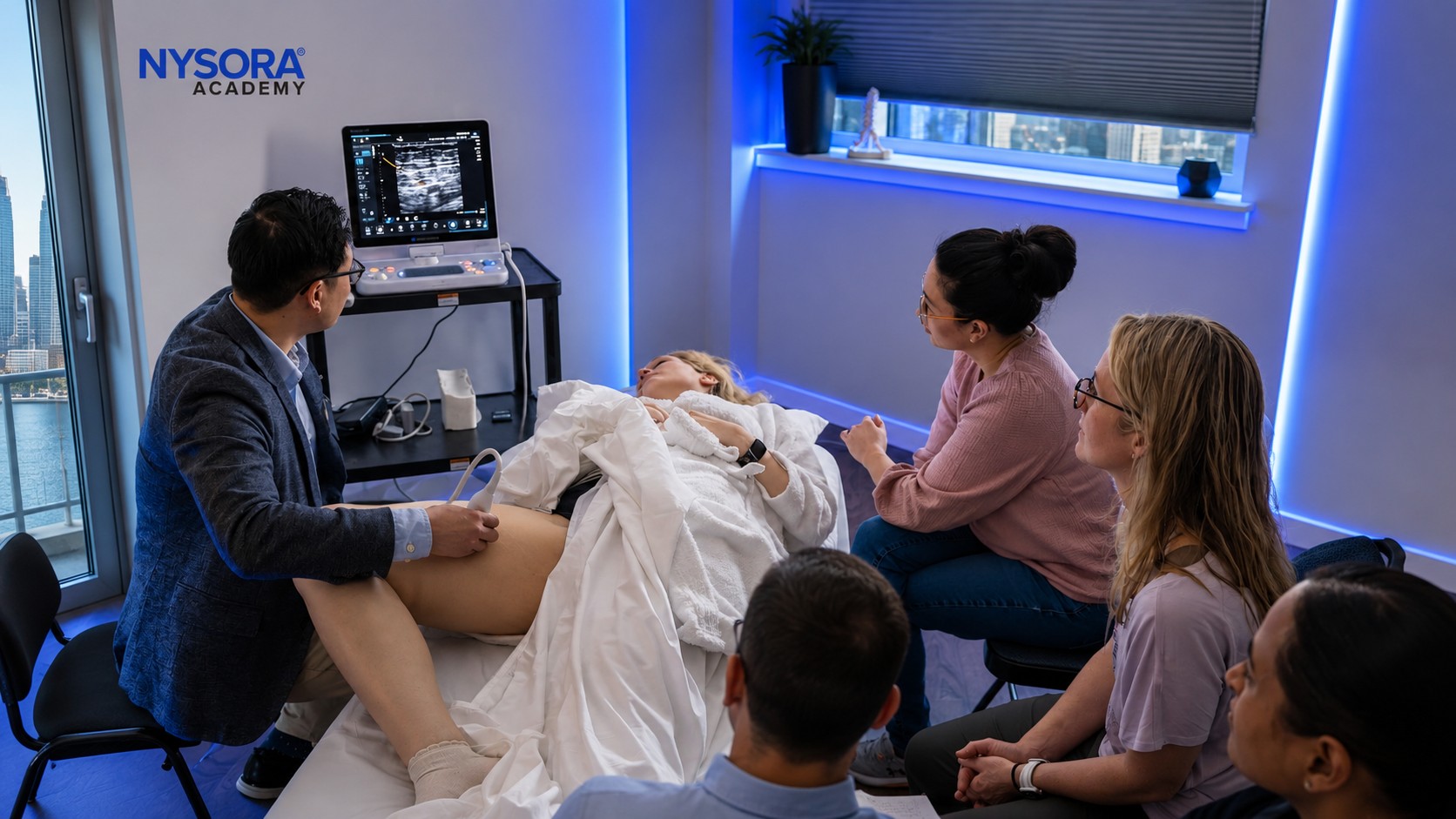
Safety Is Built Into the Program
Review sterility, probe covers, adjuvants, complication prevention, and prevention and management of local anesthetic systemic toxicity.
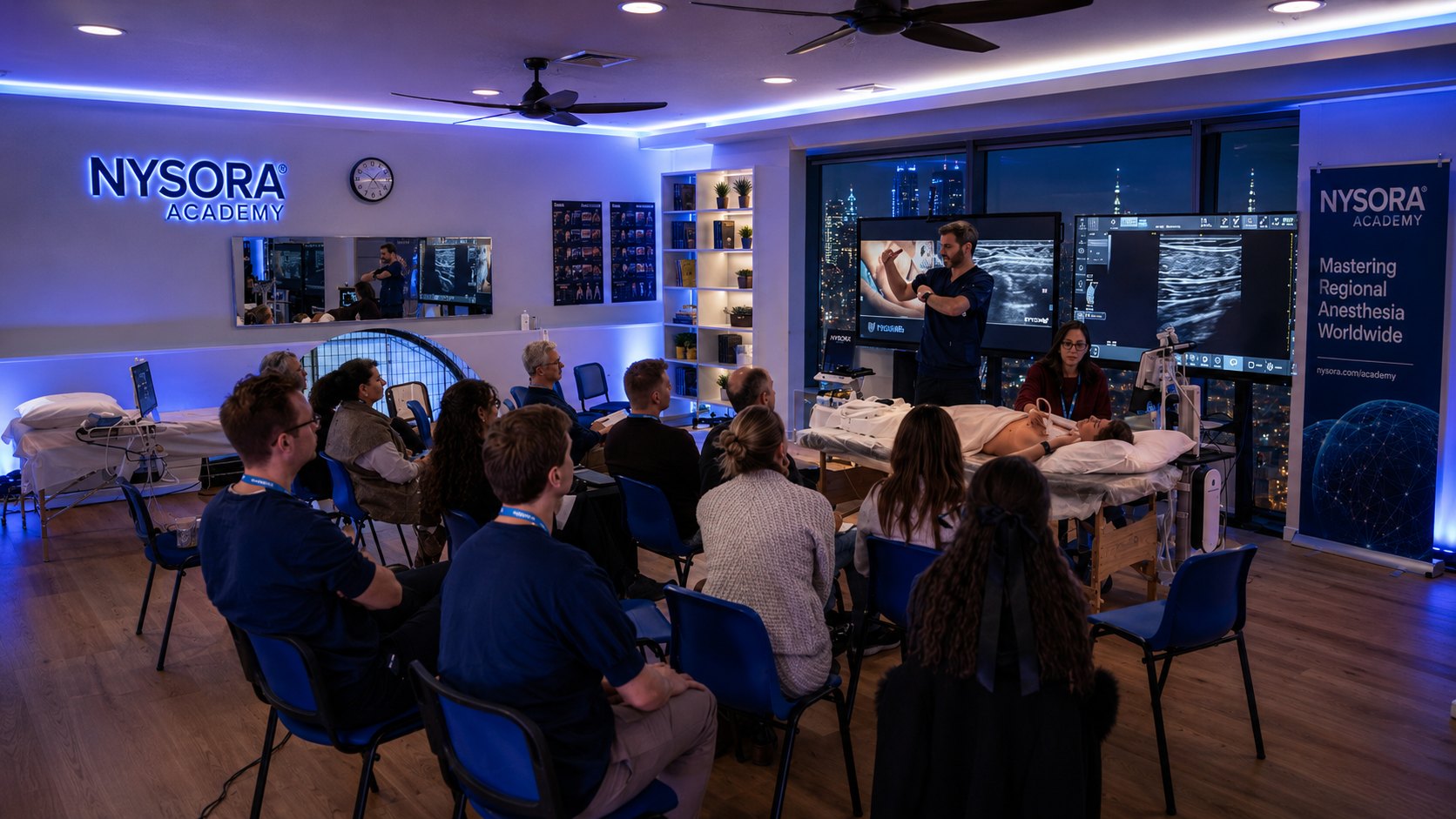
Workshop Overview
Registration includes access to the complete two-day workshop program.
Depending on the selected date, this may include:
Early Bird Rate

Early Bird Rate
Early bird discounted rate US$2,095. The standard rate within 1 month of course US$2,195. Registration includes course materials & light refreshments. Please NOTE that accommodation is not included in the registration price.

US$2,095
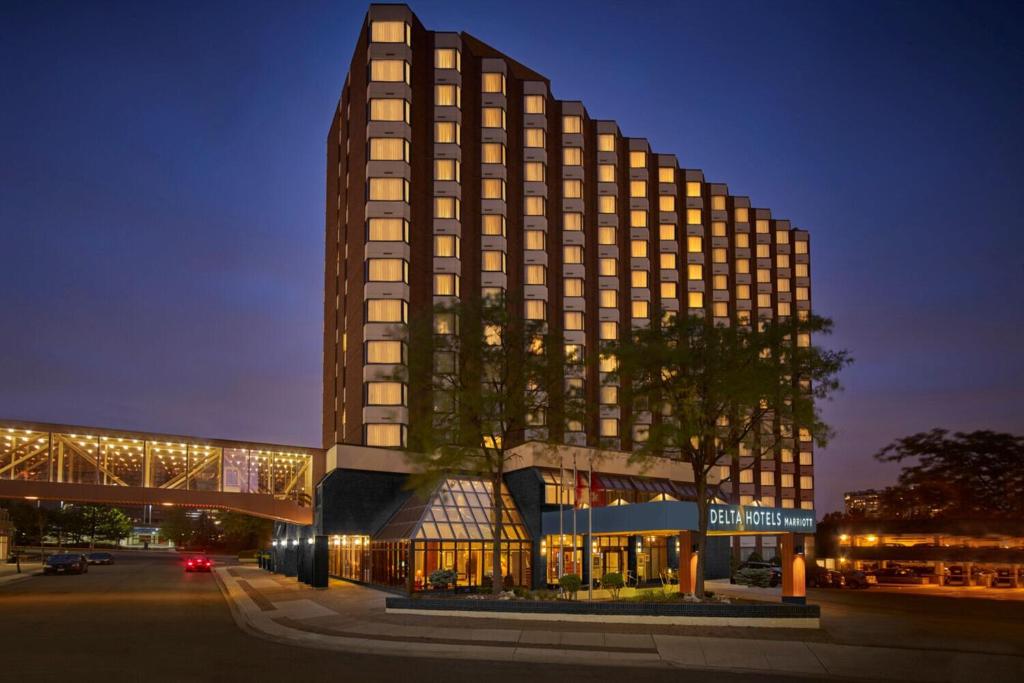
The conference will take place at Delta Hotels Toronto Mississauga, a modern and well-equipped venue located in the heart of Mississauga. Designed to accommodate professional meetings and educational events, the hotel offers state-of-the-art conference facilities, spacious meeting rooms, and a comfortable learning environment.
Conveniently situated just 17 km from Toronto Pearson International Airport, the venue is easily accessible for both domestic and international attendees. Its central location places guests within walking distance of Square One Shopping Centre, the Living Arts Centre, and a diverse selection of restaurants and cafés.
Delta Hotels Toronto Mississauga combines accessibility, comfort, and professional amenities, making it an ideal setting for a high-quality educational conference.
Anesthesiologist
Anesthesiologist
Regional Anesthesia Fellow
Dr. James Patel, Anesthesiologist, Canada
Dr. Sarah Thompson, Anesthesiologist, Canada
Dr. Daniel Wong, Anesthesiologist, Canada
Dr. Melissa Green, Anesthesiologist, Canada
Dr. Adam Bernstein, Anesthesiologist, Canada

In support of improving patient care, this activity has been planned and implemented by the Postgraduate Institute for Medicine and NYSORA. Postgraduate Institute for Medicine is jointly accredited by the Accreditation Council for Continuing Medical Education (ACCME), the Accreditation Council for Pharmacy Education (ACPE), and the American Nurses Credentialing Center (ANCC), to provide continuing education for the healthcare team.
Physician Continuing Medical Education
The Postgraduate Institute for Medicine designates this live activity for a maximum of 13 AMA PRA Category 1 Credit(s)™. Physicians should claim only the credit commensurate with the extent of their participation in the activity.
Continuing Nursing Education
The maximum number of ANCC Nursing credit hours awarded for this Continuing Nursing Education activity is 13 contact hours. Pharmacotherapy contact hours for Advance Practice Registered Nurses will be designated on your certificate.
Disclosure of Conflicts of Interest
Postgraduate Institute for Medicine (PIM) requires faculty, planners, and others in control of educational content to disclose all their financial relationships with ineligible companies. All identified financial relationships are thoroughly vetted and mitigated according to PIM policy. PIM is committed to providing its learners with high quality accredited continuing education activities and related materials that promote improvements or quality in healthcare and not a specific proprietary business interest of an ineligible company.
What is a CME activity? A Continuing Medical Education(CME) activity serves to maintain, develop, or increase the knowledge, skills, and professional performance and relationships that a physician uses to provide services for patients, the public, or the profession.
Why do physicians need continuing medical education (CME) credit? Physicians use CME credit to demonstrate that they have participated in educational activities and obtained CME credit to document meeting the requirements of state medical boards, medical specialty societies, specialty boards, hospital medical staffs, the Joint Commission, insurance groups, and others.
How are CME credits tracked for physicians? There is no centralized tracking of AMA PRA credits. Each accredited CME provider is required to keep records of AMA PRA Category 1 Credits™ claimed by physicians who participate in their activities for six years from the date of completion of the activity. Because credits may be obtained from a variety of accredited CME providers, physicians should maintain a record of their CME credits from all sources.
What documentation does a physician receive for participating in a certified CME activity provided by an accredited CME provider? Accredited CME providers are required to make available documentation of credits claimed by physicians at their request, but there is no requirement for a specific type of documentation to be used. Many accredited CME providers will issue a credit certificate at the completion and evaluation of an activity.
Nurse Practitioners credit? The American Nurses Credentialing Center (ANCC) accept CME from organizations accredited by the ACCME.
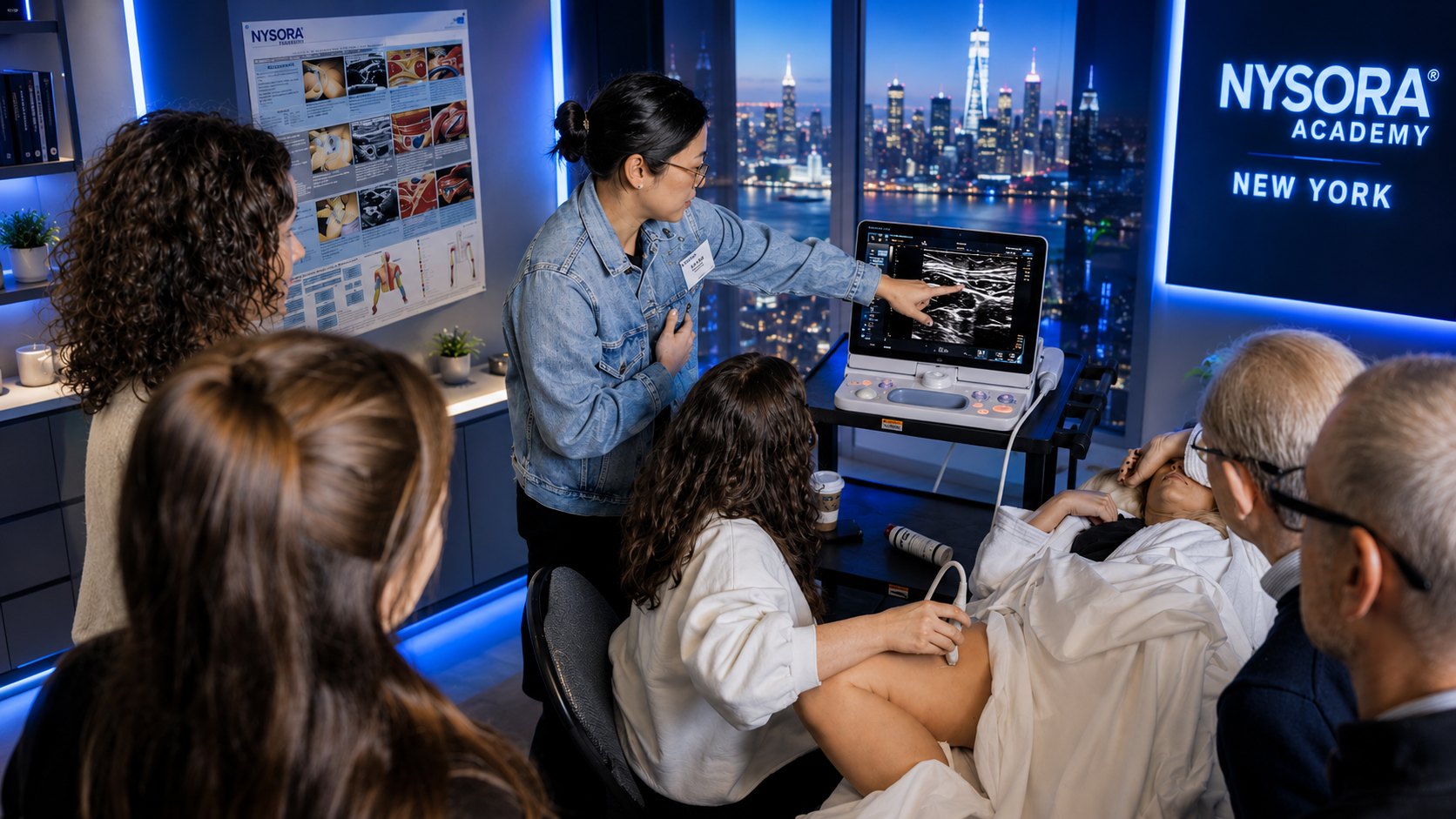
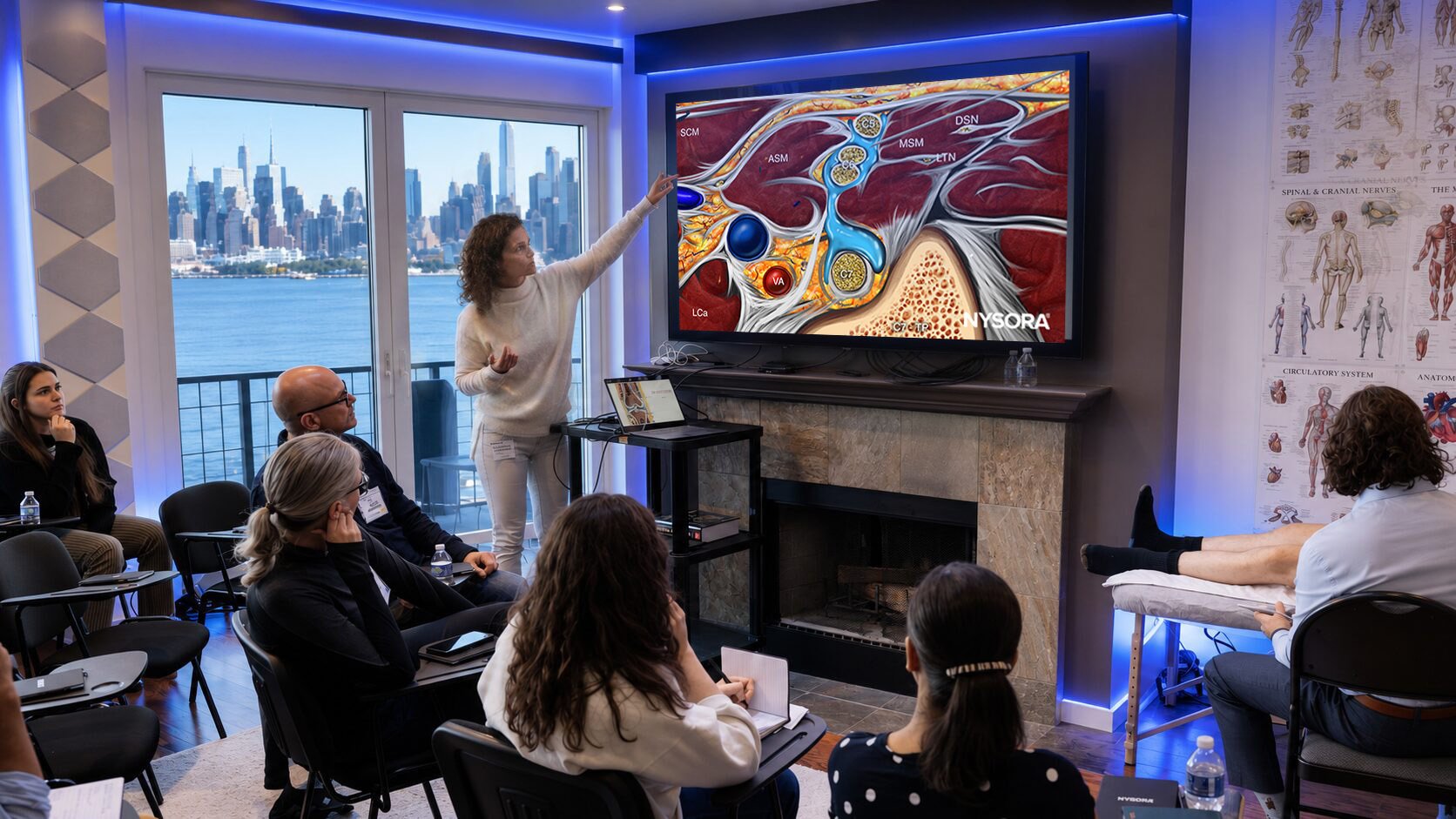
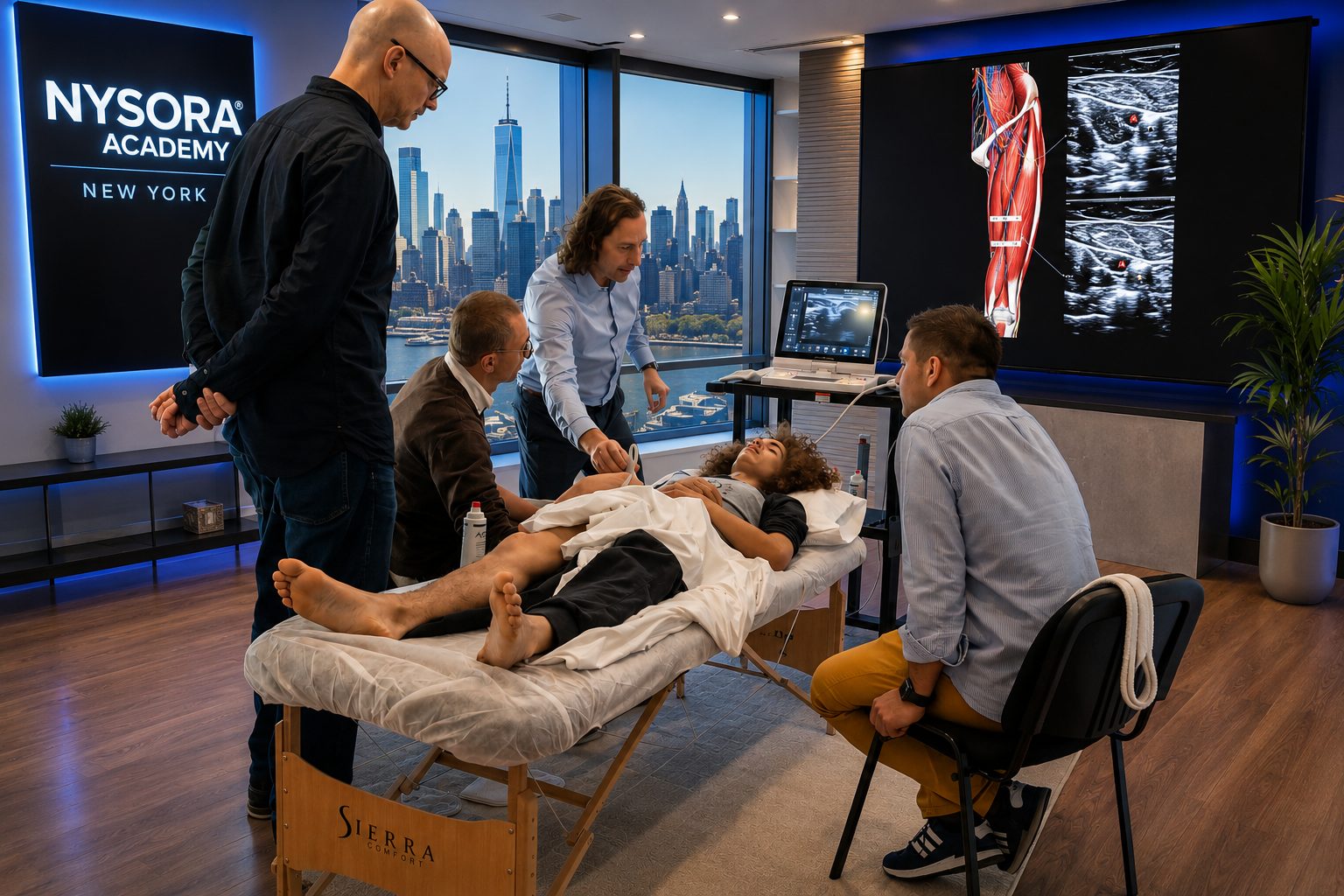
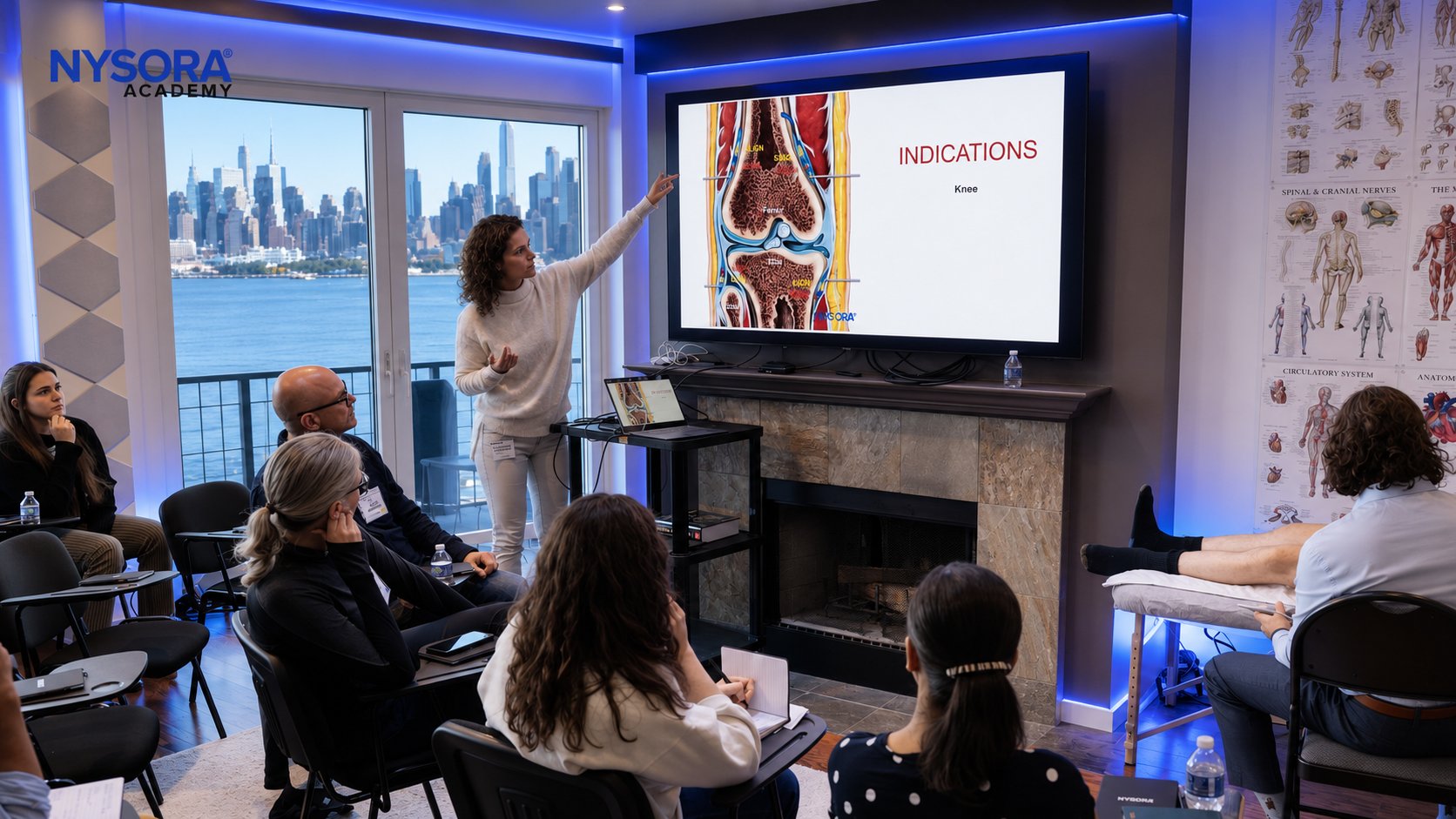
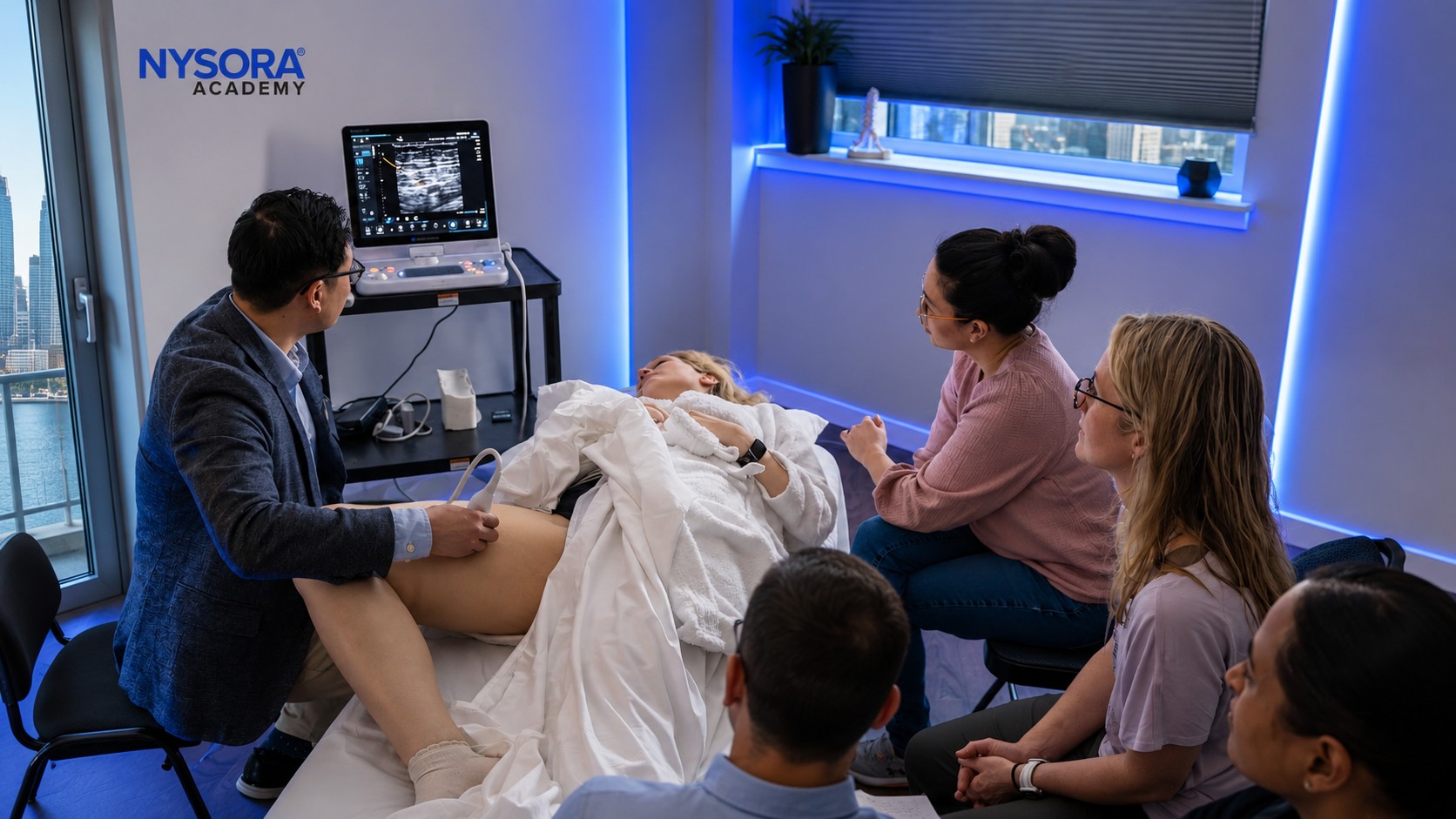
NYSORA Workshops are small-group, hands-on training programs focused on ultrasound-guided techniques in regional anesthesia, pain procedures, and POCUS. Workshops are structured training courses that combine brief teaching with extensive hands-on practice using ultrasound machines, live models, and simulators.
NYSORA workshops are designed to be highly practical. While short lectures and demonstrations provide a clinical framework, most of the program is dedicated to hands-on scanning, supervised practice, and real-time feedback from faculty.
Depending on the course, workshops may cover:
Each workshop page lists the exact procedures and learning objectives.
Workshops are led by experienced clinicians and educators with deep expertise in regional anesthesia, pain medicine, and ultrasound-guided techniques. Faculty composition varies by course and is listed on each workshop page.
No formal prerequisites are required for most workshops. Courses are designed to support a range of skill levels—from trainees building fundamentals to experienced clinicians refining ultrasound-guided techniques.
Any course-specific requirements are listed on the event page.
Inclusions vary by event, but typically include:
Exact inclusions are listed on the individual event page. Travel and accommodation are generally not included. Where available, event pages provide guidance on nearby hotels and transportation for convenience.
In most cases, you do not need to bring any special equipment—ultrasound machines and training materials are provided. It’s recommended to bring:
Cancellations must be submitted in writing to [email protected]. The general policy is:
Rescheduling may be possible depending on availability but is not guaranteed. Always review the specific event page for the most accurate policy.
 Nerve Blocks App
 Anesthesia Assistant App
 Ultrasound Pain App
 Pain Medicine Assistant App
 POCUS App
 IV Access App
 MSK Knee App
 Nerve Block Manual
 Regional Anesthesia Updates
 Anesthesiology Manual
 Anesthesiology Review
 Anesthesia Updates 2025
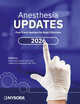 Anesthesia Updates 2026
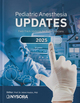 Pediatric Anesthesia Updates
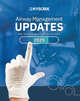 Airway Management Updates
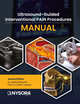 US Interventional Pain Manual
 Pain Medicine Updates
 Mastering Difficult IV Access
 PACU Nursing Manual
 RA Veterinary Manual
 Books
Books About
About
 Download PDF Agenda