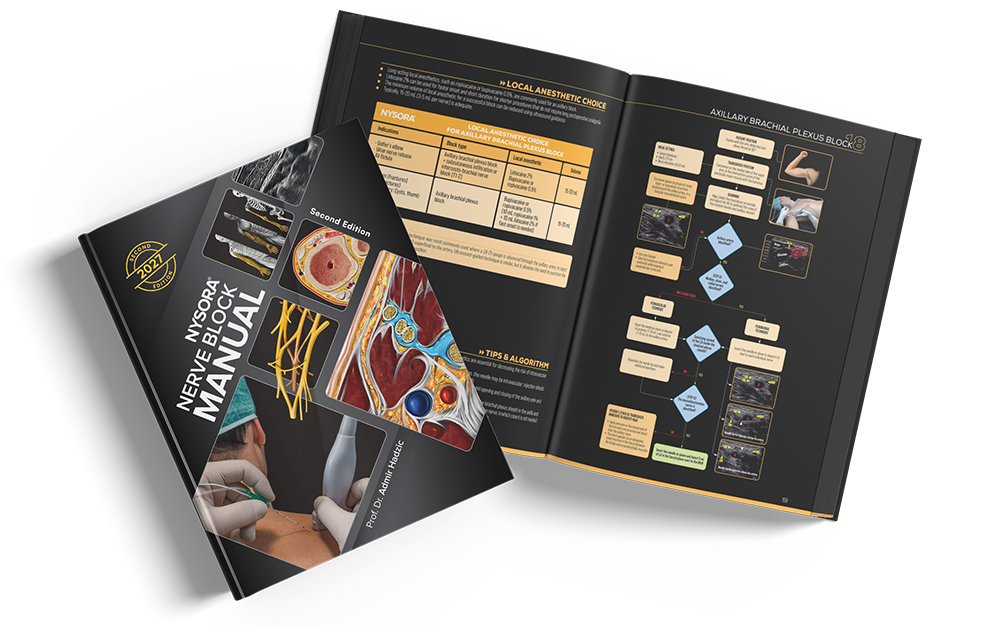
The trusted guide to regional anesthesia — reimagined for today's practice.
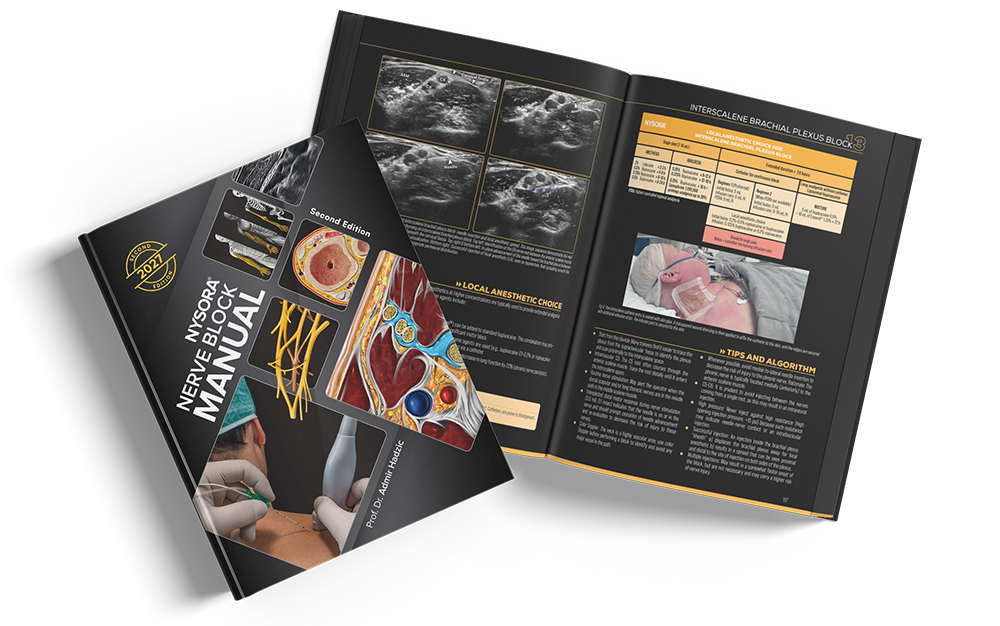
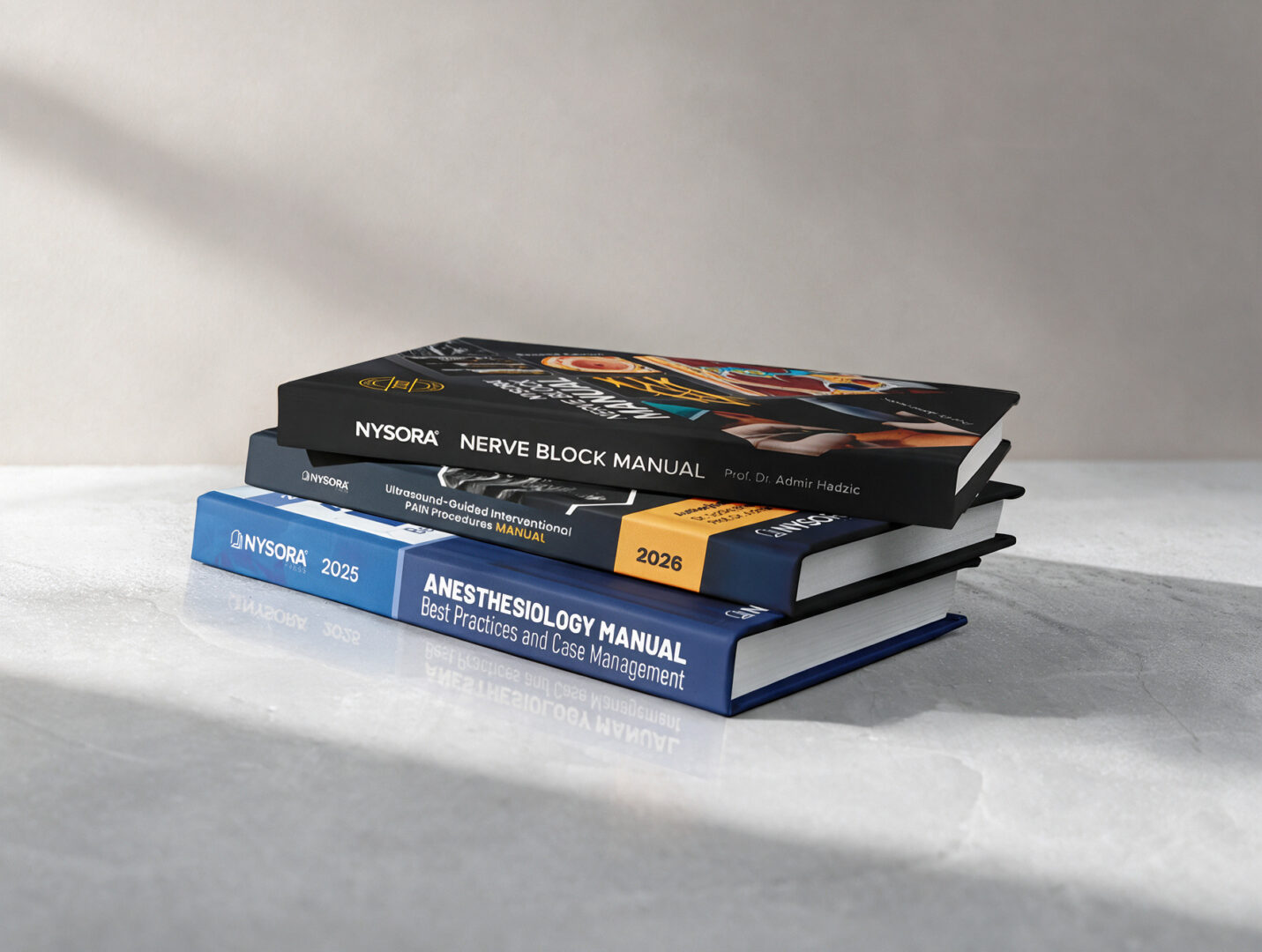
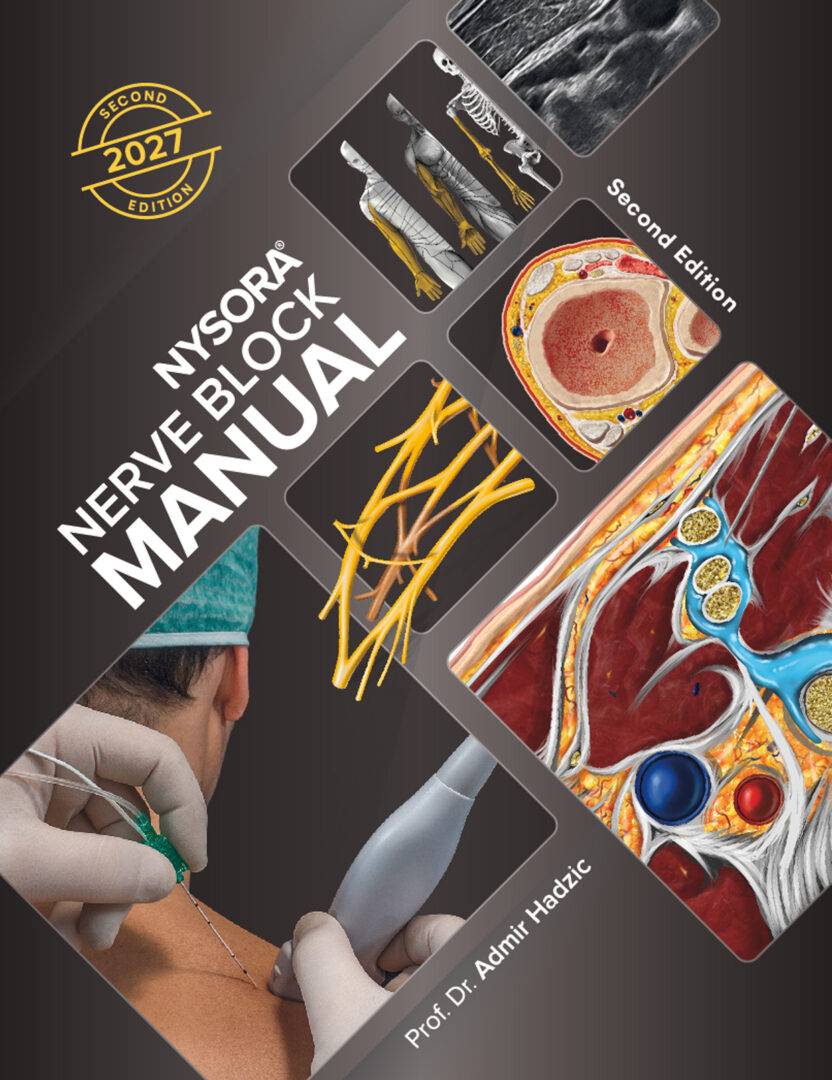
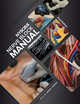
The NYSORA Nerve Block Manual returns in a completely updated and expanded Second Edition. Featuring 44 nerve block techniques, enhanced ultrasound anatomy, updated terminology, and NYSORA's signature step-by-step teaching approach, this edition makes mastering nerve blocks clearer, faster, and more practical than ever.
Everything you need to learn, perform, and teach nerve blocks with confidence.
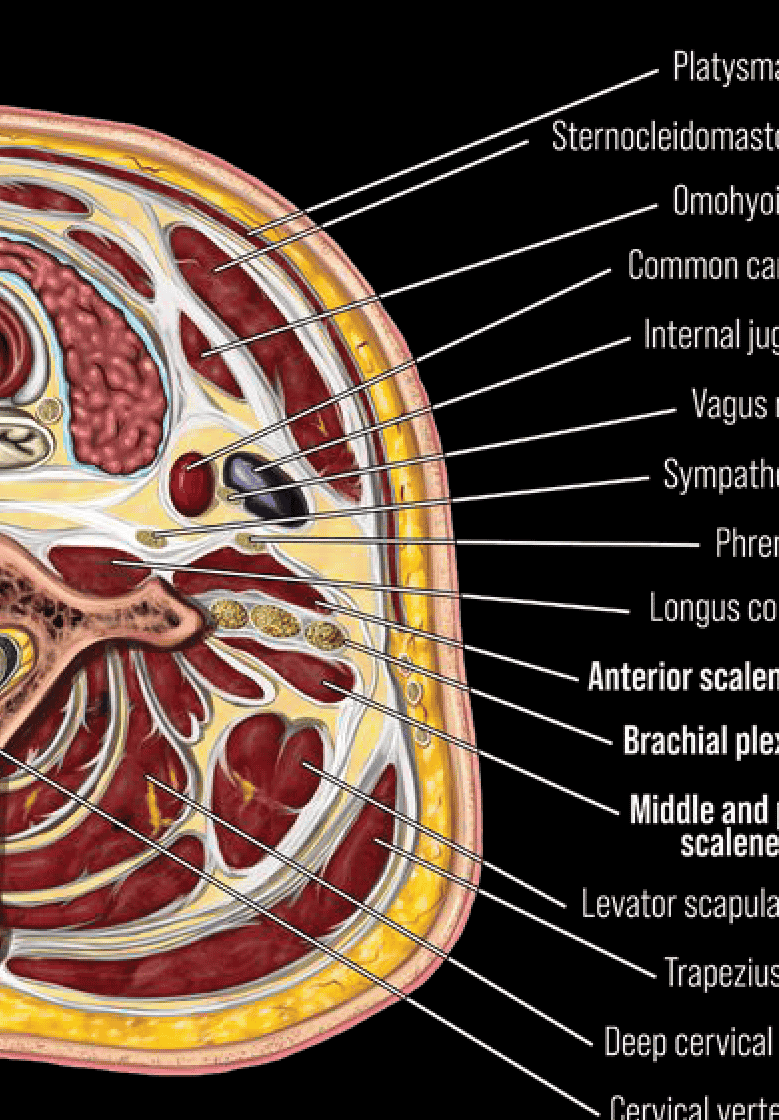
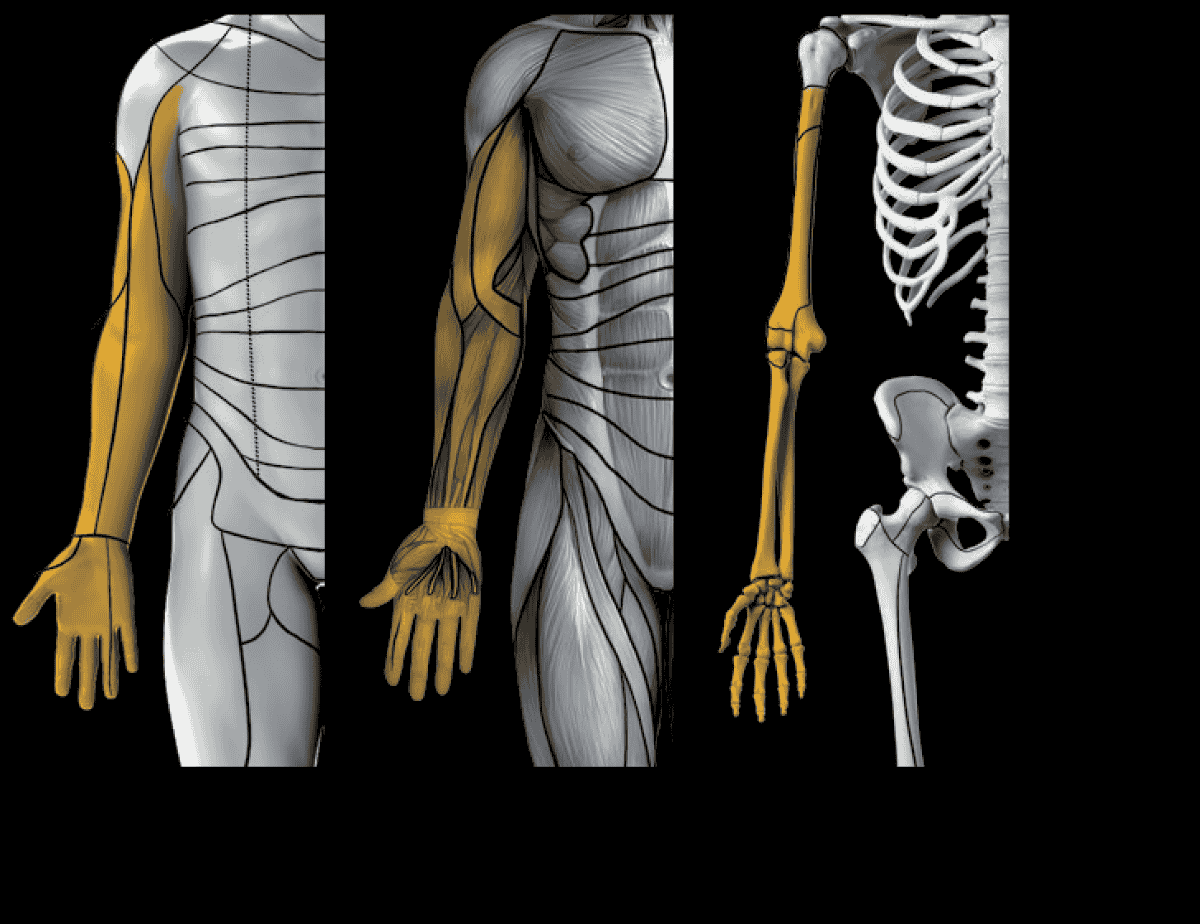
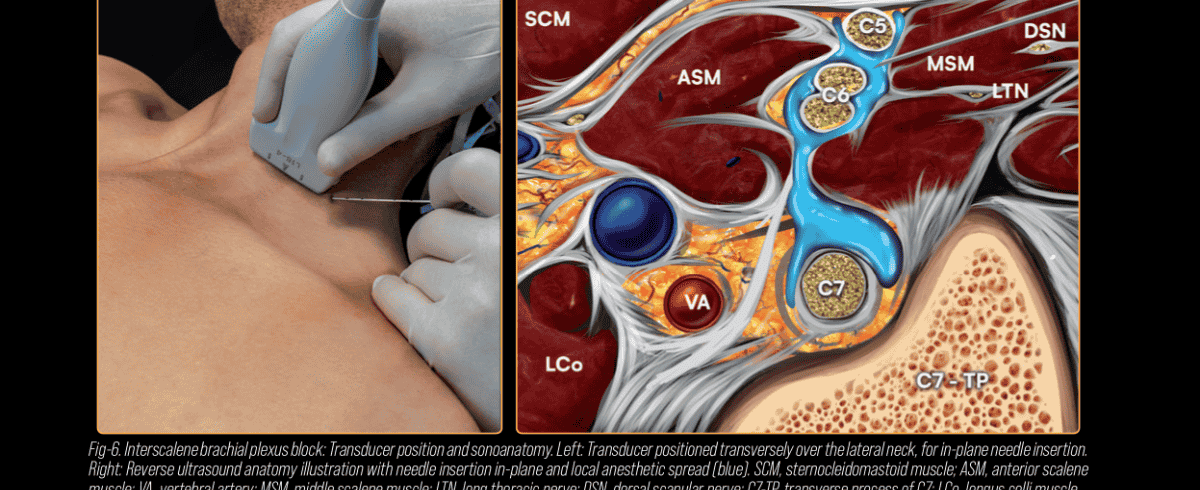
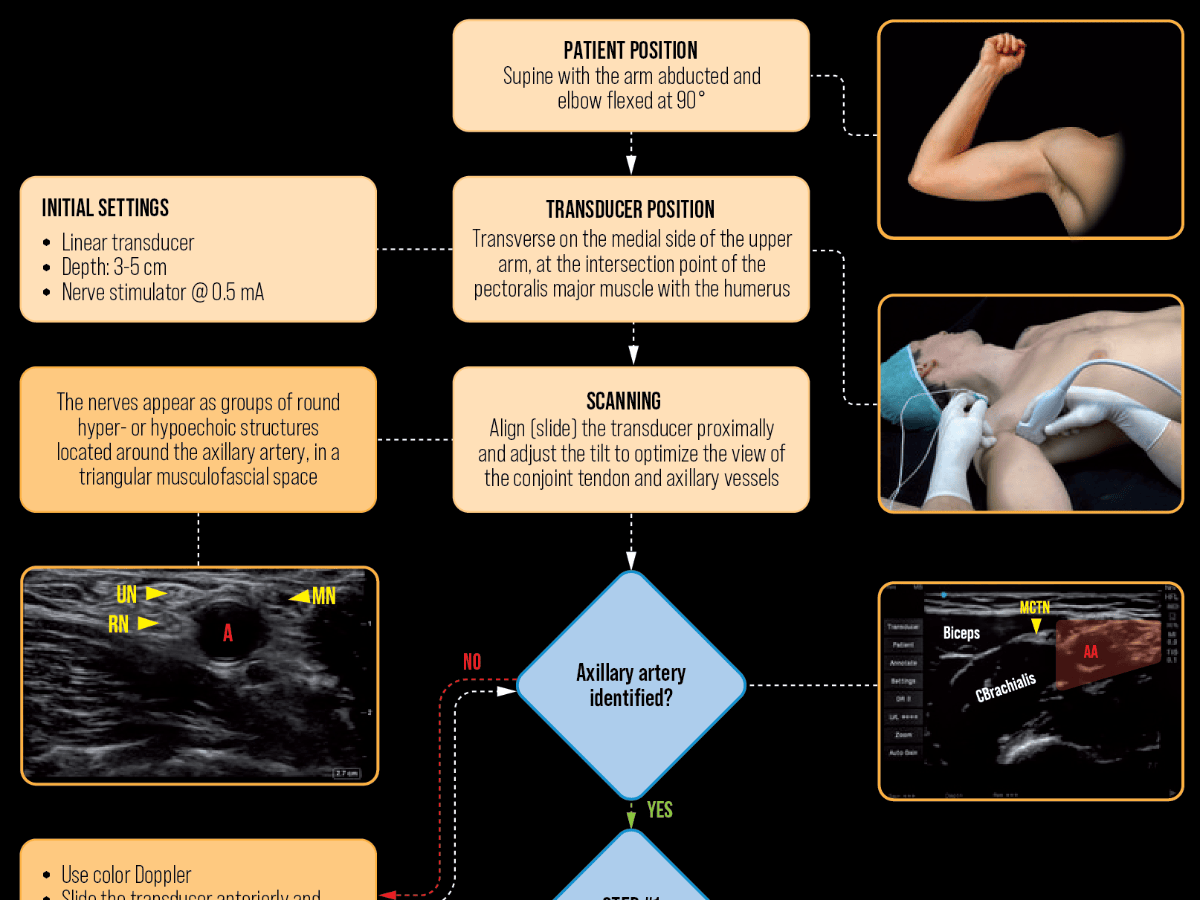
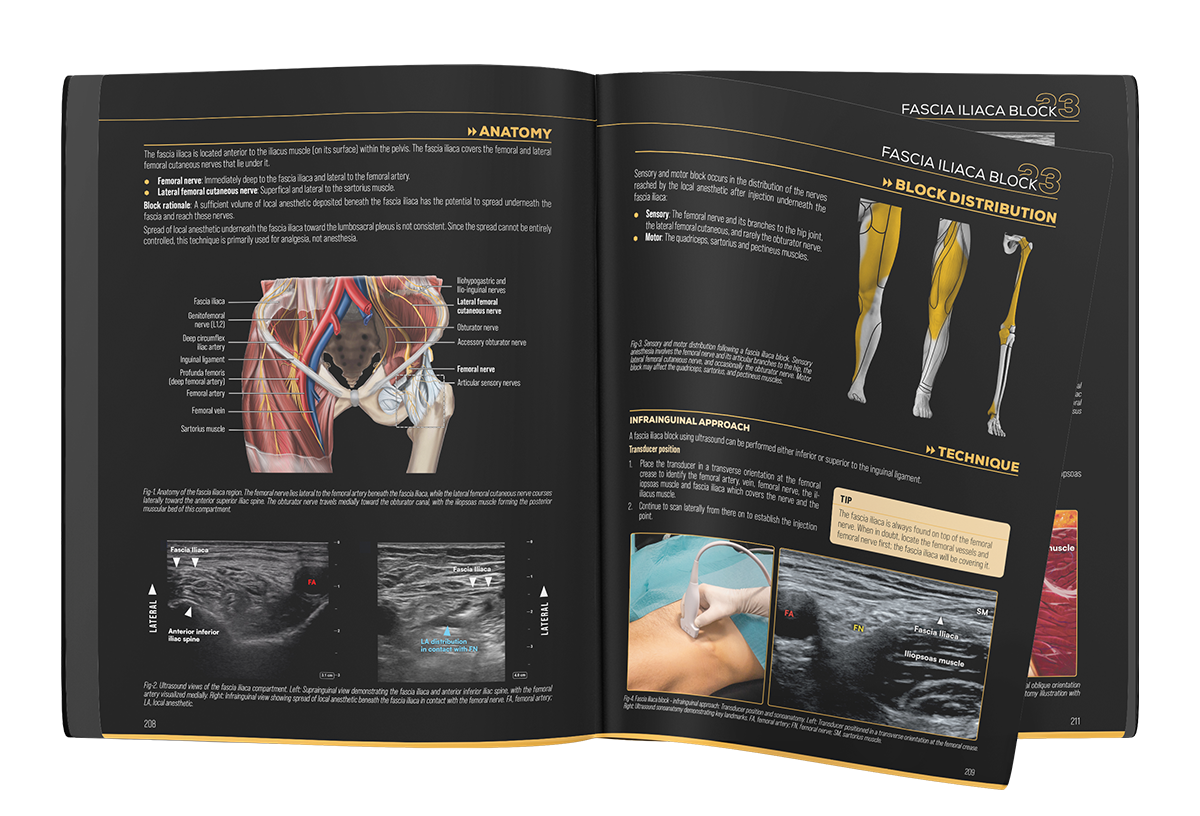
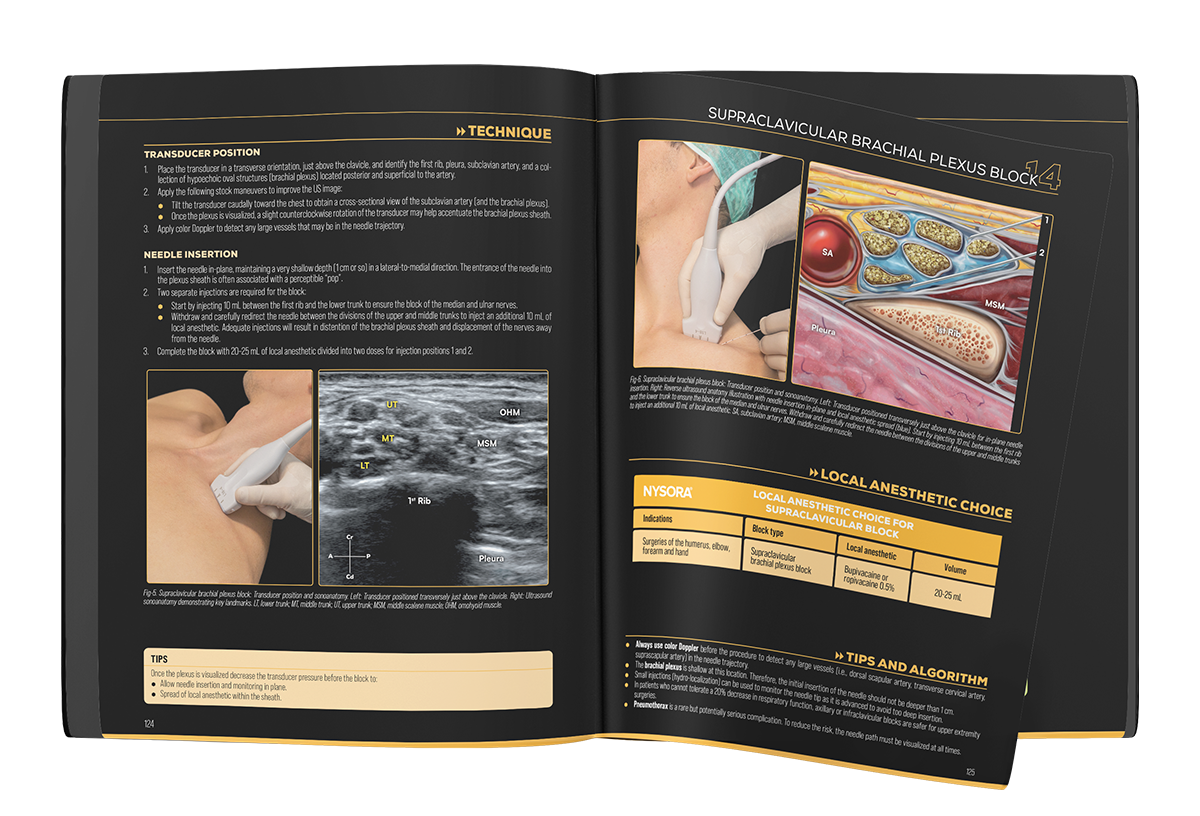
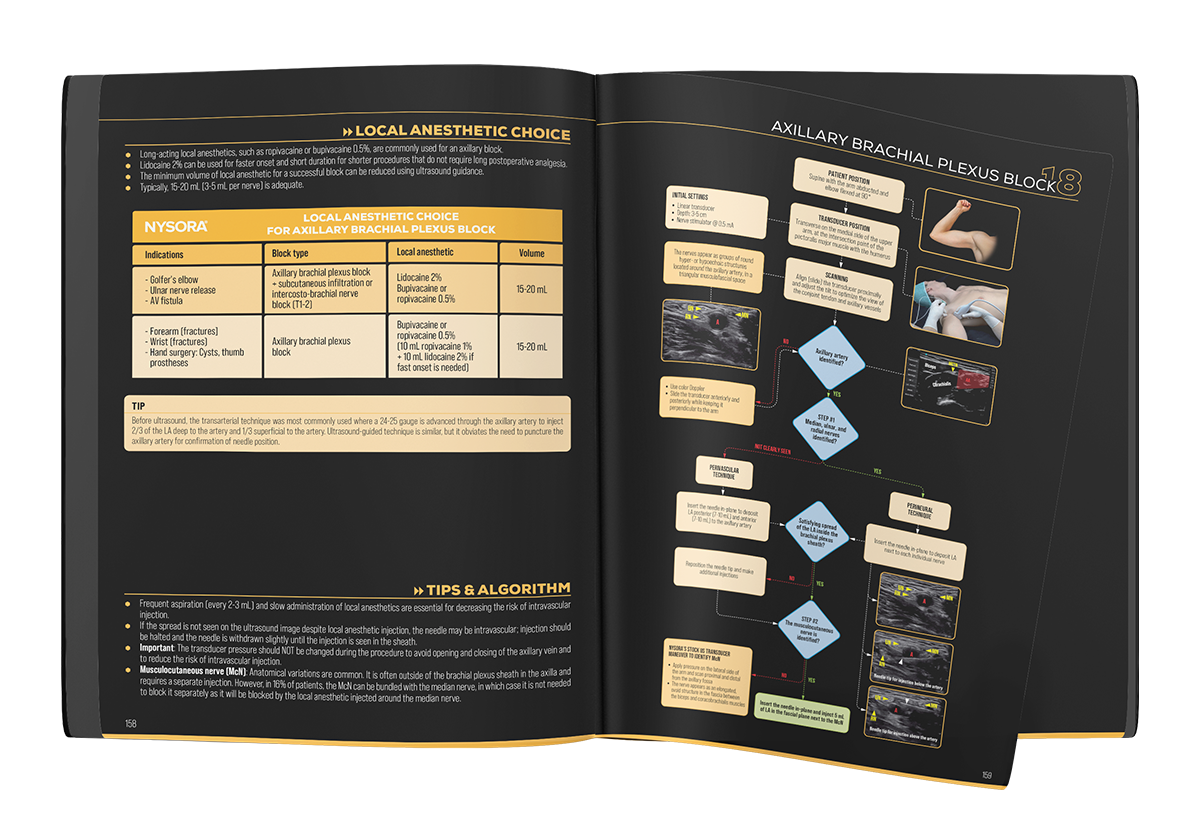
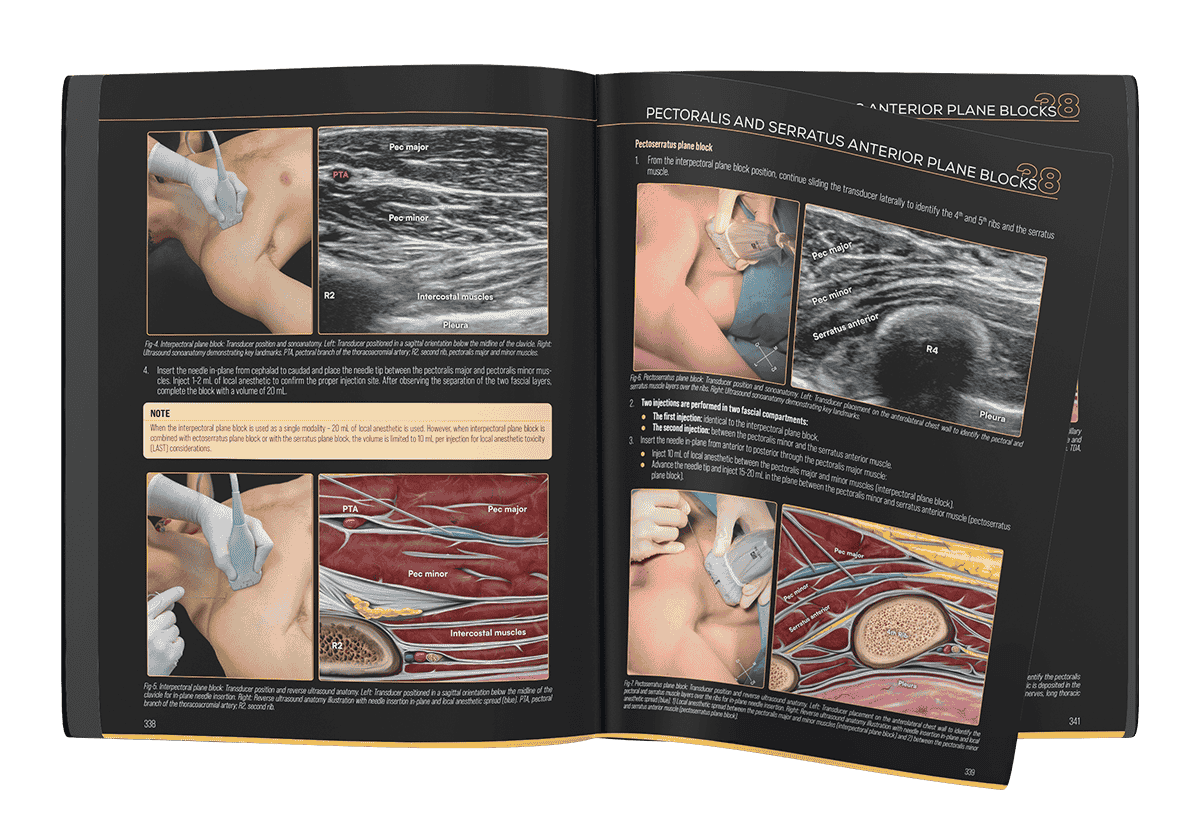
A comprehensive visual and practical guide to ultrasound-guided regional anesthesia, reworked for 2027. The NYSORA Nerve Block Manual brings together functional anatomy, sonoanatomy, and step-by-step procedural guidance in a highly visual format, connecting anatomy and ultrasound imaging with transducer placement, needle trajectory, injection technique, and assessment of local anesthetic spread.
WHAT'S NEW AND KEY FEATURES
Used by anesthesiology departments worldwide, this edition brings updated anatomy, sonoanatomy, technique guidance, evidence, and practical clinical pathways.
01
Every chapter revised
02
Understand the anatomy
03
Identify the target and plan the approach
04
Perform, assess, and apply clinical judgment
05
Decision-making flowcharts
06
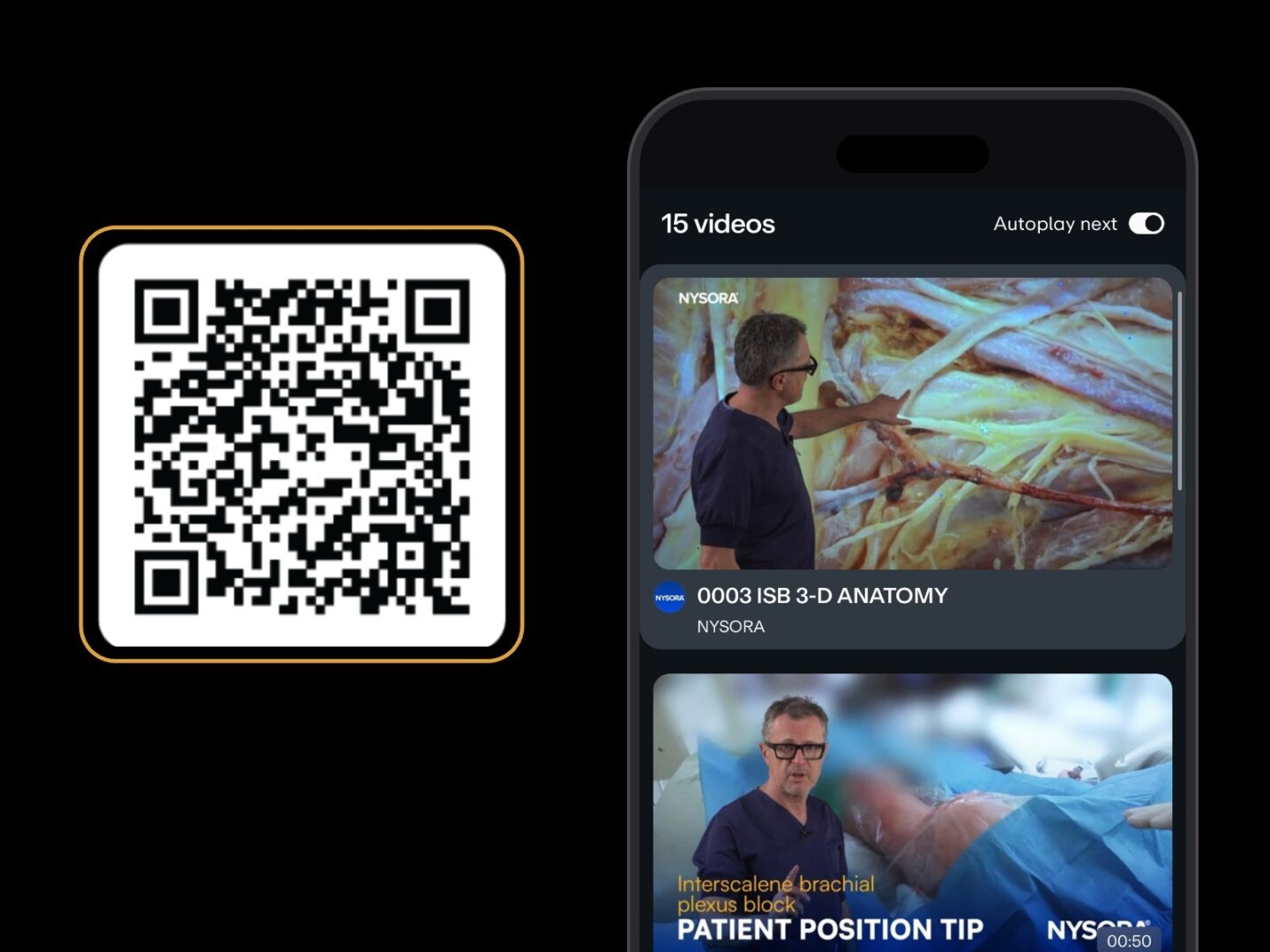
QR video links
Discover the Nerve Block Manual 2027
Everything you need to learn or teach veterinary regional anesthesia.
Step-by-step procedural guidance
Covering patient positioning, transducer placement, image acquisition, needle trajectory, injection technique, and assessment of local anesthetic spread.
Integrated visual learning
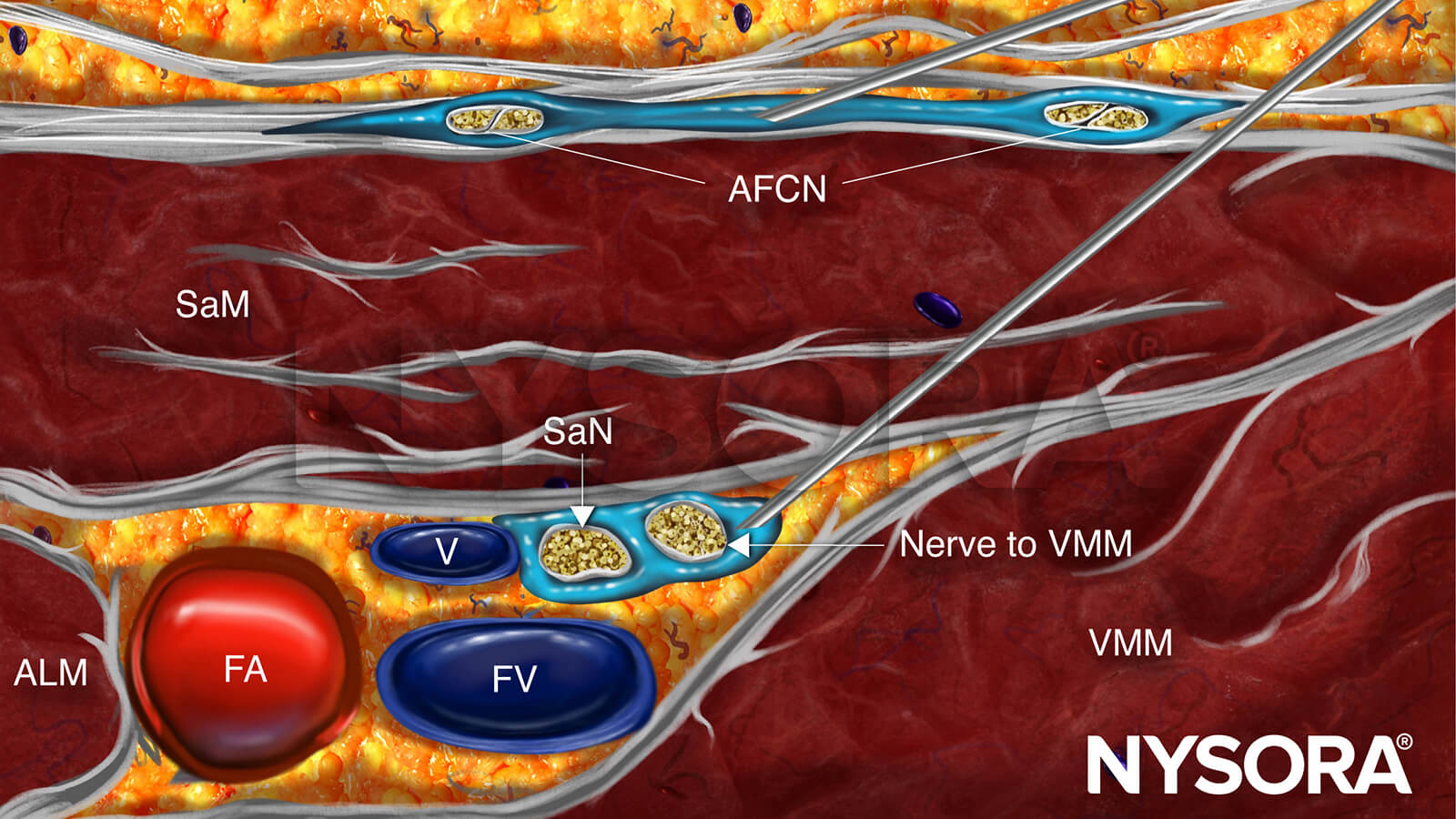
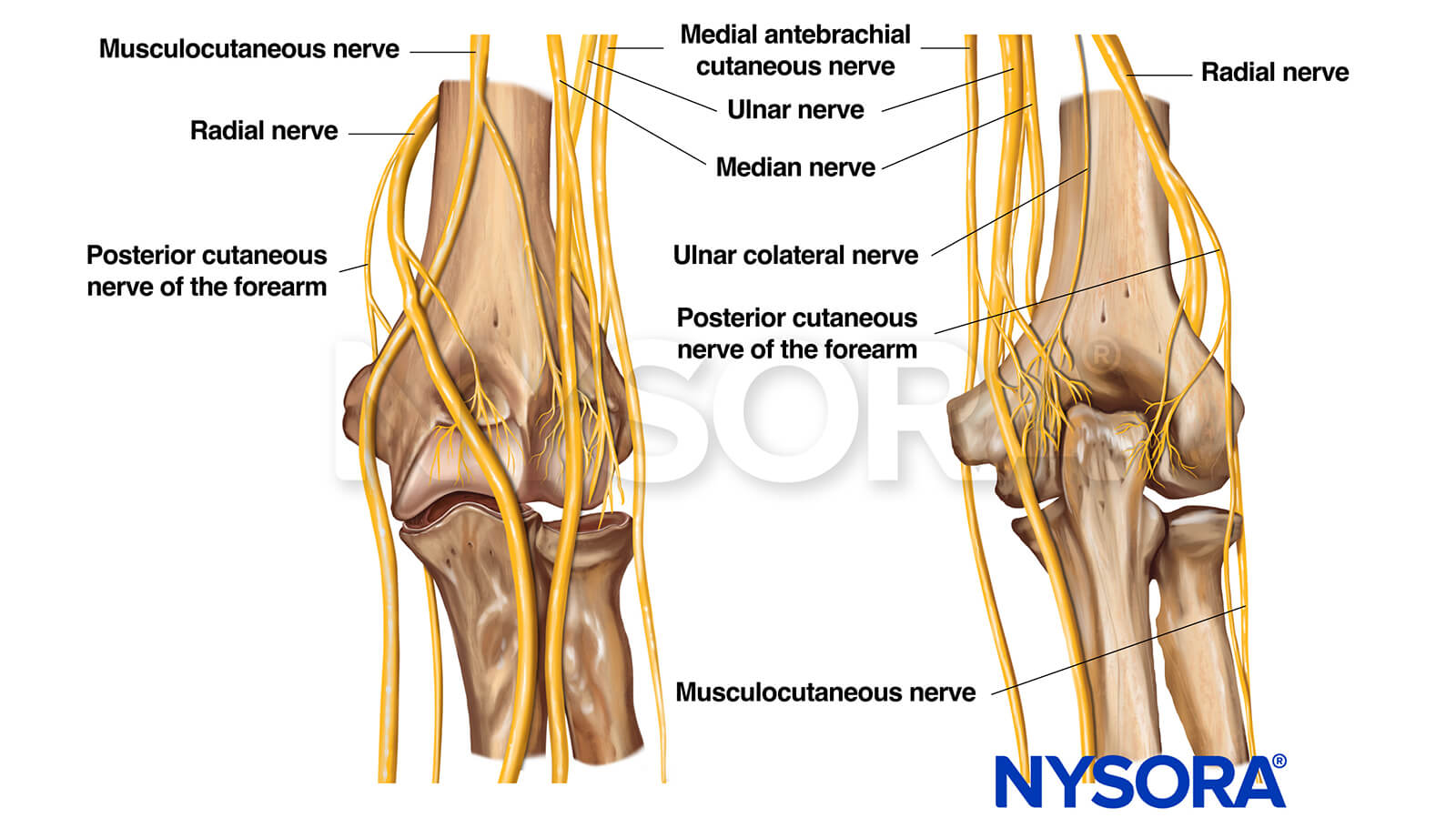
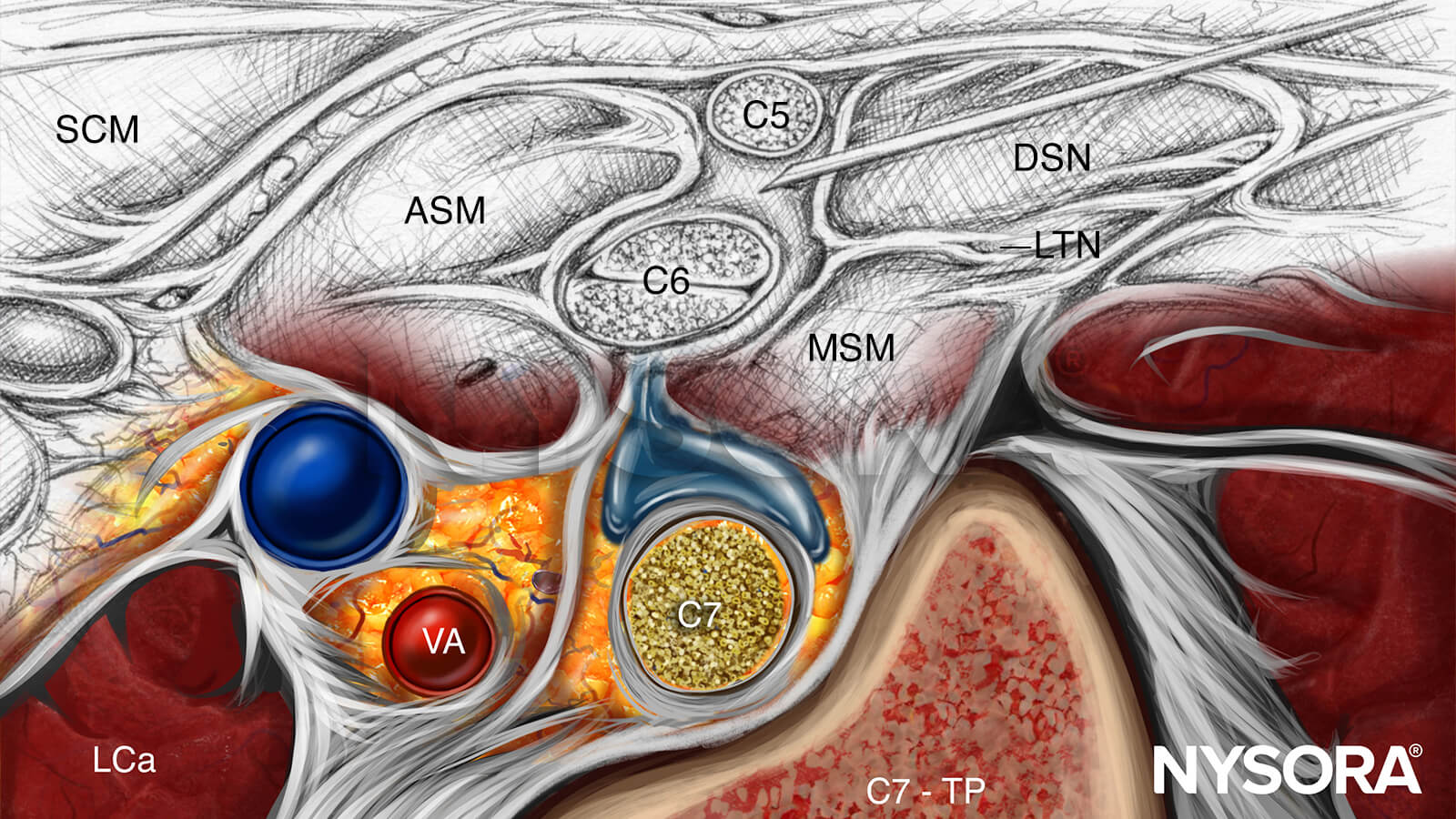
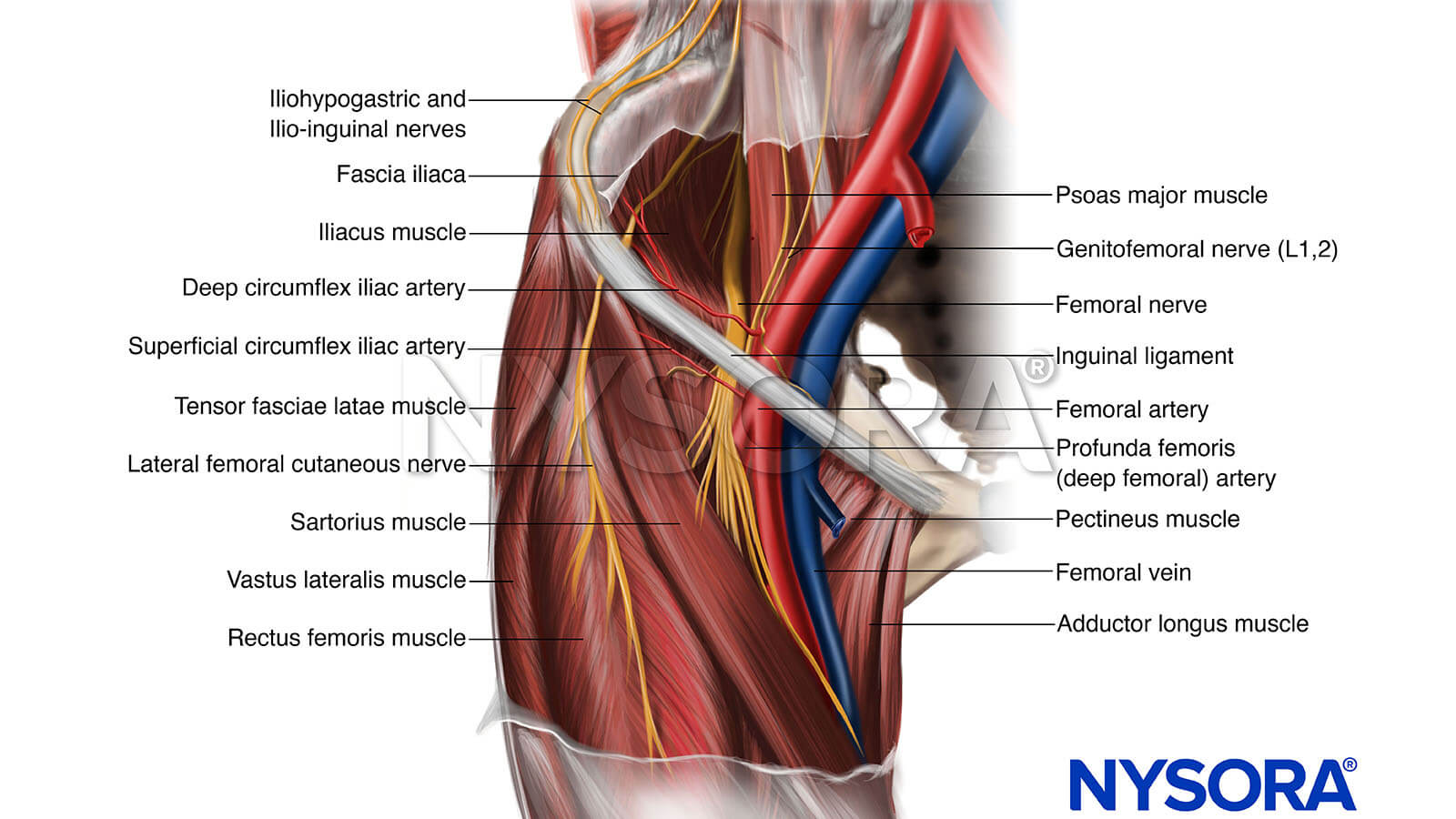
NYSORA medical illustrations, ultrasound images, and Reverse Ultrasound Anatomy™ (RUA) connecting functional anatomy with sonoanatomy.
Technique flowcharts
A clear visual sequence for scanning, identifying the target, needle placement, and local anesthetic injection.
Practical clinical guidance
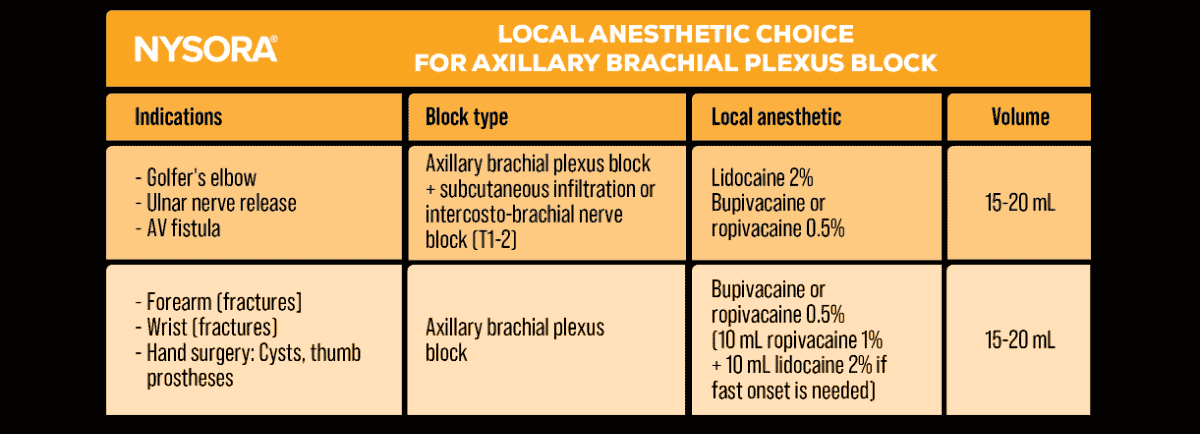
Including indications, local anesthetic selection and dosing, safety considerations, technical tips, and updated evidence and references.
01/04
Gallery
Take a closer look at the illustrations inside the manual.
Peripheral nerve blocks reduce heart injury risk after hip fracture surgery in older adults
New study highlights protective cardiovascular effects of regional anesthesia A major new study published in Anesthesiology (2026) has revealed that peripheral nerve blocks (PNBs) may significantly reduce the risk of postoperative myocardial injury in older adults undergoing hip fracture surgery. This finding is particularly important because myocardial injury after noncardiac surgery (MINS) is a common and life-threatening complication, especially in elderly patients with pre-existing cardiovascular disease. The study analyzed 1,467 patients and provides strong evidence that optimizing perioperative analgesia may have cardioprotective effects beyond pain control. Understanding myocardial injury after hip fracture surgery What is myocardial injury? Myocardial injury refers to damage to cardiac muscle cells, typically identified by elevated cardiac troponin (cTn) levels above the 99th percentile upper reference limit. Indicates myocardial cell necrosis May occur with or without classic ischemic symptoms Strongly associated with increased mortality Why is it important? Occurs in 15–86% of hip fracture patients depending on population and monitoring Linked to: Increased 30-day mortality Higher 1-year mortality rates Prolonged hospitalization Hip fracture patients are especially vulnerable due to: Advanced age High prevalence of cardiovascular comorbidities Physiological stress from trauma and surgery Study overview: design and patient population Study design Two-center retrospective cohort study Conducted in Beijing, China Study period: 2012–2023 Participants 1,467 patients aged ≥ 65 years All underwent hip fracture surgery under: General anesthesia Neuraxial anesthesia Grouping Patients were divided into: PNB group (798 patients) Non-PNB group (669 patients) Nerve block techniques used Fascia iliaca compartment block (~70%) Femoral nerve block Lumbar plexus block Less common: Sciatic nerve block Pericapsular nerve group block Key findings: reduced risk of myocardial injury Primary outcome results Myocardial injury incidence: 12.0% with PNB 21.5% without PNB This represents a substantial reduction. Statistical analysis Adjusted odds ratio (OR): 0.60 95% confidence interval: 0.44–0.82 P = 0.002 (statistically significant) Interpretation […]
Regional anesthesia with fascial plane blocks for pediatric cardiac surgery
Effective postoperative pain control is a critical component of perioperative care in children undergoing cardiac surgery. Many pediatric cardiac procedures require a median sternotomy, a surgical approach that can produce significant nociceptive and neuropathic pain due to tissue dissection, rib retraction, sternal splitting, and placement of chest drains. Inadequate analgesia in this setting is not simply uncomfortable for the patient—it can contribute to physiologic instability and prolonged recovery. Pain that is poorly controlled after pediatric cardiac surgery has been associated with increased sympathetic activation, systemic hypertension, pulmonary hypertension, arrhythmias, and ventilator dyssynchrony. These complications may prolong mechanical ventilation and increase the length of stay in the intensive care unit (ICU). Furthermore, persistent poststernotomy pain and negative intensive care experiences may lead to chronic pain syndromes or long-term psychological stress responses in children. Historically, postoperative analgesia for pediatric cardiac surgery relied heavily on systemic opioids. While opioids remain effective analgesics, they are associated with well-recognized dose-dependent adverse effects. Respiratory depression, nausea, vomiting, ileus, and delayed extubation can complicate postoperative recovery. Prolonged opioid exposure may also lead to tolerance, dependence, or withdrawal symptoms in pediatric patients receiving continuous infusions for several days. Over the past decade, the increased availability of ultrasound-guided regional anesthesia has transformed perioperative pain management strategies. Fascial plane blocks in particular have gained attention because they provide targeted analgesia while maintaining a favorable safety profile in anticoagulated patients undergoing cardiopulmonary bypass. These techniques avoid the neuraxial and paravertebral spaces, reducing the risk of catastrophic hematoma formation. This growing interest has led clinicians to explore the use of fascial plane blocks as part of multimodal analgesia protocols for pediatric cardiac surgery. Recent studies suggest that these blocks may significantly reduce opioid requirements, improve postoperative recovery, and support enhanced recovery pathways. The challenge of poststernotomy pain in children Median sternotomy involves extensive […]
Regional anesthesia continues to evolve, and clinicians face increasing
demands to master nerve block techniques with precision, safety, and
efficiency. Access to high-quality, practical, and evidence-based
education is essential. NYSORA’s Nerve Block Manual is developed by
international experts and reviewed by NYSORA’s educational board.
It provides clear, step-by-step guidance, high-yield clinical tips,
and detailed anatomical and ultrasound-based insights, empowering
clinicians to perform nerve blocks with confidence, improve patient
outcomes, and stay at the forefront of modern regional anesthesia.
Get Your Copy
Nerve Block Manual
Available in paperback — designed to refine
technique, improve success, and patient safety.
What readers say
Reviews from clinicians and verified Amazon buyers.
“Amazon
Great layout with clear instructions and easy to follow flow charts for each block.
P
passoni
Verified purchase · United Kingdom
“Clinician
My go-to for everything related to nerve blocks!
MF
Dr. Max Feinstein
USA
“Clinician
Exact and concrete useful information! Superior pictures and tips.
AB
Dr. Andy De Baerdemaeker
Belgium
“Amazon
It's not only great for learning, but excellent reference material even for those with experience.
AC
Amazon customer
Verified purchase
“Clinician
Exactly what I needed!
KW
Dr. Kay Warnott
USA
“Clinician
Top aktuell, state of art!
HF
Dr. Helmut Farcher
Germany
“Amazon
This book arrived at just the right time for me.
TB
Tiago B.
Verified purchase · Brazil
Frequently Asked Questions
Common questions about our book.
The Nerve Block Manual 2027 is a comprehensive, practical guide to ultrasound-guided peripheral nerve blocks and fascial plane injections. It provides step-by-step instructions, detailed anatomical insights, practical tips, and guidance on local anesthetic selection, dosing, and volume recommendations to support safe and effective clinical practice.
The Nerve Block Manual 2027 is designed for anesthesiologists, pain management specialists, and other healthcare professionals who perform or are learning ultrasound-guided nerve blocks. It is a valuable resource for both beginners developing their skills and experienced clinicians looking to refine their techniques.
The Nerve Block Manual 2027 provides clear, step-by-step instructions, practical clinical tips, detailed anatomical illustrations, and decision-making algorithms. These resources help clinicians understand nerve block techniques, improve procedural consistency, and support safe, effective patient care.
Absolutely. With its structured explanations, detailed illustrations, and practical guidance, the Nerve Block Manual 2027 is an excellent educational resource for teaching anesthesiology residents, fellows, and practicing clinicians. It can support both individual learning and structured teaching sessions.
The Nerve Block Manual 2027 can be purchased through the official NYSORA Amazon Books page (Amazon link to be added). Visit the page to explore the book and access the available purchase options.
Yes. NYSORA offers a range of complementary educational resources, including online learning materials, YouTube videos, and the Nerve Blocks App. Clinicians can use these resources alongside the Nerve Block Manual 2027 to reinforce their knowledge and further develop their ultrasound-guided regional anesthesia skills.

 Nerve Blocks App
 Anesthesia Assistant App
 Ultrasound Pain App
 Pain Medicine Assistant App
 POCUS App
 IV Access App
 MSK Knee App
 VetRA App

 Nerve Block Manual 2027
 Nerve Block Manual
 Regional Anesthesia Updates
 Anesthesiology Manual
 Anesthesiology Review
 Anesthesia Updates 2025
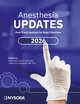 Anesthesia Updates 2026
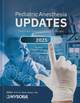 Pediatric Anesthesia Updates
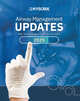 Airway Management Updates
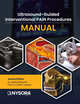 US Interventional Pain Manual
 Pain Medicine Updates
 Mastering Difficult IV Access
 PACU Nursing Manual
 RA Veterinary Manual
 Books
 About