- Learn
-
Apps
View all apps
Veterinary
 VetRA App

- Books
- Events
- News
- Partners
- About
- For Clinicians
 VetRA App

Standard Rate

Morning Session
07:30 - 16:00
Morning Session
07:30 - 14:45
Standard Rate
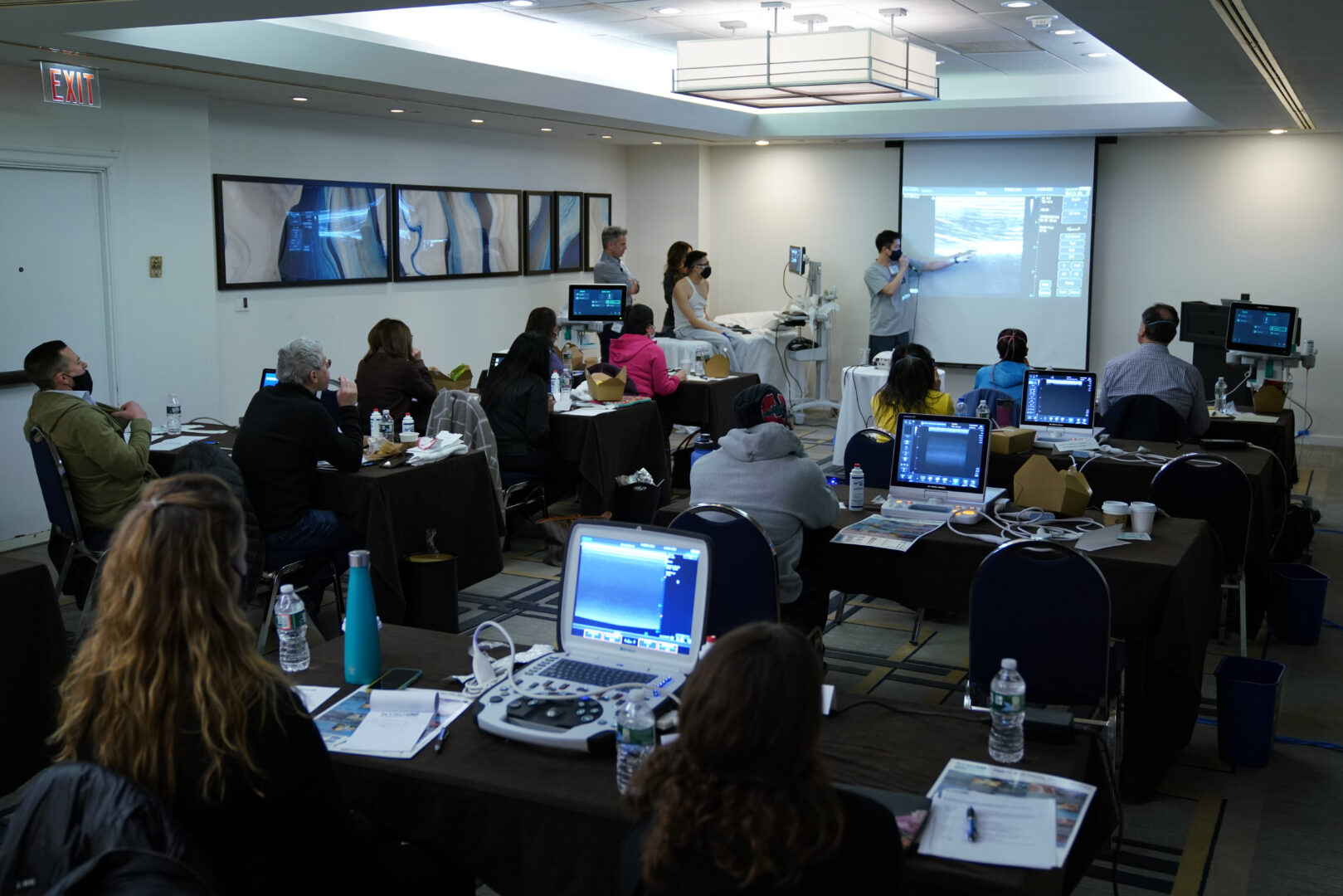
Earlybird discounted rate $2,095.00, the standard rate is within 1 month of course $2,195.00. Registration includes course materials, light breakfast, refreshments & lunch. Please NOTE that accommodation is not included in the registration price.

$2,195
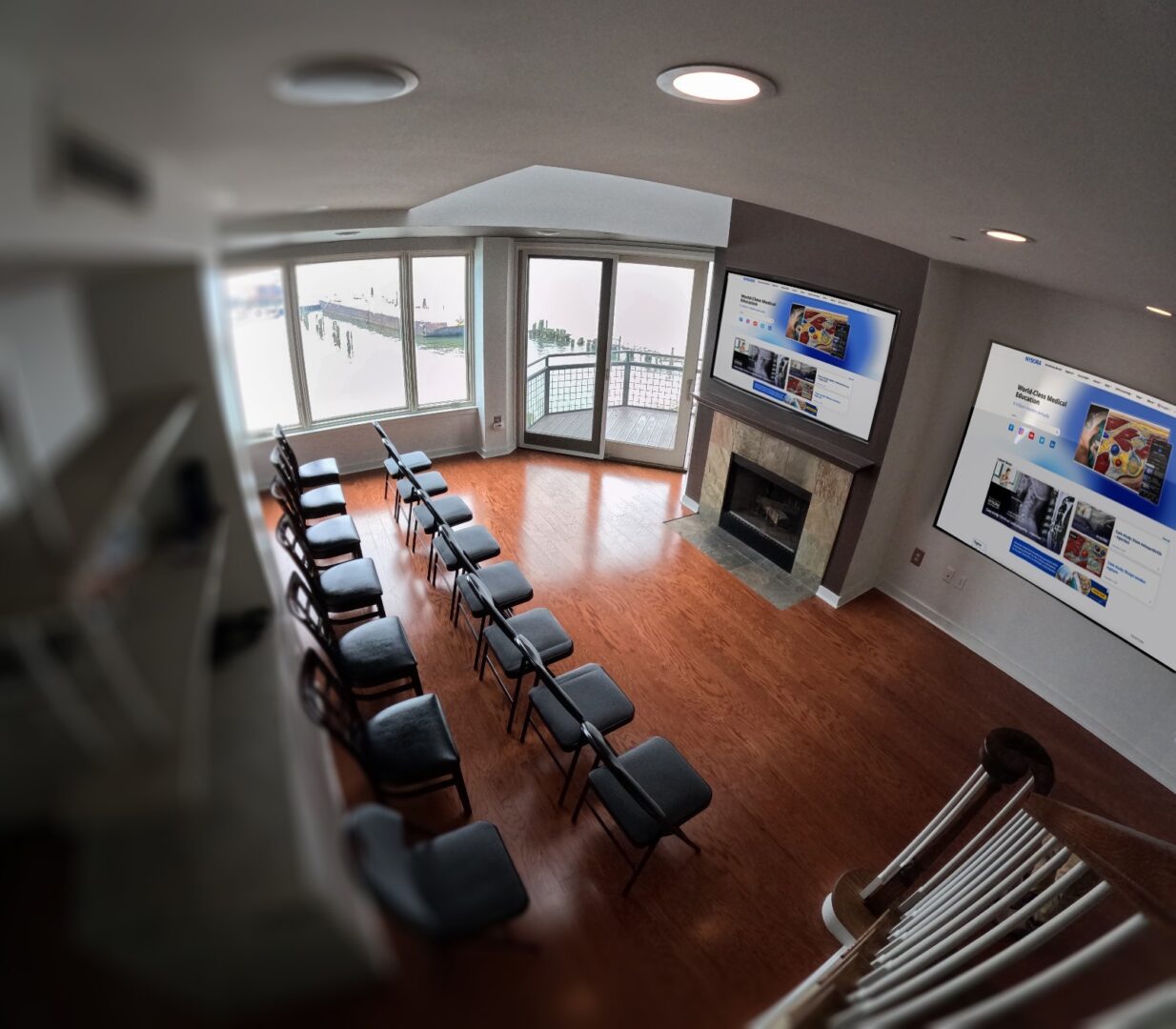
An inspired setting with stunning views across the Hudson to NYC. A truly enviable location in Weehawken NJ. Please note that this venue is accessed via stairs.
Our venues are carefully selected for location to major transport hubs, close proximity to the city and attractions, inspiring views, and first-rate equipment, for the best possible experience.
Arriving by Air: Newark Airport, 13 miles from the Academy. CLICK HERE for more info.
Arriving by car: Parking garage available within 5 minutes walk. CLICK HERE for more info.
Arriving by ferry: located immediately next to the Lincoln Harbour ferry terminal, where ferries from Midtown Manhattan take 8 minutes. Please check timetable HERE.
Bus: Buses to Lincoln Harbor from NYC in 15 minutes. CLICK HERE for more info.
Closest Hotel: The Sheraton Lincoln Harbor Hotel, is located a 3-minute walk from the Academy. CLICK HERE to make a reservation.

Expertise

Admir Hadzic
MD, PhD.
Director – NYSORA, Anesthesiologist, Professor of Anesthesiology, Department of Anesthesiology, ZOL, Genk, Belgium

Catherine Vandepitte
MD, PhD.
Anesthesiologist at Ziekenhuis Oost-Limburg (ZOL), Genk, Belgium

Christian Horazeck
MD, D.ABA
Assistant Professor of Anesthesiology, Baylor College of Medicine, Anesthesiologist Baylor Scott & White Hospital, Temple, TX, USA

In support of improving patient care, this activity has been planned and implemented by the Postgraduate Institute for Medicine and NYSORA. Postgraduate Institute for Medicine is jointly accredited by the Accreditation Council for Continuing Medical Education (ACCME), the Accreditation Council for Pharmacy Education (ACPE), and the American Nurses Credentialing Center (ANCC), to provide continuing education for the healthcare team.
Physician Continuing Medical Education
The Postgraduate Institute for Medicine designates this live activity for a maximum of 13 AMA PRA Category 1 Credit(s)™. Physicians should claim only the credit commensurate with the extent of their participation in the activity.
Continuing Nursing Education
The maximum number of ANCC Nursing credit hours awarded for this Continuing Nursing Education activity is 13 contact hours. Pharmacotherapy contact hours for Advance Practice Registered Nurses will be designated on your certificate.
Disclosure of Conflicts of Interest
Postgraduate Institute for Medicine (PIM) requires faculty, planners, and others in control of educational content to disclose all their financial relationships with ineligible companies. All identified financial relationships are thoroughly vetted and mitigated according to PIM policy. PIM is committed to providing its learners with high quality accredited continuing education activities and related materials that promote improvements or quality in healthcare and not a specific proprietary business interest of an ineligible company.
What is a CME activity? A Continuing Medical Education(CME) activity serves to maintain, develop, or increase the knowledge, skills, and professional performance and relationships that a physician uses to provide services for patients, the public, or the profession.
Why do physicians need continuing medical education (CME) credit? Physicians use CME credit to demonstrate that they have participated in educational activities and obtained CME credit to document meeting the requirements of state medical boards, medical specialty societies, specialty boards, hospital medical staffs, the Joint Commission, insurance groups, and others
How are CME credits tracked for physicians? There is no centralized tracking of AMA PRA credits. Each accredited CME provider is required to keep records of AMA PRA Category 1 Credits™ claimed by physicians who participate in their activities for six years from the date of completion of the activity. Because credits may be obtained from a variety of accredited CME providers, physicians should maintain a record of their CME credits from all sources.
What documentation does a physician receive for participating in a certified CME activity provided by an accredited CME provider? Accredited CME providers are required to make available documentation of credits claimed by physicians at their request, but there is no requirement for a specific type of documentation to be used. Many accredited CME providers will issue a credit certificate at the completion and evaluation of an activity.
Nurse Practitioners credit? The American Nurses Credentialing Center (ANCC) accept CME from organizations accredited by the ACCME.
 Nerve Blocks App
 Anesthesia Assistant App
 Ultrasound Pain App
 Pain Medicine Assistant App
 POCUS App
 IV Access App
 MSK Knee App
 Nerve Block Manual
 Regional Anesthesia Updates
 Anesthesiology Manual
 Anesthesiology Review
 Anesthesia Updates 2025
 Anesthesia Updates 2026
 Pediatric Anesthesia Updates
 Airway Management Updates
 US Interventional Pain Manual
 Pain Medicine Updates
 Mastering Difficult IV Access
 PACU Nursing Manual
 RA Veterinary Manual
 Books
Books About
About

 Download PDF Agenda