Ultrasound-Guided Regional Anesthesia Boutique Workshop - NYSORA
NYSORA Academy Leuven
Leuven, Belgium

Ultrasound-Guided Regional Anesthesia Boutique Workshop

Two days of small-group training in ultrasound anatomy, block selection, live scanning, needle planning, simulator practice, and regional anesthesia safety – an intensive ultrasound guided regional anesthesia workshop built around direct faculty access.

Train at NYSORA Academy Leuven with direct faculty guidance across upper-extremity, truncal, neuraxial, and lower-extremity techniques.

Format
Two-day, in-person boutique workshop
Venue
The Arch, NYSORA Academy Leuven
Training
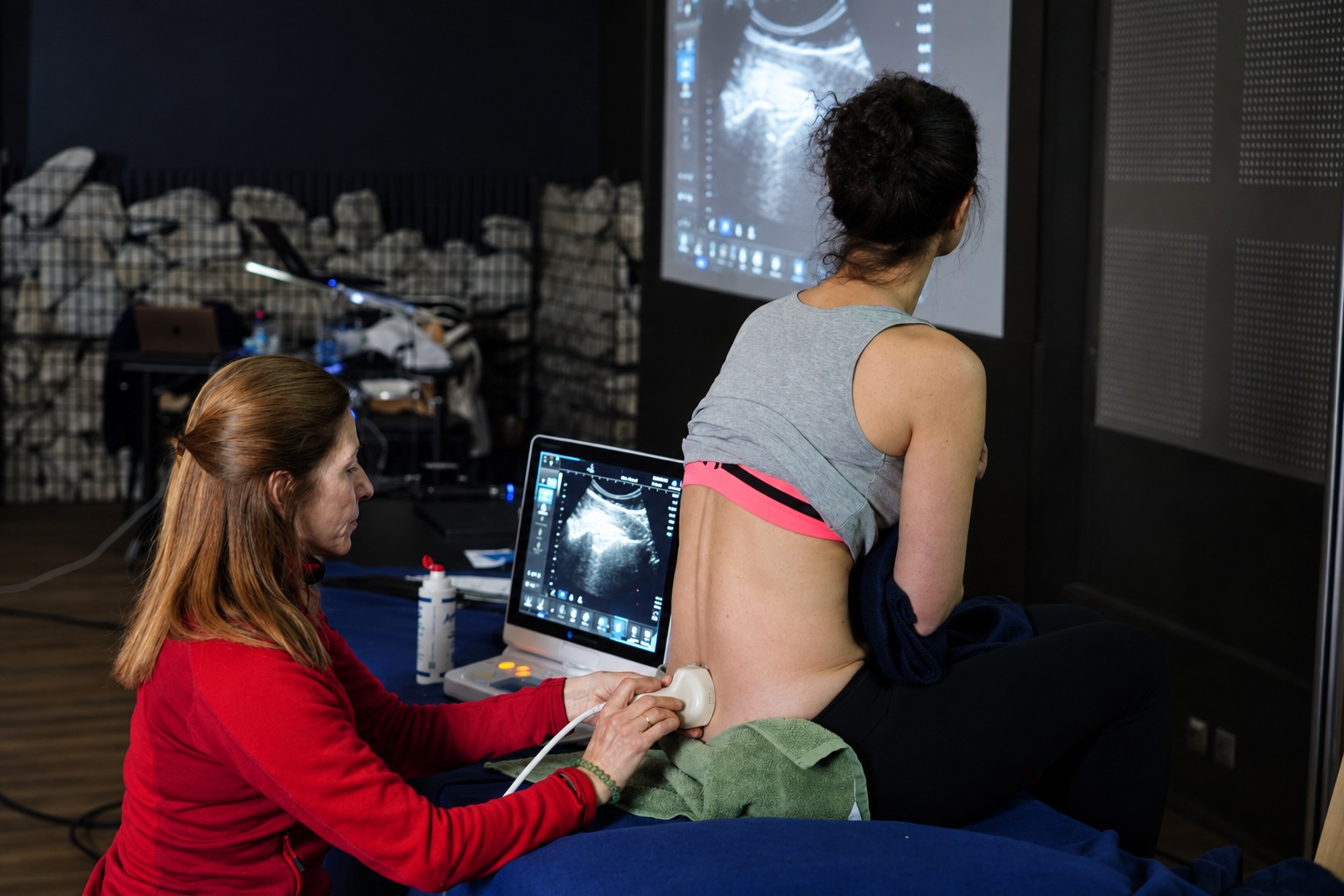
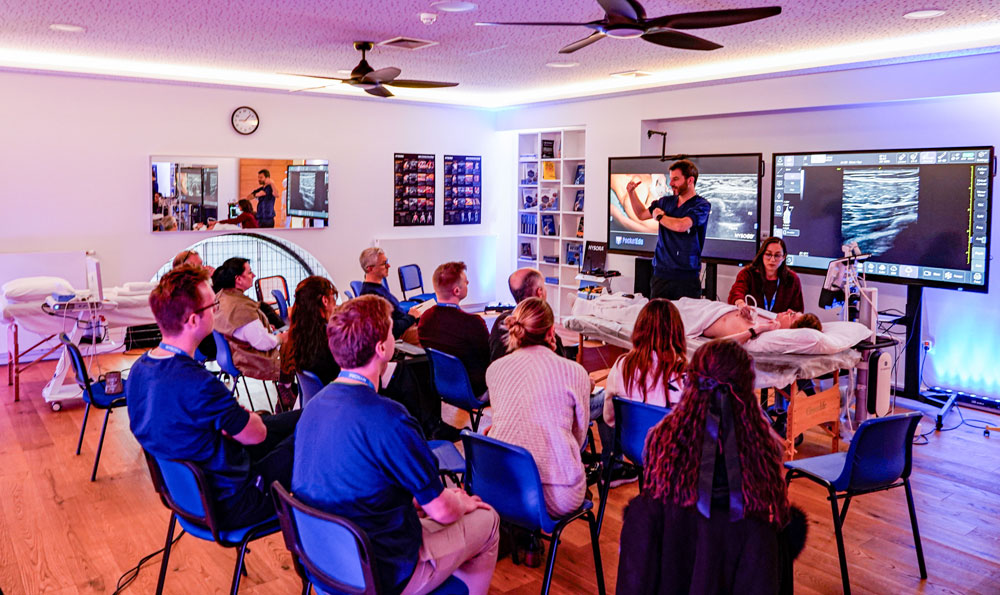
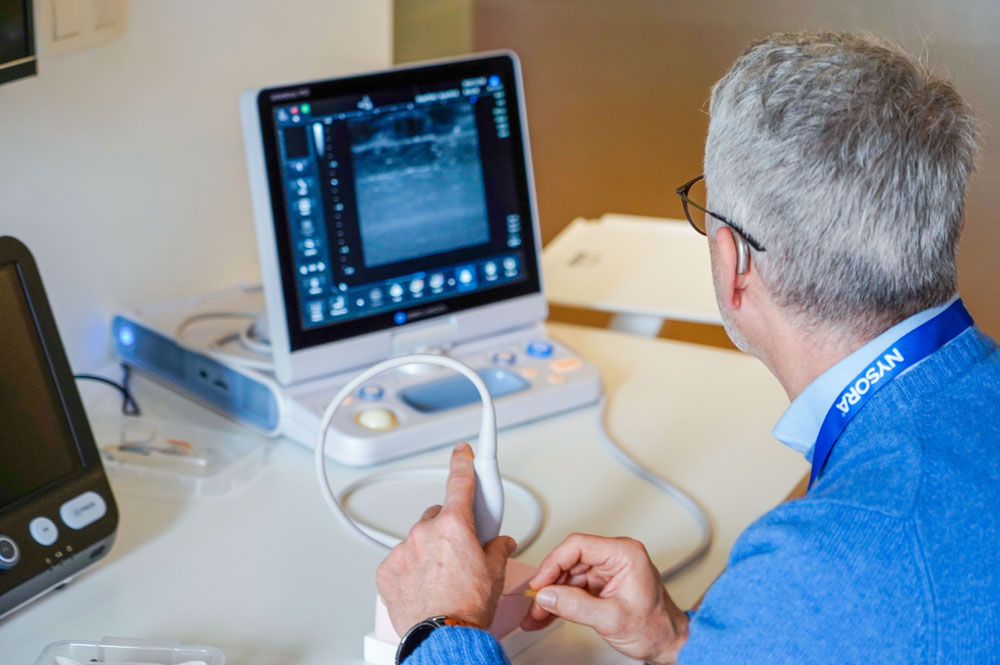
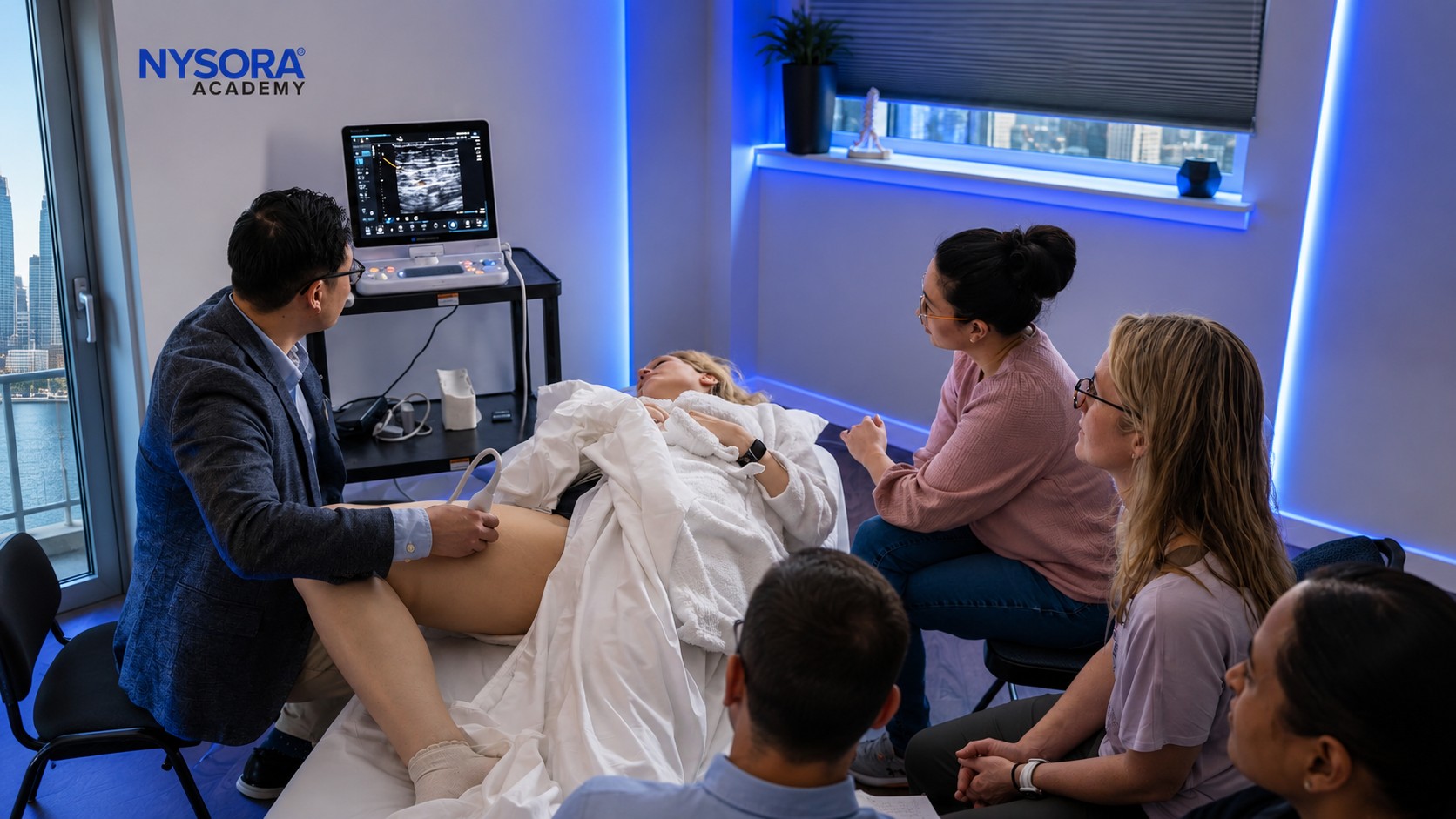
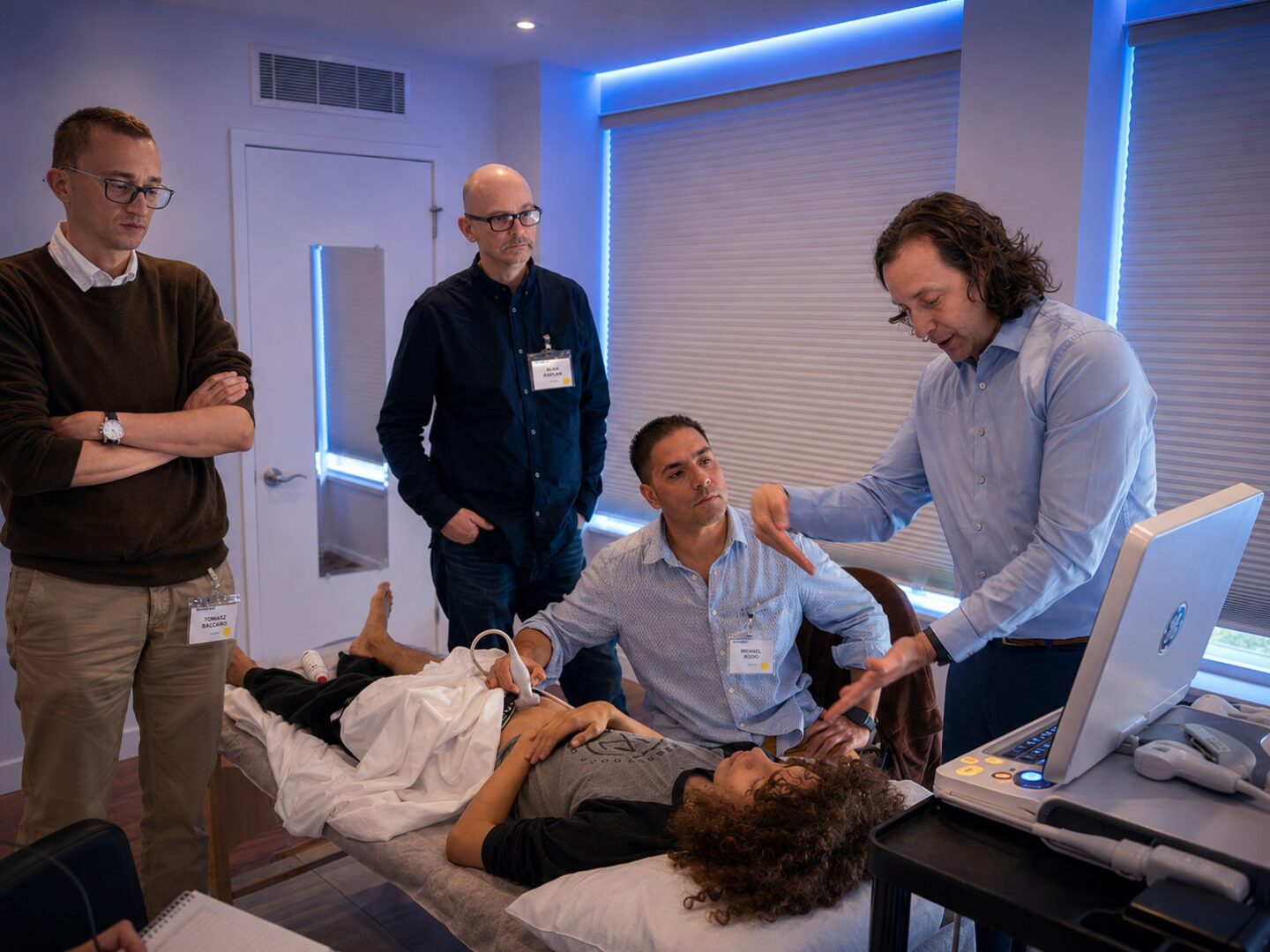
Live model scanning and simulator-based needle practice
Clinical scope
Upper extremity, truncal, neuraxial, hip, knee, foot, and ankle
Schedule
Day 1: 07:30–16:00
Day 2: 07:30–14:45
Language
English

Why Leuven Workshop

A Dedicated Environment for Regional Anesthesia Training

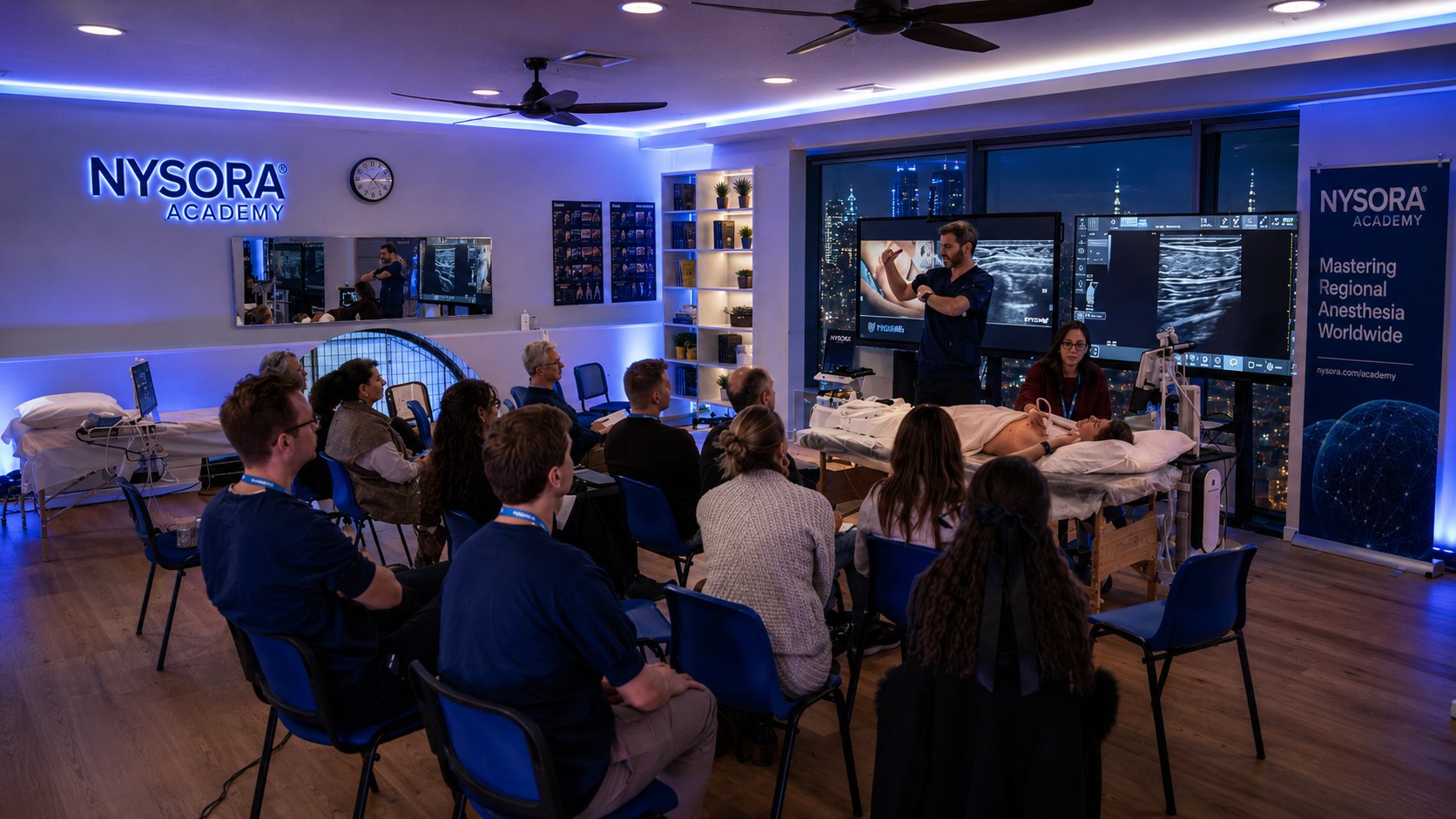
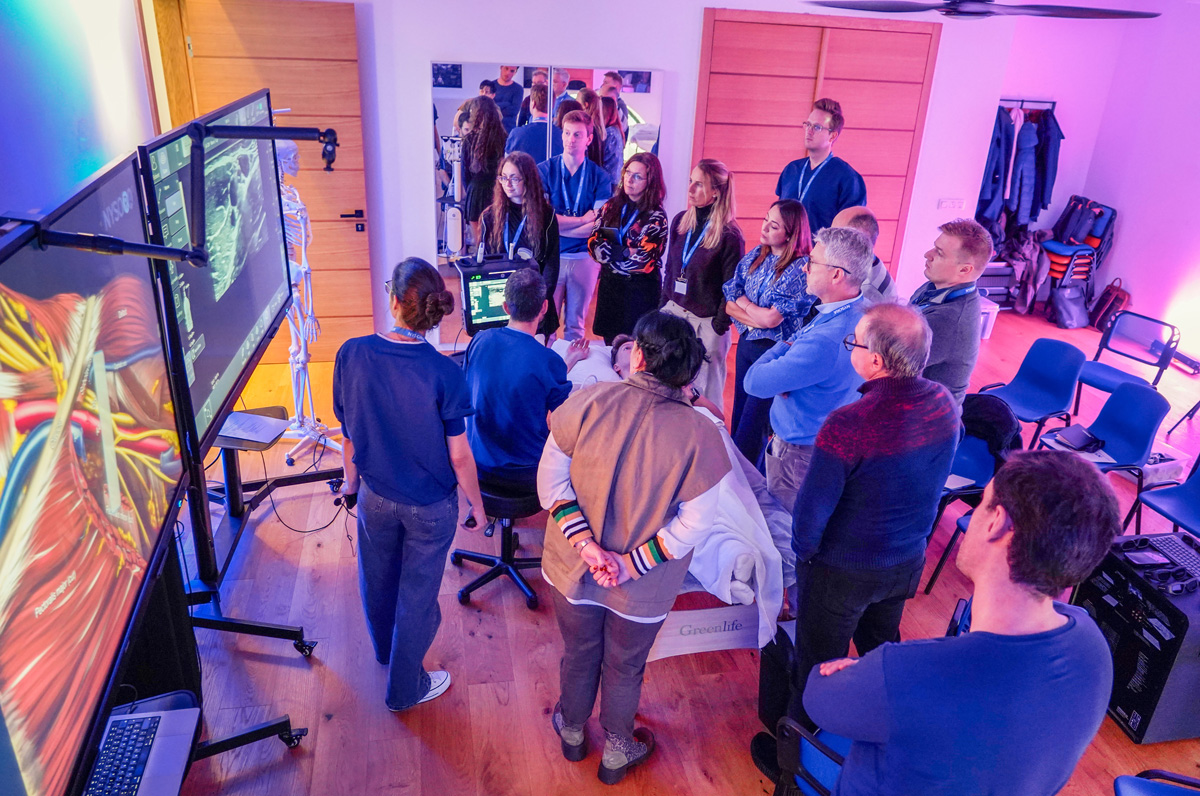
The Leuven workshop is delivered at NYSORA’s European Academy, where the space, equipment, and program are built around small-group ultrasound and procedural training.

More Time at the Ultrasound Machine

More Time at the Ultrasound Machine

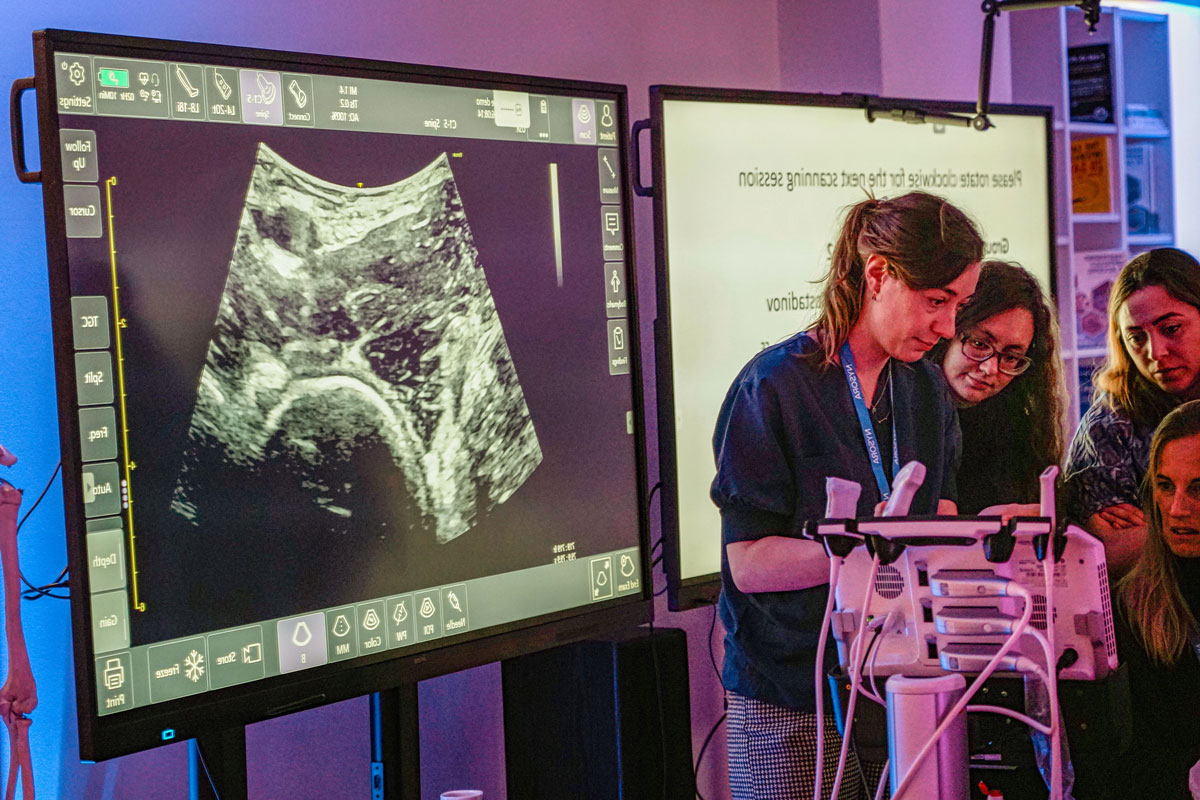
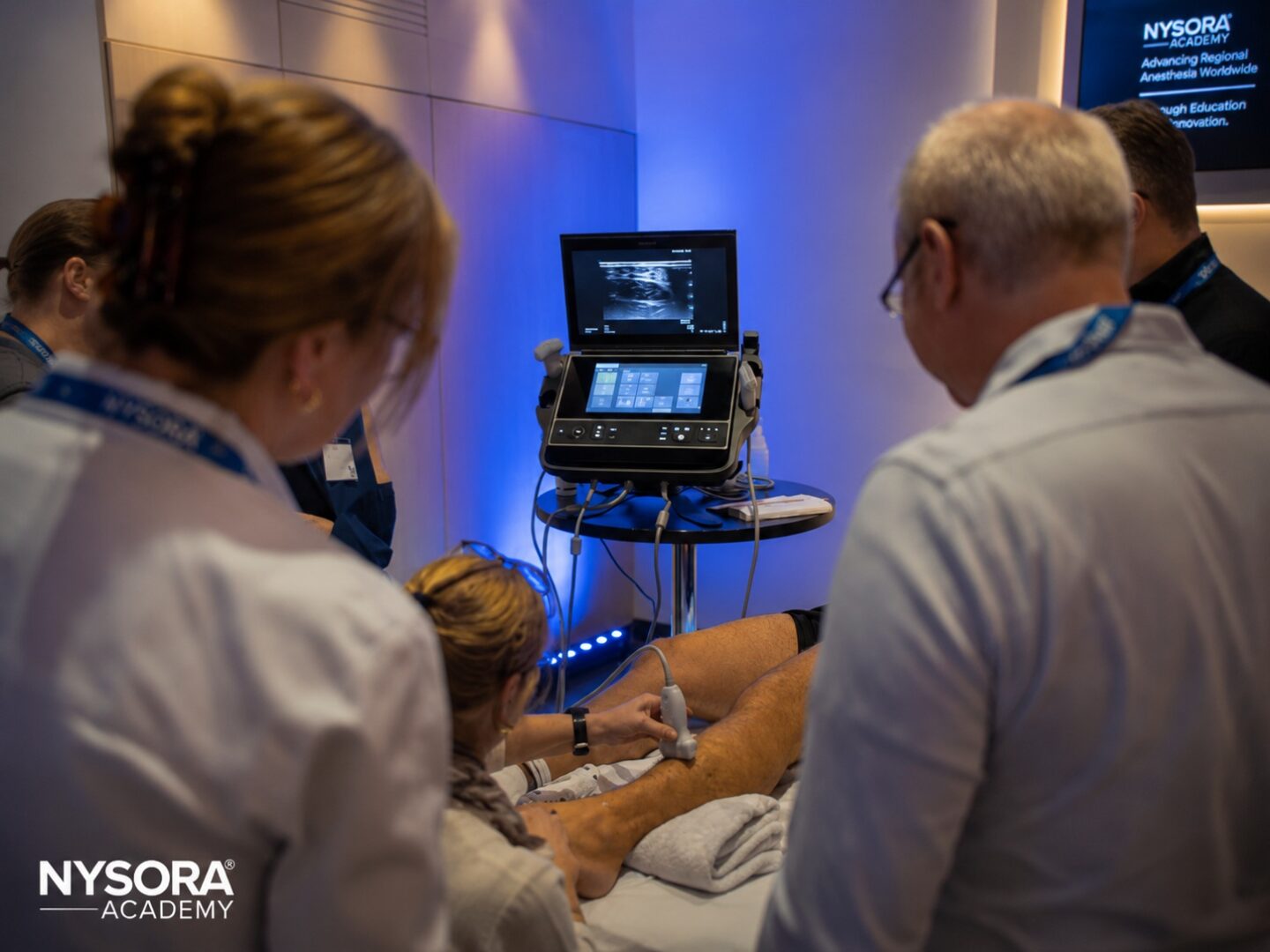
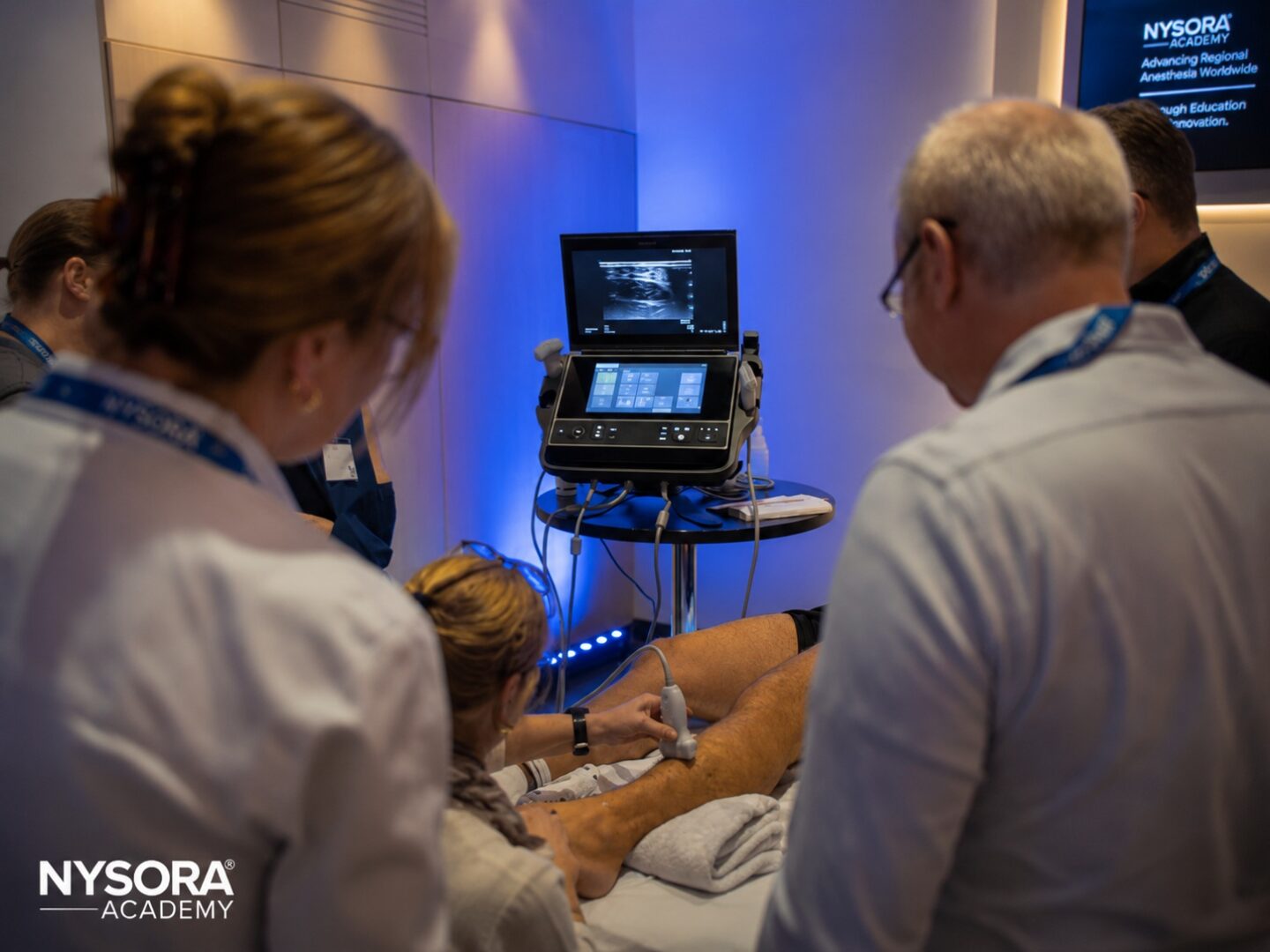
Participants rotate through live scanning and simulator stations across both days, including during scheduled practice and consolidation periods.
Instant Feedback as You Practice

Instant Feedback as You Practice

Faculty can identify problems with probe position, image optimization, anatomy recognition, needle alignment, and procedural planning while you are performing the technique.
Anatomy, Ultrasound, and Technique in One Room

Anatomy, Ultrasound, and Technique in One Room

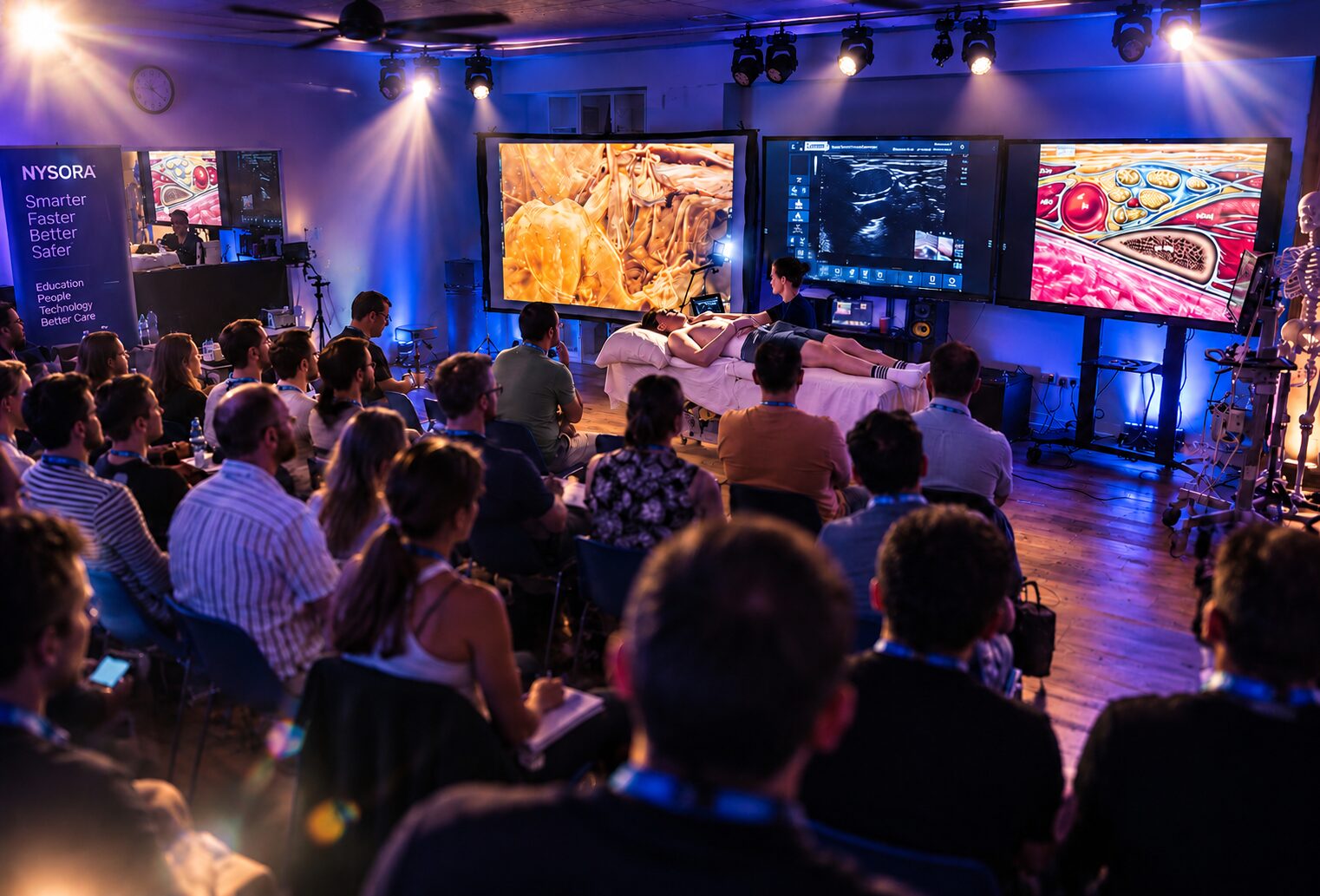
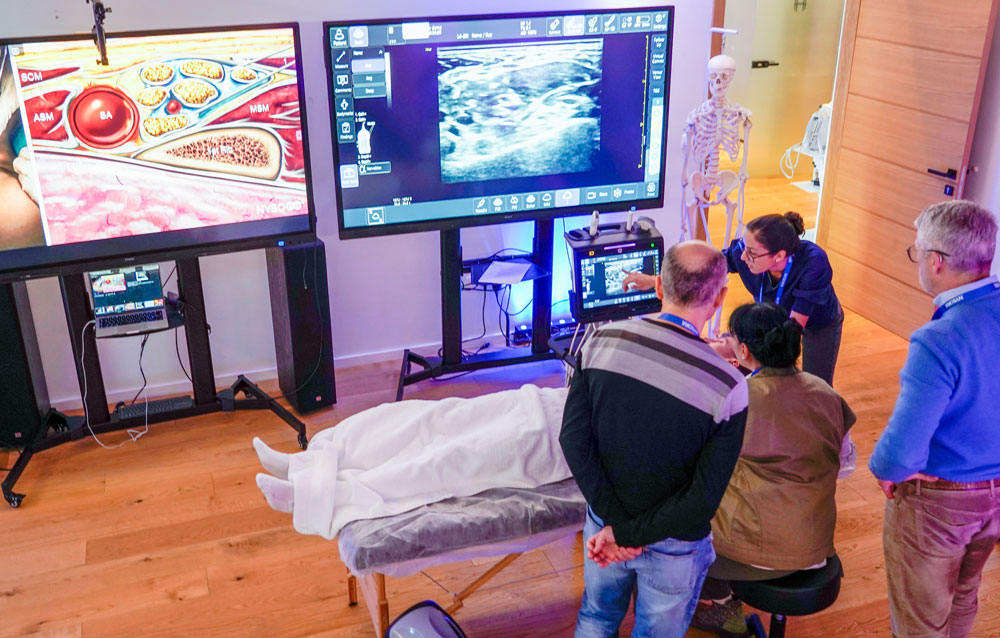
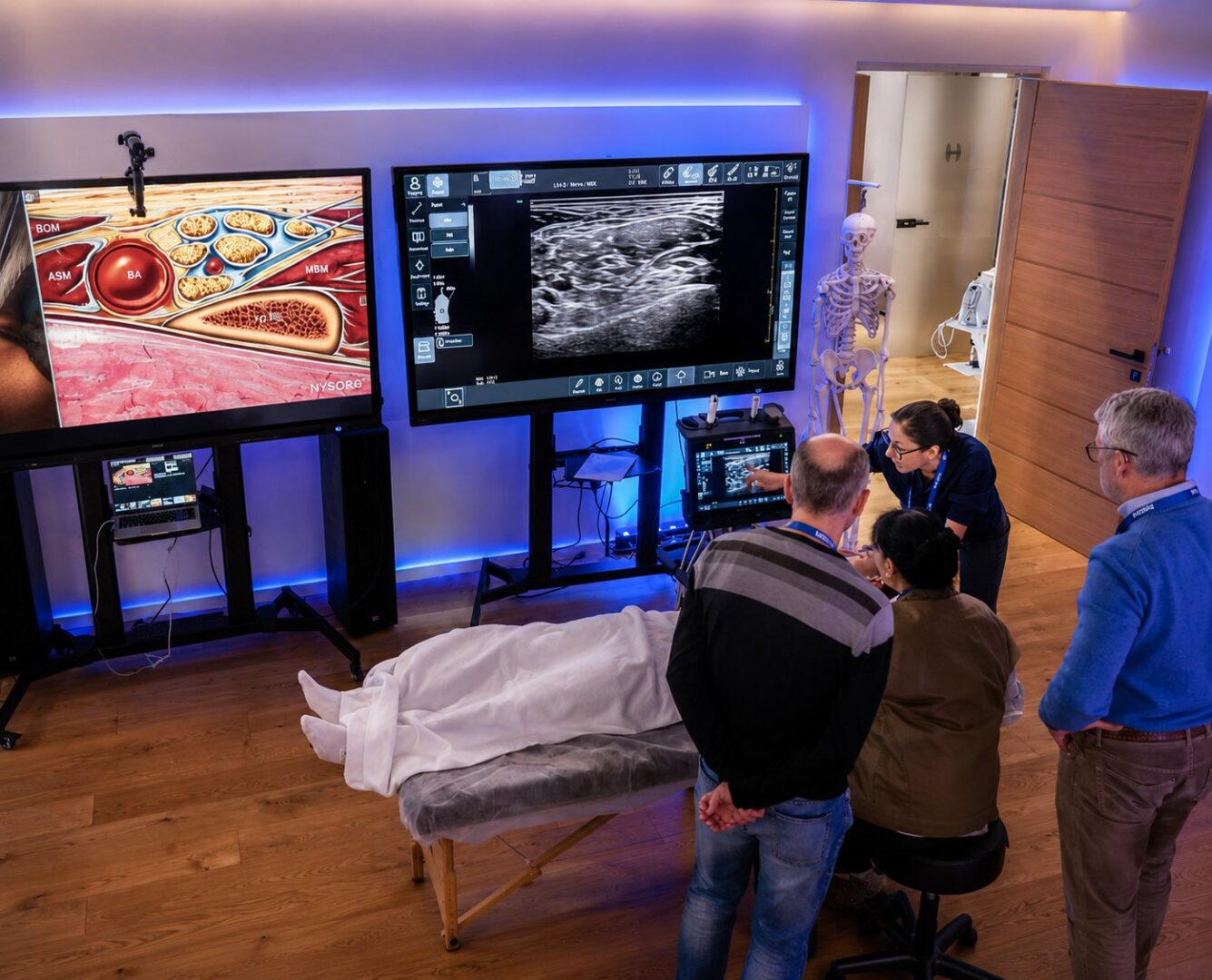
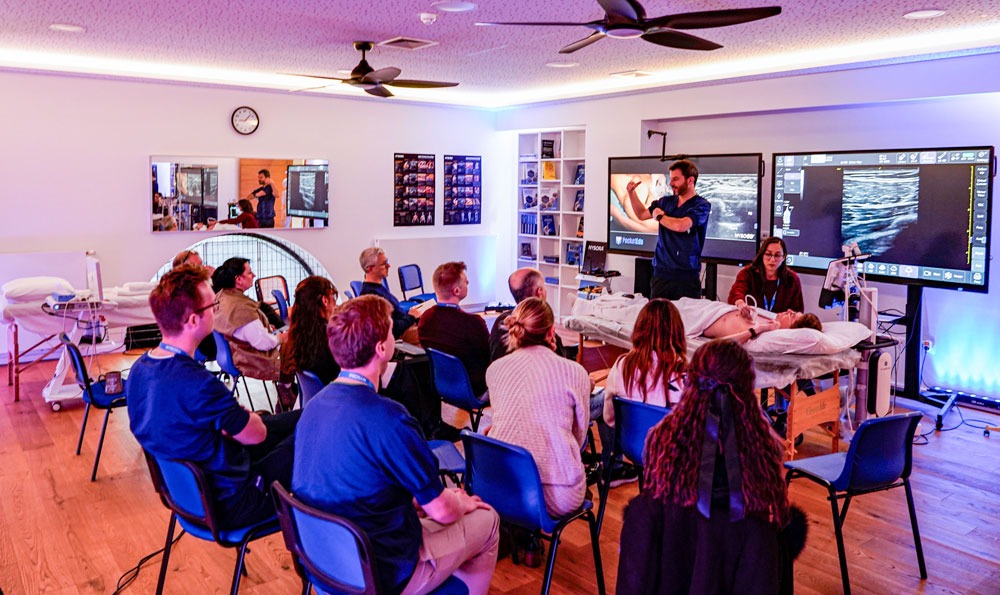
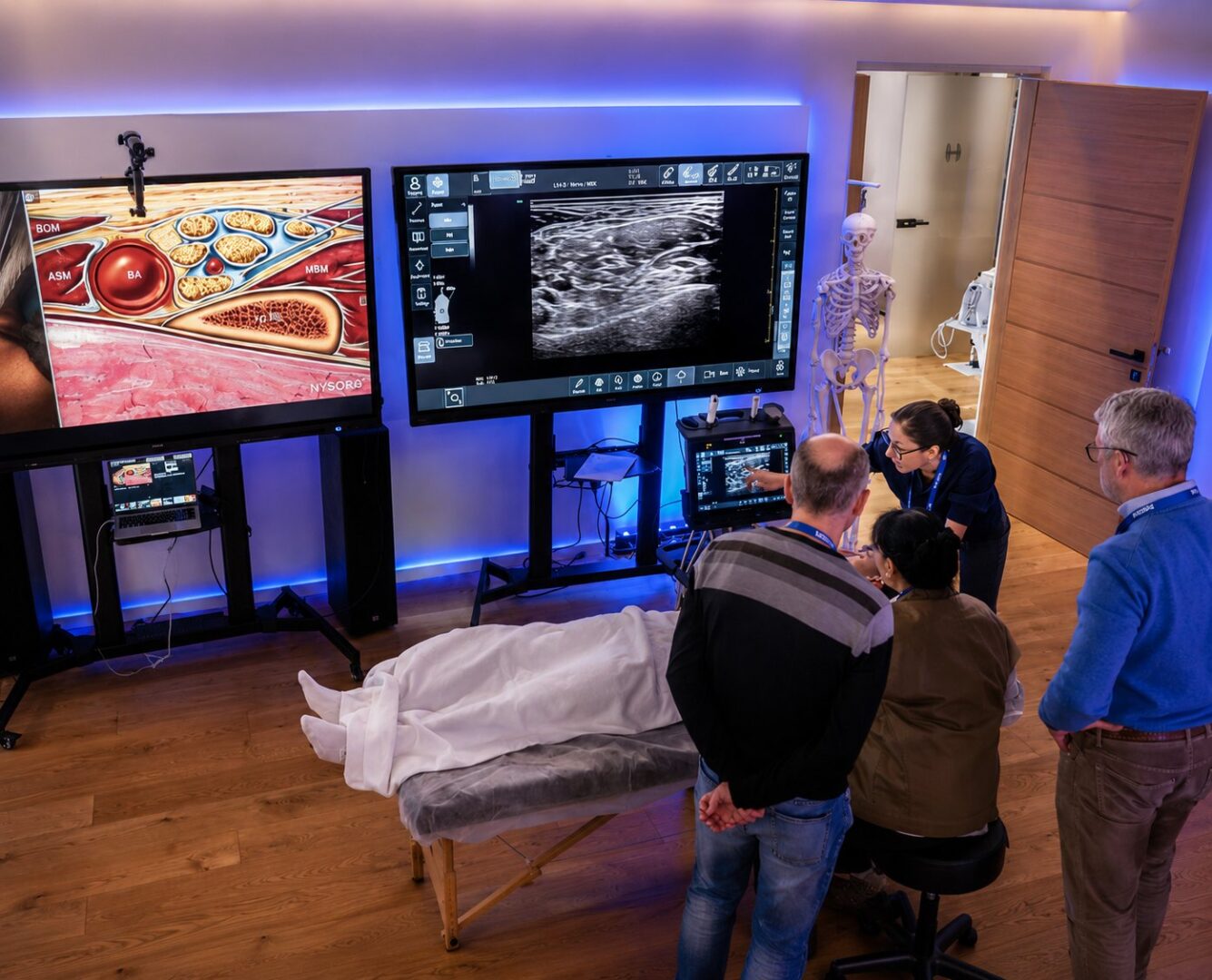
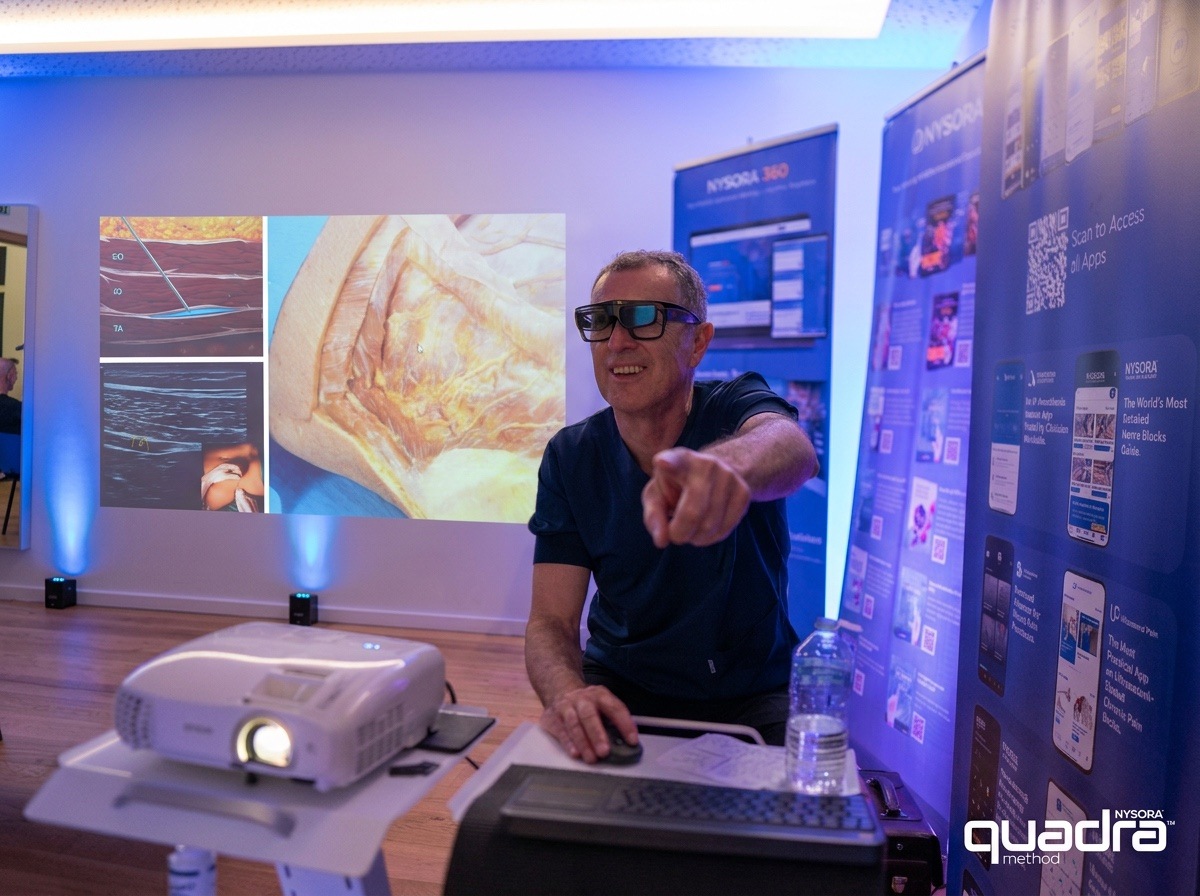
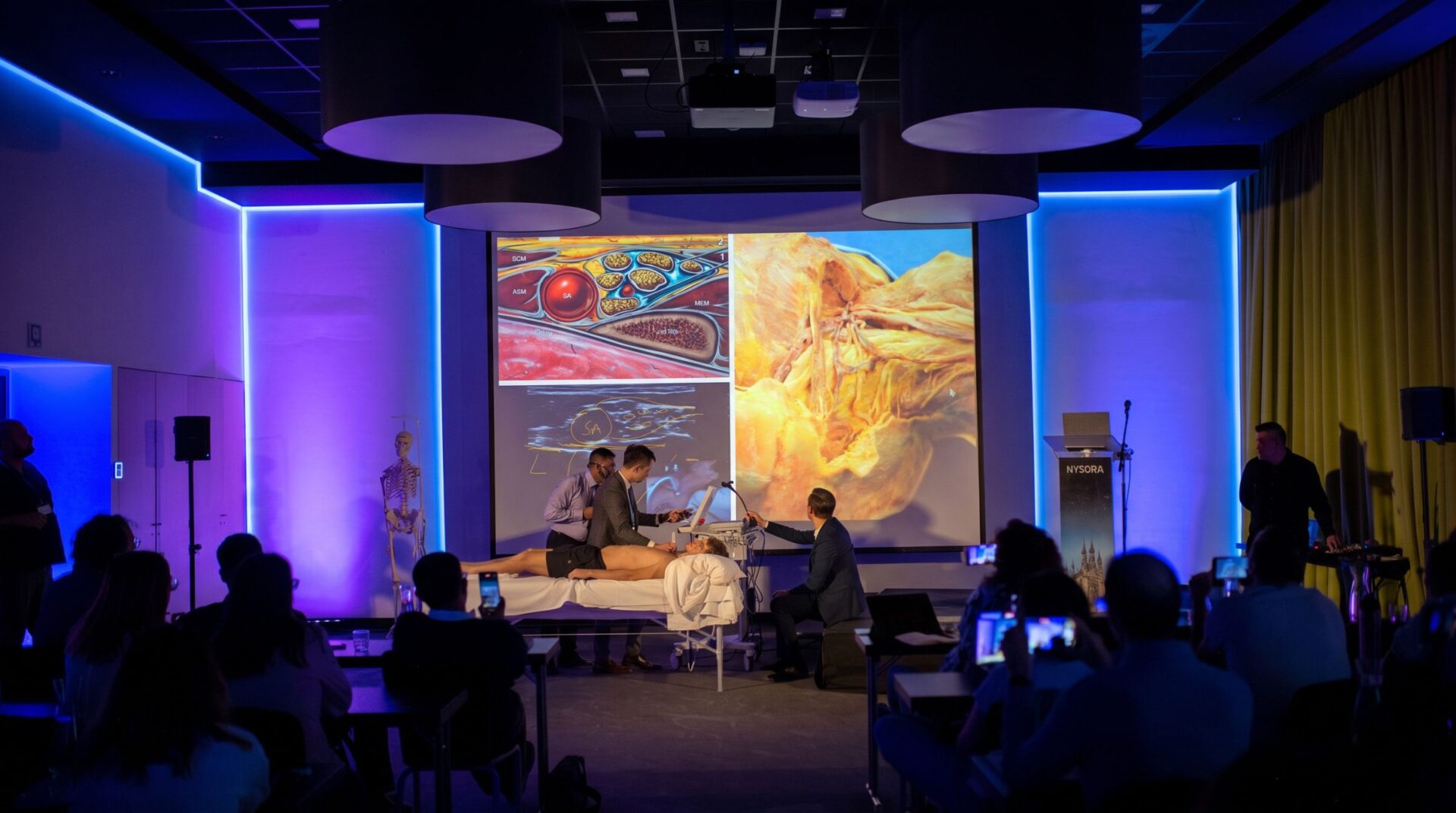
Large-format visualization, QUADRA™, live ultrasound, simulators, and anatomical teaching are used together rather than as separate parts of the course.
Workshop Overview

Workshop Overview

What Is Included in Your Registration

Registration includes access to the complete two-day program.

  • Small-group faculty instruction
  • Live model ultrasound scanning
  • Simulator-based needle practice
  • Upper-extremity, truncal, neuraxial, and lower-extremity modules
  • QUADRA™ anatomy and ultrasound teaching
  • Clinical case discussion and Q&A
  • Course materials and session resources
  • Certificate of attendance
  • Event-specific CME credits
  • Three months of complimentary access to the NYSORA Nerve Blocks App
Register Now

QUADRA™ at NYSORA Academy Leuven

QUADRA™ helps participants connect anatomy, ultrasound imaging, probe movement, and procedural planning before applying the same concepts during live scanning and simulator practice.

Selected sessions connect:

  • 3D anatomy
  • Real-time ultrasound
  • Probe positioning and scanning technique
  • Needle trajectory
  • NYSORA RUA™ animations demonstrating expected local-anesthetic spread

Featured QUADRA™ content:

  • Brachial plexus and upper-extremity blocks
  • Truncal fascial-plane blocks
  • Neuraxial ultrasound landmarks
  • Hip and knee regional anesthesia pathways
  • Lower-extremity scanning and block selection
QUADRA™ at NYSORA Academy Leuven

Morning Session

07:30 - 12:15

Registration & Light Breakfast
Introduction: How to Make the Most of This Course
What We Will Teach
Practice on Simulators During Breaks
How to Transpose Techniques into Your Daily Practice: High Yield/Periop Management
MODULE 1: Shoulder & Proximal Humerus
Interscalene Block: When and How
Patient Selection Pearls (OSA, COPD, Outpatient Shoulder Surgery)
Diaphragm-Sparing Strategies To Reduce Phrenic Nerve Involvement: Selective Shoulder Strategies, Superior Trunk Block: Current Trends in Shoulder Analgesia, Suprascapular and Axillary Nerve Blocks
Coffee Break & Simulation Training
MODULE 2: Clavicle & Upper Arm
Understanding “Clavicle Coverage” Concepts
Cervical Plexus Block and PEC I (Interpectoral) Block for Clavicle Analgesia
Clavipectoral Fascial Plane Block
Supraclavicular Block
Infraclavicular Block
Decision-Making: Supraclavicular Vs Infraclavicular—When and Why
MODULE 3: Upper Extremity (Elbow, Forearm & Hand)
Axillary Brachial Plexus Block: A High-Yield Workhorse
Three Essential Distal Forearm Blocks (Median, Ulnar, Radial) - When: Clinical Indications, Where: Optimal Forearm Block Levels

Afternoon Session

12:15 - 16:00

Lunch Break & Simulation Training
MODULE 4: Truncal Fascial Plane Blocks
Core Set Every Clinician Should Know
PECS Blocks (Interpectoral and Pecto-Serratus)
Serratus Anterior Plane (SAP) Block
TAP Block: Lateral Vs Subcostal vs Posterior Approaches
Quadratus Lumborum (QL) Block – Type I
LECTURE
Preventing Complications of Nerve Blocks
Adjuvants: Controversies and Practical Tips
Infectious Precautions: Sterility and Probe Covers
Q&A Panel Discussion
Coffee Break & Simulation Training
Scanning Practice: Consolidation and Repetition
Recap: What We Have Learned and Take-Home Messages
What We Will Learn Tomorrow (Program For The Next Day)

Morning Session

07:30 - 12:00

Registration & Light Breakfast (Simulation Training)
Review of Day 1: What We Learned – TIPS & Q&A
MODULE 5: NYSORA QUADRA A 360° Immersive Learning Experience
3D Anatomy
Live Ultrasound Demonstration
Probe Position & Scanning Technique
NYSORA RUA Animations & Local Anesthetic Spread
Coffee Break & Simulation Training
LECTURE
Perioperative Management of Nerve Blocks for Success: Premeds/Intraop/Multimodal
When Not To Perform Nerve Blocks
Prevention and Management of Local Anesthetic Systemic Toxicity (LAST)
MODULE 6: Lower Extremity — Hip & Knee Pathways
Femoral Nerve Block
Fascia Iliaca Block: Infrainguinal vs Suprainguinal
PENG Block: When, Why, And How
When And Why: Femoral vs Fascia Iliaca vs PENG Blocks For Hip

Afternoon Session

12:00 - 14:45

Lunch Break & Simulation Training
Lower Extremity: Knee, Foot & Ankle
Femoral Triangle vs Adductor Canal Block: The Truth Is In The Middle
IPACK and Genicular Nerve Concepts for Knee Analgesia
Ankle Block: Tibial, Deep And Superficial Peroneal, Saphenous, Sural Nerves
MODULE 7: Lumbar Paraspinal & Posterior Wall Blocks
Neuraxial Ultrasound Scanning: Landmarks And Why It Matters
Four Critical Ultrasound Findings: Midline Identification, Spinal Level Determination, Estimated Depth To Epidural/Intrathecal Space, Best Interspace For Access
Final Review & Q&A
What We Have Learned
Key Take-Home Messages
Must-Have Equipment, Documentation, and Sterility Principles
How to Safely Implement and Continue Developing These Techniques in Your Practice

€1,800

Early Bird Rate

Register

Register Now for this Workshop

In-Person

For in-person attendance

Register

€1,800

Early Bird Rate

Venue

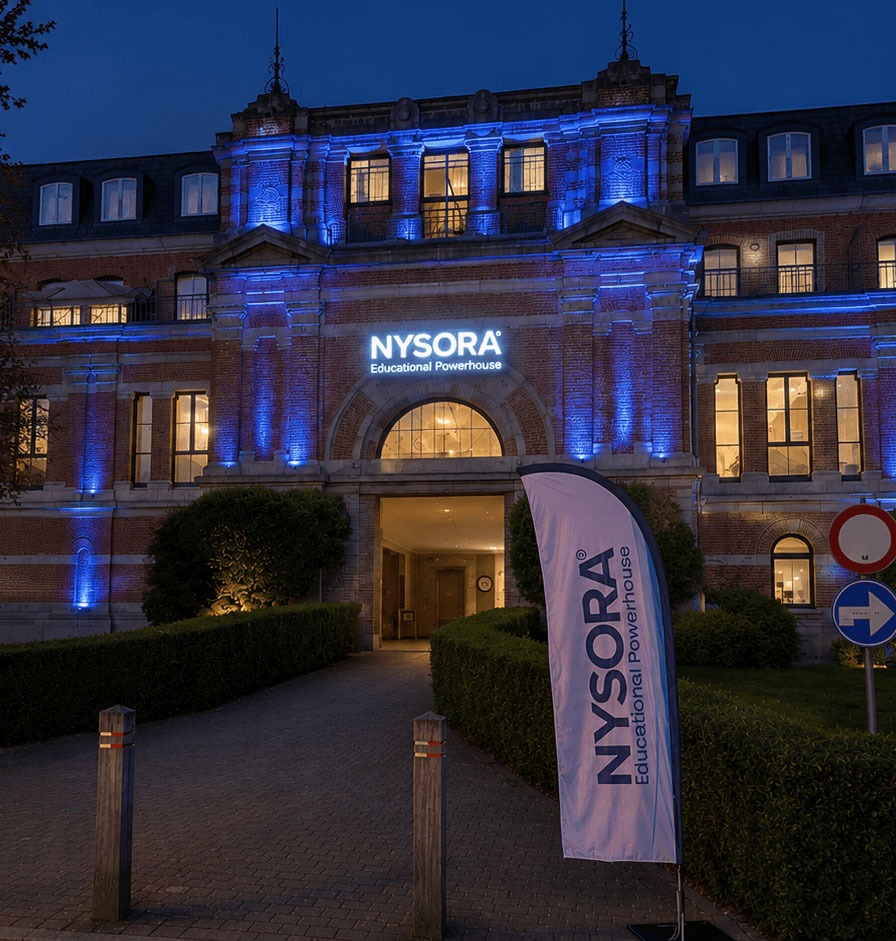
The Arch - NYSORA Academy

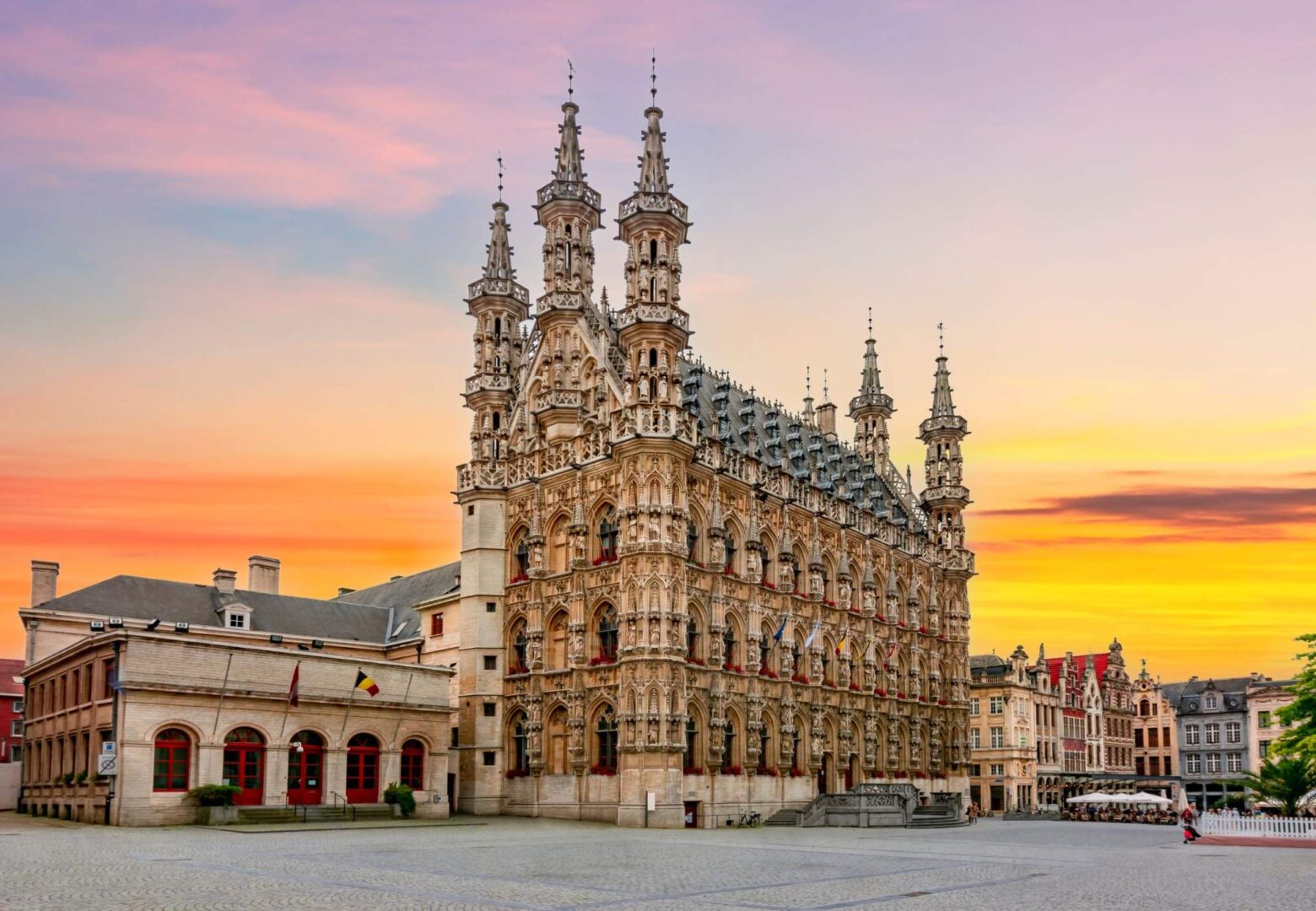
The Arch – NYSORA Academy is located in a historic building in Leuven, close to the Arenberg Campus of KU Leuven University. Our venue address is Slachthuislaan 1, Bus 102, 3000 Leuven. Our venues are carefully selected for their prime location near major transport hubs, proximity to the city and attractions, inspiring views, and top-notch equipment, ensuring the best experience for all attendees.Arriving by Air:
  • Brussels Airport (BRU) is approximately 20 minutes from the venue.
Public Transport:
  • The venue is easily accessible by bus and public transport, with a bus stop nearby.
  • Buses from Leuven Train Station take about 15 minutes.
Closest Hotel:
  • The Shepherd and the Ibis Leuven Centrum are the nearest hotels, both within walking distance of the venue. Check below to make a reservation.
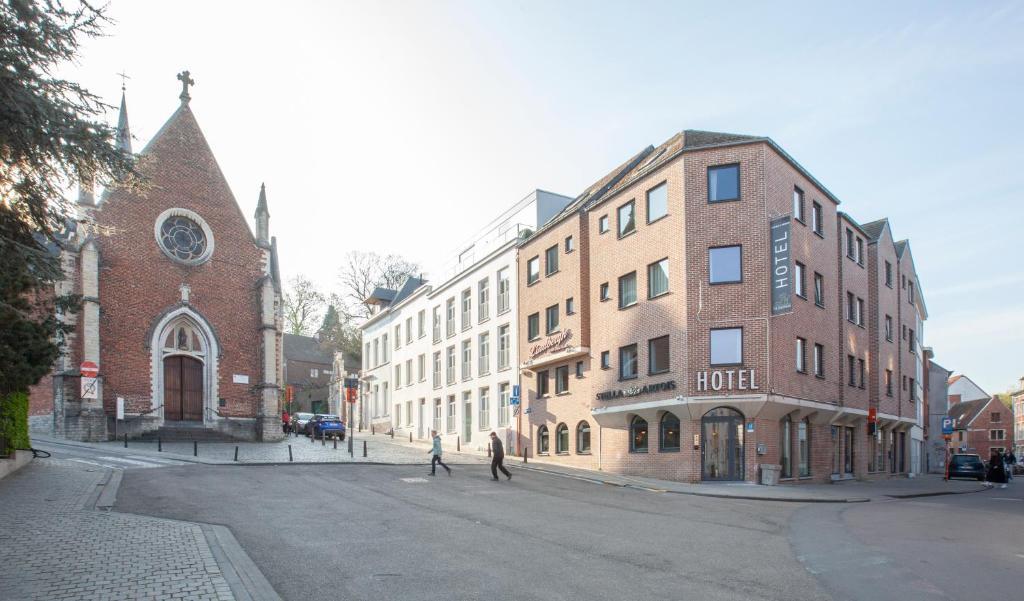
The Arch - NYSORA Academy

Closest Hotels

The Shepherd and the Ibis Leuven Centrum are the nearest hotels, both within walking distance of the venue. Check below to make a reservation.

The Shepherd
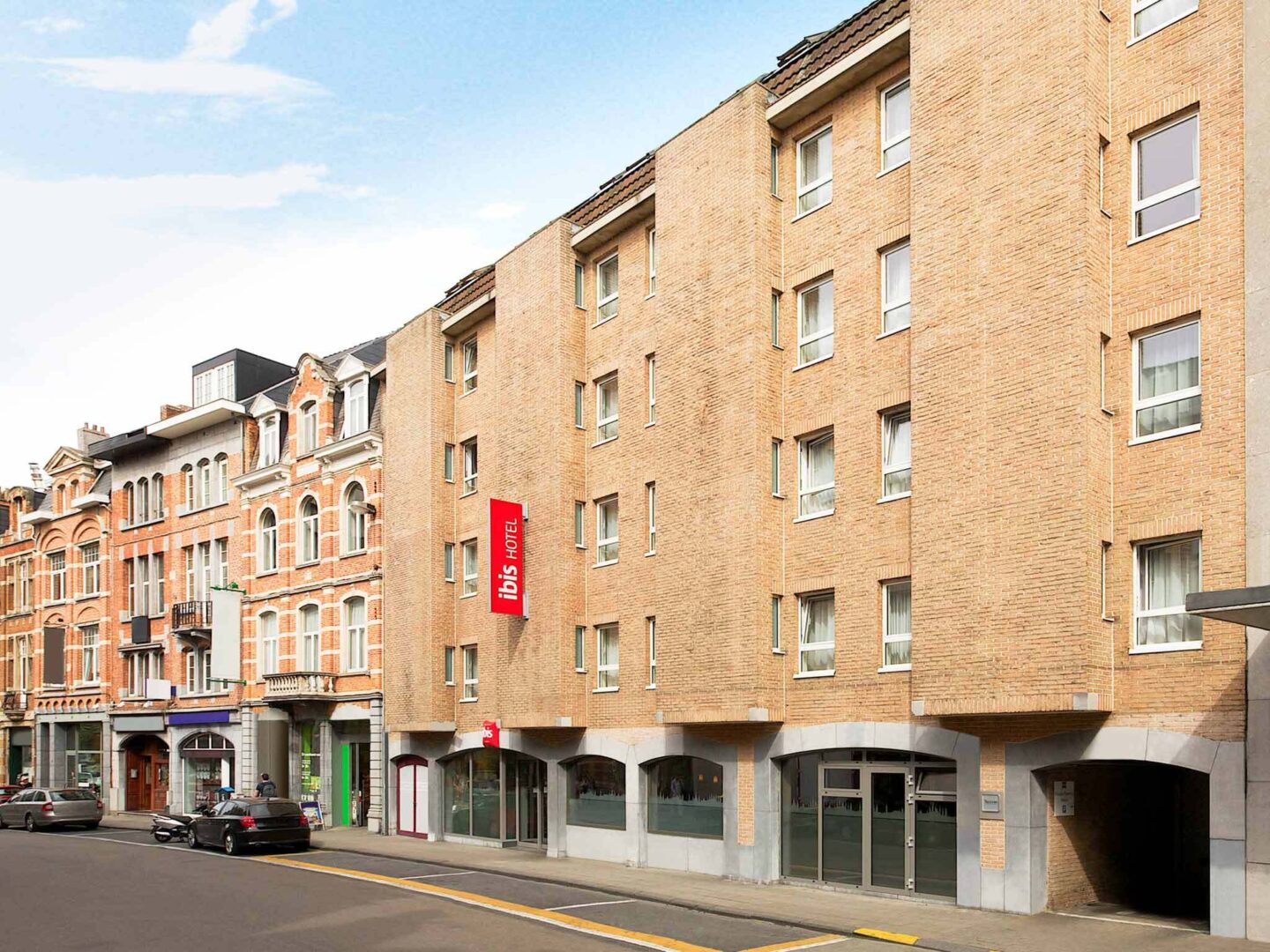
The Ibis Leuven Centrum

Inside the NYSORA Academy
The NYSORA Workshop Experience

Testimonials

"An outstanding workshop with practical demonstrations, personalised instruction, and techniques I immediately incorporated into my practice."

Benedicte Van Dessel

"Even after attending previous NYSORA courses, I still learned new approaches that improved both my confidence and efficiency."

Gerlinde Adriaenssens

"The practical sessions were exceptionally valuable. Learning directly from experts in small groups allowed me to refine techniques I use every day."

Haytham Fathallah

"Modern, evidence-based teaching combined with practical experience makes these workshops unique."

Surjya Upadhyay

See More Information

An application has been made to the UEMS EACCME® for CME accreditation of this event.

What is a CME activity? A Continuing Medical Education(CME) activity serves to maintain, develop, or increase the knowledge, skills, and professional performance and relationships that a physician uses to provide services for patients, the public, or the profession.

Why do physicians need continuing medical education (CME) credit? Physicians use CME credit to demonstrate that they have participated in educational activities and obtained CME credit to document meeting the requirements of state medical boards, medical specialty societies, specialty boards, hospital medical staffs, the Joint Commission, insurance groups, and others.

Who accredits the Course? Accreditation by the EACCME means that the CME/CPD activity provided is of high scientific value, is free of commercial bias and promotes active adult learning. This is of paramount importance to doctors who need to report to their National Accreditation Authority on their CME/CPD activity over a certain period of time, and this even more now that many national systems are (becoming) mandatory and not voluntary. By attending an EACCME accredited event, they will be able to obtain European CME credits (ECMEC) which are recognised not only in a majority of European countries (with which the EACCME has signed agreements), but also in the USA and Canada. By handing in their EACCME certificate to their National Accreditation Authority, their credits will automatically be recognised and converted into national credits.

What documentation does a physician receive for participating in a certified CME activity provided by an accredited CME provider? A CME certificate will be issued and can be used to prove attendance.

  • Interpret various sonographic artifacts and outline a plan for troubleshooting these using various transducer maneuvers and ultrasound machine setting adjustments;
  • Demonstrate the correct sonographic technique for identification of the brachial plexus and individual nerves of the lower extremity, and associated vascular and musculoskeletal structures;
  • Demonstrate the correct sonographic technique for performance of truncal blocks including transversus abdominis plane block, rectus sheath block, and paravertebral and neuraxial block;
  • Develop a framework for the establishment of a regional anesthesia service using strategies to increase surgical, anesthetic and hospital buy-in;
  • Discuss the rational choice of local anesthetics and adjuvants for various peripheral nerve blocks.

Frequently Asked Questions

NYSORA Workshops are small-group, hands-on training programs focused on ultrasound-guided techniques in regional anesthesia, pain procedures, and POCUS. Workshops are structured training courses that combine brief teaching with extensive hands-on practice using ultrasound machines, live models, and simulators.

NYSORA workshops are designed to be highly practical. While short lectures and demonstrations provide a clinical framework, most of the program is dedicated to hands-on scanning, supervised practice, and real-time feedback from faculty.

Depending on the course, workshops may cover:

  • Ultrasound-guided regional anesthesia and nerve blocks
  • Ultrasound-guided pain interventions (acute and chronic pain)
  • POCUS scanning and clinical interpretation
  • Needle visualization, sonoanatomy, and standardized step-by-step approaches

Each workshop page lists the exact procedures and learning objectives.

Workshops are led by experienced clinicians and educators with deep expertise in regional anesthesia, pain medicine, and ultrasound-guided techniques. Faculty composition varies by course and is listed on each workshop page.

No formal prerequisites are required for most workshops. Courses are designed to support a range of skill levels—from trainees building fundamentals to experienced clinicians refining ultrasound-guided techniques.

Any course-specific requirements are listed on the event page.

Inclusions vary by event, but typically include:

  • Access to the full educational program
  • Use of ultrasound equipment, models, and training materials (for workshops)
  • Course resources and supporting materials
  • Lunch and breaks (when specified)
  • Access to digital learning tools such as the NYSORA Nerve Blocks App and Anesthesia Assistant App

Exact inclusions are listed on the individual event page. Travel and accommodation are generally not included. Where available, event pages provide guidance on nearby hotels and transportation for convenience.

In most cases, you do not need to bring any special equipment—ultrasound machines and training materials are provided. It’s recommended to bring:

  • Comfortable attire
  • A notebook
  • An optional tablet or laptop for accessing digital resources

Cancellations must be submitted in writing to [email protected]. The general policy is:

  • More than 30 days before the event: 50% refund
  • Within 30 days of the event: No refund

Rescheduling may be possible depending on availability but is not guaranteed. Always review the specific event page for the most accurate policy.