Anesthesia Review Conference - NYSORA
NYSORA Anesthesia Review Conference

Anesthesia Review Conference

Review current evidence and clinical developments in regional anesthesia, perioperative medicine, anesthetic pharmacology, artificial intelligence, and procedural decision-making.

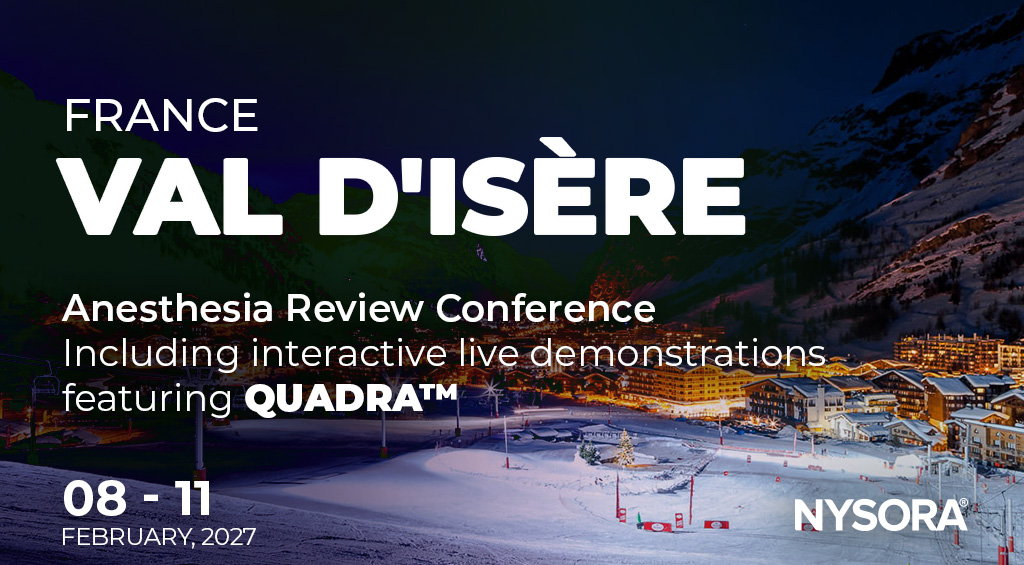
February 8-11, 2027
Val D’Isere, France
Dates
February 8–11, 2027
Location
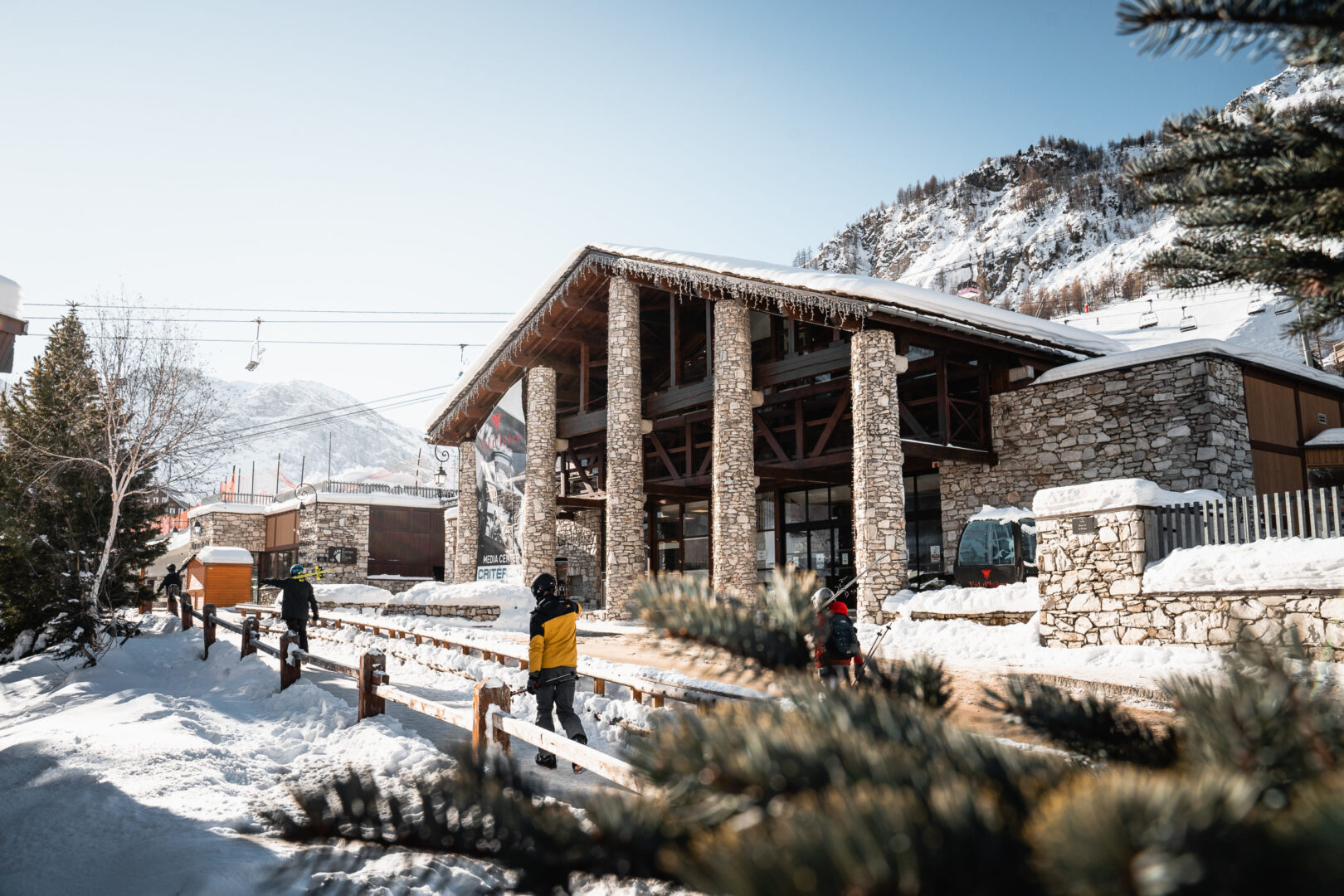
Centre de Congrès, Val d’Isère, France
Format
Four-day in-person anesthesia review course
Sessions
Morning and late-afternoon teaching
Language
English
CME
Certificate and CME documentation provided
Why NYSORA

Why This Conference Is
Different

The program connects current anesthesia evidence with procedural decisions, ultrasound interpretation, perioperative management, and live clinical demonstration.

Latest Evidence & Clinical Updates

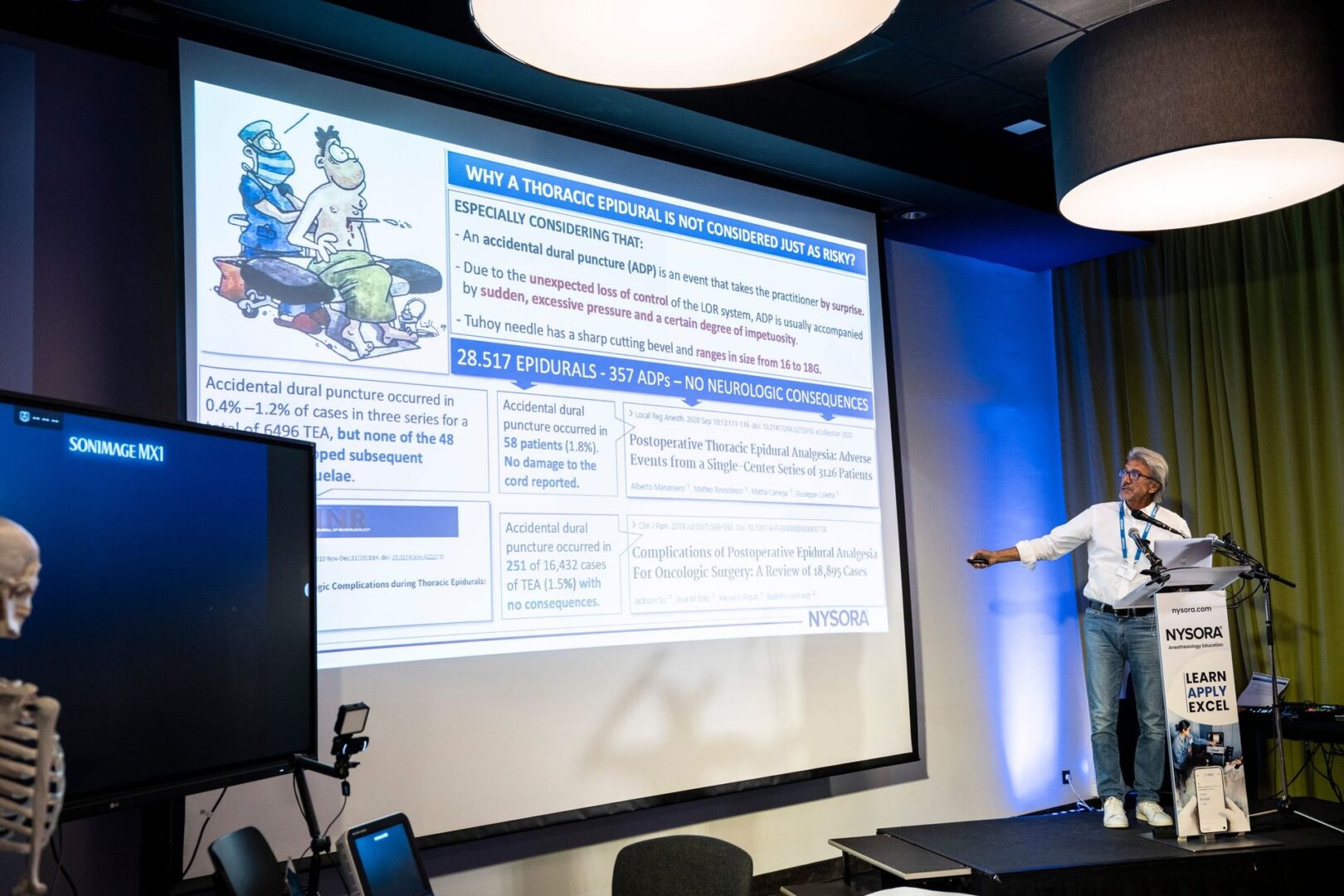
Important anesthesia and regional-anesthesia literature is discussed in relation to patient management, procedural choices, and current practice - the kind of focused anesthesiology board review content that keeps clinical knowledge current.

Regional anesthesia beyond basic technique

Sessions address block failure, local anesthetic selection, additives, sonoanatomy, joint denervation, and situations in which the standard approach may not be appropriate.

Perioperative medicine included

Review OSA assessment, postoperative sleep disorders, ERAS, hip-surgery anesthesia, risk reduction, and patient-outcome optimization.

QUADRA™ integrated into selected sessions

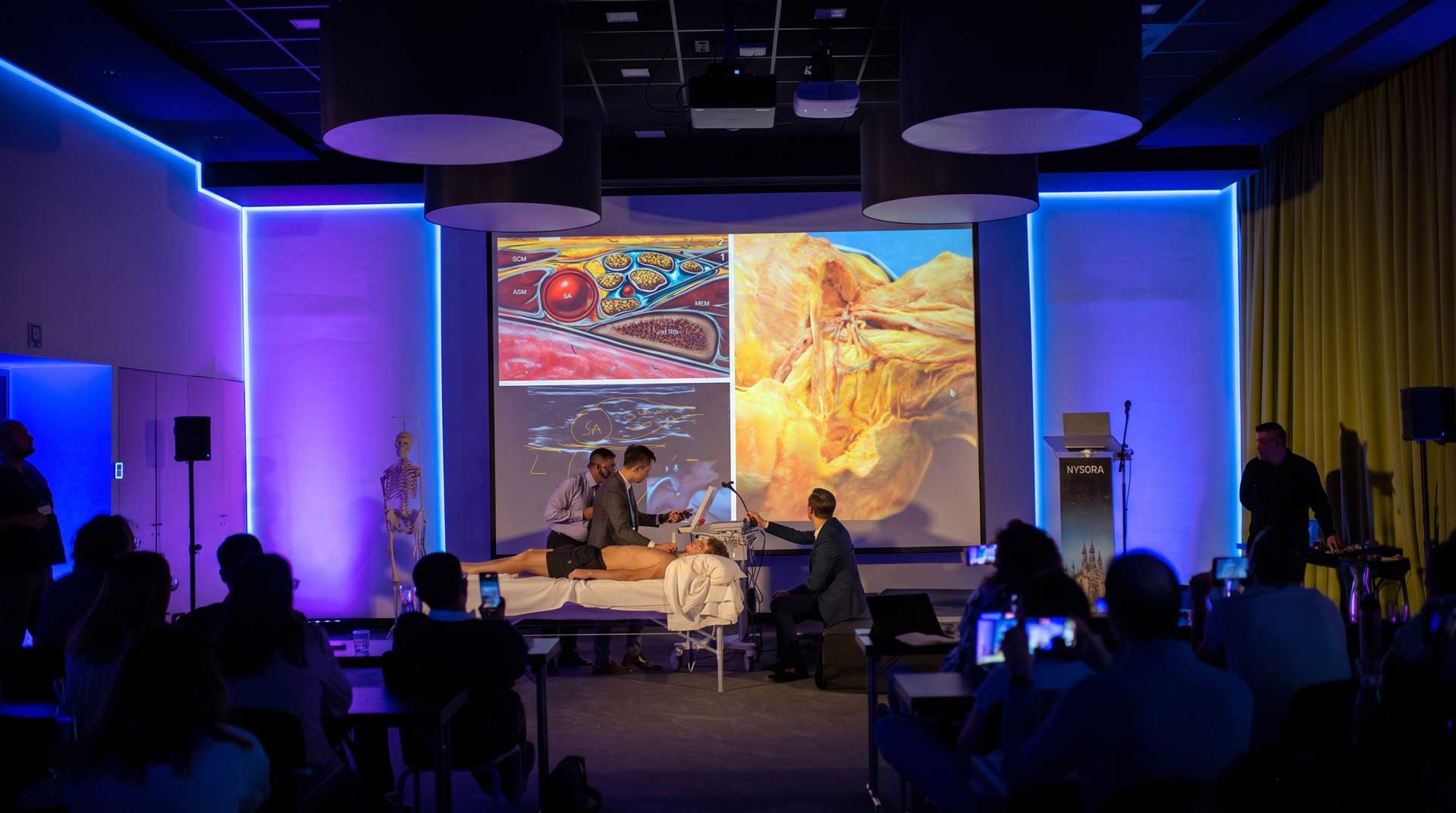
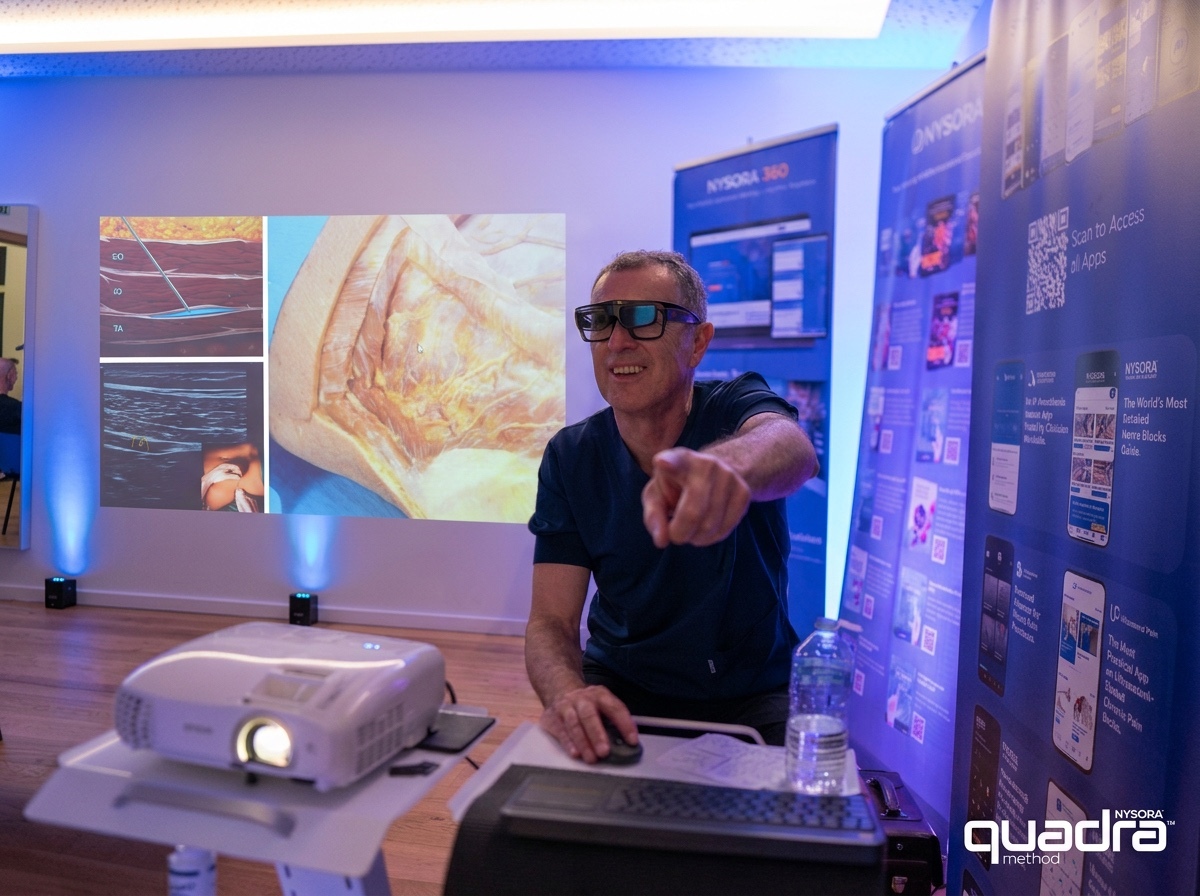
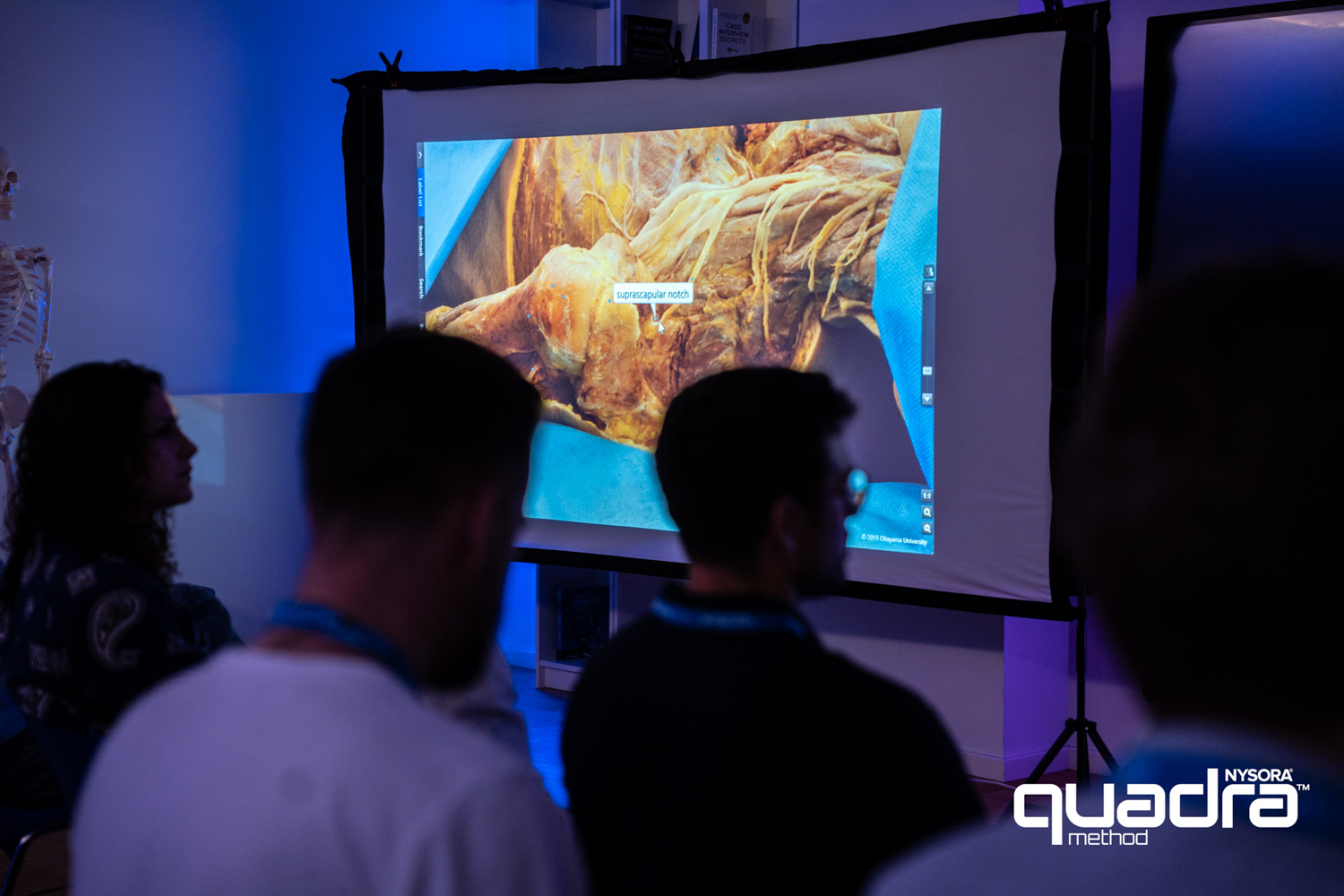
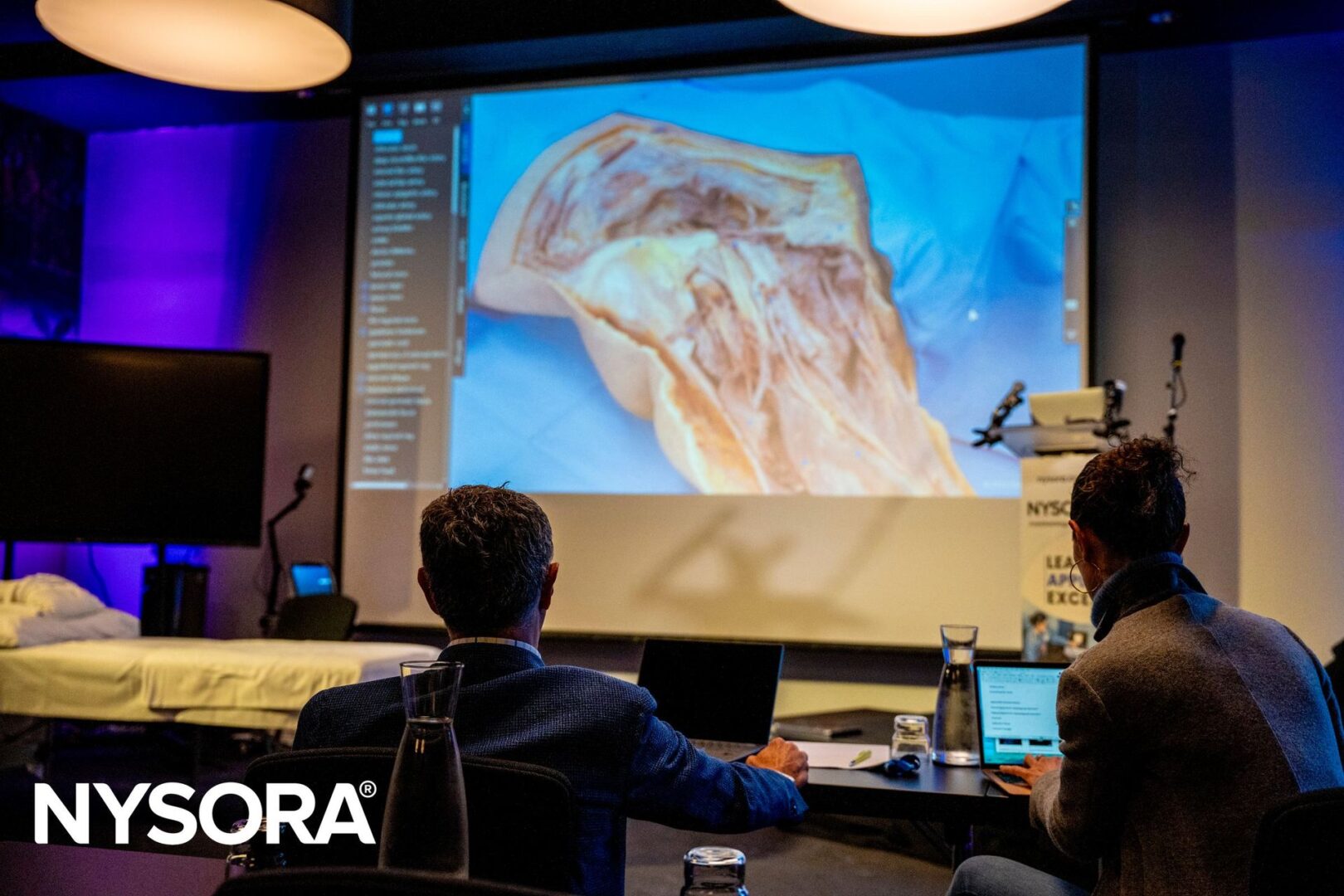
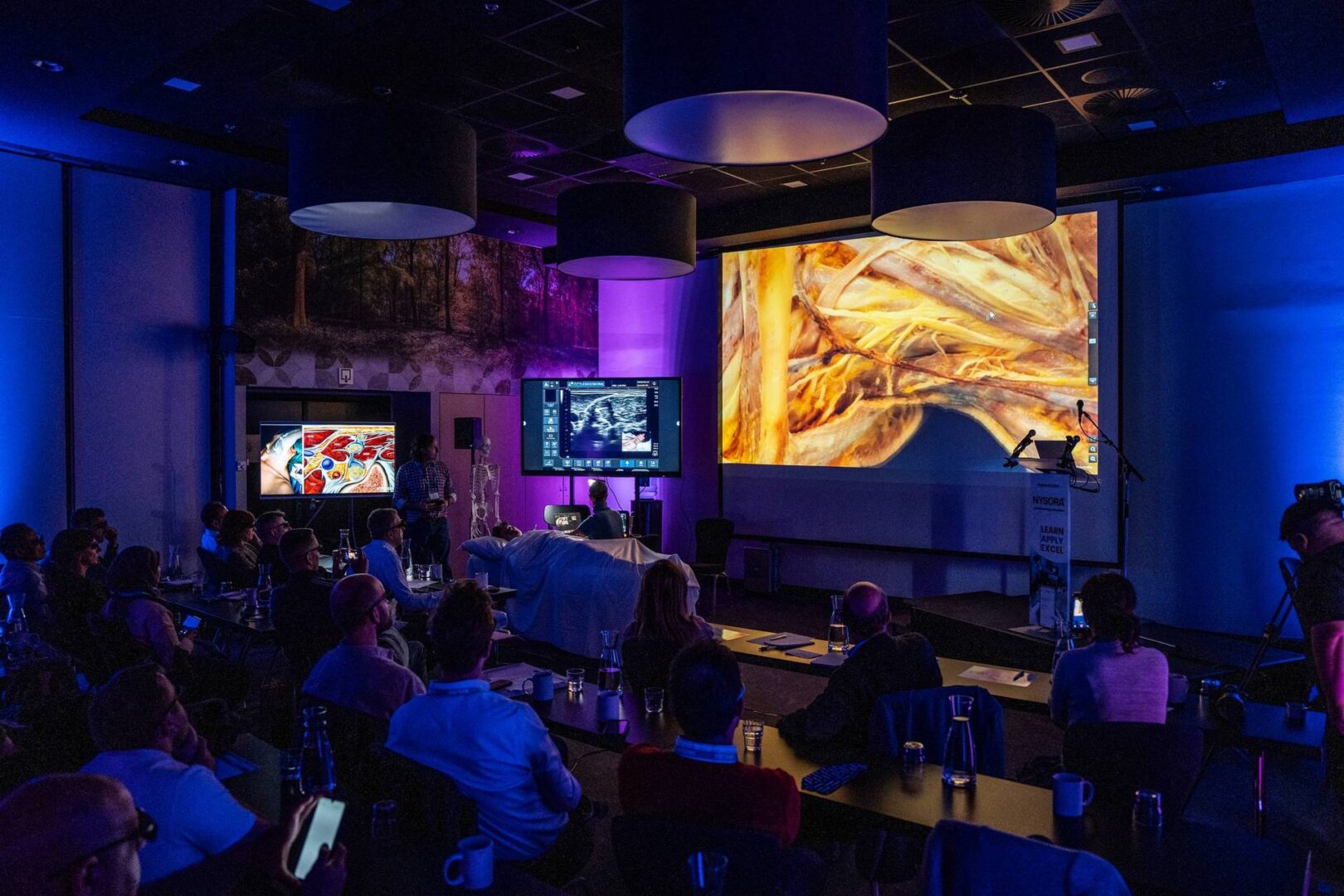
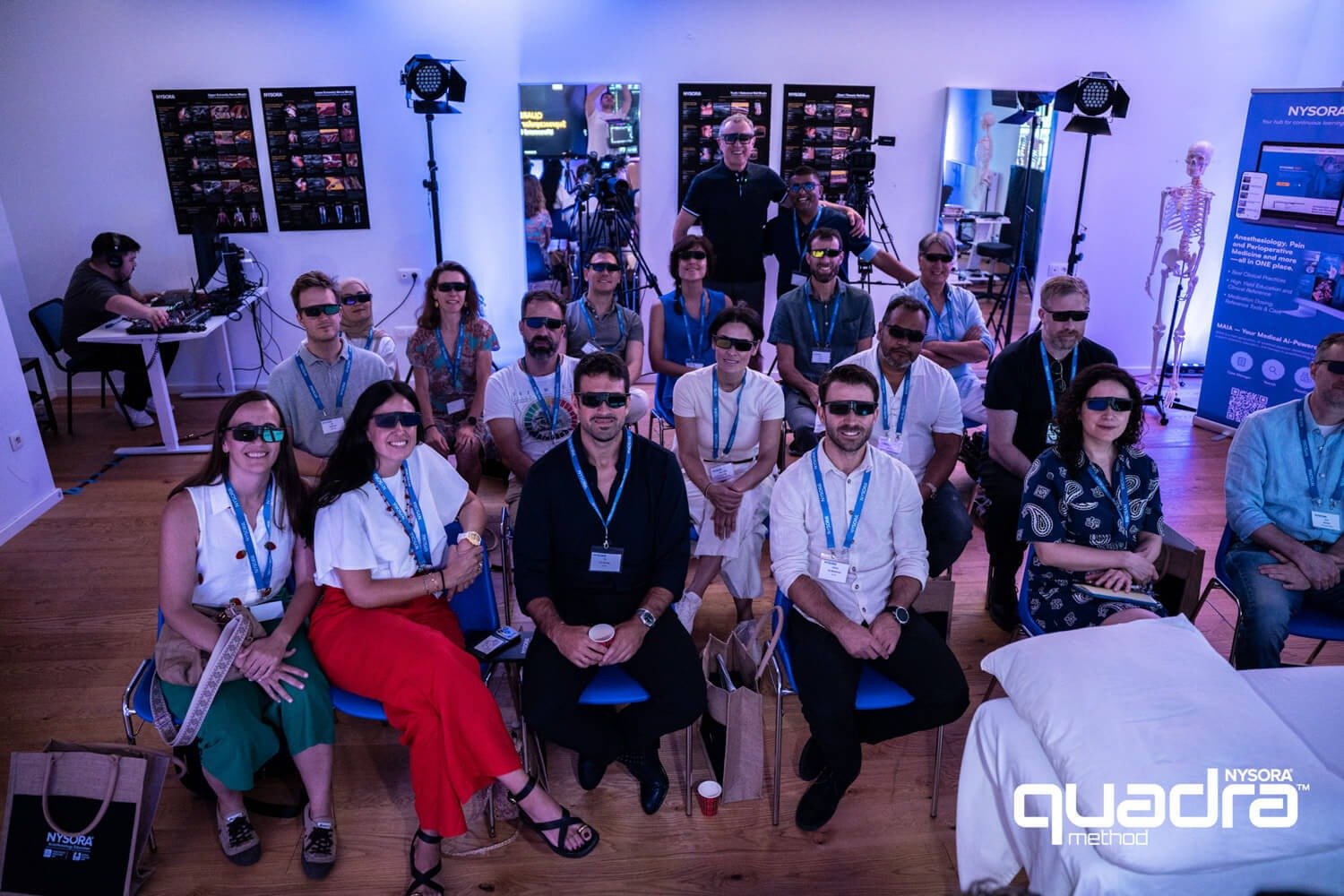
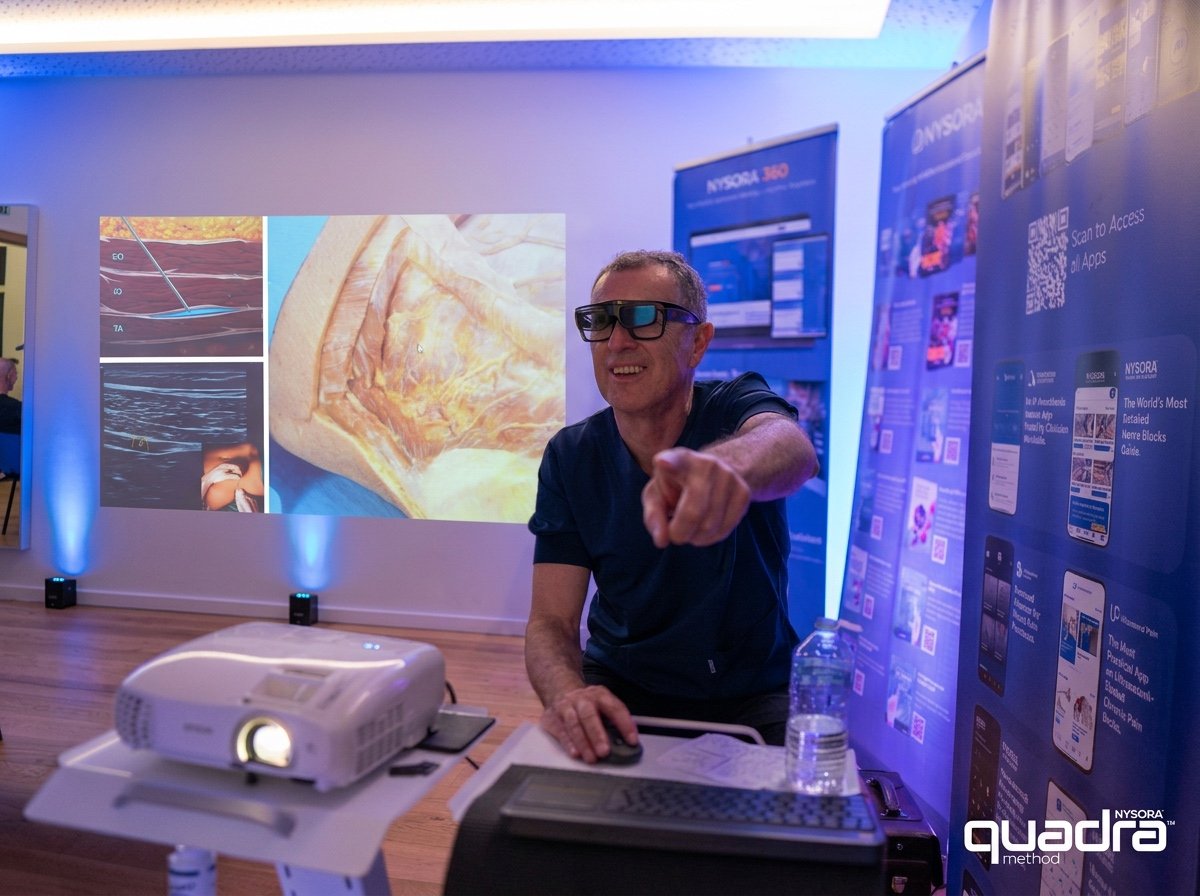
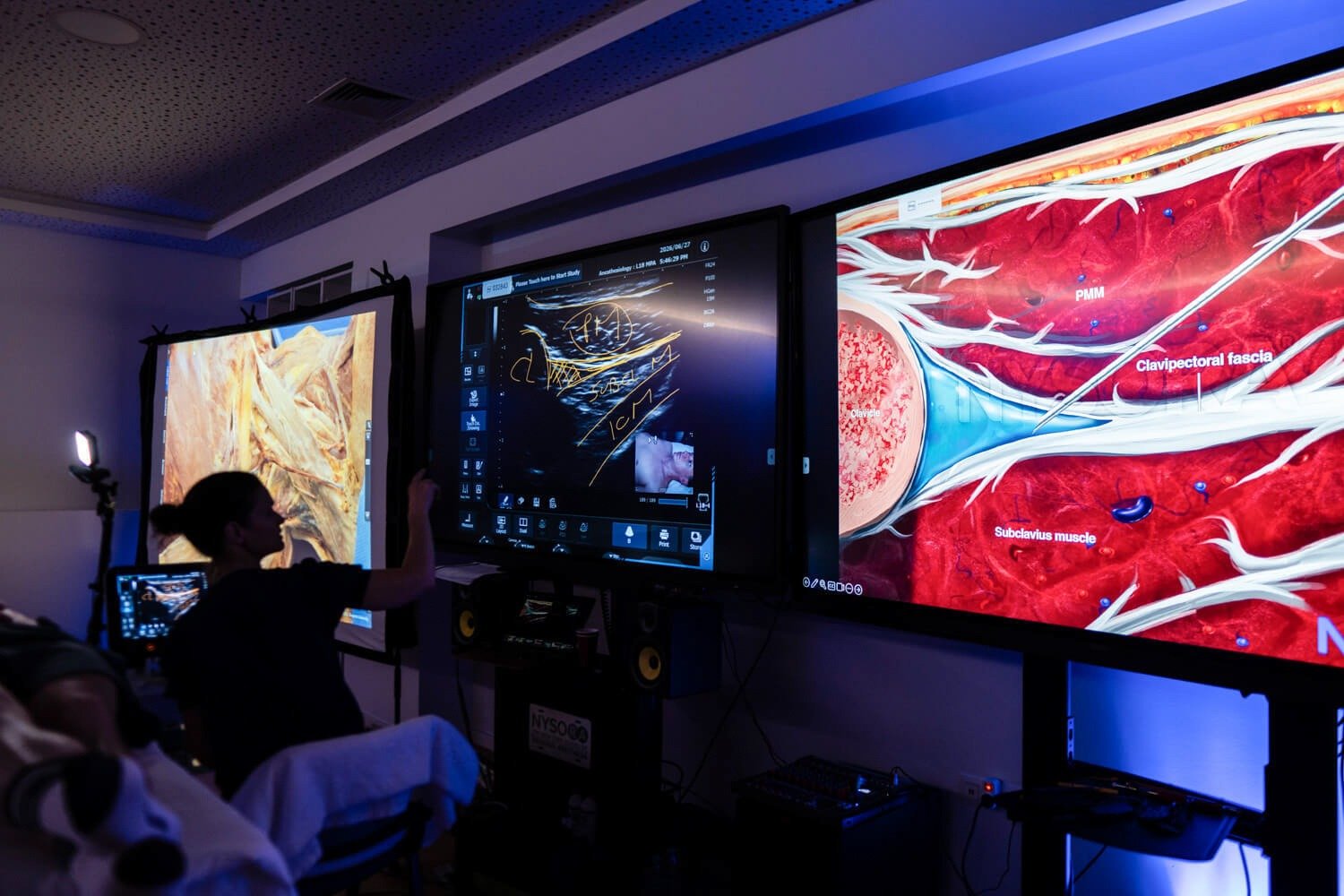
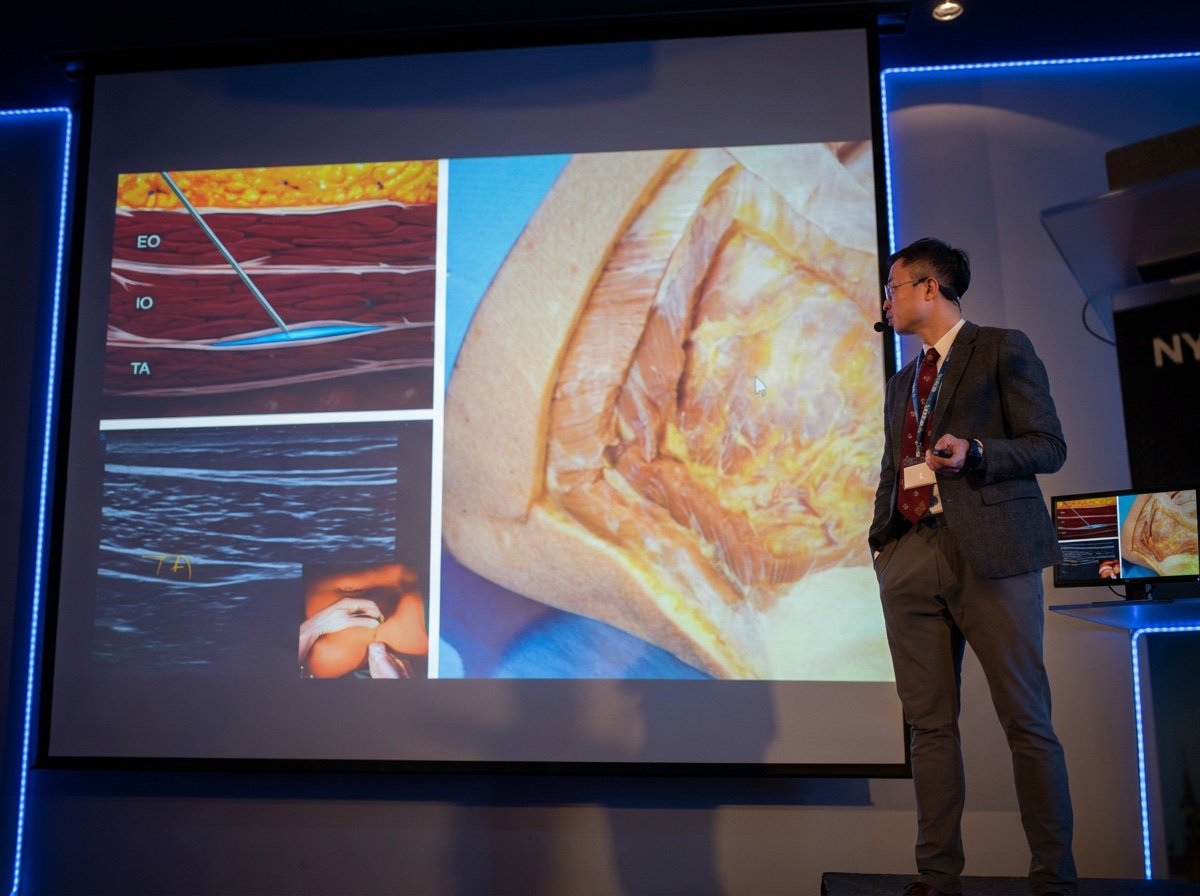
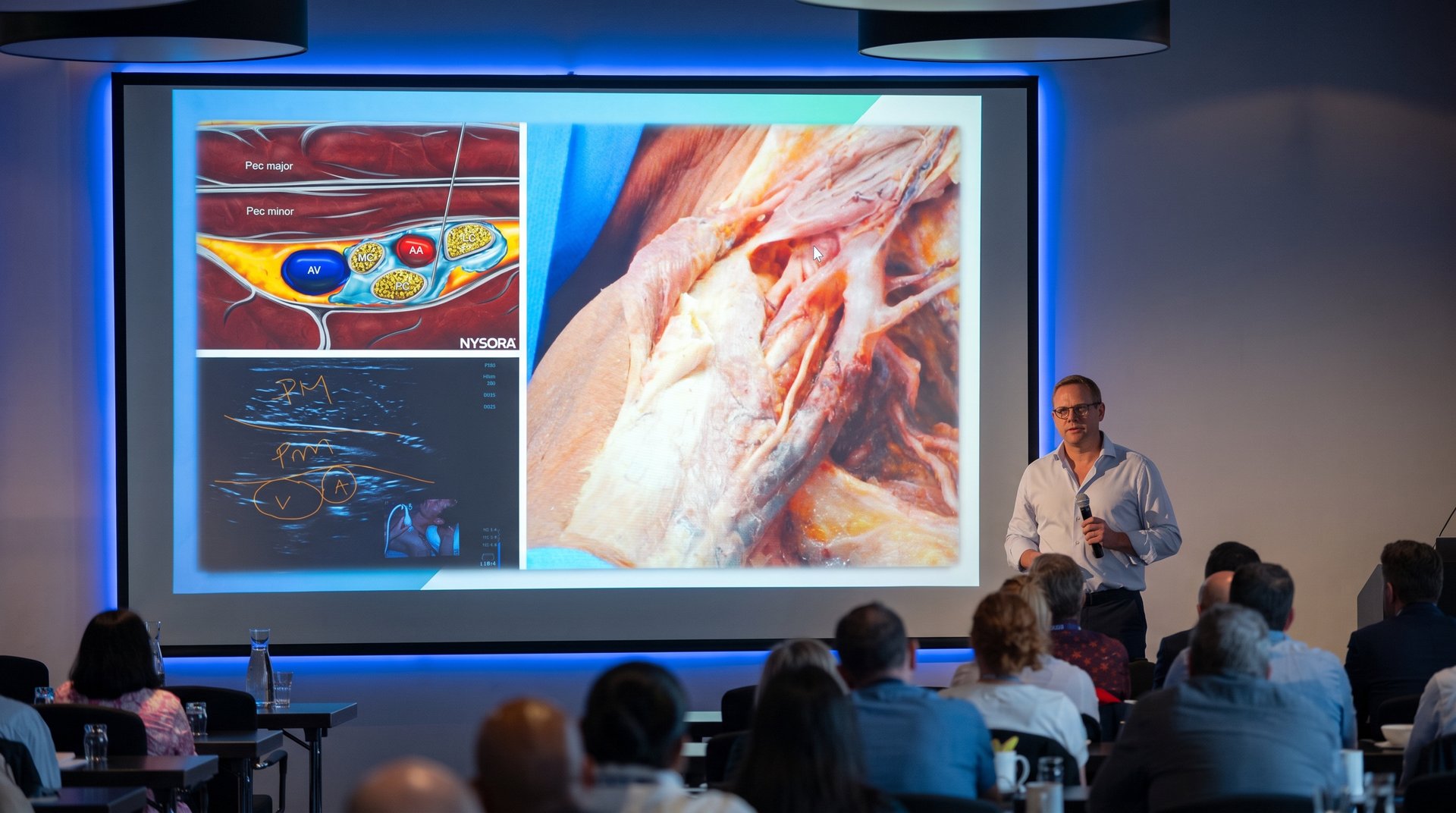
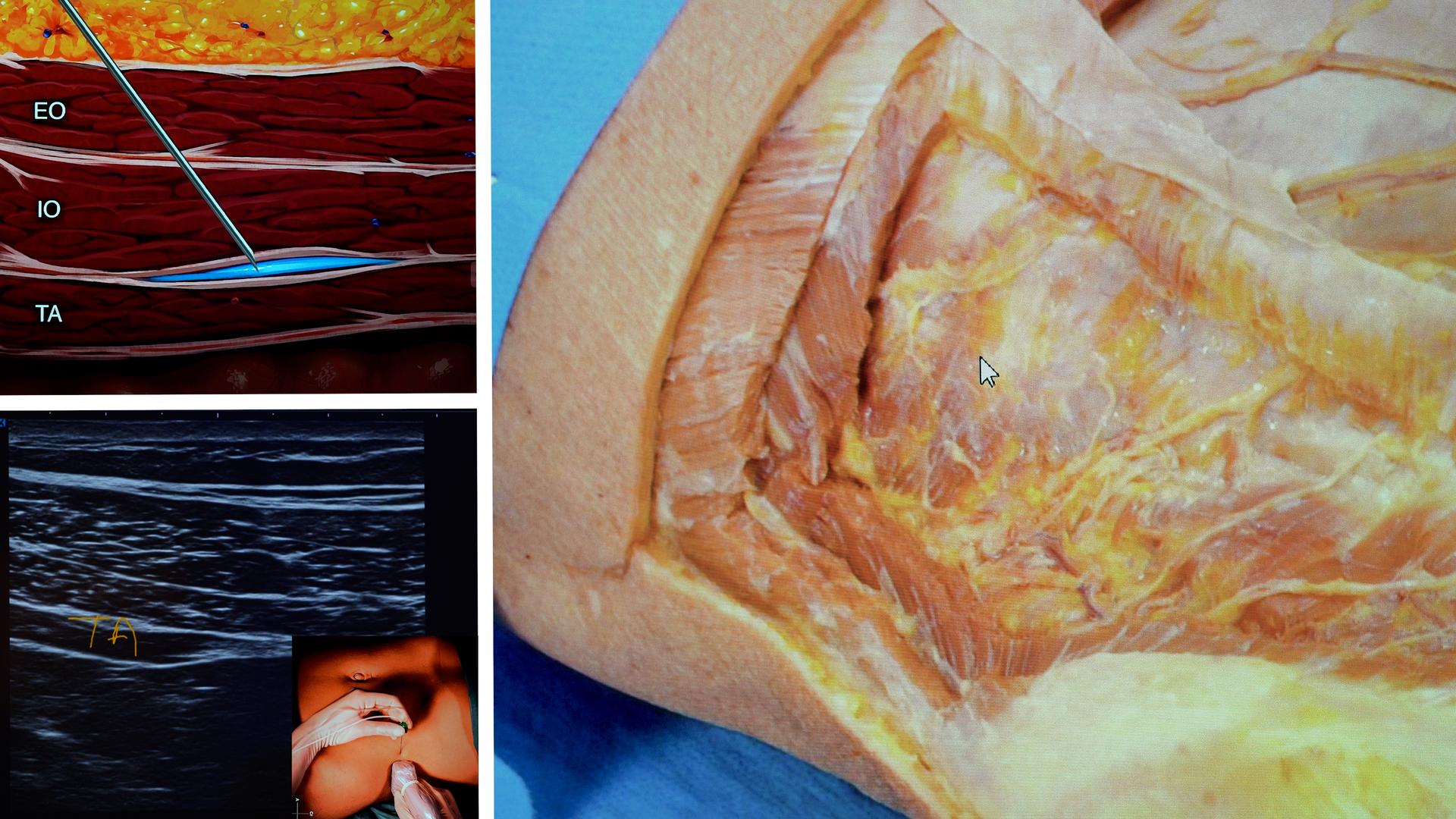
Follow anatomy, ultrasound, probe position, needle trajectory, and injectate spread during synchronized demonstrations.

Direct faculty discussion

Ask questions and compare clinical approaches during discussion periods, case-based sessions, and live-demonstration Q&A.

Artificial Intelligence in Anesthesiology

Explore how AI is transforming perioperative care, ultrasound-guided procedures, education, and clinical decision-making.

Why Attend Val d’Isère 2027?

The program focuses on decisions that affect procedural success, perioperative risk, and patient recovery.

Sessions address questions such as:

  • Why does a technically correct block still fail?
  • How should local anesthetic and additive selection change with the block and clinical objective?
  • When should spinal or general anesthesia be considered for hip surgery?
  • How should OSA and postoperative sleep disorders affect perioperative planning?
  • What role can joint denervation have in patients who are not suitable for surgery?

What You Should Take Back to Practice

  • A structured approach to incomplete or failed blocks
  • Updated approaches to perioperative risk and ERAS
  • Better recognition of ultrasound anatomy and probe orientation
  • Practical considerations for upper-extremity, lower-extremity, truncal, and joint-denervation procedures
  • A clearer view of how recent evidence and AI may affect anesthesia practice
  • Direct answers from faculty on difficult or uncertain cases
Why Attend Val d’Isère 2027?

What Is Included in Your Registration

Registration includes access to the complete four-day scientific program.

  • Expert-led anesthesia and regional-anesthesia lectures
  • Clinical literature and evidence updates
  • Case-based discussion and faculty Q&A
  • Live ultrasound scanning demonstrations
  • QUADRA™ anatomy and procedural sessions
  • Conference materials and session resources
  • Certificate of attendance
  • CME documentation
  • Three months of complimentary access to the NYSORA Anesthesia Assistant App
  • Three months of complimentary access to the NYSORA Nerve Blocks App
  • Scheduled breaks, meals, receptions, or networking activities
Register Now

QUADRA™ at Val d’Isère

Selected sessions connect:

  • 3D anatomy
  • Real-time ultrasound
  • Probe positioning and scanning
  • NYSORA RUA animations demonstrating local anesthetic spread

Featured QUADRA™ Sessions

  • Cervical plexus and supraclavicular brachial plexus blocks
  • Infraclavicular and axillary blocks
  • Upper-extremity live scanning
  • Lower-extremity live scanning

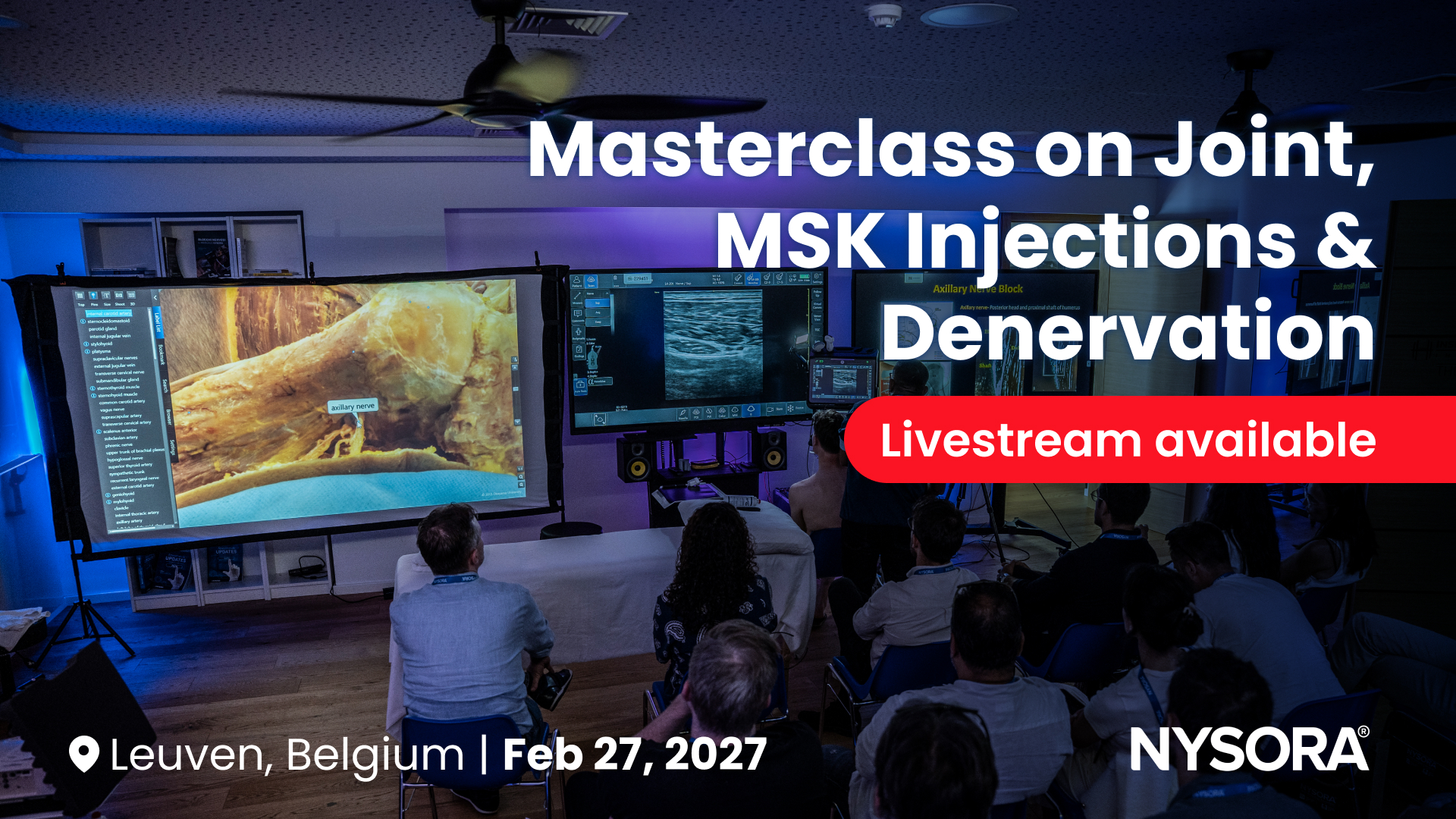
QUADRA™ allows attendees to see how anatomy, ultrasound imaging, probe movement, and procedural planning relate during the same demonstration.

QUADRA™ at Val d’Isère

Morning Session

08:00 - 10:00

How to Get Good at US & Regional Anesthesia: 5 NYSORA Steps
Endoscopic Intercostal Blocks
Perioperative OSA Assessment and Risk Stratification
How to Choose Local Anesthetics and Additives
Discussion

Afternoon Session

17:00 - 19:00

Why Basic Blocks Fail: Common Errors and How to Prevent Them
Management of Patients with Sleep Disorders Postoperatively
Asepsis in Regional Anaesthesia - Update
Spinal vs General Anesthesia for Hip Surgery

Morning Session

08:00 - 10:00

Literature Review in Regional Anesthesia
Fundamentals of Diving Medicine
Best Uses of AI in Anesthesiology
Liposome Bupivacaine: What You Need to Know

Afternoon Session

17:00 - 19:00

Additives to Local Anesthetics: What & How?
Distal Upper Limb Blocks: the Visible and the Invisible in Regional Anesthesia
ERAS Protocols for Thoracic Surgery
QUADRA™ Cervical Plexus and Brachial Plexus Above the Clavicle

Morning Session

08:00 - 10:00

Anesthesia Literature Updates That Will Change Your Practice I
Post-Anesthesia Sleep Disturbances and Parasomnias
Future of Education in Anesthesiology - Including AI

Afternoon Session

17:00 - 19:00

Anesthesia Literature Updates That Will Change Your Practice II
QUADRA™ Infraclavicular and Axillary Block Anatomy Secrets
Discussion & Q&A

Morning Session

08:00 - 10:00

QUADRA™ Live Scanning Demonstration: Upper Extremity Blocks
Discussion & Q&A
Live Scanning Demonstration: Lower Extremity Blocks
Discussion & Q&A

Afternoon Session

17:00 - 19:00

How to Make a Great PPT Talk
Joint Denervation for Inoperable Hip Fracture Patients
QUADRA™ Live Scanning Demonstration Truncal Blocks
Discussion & Q&A

€1,075.00

Early Bird rate

Register

Expertise

Our Faculty

Admir Hadzic

Admir Hadzic
MD, PhD.

Director – NYSORA, Anesthesiologist, Professor of Anesthesiology, Department of Anesthesiology, ZOL, Genk, Belgium

Catherine Vandepitte

Catherine Vandepitte
MD, PhD.

Anesthesiologist at Ziekenhuis Oost-Limburg (ZOL), Genk, Belgium

Peter Merjavy

Peter Merjavy
MD, EDRA Board Member

Consultant Anaesthetist at Craigavon Area Hospital, Southern HSC Trust
Craigavon, Northern Ireland, United Kingdom

Emir Festic

Emir Festic
MD

Pulmonary Medicine
Mayo Clinic Jacksonville, United States

Herbert Decaluwé

Herbert Decaluwé
MD, PhD.

Thoracic Surgeon, Department of Thoracovascular Surgery at Ziekenhuis Oost-Limburg (ZOL) HospitalGenk, Belgium

Centre de Congrès Henri Centre

The Venue

Perfectly positioned in the centre of Val-d’Isere, the Congress Centre combines state-of-the-art facilities with the charm and accessibility of one of Europe’s most iconic alpine destinations. Surrounded by a wide selection of hotels, chalets, restaurants, and boutiques, delegates can enjoy a truly walkable conference experience. With plentiful nearby accommodation, convenient parking facilities, and easy access throughout the resort, the venue provides the perfect balance of professional comfort and mountain lifestyle, allowing you to focus on learning, networking, and enjoying everything Val-d’Isere has to offer.

The rooms can be booked individually by contacting the hotel reservation team directly at [email protected]. Please use the booking code: NYSORA to receive the special offer. Book Now

Register Now for this Conference

In-Person

For in-person attendance

Early bird discounted rate €1,075.00 standard rate within 1 month of course €1,175.00. Registration includes course materials & light refreshments. Please NOTE that accommodation is not included in the registration price.

Register

€1,075.00

Price Early Bird rate

See More Information

An application has been made to the UEMS EACCME® for CME accreditation of this event.

CME Information

What is a CME activity? A Continuing Medical Education(CME) activity serves to maintain, develop, or increase the knowledge, skills, and professional performance and relationships that a physician uses to provide services for patients, the public, or the profession.

Why do physicians need continuing medical education (CME) credit? Physicians use CME credit to demonstrate that they have participated in educational activities and obtained CME credit to document meeting the requirements of state medical boards, medical specialty societies, specialty boards, hospital medical staffs, the Joint Commission, insurance groups, and others

Who accredits the Course? Accreditation by the EACCME means that the CME/CPD activity provided is of high scientific value, is free of commercial bias and promotes active adult learning. This is of paramount importance to doctors who need to report to their National Accreditation Authority on their CME/CPD activity over a certain period of time, and this even more now that many national systems are (becoming) mandatory and not voluntary. By attending an EACCME accredited event, they will be able to obtain European CME credits (ECMEC) which are recognised not only in a majority of European countries (with which the EACCME has signed agreements), but also in the USA and Canada. By handing in their EACCME certificate to their National Accreditation Authority, their credits will automatically be recognised and converted into national credits.

What documentation does a physician receive for participating in a certified CME activity provided by an accredited CME provider? A CME certificate will be issued and can be used to prove attendance.

Inside the Conference
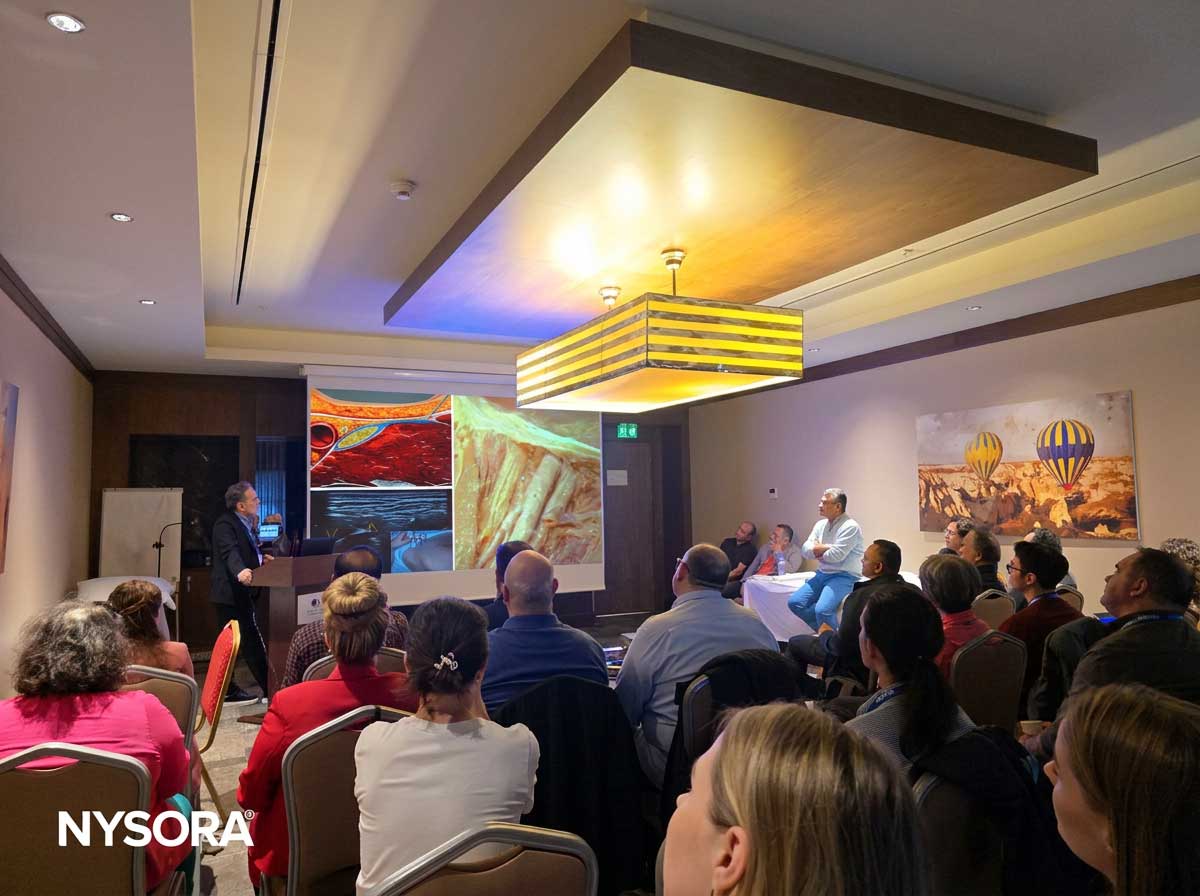
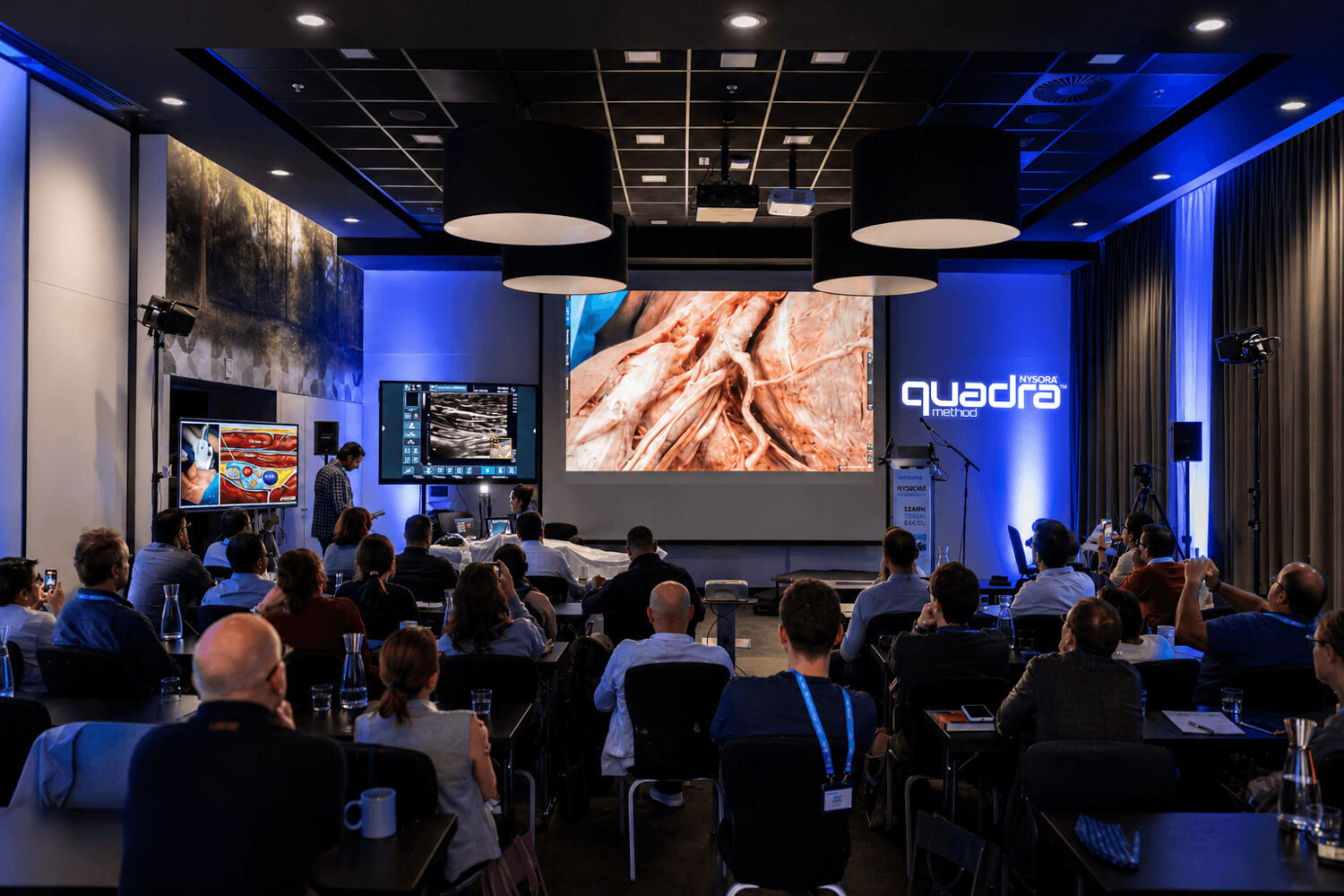
The NYSORA Conference Experience

What Others Say

"The conference exceeded my expectations. The faculty made complex topics accessible, and the practical focus meant every session delivered something I could immediately apply."

Consultant Anaesthesiologist, New Zealand

"A superb opportunity to learn from internationally recognised experts while connecting with colleagues who share the same passion for advancing regional anaesthesia."

Anaesthesiologist, Australia

"The educational quality was exceptional throughout. I particularly appreciated the balance between cutting-edge evidence, practical recommendations, and interactive discussion."

Specialist Anaesthetist, New Zealand

Frequently Asked Questions

This conference is suitable for anesthesiology professionals including consultants, trainees, CRNAs, anesthesia nurses, and perioperative team members, as well as educators and researchers focused on improving anesthesia knowledge and patient outcomes.

The early bird discount is US$995. Registration must be made prior to enter date.

Please check your spam or junk folder first. If the confirmation still hasn’t arrived, reach out to us at [email protected] and our team will be happy to help.

All cancellations have to be either made using the view or modify link on the bottom of your confirmation email, or in writing to [email protected]. Cancellation terms:

  • Cancellations made more than 30 days before the event will receive a 50% refund of the registration fee.
  • Cancellations made within 30 days of the event are non-refundable.

All registered participants will receive an email with access details for their complimentary 3-month subscription.
The group access email is sent approximately one month before the event and includes everything you need to log in and start exploring the course materials.
If you do not receive this email or experience any login issues, please contact us for assistance.

If we ever need to cancel a course, we will let you know as early as possible. You will be able to choose between a full refund of your registration fee or a transfer to another NYSORA program. In addition we would offer an extension of your complimentary subscription. Please note that we cannot reimburse travel or accommodation costs, so we strongly recommend considering travel insurance to protect any non-refundable expenses.

Every now and then, we may need to update the schedule or faculty lineup. Any adjustments will always be reflected on the agenda page of our website. It’s a good idea to check in from time to time to stay up to date with the latest details.

Email us at [email protected] with the subject line “Assistance with [event name]” and include a few details about what you need. One of our team will get back to you as quickly as possible.

As in past events, a professional photographer/videographer may take photos and/or videos of participants at the event programs.