 Nerve Blocks App
 Anesthesia Assistant App
 Ultrasound Pain App
 Pain Medicine Assistant App
 POCUS App
 IV Access App
 MSK Knee App
 VetRA App

 Nerve Block Manual 2027
 Nerve Block Manual
 Regional Anesthesia Updates
 Anesthesiology Manual
 Anesthesiology Review
 Anesthesia Updates 2025
 Anesthesia Updates 2026
 Pediatric Anesthesia Updates
 Airway Management Updates
 US Interventional Pain Manual
 Pain Medicine Updates
 Mastering Difficult IV Access
 PACU Nursing Manual
 RA Veterinary Manual
 Books
 About

 Back to News
 9 min read


Local anesthetics are indispensable across anesthesia, surgery, dentistry, pain medicine, and procedural care, but their widespread use can obscure an important reality: these drugs have a relatively narrow therapeutic window. The difference between a dose that provides effective analgesia and one capable of producing seizures, cardiovascular collapse, neurologic injury, or death may become clinically important when dosing, administration site, patient characteristics, and cumulative exposure are not carefully considered.
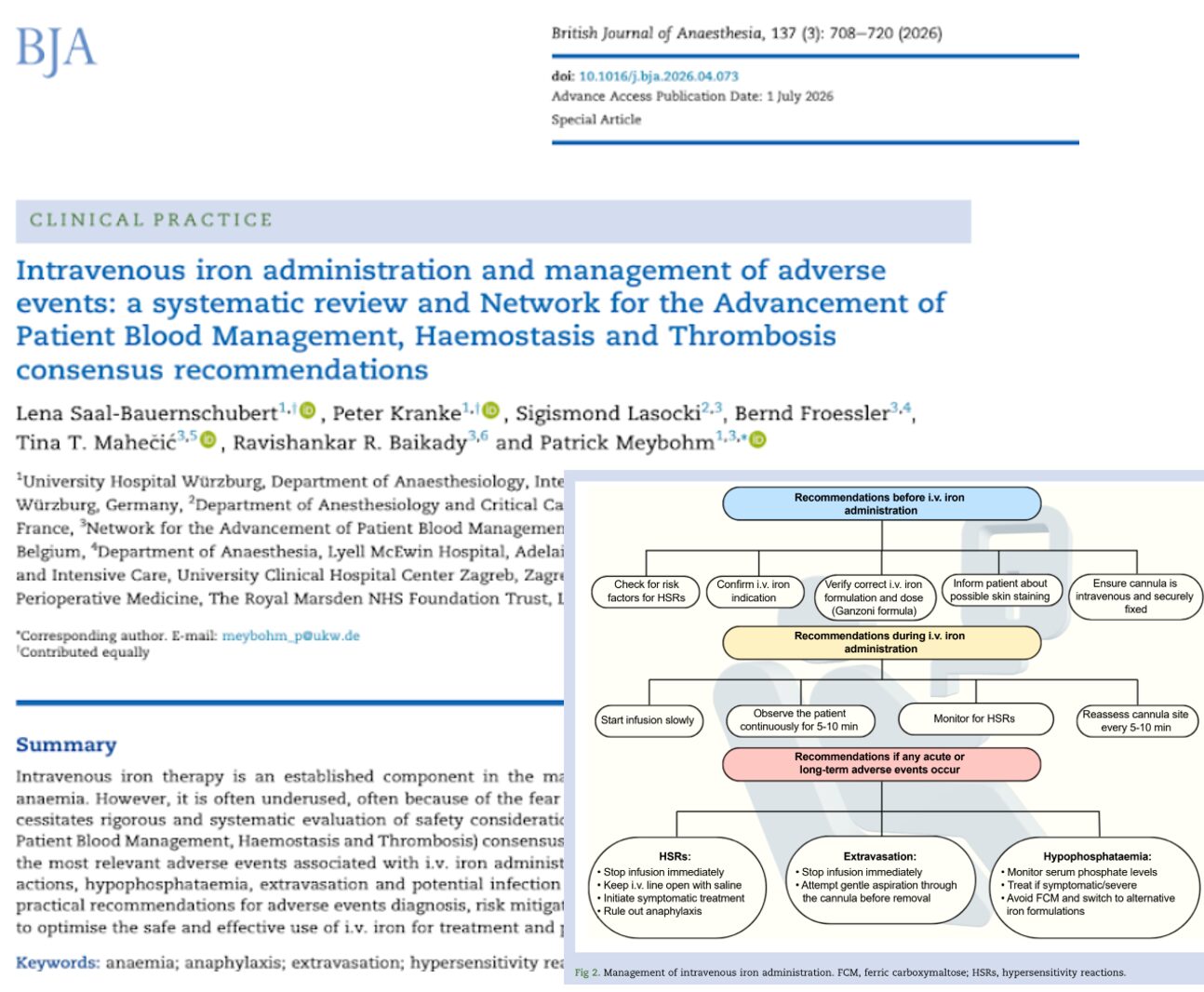
A 2026 review by Michael R. Fettiplace, published in Current Opinion in Anaesthesiology, examines contemporary morbidity and mortality associated with both systemic and localized local anesthetic toxicity. Importantly, the epidemiology appears to be changing. Bupivacaine-associated peripheral nerve blocks, historically a major safety concern, are no longer the dominant source of serious complications, likely reflecting advances including ultrasound guidance, lipid emulsion therapy, and formal safety recommendations. Instead, recent evidence highlights local anesthetic systemic toxicity (LAST) associated with lidocaine, surgeon- and proceduralist-administered local infiltration analgesia, topical and oropharyngeal administration, intravenous infusions, and continuous catheter techniques.
The review also emphasizes that systemic toxicity is only part of the safety picture. High neuraxial blockade remains an important cause of morbidity, particularly in obstetric anesthesia, while neurotoxicity and chondrotoxicity demonstrate the potential consequences of excessive local tissue exposure.
Study objective and methods
This narrative review aimed to synthesize recent literature and characterize the current landscape of adverse events associated with local anesthetics. Rather than testing a single intervention, the author evaluates contemporary pharmacovigilance studies, epidemiologic investigations, case reports, clinical reviews, and professional recommendations.
The review focuses on several major sources of harm:
- Systemic toxicity, including LAST associated with lidocaine, local infiltration, regional nerve blocks, and continuous catheters.
- Local anesthetic-associated mortality, including deaths associated with systemic toxicity and high neuraxial blockade.
- High neuraxial blockade, particularly in obstetric anesthesia.
- Localized neurotoxicity, including transient neurologic symptoms and injury in susceptible nerves.
- Chondrotoxicity and cytotoxicity associated with prolonged or concentrated local anesthetic exposure.
- Modifiable risk factors, including dose, concentration, administration site, duration of exposure, and patient-specific susceptibility.
A central theme is not simply whether local anesthetics cause toxicity, but where contemporary adverse events are occurring and how clinical practice can be modified to prevent them.
Key findings
Local anesthetics continue to contribute to mortality
Although anesthesia-related perioperative mortality is uncommon, reported at fewer than 6 deaths per 100,000 cases in studies cited by the review, local anesthetic complications remain contributors to preventable mortality.
Recent pharmacovigilance and case literature identifies deaths related to LAST, high spinal anesthesia, local anesthetic catheters, excessive dosing, and oropharyngeal lidocaine.
One of the review’s most striking findings is the prominence of lidocaine.
Despite often being perceived as relatively safe, lidocaine emerged as the local anesthetic most frequently associated with fatal outcomes in the contemporary data reviewed. High-dose oropharyngeal administration, intravenous administration, and local infiltration were recurring sources of toxicity.
The author notes that lidocaine administration may exceed package-insert limits of 300 mg or 4.5 mg/kg without epinephrine and 500 mg or 7 mg/kg with epinephrine.
The review also reports that 10% of lidocaine adverse-event reports in one FDA pharmacovigilance analysis resulted in death, compared with 3% for bupivacaine reports. These reporting-system percentages should not be interpreted as incidence rates, but they reinforce the review’s concern about severe lidocaine-associated events.
The source of LAST appears to be shifting
Historically, regional anesthesia performed by anesthesiologists was a prominent focus of LAST prevention. Contemporary evidence suggests a broader landscape.
The review describes an increasing proportion of reported toxic events associated with surgeon- and proceduralist-administered local anesthesia, including local infiltration during orthopedic, abdominal, obstetric, cardiac, dental, and other procedures.
- Catheter toxicity: approximately 3.7–4.8 cases per 1,000.
- Orthopedic local infiltration: approximately 1.25–3.16 cases per 1,000.
- Regional nerve blocks: approximately 0.87–1.8 cases per 1,000.
These data suggest that toxicity prevention should extend beyond the regional anesthesia team and become an interdisciplinary safety priority.
Local infiltration deserves greater attention
Large-dose local infiltration analgesia represents a particular area of concern.
The review notes that high-dose ropivacaine regimens used in knee arthroplasty have contributed to broader adoption of large infiltration doses. However, systemic absorption differs substantially according to anatomical site.
The hip, for example, has more highly vascularized muscular tissue than the knee. Studies summarized in the review found LAST to be approximately three times as frequent after hip procedures as after knee procedures.
This underscores a crucial pharmacologic principle: the same milligram dose does not necessarily carry the same toxicity risk at every anatomical site.
Continuous catheters present cumulative dosing challenges
Continuous local anesthetic administration creates another distinct risk.
Recent data summarized by Fettiplace suggest toxicity rates of approximately 4 per 1,000 for ropivacaine and bupivacaine catheters. Unlike single injections, catheter techniques introduce the possibility of progressive drug accumulation.
The review highlights reported cases involving vulnerable patients with malnutrition, cachexia, hepatic dysfunction, acidosis, and other factors that can alter local anesthetic pharmacokinetics or susceptibility to toxicity.
High neuraxial blockade remains a serious complication
High neuraxial blockade remains uncommon but potentially catastrophic.
Excessive cephalad spread of intrathecal local anesthetic can block sympathetic cardiovascular fibers, producing profound hypotension and cardiac arrest. More extensive blockade may impair respiratory function.
Obstetric anesthesia remains a particularly important setting.
A recent US analysis cited in the review identified high neuraxial blockade as a cause of cardiac arrest at 1.97 per 100,000 cesarean deliveries, increasing to 4.7 per 100,000 when epidural anesthesia was converted to spinal anesthesia for cesarean delivery.
Risk factors highlighted in the review include short stature, elevated BMI, larger intrathecal doses, spinal anesthesia relative to epidural anesthesia, and particularly spinal anesthesia following failed epidural conversion.
The clinical message is clear: an unexpectedly functioning or failed epidural should influence subsequent neuraxial decision-making rather than simply triggering routine spinal dosing.
Localized neurotoxicity and chondrotoxicity
Transient neurologic symptoms following spinal anesthesia appear to be less common in contemporary practice than historical literature suggested. A large Chinese analysis cited in the review identified 999 cases among approximately 2.7 million neuraxial anesthetics, corresponding to about 0.036%.
Nevertheless, local anesthetic neurotoxicity remains concentration- and exposure-dependent. Patients with pre-existing neuropathies, including diabetic neuropathy, may also require additional caution.
Chondrotoxicity is another concern, particularly with intra-articular exposure. Experimental evidence indicates dose- and time-dependent detrimental effects on chondrocytes from several local anesthetics. Ropivacaine at concentrations of 0.5% or lower appeared least chondrotoxic in one systematic review discussed by Fettiplace, although the author emphasizes that much of the evidence comes from experimental rather than definitive human clinical outcome data.
Clinical implications
The review shifts the safety conversation from simply asking which local anesthetic is safest toward considering the entire exposure scenario.
Clinicians should account for:
- Calculate the total dose, including local anesthetic administered by every member of the procedural team.
- Consider body size and patient-specific risk factors rather than relying exclusively on fixed adult doses.
- Account for anatomical vascularity, because absorption varies substantially between injection sites.
- Treat repeated and continuous administration differently from a single bolus, particularly when drug clearance may be impaired.
- Use additional caution when combining local anesthetics, because toxicity is additive rather than independent.
- Remain vigilant during epidural-to-spinal conversion, particularly following failed or unexpectedly functioning epidural anesthesia.
These principles make toxicity prevention a shared responsibility across anesthesia, surgery, dentistry, pain medicine, and other procedural specialties.
Clinical pearls
- Lidocaine should not be assumed to be benign: Its widespread use and perceived safety may contribute to excessive dosing, and contemporary pharmacovigilance data identify it prominently in severe adverse events.
- LAST is no longer predominantly a peripheral nerve block problem: Local infiltration, topical or oropharyngeal administration, intravenous therapy, and catheter techniques now play a major role.
- Continuous exposure changes the risk equation: Catheters can lead to cumulative concentrations even when individual doses appear reasonable.
- Patient characteristics matter: Cachexia, hypoalbuminemia, hepatic dysfunction, cardiac disease, extremes of age, and interacting medications may increase toxicity risk.
- High neuraxial blockade remains relevant: Particular vigilance is warranted when spinal anesthesia follows failed epidural anesthesia.
- Ultrasound does not eliminate LAST: Safer regional anesthesia techniques have reduced risk, but systemic toxicity can still occur.
Future research
The review identifies several areas requiring stronger evidence and clearer professional guidance.
Standardized dosing recommendations are needed for continuous catheter techniques, including protocols that incorporate weight, cumulative exposure, organ dysfunction, and other patient-specific risk factors.
Further research should also better define safe local infiltration dosing according to anatomical site. Fixed-dose strategies may fail to account for major differences in vascularity and systemic absorption.
Additional human clinical evidence is needed to clarify the significance of experimentally demonstrated chondrotoxicity and to determine how agent, concentration, exposure duration, and coadministered drugs influence clinically meaningful joint outcomes.
Finally, the changing epidemiology of LAST highlights a need to study interdisciplinary prevention strategies. Safety guidance cannot remain confined to anesthesiology when an increasing proportion of reported events involves local anesthetics administered by surgeons and other proceduralists.
Conclusion
Local anesthetics remain foundational to modern medicine, but the 2026 review demonstrates that serious toxicity has not disappeared—it has changed in pattern.
Advances in ultrasound-guided regional anesthesia, lipid emulsion therapy, and standardized LAST management have helped reduce complications historically associated with long-acting local anesthetics and peripheral nerve blocks. Yet new and persistent vulnerabilities have become more apparent.
Excessive lidocaine exposure, local infiltration analgesia, continuous catheter administration, and high neuraxial blockade now represent important areas for prevention. Across these complications, a consistent set of modifiable factors emerges: dose, concentration, anatomical site, exposure duration, cumulative administration, and patient susceptibility.
The most important opportunity may therefore be less about developing another rescue therapy and more about preventing toxic exposure in the first place. Weight-based dosing, cumulative dose accounting, risk stratification, interdisciplinary communication, and adherence to evidence-based protocols offer practical opportunities to reduce morbidity and mortality while preserving the substantial benefits of local anesthetic analgesia.
For more information, refer to the full article in Current Opinion in Anesthesiology.
Fettiplace MR. Morbidity and mortality from local anesthetics: localized and systemic toxicity. Curr Opin Anaesthesiol. 2026 Oct 1;39(5):659-668.
Read more about LAST in our Regional Anesthesiology Module on NYSORA 360 on NYSORA360 – an essential learning resource for residents with practical, up-to-date guidance.